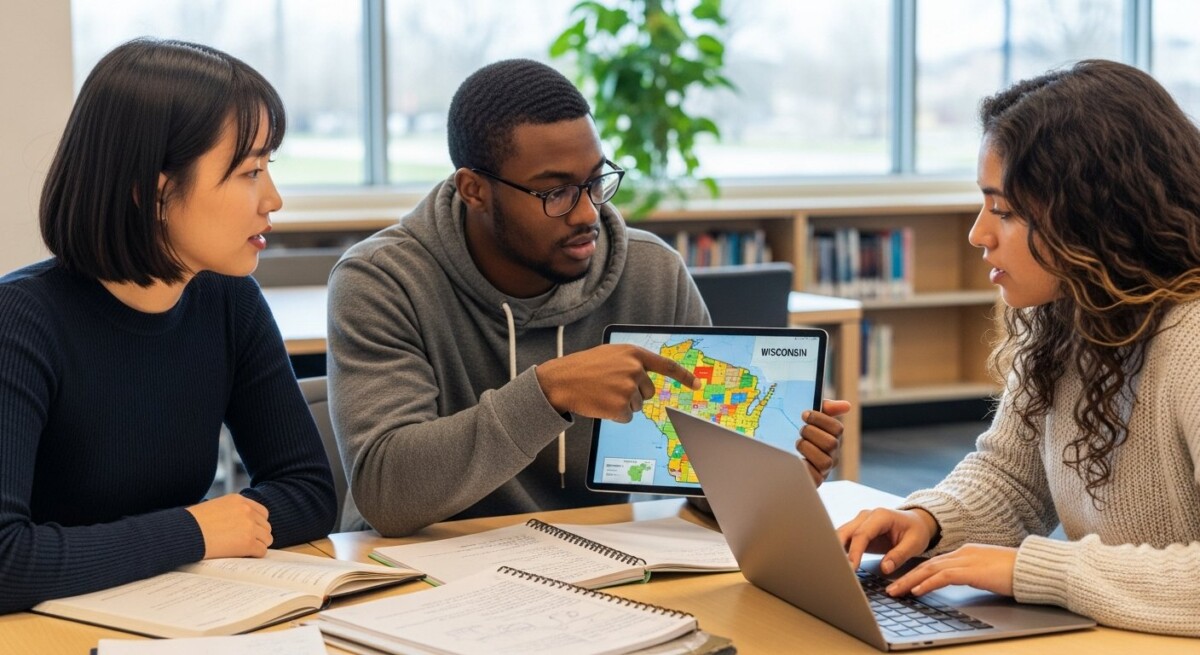
In today’s interconnected professional landscape, success is rarely a solo endeavor. The most impactful projects, from launching innovative products to solving complex societal challenges, are driven by cohesive teams. For students planning their academic path with an eye toward a dynamic career, choosing a degree that inherently cultivates teamwork, collaboration, and group leadership is a strategic move. This guide explores the best college degrees for team based careers, examining how specific programs are designed to build the collaborative skills employers desperately seek. We will move beyond simply listing majors to understand the pedagogical frameworks, project-based learning components, and inherent structures that make these degrees powerful launchpads for roles where collective achievement is the ultimate metric.
Why Team Based Skills Are the New Career Currency
The modern workplace has evolved from a collection of individual contributors to a network of interdependent roles. Industries like technology, healthcare, business, and engineering rely on cross-functional teams where diverse expertise converges. A degree that emphasizes teamwork does more than teach you to get along with others, it trains you in conflict resolution, project co-ownership, collective problem-solving, and the art of synthesizing multiple perspectives into a unified action plan. Employers consistently rank collaboration, communication, and emotional intelligence among their top desired skills, often valuing them as highly as technical proficiency. Therefore, selecting a degree program with a team-oriented curriculum is an investment in fundamental career capital that transcends any single job title.
These programs often share common characteristics: cohort-based learning models, group projects that span entire semesters, client-facing consultancy work, and simulations that mimic real-world collaborative environments. The goal is to move theory into practice within a social context, preparing graduates not just to know, but to execute within a team. For a deeper look at degrees that prioritize practical, collaborative execution, consider exploring our resource on top hands-on college degrees for career-focused students.
Top Degree Programs for Collaborative Professional Paths
Certain academic disciplines are structurally designed around teamwork, making them ideal choices for students targeting team-based careers. These programs integrate collaboration into their core curriculum, ensuring graduates enter the workforce with proven experience in group dynamics.
Business Administration and Management
A Bachelor’s in Business Administration (BBA) or Management is arguably one of the most direct routes to a team-centric career. The entire philosophy of business is organizing people and resources to achieve common goals. Coursework heavily features case study analysis in groups, team presentations, and strategic simulation games where students role-play as management teams competing in virtual markets. Specializations in organizational leadership, human resources, or project management delve even deeper into motivating teams, managing group conflict, and structuring collaborative workflows. These degrees provide the vocabulary and frameworks for leading and participating in teams across every sector of the economy.
Nursing and Healthcare Administration
Patient care is the ultimate team sport. Nursing degrees, from BSN to advanced practice, are built on clinical rotations and simulations where students work alongside peers, doctors, technicians, and therapists to deliver coordinated care. The curriculum emphasizes interdisciplinary communication, patient handoff procedures, and ethical decision-making within a care team. Similarly, a degree in Healthcare Administration prepares graduates to manage the complex interplay between clinical staff, administrative personnel, and external stakeholders. These programs teach systems thinking and how to optimize team performance in high-stakes environments, making them exemplary college degrees for team based careers in a critical industry.
Engineering (All Disciplines)
Modern engineering challenges are too vast for any single mind. Whether civil, mechanical, software, or biomedical, engineering degrees culminate in capstone projects that are almost exclusively team-based. Students form “design teams” tasked with creating a functional product, system, or solution, mirroring industry practice. They must navigate project management, delegate technical tasks, combine specialized knowledge, and present their work collectively. This model teaches technical professionals how to integrate their expertise with others, a non-negotiable skill in research and development, construction, and tech companies. The ability to collaborate on complex technical problems is the bedrock of an engineering career.
Communications and Public Relations
These degrees are fundamentally about crafting and delivering messages within a social context, which is inherently collaborative. Students work in teams to develop full-scale public relations campaigns, produce media content, manage simulated client crises, and conduct audience research. The focus is on aligning messaging across channels and stakeholders, requiring intense synchronization among copywriters, strategists, media buyers, and graphic designers. A communications degree hones the soft skills vital for teamwork: active listening, persuasive speaking, and audience analysis. It’s an excellent foundation for careers in marketing, corporate communications, and media, where projects are driven by creative and strategic teams.
The Role of Project Based Learning and Cohort Models
The pedagogical approach of a degree program is as important as its subject matter in fostering teamwork. Two structures stand out: Project-Based Learning (PBL) and cohort models. PBL is an instructional method where students gain knowledge and skills by working for an extended period to investigate and respond to an authentic, complex question, problem, or challenge. This is almost always done in teams. The project drives the learning, forcing students to rely on each other’s strengths, manage time collectively, and be accountable to the group. Degrees that are rich in PBL naturally produce graduates adept at teamwork.
Cohort models, common in many MBA, nursing, and education programs, involve the same group of students progressing through the entire degree sequence together. This creates a built-in professional network and a deep sense of collective responsibility. The cohort becomes a laboratory for practicing teamwork over years, through multiple courses and projects. This long-term immersion builds trust, refines conflict resolution skills, and mirrors the lasting departmental or team structures found in many organizations. When evaluating programs, prospective students should actively look for these structural indicators of a team-focused education.
Complementary Minors and Skill Development
Pairing a primary major with a strategic minor can significantly enhance your preparedness for team-based careers. This approach allows you to gain technical or disciplinary depth while simultaneously broadening your collaborative skill set. Consider these complementary minors:
- Psychology: Provides insights into human behavior, motivation, and group dynamics, which are crucial for leading and understanding team members.
- Conflict Resolution or Negotiation: Offers formal techniques for mediating disagreements and finding collaborative solutions, a direct asset to any team environment.
- Professional Writing: Enhances the ability to communicate complex ideas clearly and persuasively in emails, reports, and proposals, ensuring smooth team coordination.
- Information Systems: Teaches how teams use and manage technology for collaboration, project management, and data sharing in digital workplaces.
Beyond formal minors, seek out extracurricular activities that demand teamwork: student government, club leadership, academic competition teams, or theater productions. These real-world experiences are powerful complements to your academic coursework and are highly valued by employers assessing your collaborative potential. For students whose strengths lie in collective innovation, our article on the best college degrees for creative students and careers explores how many creative fields thrive on collaborative, team-based projects.
Evaluating Online Degree Programs for Teamwork
The rise of accredited online college degrees presents a unique question: can you develop team skills in a virtual environment? The answer is a resounding yes, provided the program is deliberately designed for it. High-quality online programs for team-based careers incorporate collaborative tools and structured interactions. Look for programs that use synchronous video breakout rooms for group work, dedicated project management platforms (like Trello or Asana), and discussion forums that require peer feedback. Many online MBAs and tech degrees feature virtual team projects that span time zones, which is excellent preparation for the global, remote, and hybrid teams dominating today’s business world. When researching, inquire about how collaboration is graded and what digital tools are embedded in the curriculum. For those exploring this flexible path, a wealth of online degree resources can help identify programs that prioritize interactive, team-based learning even in a digital format.
Frequently Asked Questions
Can I develop team skills in a traditionally “solo” major like computer science or writing?
Absolutely. While the core work may be individual, these fields are highly collaborative in practice. Seek out classes with group projects, contribute to open-source communities (for CS), or join the campus newspaper or literary magazine (for writing). The initiative to find collaborative niches within any major is key.
Are there specific college degrees for team based careers in non-profit or government work?
Yes. Degrees in Public Administration, Non-Profit Management, Social Work, and Urban Planning are intensely collaborative. They focus on stakeholder engagement, community organizing, and working within multi-agency teams to address public issues, making them ideal for mission-driven team players.
How do I list team-based degree skills on my resume?
Move beyond simply naming a “capstone project.” Use bullet points under your degree to highlight specific collaborative outcomes: “Co-led a 5-person team to develop a market research report for a local business client,” or “Collaborated with engineering and design students to prototype a mobile app, presenting findings to a panel of industry judges.” Quantify results when possible.
Is a graduate degree necessary for leadership in team-based careers?
Not always, but degrees like an MBA, Master’s in Project Management, or Master’s in Organizational Leadership are specifically designed to advance your understanding of team dynamics, strategic leadership, and complex organizational behavior. They can be valuable for moving into senior roles where you are responsible for the output and health of multiple teams.
Choosing your college path with teamwork in mind is a forward-thinking strategy for long-term career resilience and satisfaction. The degrees and approaches outlined here provide a roadmap to an education that does more than impart knowledge, it builds your capacity to achieve more with others. By prioritizing programs that embed collaboration in their DNA, you graduate not just with a diploma, but with a proven, demonstrable ability to thrive in the collective endeavors that define the modern world of work. Start by evaluating how your prospective programs foster these essential skills, and build your academic plan around becoming the indispensable team player every organization seeks.