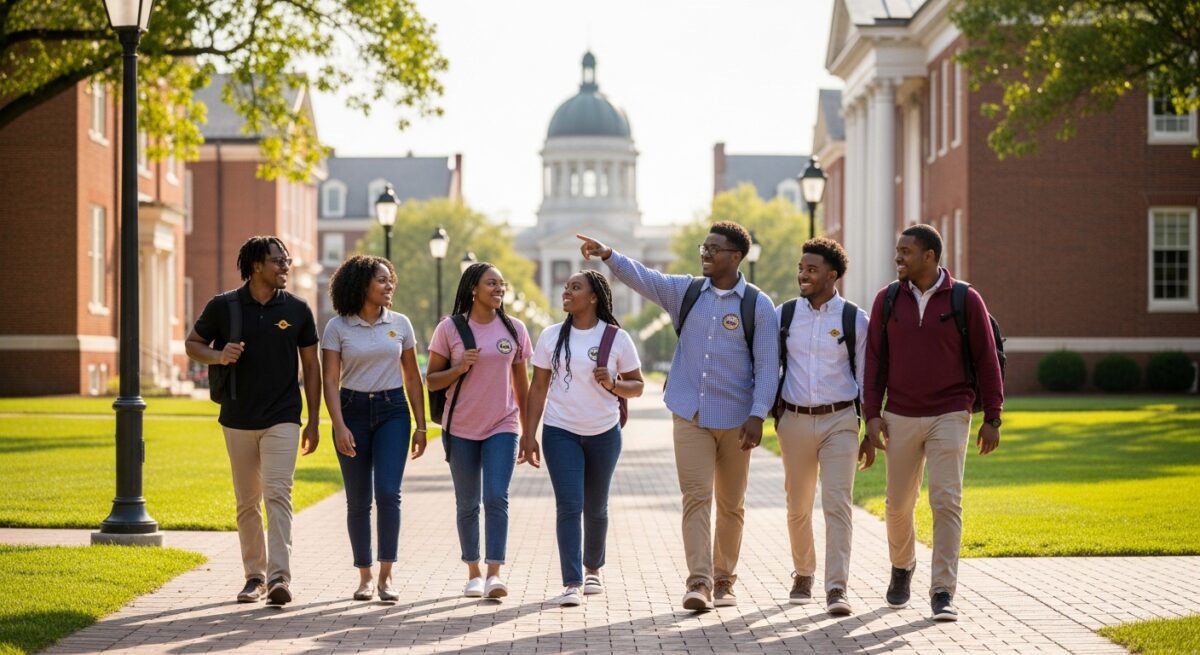
Choosing the right college for mechanical engineering is one of the most important decisions a future engineer can make. With thousands of programs across the United States, identifying the schools that combine rigorous academics, strong industry connections, and high return on investment can feel overwhelming. This guide cuts through the noise, presenting the top colleges for mechanical engineering based on accreditation, faculty expertise, research output, and graduate outcomes. Whether you are a high school student building your college list or a career changer seeking an advanced degree, these rankings provide a clear starting point for your journey.
Why Mechanical Engineering Is a Top Career Path
Mechanical engineering remains one of the most versatile and in-demand engineering disciplines. Graduates work in aerospace, automotive, robotics, energy, manufacturing, and biomedical fields. The U.S. Bureau of Labor Statistics projects steady growth for mechanical engineers, with a median annual salary well above the national average. This combination of job stability, earning potential, and intellectual challenge makes it a compelling choice for students who enjoy problem-solving and hands-on design.
Beyond salary, mechanical engineering offers the chance to work on transformative technologies: electric vehicles, renewable energy systems, medical devices, and space exploration. Top programs prepare students not only with theoretical knowledge but also with practical skills through lab work, co-ops, and research projects. As a result, graduates from elite mechanical engineering schools often command premium starting salaries and have access to exclusive recruiting pipelines.
Key Factors in Choosing the Best Program
Not all mechanical engineering programs are created equal. When evaluating schools, consider the following criteria to ensure the program aligns with your goals and budget.
- ABET Accreditation: Most licensed engineering positions require a degree from an ABET-accredited program. This ensures the curriculum meets industry standards.
- Research Opportunities: Undergraduate research experience boosts graduate school applications and provides hands-on learning. Look for schools with active labs and funding.
- Internship and Co-op Placement: Strong career services and partnerships with companies like Boeing, Tesla, and General Motors lead to valuable work experience.
- Faculty Expertise: Professors with industry experience and active research projects can mentor students and offer connections.
- Graduate Outcomes: Employment rates, starting salaries, and graduate school acceptance rates reflect the program’s effectiveness.
Each of these factors contributes to a program’s overall value. For instance, a school with a high starting salary may justify a higher tuition cost if it also offers strong financial aid. Prospective students should also consider location, campus culture, and class size. Visiting campuses and talking to current students can provide insight that rankings alone cannot capture. In our guide on Best Colleges for Mechanical Engineering Programs, we explain how to weigh these variables and find schools that match your priorities.
Top Colleges for Mechanical Engineering
The following institutions consistently rank among the best for mechanical engineering. They excel in research, teaching, and career preparation. While each has unique strengths, all share a commitment to producing skilled, innovative engineers.
- Massachusetts Institute of Technology (MIT): MIT’s mechanical engineering department is perennially ranked first. Students benefit from cutting-edge labs, a famous maker culture, and close ties to industries. Graduates often join top tech firms or pursue entrepreneurial ventures.
- Stanford University: Located in Silicon Valley, Stanford offers unparalleled access to tech startups and established companies like Apple and Google. The curriculum emphasizes design and innovation, and the school’s strong alumni network helps graduates land high-paying roles.
- California Institute of Technology (Caltech): With a low student-to-faculty ratio, Caltech provides intense, hands-on research experiences. It is ideal for students aiming for PhDs or careers in aerospace and robotics.
- Georgia Institute of Technology: Georgia Tech offers one of the best value propositions among top engineering schools. Its co-op program is among the largest in the nation, and graduates are highly sought after by employers in manufacturing, automotive, and defense.
- University of Michigan–Ann Arbor: Michigan’s mechanical engineering program is known for its breadth, covering everything from biomechanics to sustainable energy. The school’s strong automotive and manufacturing partnerships provide robust internship pipelines.
These five schools represent the pinnacle of mechanical engineering education. However, many other excellent programs offer specialized strengths. For example, Purdue University and the University of Illinois Urbana-Champaign have top-tier programs with strong industry ties. Students should also consider state schools that offer in-state tuition without sacrificing quality. Many of these programs provide the same rigorous training as private institutions at a fraction of the cost.
How to Strengthen Your Application
Admission to top mechanical engineering colleges is competitive. To stand out, focus on building a strong academic record in math and science, especially calculus and physics. Participate in engineering-related extracurriculars such as robotics clubs, science fairs, or maker projects. Internships and summer programs at universities or companies also demonstrate commitment. Standardized test scores, while less emphasized at some schools, still matter at many top programs. Finally, write a compelling personal statement that connects your experiences to your passion for engineering. For students who need flexible learning options, many schools now offer online or hybrid paths; for example, DegreeOnline.Education provides flexible options for working professionals seeking accredited mechanical engineering degrees.

Career Outlook for Mechanical Engineers
The job market for mechanical engineers remains strong. According to the BLS, employment is expected to grow 10% from 2022 to 2032, faster than the average for all occupations. Emerging fields such as electric vehicle design, additive manufacturing, and renewable energy are driving demand. Mechanical engineers also work in traditional sectors like HVAC, automotive, and industrial machinery. Median annual wages exceed $96,000, with top earners in aerospace and research reaching over $150,000. Graduates from top colleges often see even higher starting salaries, with MIT and Stanford averages near $80,000 to $90,000. Furthermore, mechanical engineering provides a strong foundation for careers in management, law, and medicine. Many engineering graduates pursue MBA or JD degrees, leveraging their technical background in business or patent law.
Frequently Asked Questions
What is the best college for mechanical engineering in the US?
MIT is widely regarded as the best, followed by Stanford, Caltech, Georgia Tech, and University of Michigan. However, the best college for you depends on your career goals, budget, and learning style.
Do I need an ABET-accredited program?
Yes, if you plan to become a licensed professional engineer (PE) or work in industries that require PE licensure. Most top programs are ABET-accredited.
Can I study mechanical engineering online?
Yes, many reputable schools offer online bachelor’s and master’s degrees in mechanical engineering. Ensure the program is ABET-accredited and provides hands-on lab components, either through virtual labs or on-campus intensives.
How much do mechanical engineers make right after college?
Starting salaries vary by school and location. Graduates from top colleges may earn $75,000 to $95,000. National average starting salaries for mechanical engineers are around $65,000.
What is the hardest part of studying mechanical engineering?
The curriculum is demanding, with heavy math, physics, and design courses. Time management and study groups are essential. Many students also find senior capstone projects challenging but rewarding.
Choosing from the top colleges for mechanical engineering is a significant step toward a rewarding career. By focusing on accreditation, research opportunities, and career support, you can find a program that fits your aspirations and budget. The schools highlighted here represent the best of what mechanical engineering education offers, but remember that your own drive and curiosity matter just as much as the name on your diploma. Start your research early, visit campuses, and connect with alumni to make an informed decision that will launch your engineering future.