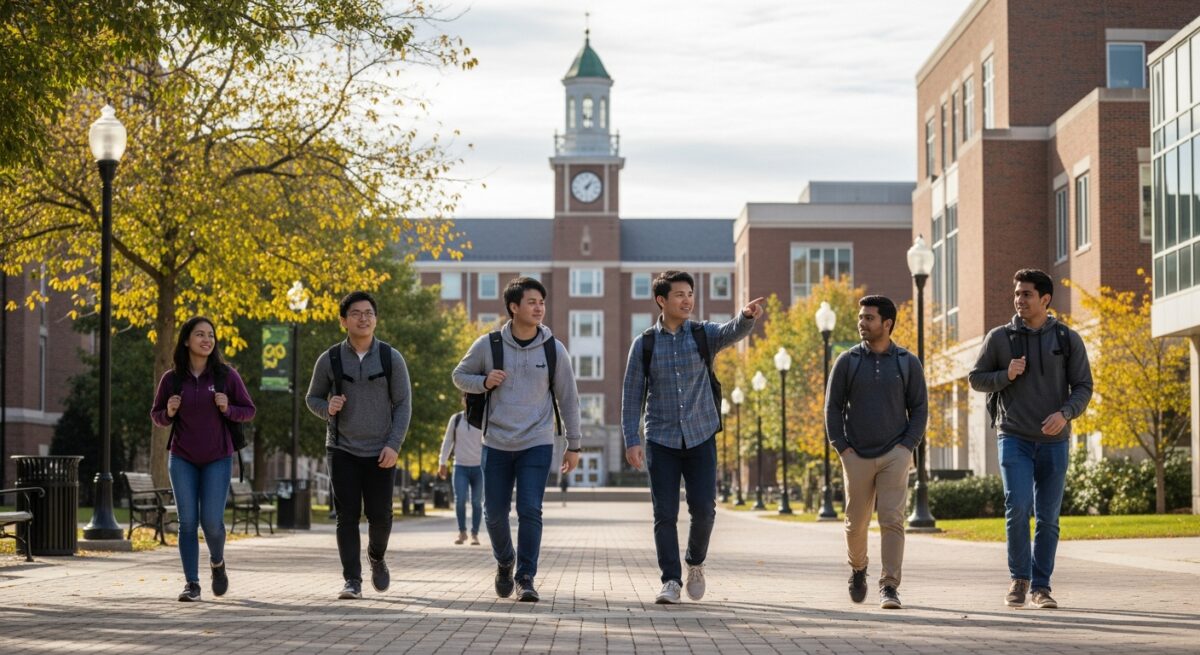
Choosing the right college is one of the most significant decisions a student can make. For many, the State University of New York (SUNY) system offers an attractive mix of academic rigor, affordability, and diverse campus experiences. With 64 institutions ranging from research universities to community colleges, finding the best fit requires careful research. This guide provides a clear ranking of SUNY schools, helping you compare programs, costs, and outcomes to make an informed choice.
Why SUNY Schools Stand Out in Higher Education
The SUNY system is the largest comprehensive public university system in the United States, enrolling nearly 400,000 students across New York. Its strength lies in its variety: you can attend a flagship research university like Stony Brook, a liberal arts college like Geneseo, or a specialized institute like the Fashion Institute of Technology. This breadth means that SUNY schools ranked highly for engineering, business, nursing, and the arts all exist under one system. For students seeking value, SUNY offers in-state tuition rates that are significantly lower than private institutions while maintaining high academic standards. The system also excels in providing pathways from associate degrees to bachelor’s programs, making it a smart choice for career changers and budget-conscious families.
Top SUNY Schools Ranked for 2026
Rankings depend on factors like graduation rates, faculty resources, student satisfaction, and post-graduation earnings. Based on the latest data from U.S. News & World Report and other academic sources, here are the top SUNY schools ranked for overall academic excellence.
1. Stony Brook University
Stony Brook consistently ranks as the top SUNY school nationally. Located on Long Island, it is a flagship research institution with strong programs in health sciences, engineering, and computer science. Its acceptance rate hovers around 45%, and it boasts a six-year graduation rate of 78%. Stony Brook is also home to a renowned medical center and the Simons Center for Geometry and Physics. Students benefit from research opportunities typically found at private universities but at a public school price.
2. Binghamton University
Binghamton University is often called the “public Ivy” of the SUNY system. It offers a rigorous liberal arts core combined with top-tier professional schools in management, nursing, and engineering. With a graduation rate of 83%, Binghamton attracts high-achieving students. Its Harpur College of Arts and Sciences is particularly strong, and the campus community is known for its collaborative atmosphere. For students seeking a balance between research and teaching, Binghamton is a top contender among SUNY schools ranked for undergraduate education.
3. University at Buffalo (UB)
As the largest SUNY school by enrollment, the University at Buffalo offers extensive resources and diversity. UB is a member of the prestigious Association of American Universities (AAU), placing it among the top research universities in North America. Its programs in architecture, pharmacy, and law are highly regarded. UB’s size means a wide range of extracurriculars and a vibrant campus life. The university also has a strong focus on experiential learning, with many students completing internships or research projects before graduation.
4. SUNY College of Environmental Science and Forestry (ESF)
Located in Syracuse, ESF is a specialized institution that focuses on the environment, natural resources, and sustainability. It is the only college of its kind in the SUNY system and consistently ranks among the top environmental schools in the nation. Students benefit from hands-on learning in the Adirondacks and partnerships with nearby Syracuse University. ESF is ideal for students passionate about conservation, renewable energy, or landscape architecture.
5. SUNY Geneseo
Geneseo is a public liberal arts college that offers a personalized education experience. With an average class size of 24 students, it emphasizes faculty-student interaction and undergraduate research. Geneseo is known for its strong programs in education, business, and the sciences. It also has a high retention rate, indicating strong student satisfaction. For students who want the feel of a small private college without the cost, Geneseo is one of the best SUNY schools ranked for teaching quality.
How SUNY Rankings Are Determined
Understanding the methodology behind SUNY rankings helps you interpret the data correctly. Most national rankings consider the following weighted factors:
- Graduation and retention rates (22%): Measures how many students return for sophomore year and complete degrees within six years.
- Faculty resources (20%): Includes class sizes, faculty salaries, and the percentage of full-time professors.
- Expert opinion (20%): Surveys of university presidents, provosts, and admissions directors.
- Financial resources (10%): Per-student spending on instruction, research, and student services.
- Student selectivity (7%): SAT/ACT scores, high school class rank, and acceptance rates.
- Alumni giving (5%): Percentage of alumni who donate, reflecting satisfaction.
Keep in mind that a school ranked lower overall might still be the best choice for your specific major. For example, SUNY Maritime College might not appear in the top 10 overall but is one of the best for marine engineering and logistics. Always cross-reference SUNY schools ranked by program strength with your career goals.

Affordability and Value of SUNY Schools
A major advantage of SUNY is cost. In-state tuition for bachelor’s programs averages around $7,000 per year, far below the national private average of $38,000. The SUNY system also offers the Excelsior Scholarship, which covers tuition for families earning under $125,000. Additionally, many SUNY schools ranked for value provide generous financial aid packages. For instance, SUNY Oneonta and SUNY New Paltz combine low tuition with strong career placement services. When comparing costs, factor in housing, meal plans, and fees, which can add $15,000 to $20,000 annually. However, even with these costs, SUNY remains a smart financial investment. Graduates from top SUNY schools earn median salaries of $55,000 to $65,000 within five years, offering a strong return on investment.
Choosing the Right SUNY School for Your Major
Your major should heavily influence your choice among SUNY schools. Here are some recommendations based on program strength:
- Engineering and Computer Science: Stony Brook, Binghamton, UB, and SUNY Polytechnic Institute.
- Business and Management: Binghamton (School of Management), UB, and SUNY Geneseo.
- Nursing and Health Sciences: Stony Brook, UB, SUNY Downstate Health Sciences University, and SUNY Brockport.
- Fine Arts and Design: Fashion Institute of Technology (FIT), SUNY Purchase, and SUNY New Paltz.
- Education: SUNY Geneseo, SUNY Cortland, and SUNY Oneonta.
- Environmental Sciences: SUNY ESF, SUNY Plattsburgh, and Stony Brook (School of Marine and Atmospheric Sciences).
Visiting campuses and talking to current students is invaluable. Many SUNY schools offer open houses and virtual tours. Use the SUNY system’s website to compare programs side-by-side. For a broader perspective on how SUNY schools compare to other institutions, check our guide on how top Ivy League schools ranked for 2026 to see how public and private options measure up.
Frequently Asked Questions About SUNY Schools Ranked
What is the #1 SUNY school overall?
Stony Brook University is generally considered the top-ranked SUNY school based on national university rankings, research output, and graduation rates.
Which SUNY school has the highest graduation rate?
Binghamton University has the highest six-year graduation rate among SUNY schools at approximately 83%.
Are SUNY schools hard to get into?
Admissions vary widely. Stony Brook and Binghamton are selective, with acceptance rates around 40-45%. Other schools like SUNY Cobleskill or SUNY Canton have open admissions policies for most programs.
Can I transfer between SUNY schools easily?
Yes. The SUNY system has a seamless transfer agreement that allows credits to transfer between campuses. Many students start at a community college and finish at a four-year SUNY school.
What is the best SUNY school for online degrees?
SUNY offers many online programs through SUNY Online. Top picks include SUNY Empire State College for flexible degrees and UB for graduate programs.
Final Thoughts on SUNY Rankings
Ultimately, the best SUNY school for you depends on your academic interests, career goals, and personal preferences. Rankings provide a useful starting point, but they should not be the only factor in your decision. Visit campuses, review program curricula, and speak with admissions counselors. The SUNY system offers exceptional value and quality across its 64 campuses. By focusing on SUNY schools ranked highly in your specific field, you can find a path that leads to both academic success and financial stability. For more tools to compare programs and discover affordable degrees, explore our resources on finding the right online degree program to complement your search.