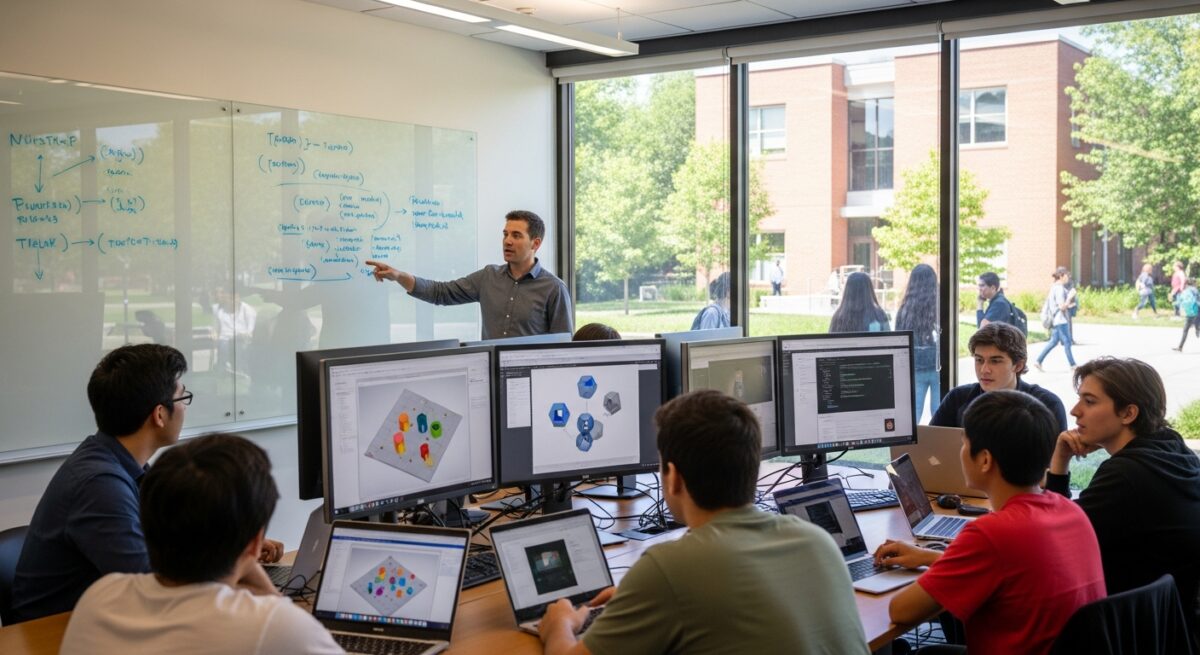
Choosing where to earn a computer science degree is one of the most consequential decisions a student can make. The field continues to dominate the job market with high starting salaries, strong demand across industries, and opportunities to shape the future through technology. Yet not all programs deliver the same outcomes. The best undergraduate computer science schools combine rigorous theory with hands-on practice, strong industry connections, and pathways to research or employment. This article examines what makes a program exceptional, which institutions consistently rank at the top, and how to select a school that aligns with your career goals and personal circumstances.
What Defines a Top Computer Science Program
Rankings and reputation matter, but they only tell part of the story. A truly outstanding undergraduate computer science program offers more than prestige. It provides a curriculum that balances foundational theory in algorithms, data structures, and systems design with practical application through project-based learning, internships, and capstone experiences. The best computer science colleges also invest in modern labs, research opportunities for undergraduates, and career services that connect students with top employers.
Faculty quality is another critical factor. Programs with professors who are active researchers and industry practitioners expose students to cutting-edge developments and mentorship. Class size matters too. Smaller sections allow for deeper engagement and personalized feedback, especially in upper-level courses. Accreditation from ABET or similar bodies signals that the program meets established standards for curriculum and outcomes. When evaluating schools, look for these elements alongside traditional metrics like graduation rates and placement statistics.
Location and alumni network also play significant roles. Schools in technology hubs such as Silicon Valley, Seattle, Boston, or Austin offer proximity to internships, career fairs, and networking events. Strong alumni networks can open doors to jobs at companies like Google, Microsoft, Amazon, and Apple. For students who prefer online or hybrid options, some accredited programs now deliver comparable rigor through virtual labs and remote internships. In our guide on Computer Science Rankings Guide for Top Programs, we explain how to weigh these factors systematically.
Top Undergraduate Computer Science Schools Ranked by Outcomes
Several universities consistently appear at the top of national rankings for undergraduate computer science. Their reputations are built on decades of research output, successful alumni, and strong industry partnerships. However, the “best” school for one student may not be the best for another. The following list highlights institutions known for excellence, along with what makes each unique.
Massachusetts Institute of Technology (MIT)
MIT’s Electrical Engineering and Computer Science (EECS) department is widely regarded as one of the best in the world. The curriculum emphasizes mathematical rigor, algorithmic thinking, and hands-on project work. Students can participate in the Undergraduate Research Opportunities Program (UROP), which pairs them with faculty on real research projects. MIT also boasts strong ties to the Boston-Cambridge tech ecosystem, providing abundant internship and job opportunities. The acceptance rate is extremely low, making it highly selective.
Stanford University
Stanford’s computer science program benefits from its location in the heart of Silicon Valley. The curriculum offers flexibility with multiple tracks including artificial intelligence, systems, theory, and human-computer interaction. Stanford encourages entrepreneurship through courses, startup incubators, and connections to venture capital. Students often launch companies while still enrolled. The collaborative culture and access to industry leaders make Stanford a top choice for those interested in innovation and leadership.
Carnegie Mellon University (CMU)
Carnegie Mellon’s School of Computer Science is renowned for its interdisciplinary approach and focus on artificial intelligence, robotics, and software engineering. CMU offers distinct undergraduate degrees in computer science, computational biology, and artificial intelligence. The school’s strong research culture and partnerships with companies like Google and Uber provide students with cutting-edge projects and internships. Pittsburgh’s growing tech scene adds to the appeal.
University of California, Berkeley
Berkeley’s Electrical Engineering and Computer Sciences (EECS) program is consistently ranked among the top public universities for computer science. The curriculum is rigorous and research-oriented, with opportunities to work in labs focusing on machine learning, security, and systems. Berkeley’s location in the San Francisco Bay Area provides access to a vast network of tech companies. The large student body means classes can be big, but the quality of instruction and resources is high.
California Institute of Technology (Caltech)
Caltech offers a small, intensive computer science program within a world-class research environment. The low student-to-faculty ratio allows for close mentorship and collaboration. Caltech’s strengths lie in algorithms, quantum computing, and systems. Students often pursue graduate studies or research careers. The Pasadena location provides access to the broader Southern California tech scene.

Factors to Consider When Choosing a Program
Rankings are helpful, but personal fit matters more. Before committing to a school, evaluate these key areas:
- Curriculum and Specializations: Does the program offer tracks or electives in your areas of interest such as cybersecurity, data science, or game development? Look for flexibility to explore before declaring a focus.
- Internship and Co-op Opportunities: Strong career services and partnerships with companies can lead to paid internships that build your resume and provide income. Some schools have co-op programs that alternate semesters of work and study.
- Cost and Financial Aid: Tuition varies widely between private and public institutions. Consider total cost of attendance including housing and fees. Explore scholarships, grants, and work-study options. Some students find that a lower-cost state school with a strong program offers better return on investment.
- Campus Culture and Support: Visit campuses or attend virtual events to gauge the environment. Look for student organizations, hackathons, and tutoring resources. A supportive community can make a significant difference in your success.
- Graduate Outcomes: Research placement rates for top tech companies and graduate school admission rates. Many schools publish this data on their websites or through the university’s career center.
Financial considerations are particularly important. Many students overlook the value of scholarships and grants that can reduce debt. For those seeking additional funding options, scholarship.education provides resources to find awards based on merit, need, or specific fields of study. Applying early and widely can significantly lower the cost of attendance.
Accreditation and Program Quality
Accreditation ensures that a program meets established academic standards. For computer science, the most recognized accreditation is from ABET’s Computing Accreditation Commission (CAC). While not all top programs seek ABET accreditation, it is a valuable signal of quality, especially for students who may transfer credits or pursue professional certifications. Regional accreditation of the university itself is also essential for federal financial aid eligibility and credit transfer.
When researching schools, verify accreditation status on the institution’s website or through the Council for Higher Education Accreditation (CHEA). Some employers and graduate programs prefer candidates from ABET-accredited programs. However, many renowned schools like MIT and Stanford do not pursue ABET accreditation for their computer science programs because their reputations and outcomes speak for themselves. The key is to ensure the program has a track record of producing successful graduates.
Frequently Asked Questions
What is the difference between a BS and a BA in computer science?
A Bachelor of Science (BS) typically requires more math, science, and technical courses, while a Bachelor of Arts (BA) allows more room for electives in humanities or social sciences. Both can lead to similar career opportunities, but the BS is often preferred for technical roles in software engineering or research. The BA can be a good fit for students who want to combine CS with another field like design, business, or psychology.
How important is the school’s ranking for getting a job?
Rankings can help with initial resume screening, but skills, experience, and networking matter more. Graduates from less prestigious schools often land excellent jobs if they have strong portfolios, internships, and referrals. The best undergraduate computer science schools provide advantages in recruitment and alumni networks, but individual effort remains the primary driver of success.
Can I study computer science online and still get a good education?
Yes. Many accredited universities offer online BS in computer science programs that are identical in curriculum to on-campus versions. Examples include Oregon State University, University of Florida, and Arizona State University. Online programs offer flexibility for working students and can be more affordable. However, they require self-discipline and may lack some networking opportunities. Hybrid programs that combine online coursework with in-person labs or internships are also available.
What are the highest-paying careers for computer science graduates?
Software engineer, data scientist, machine learning engineer, and cybersecurity analyst are among the highest-paying roles. According to the Bureau of Labor Statistics, median salaries for these positions range from $100,000 to $130,000 per year, with top earners exceeding $200,000. Salaries vary by location, company size, and experience level. Graduates from top programs often command higher starting salaries due to brand recognition and recruitment pipelines.
The landscape of undergraduate computer science education continues to evolve. New programs emerge at state universities and online providers, while established schools expand their offerings. The best approach is to research thoroughly, visit campuses when possible, and speak with current students or alumni. Remember that your success depends more on your dedication and curiosity than on the name of the institution. Choose a school where you can thrive academically, build meaningful connections, and develop skills that will serve you throughout your career.