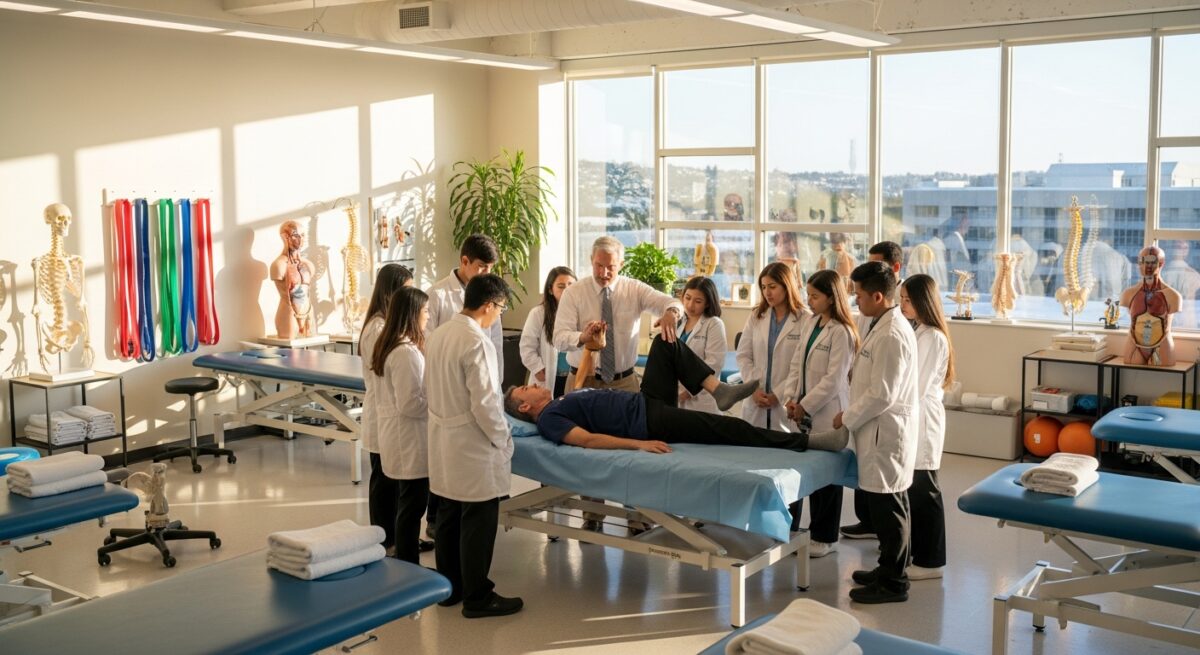
Choosing the right institution for a career in physical therapy is one of the most important decisions a future healthcare professional will make. The field demands rigorous academic preparation, hands-on clinical experience, and a deep understanding of human movement and rehabilitation. With hundreds of programs available across the United States, prospective students often feel overwhelmed by the options. This guide cuts through the noise by focusing on what truly matters: program accreditation, clinical rotation quality, faculty expertise, and graduate outcomes. Whether you are a high school student mapping out a pre-physical therapy path or a career changer seeking a Doctor of Physical Therapy (DPT) degree, understanding how to evaluate the best colleges for physical therapy will save you time, money, and frustration.
The demand for physical therapists continues to grow as the population ages and the emphasis on non-invasive treatment increases. According to the Bureau of Labor Statistics, employment of physical therapists is projected to grow 15 percent from 2022 to 2032, much faster than the average for all occupations. This growth translates into strong job security and competitive salaries for graduates of top-tier programs. However, not all physical therapy programs are created equal. The best programs offer a blend of cutting-edge research opportunities, diverse clinical placements, and strong board exam pass rates. In this article, we explore the key factors to consider when selecting a program, highlight several highly regarded institutions, and provide actionable steps to strengthen your application.
What Makes a Physical Therapy Program Stand Out
When evaluating the best colleges for physical therapy, accreditation is the first and most critical factor. The Commission on Accreditation in Physical Therapy Education (CAPTE) is the only accrediting body recognized by the U.S. Department of Education for physical therapy programs. Graduating from a CAPTE-accredited program is a prerequisite for taking the National Physical Therapy Examination (NPTE) and obtaining licensure in any state. Without CAPTE accreditation, a degree may not lead to licensure, making the entire educational investment worthless. Always verify a program’s accreditation status on the CAPTE website before applying.
Beyond accreditation, several other metrics distinguish exceptional programs from average ones. First, look at the first-time pass rate on the NPTE. Programs with consistently high pass rates (90 percent or above) demonstrate that their curriculum effectively prepares students for the licensure exam. Second, consider the breadth and depth of clinical education opportunities. The best programs have partnerships with major hospitals, outpatient clinics, sports medicine centers, and rehabilitation facilities, allowing students to gain experience in multiple settings. Third, faculty credentials matter. Programs with faculty who are active researchers, published authors, and leaders in specialized areas like orthopedics, neurology, or pediatrics provide richer learning experiences and networking opportunities.
Top-Ranked Physical Therapy Programs in the United States
Several universities consistently rank among the best colleges for physical therapy due to their comprehensive curricula, outstanding clinical training, and strong alumni networks. While rankings should not be the sole factor in your decision, they provide a useful starting point for research. Below are some of the most respected programs in the country, each with unique strengths.
University of Southern California (USC)
The USC Division of Biokinesiology and Physical Therapy is widely regarded as one of the top programs in the nation. USC offers a three-year DPT program that integrates foundational sciences with clinical practice from the first semester. Students benefit from the USC Health Sciences Campus, which includes the Keck School of Medicine and multiple teaching hospitals. The program emphasizes research, with opportunities to work in state-of-the-art labs focused on movement science, rehabilitation engineering, and motor control. USC graduates consistently achieve NPTE pass rates above 95 percent, and the school boasts strong connections with leading healthcare systems in Southern California.
Washington University in St. Louis
Washington University’s Program in Physical Therapy is another elite choice. The program is part of the university’s School of Medicine, giving students access to world-class medical faculty and clinical facilities. The DPT curriculum includes early patient exposure through the Clinical Partners Program, where students work with licensed physical therapists in community settings. WashU also offers a unique dual-degree option, allowing students to earn a DPT along with a PhD in Movement Science or a Master of Public Health. Research opportunities are abundant, particularly in areas such as balance and fall prevention, pediatric rehabilitation, and pain science.
University of Pittsburgh
The University of Pittsburgh’s Department of Physical Therapy and Rehabilitation Science is consistently ranked among the top five programs in the country. Pitt’s DPT program is known for its strong emphasis on evidence-based practice and interprofessional education. Students take courses alongside medical, nursing, and pharmacy students, preparing them for collaborative healthcare environments. The program also offers a unique Pro Bono Clinic, where students provide free physical therapy services to underserved populations under faculty supervision. This hands-on experience not only builds clinical skills but also instills a sense of social responsibility. Pittsburgh’s network of clinical affiliates includes the UPMC health system, one of the largest and most respected in the nation.
Duke University
Duke University’s Doctor of Physical Therapy program is renowned for its small class size and personalized mentorship. The program admits only about 50 students per year, ensuring close interaction with faculty and ample clinical exposure. Duke’s curriculum is structured around four pillars: clinical excellence, leadership, research, and community engagement. Students complete clinical rotations in diverse settings, including Duke University Medical Center, community clinics, and international sites. The program also requires a capstone research project, giving students the chance to contribute to the field’s knowledge base. Duke graduates are highly sought after by employers, particularly in the Southeast.
Factors to Consider Beyond Rankings
While the programs listed above are excellent, the best college for you depends on your personal circumstances, career goals, and learning preferences. For example, if you are a veteran or military student, you may want to explore institutions that offer strong support services and participate in the Yellow Ribbon Program. In our guide on Best Colleges for Veterans and Military Students in 2026, we explain how to maximize your education benefits while pursuing a healthcare career. Many physical therapy programs have dedicated veteran liaisons and offer credit for military medical training, which can shorten your time to degree completion.
Another important factor is location. Some students prefer urban programs with access to multiple hospital systems and diverse patient populations. Others thrive in smaller college towns where the cost of living is lower and the campus community is tight-knit. Consider where you want to practice after graduation. Many physical therapy programs have strong regional reputations, and clinical rotations often lead to job offers at the same facilities. If you know you want to work in a specific state or city, choosing a program in that area can give you a significant advantage in the job market.
Cost is also a major consideration. DPT programs can be expensive, with total tuition ranging from $60,000 to over $120,000. Public universities often offer lower tuition for in-state residents. Additionally, some programs offer graduate assistantships, scholarships, or tuition reimbursement through employer partnerships. Be sure to calculate the total cost of attendance, including fees, books, and living expenses, before making a decision. The return on investment for a physical therapy career is generally strong, but excessive student debt can strain your finances for years after graduation.

How to Strengthen Your Application
Gaining admission to the best colleges for physical therapy requires careful planning and a strong application. Most DPT programs require a bachelor’s degree with prerequisite courses in biology, chemistry, physics, anatomy, and physiology. Many programs also require the Graduate Record Examination (GRE), though an increasing number are waiving this requirement. Beyond academic metrics, programs look for evidence of commitment to the field through observation hours, volunteer work, and relevant experience.
Here are three essential steps to build a competitive application:
- Accumulate observation hours in multiple settings. Most programs require a minimum of 100 to 200 hours of observation under a licensed physical therapist. Seek experience in different environments such as hospitals, outpatient clinics, skilled nursing facilities, and sports medicine centers. This diversity demonstrates your understanding of the profession’s breadth.
- Secure strong letters of recommendation. Choose recommenders who know you well and can speak to your academic abilities, work ethic, and interpersonal skills. A letter from a physical therapist you observed is particularly valuable, as it provides an external validation of your readiness for the profession.
- Write a compelling personal statement. Your essay should explain why you want to become a physical therapist, highlighting specific experiences that shaped your decision. Avoid generic statements. Instead, tell a story that illustrates your passion for helping others recover function and improve their quality of life.
After submitting your applications, prepare for interviews. Many top programs use multiple mini-interviews (MMIs) or traditional panel interviews to assess candidates. Practice answering questions about ethical dilemmas, teamwork, and your motivation for pursuing physical therapy. Being well-prepared can significantly increase your chances of acceptance.
Alternative Pathways: Online and Hybrid DPT Programs
For students who need flexibility due to work, family, or geographic constraints, online and hybrid DPT programs are becoming more common. These programs combine online coursework with intensive on-campus labs and clinical rotations. While fully online DPT programs are rare due to the hands-on nature of the field, several reputable universities offer hybrid models. For example, the University of St. Augustine for Health Sciences and South College offer hybrid DPT programs that allow students to complete most didactic work remotely while attending on-campus immersions for labs and skills assessments. These programs are ideal for career changers who cannot relocate for two to three years. However, it is essential to verify that any online or hybrid program you consider is CAPTE-accredited. Graduates of non-accredited programs cannot sit for the NPTE, making the degree worthless for licensure. Always check the program’s accreditation status before enrolling.
For more information on how to evaluate different types of programs and find schools that match your needs, visit CollegeDegrees.School for comprehensive resources on degree pathways and educational opportunities.
Frequently Asked Questions
What undergraduate degree is best for physical therapy school?
While no specific major is required, most DPT programs expect prerequisite courses in biology, chemistry, physics, anatomy, and physiology. Common undergraduate majors include exercise science, kinesiology, biology, and psychology. Choose a major that you enjoy and that allows you to complete all prerequisites with a strong GPA.
How long does it take to become a physical therapist?
Typically, it takes about seven years: four years for a bachelor’s degree and three years for a DPT program. Some programs offer accelerated pathways, such as 3+3 programs where students complete three years of undergraduate study followed by three years of professional study. Additionally, some students choose to complete a clinical residency after graduation, which adds one to two years of specialized training.
Is physical therapy school harder than medical school?
Both are demanding, but they differ in focus. Physical therapy programs emphasize musculoskeletal and neurological rehabilitation, while medical school covers a broader range of diseases and treatments. DPT programs are rigorous and require strong performance in science courses, but they are generally shorter than medical school (three years versus four years plus residency).
Can I work while attending physical therapy school?
Most DPT programs are full-time and require a significant time commitment, making part-time work challenging. Many students rely on loans, scholarships, or savings to cover living expenses. Some programs offer work-study opportunities or graduate assistantships that provide a small stipend in exchange for research or teaching assistance.
Final Thoughts
Selecting from the best colleges for physical therapy is a personal journey that requires careful research and self-reflection. The programs highlighted in this article represent some of the finest in the nation, but the right choice depends on your unique goals, budget, and circumstances. Start early, visit campuses if possible, and talk to current students and alumni to get a genuine sense of the program culture. Remember that accreditation, clinical training quality, and board exam pass rates are non-negotiable factors. With thoughtful planning and a strong application, you can gain admission to a program that will launch a rewarding career helping others move better and live fuller lives. The effort you invest today will pay dividends for decades to come.