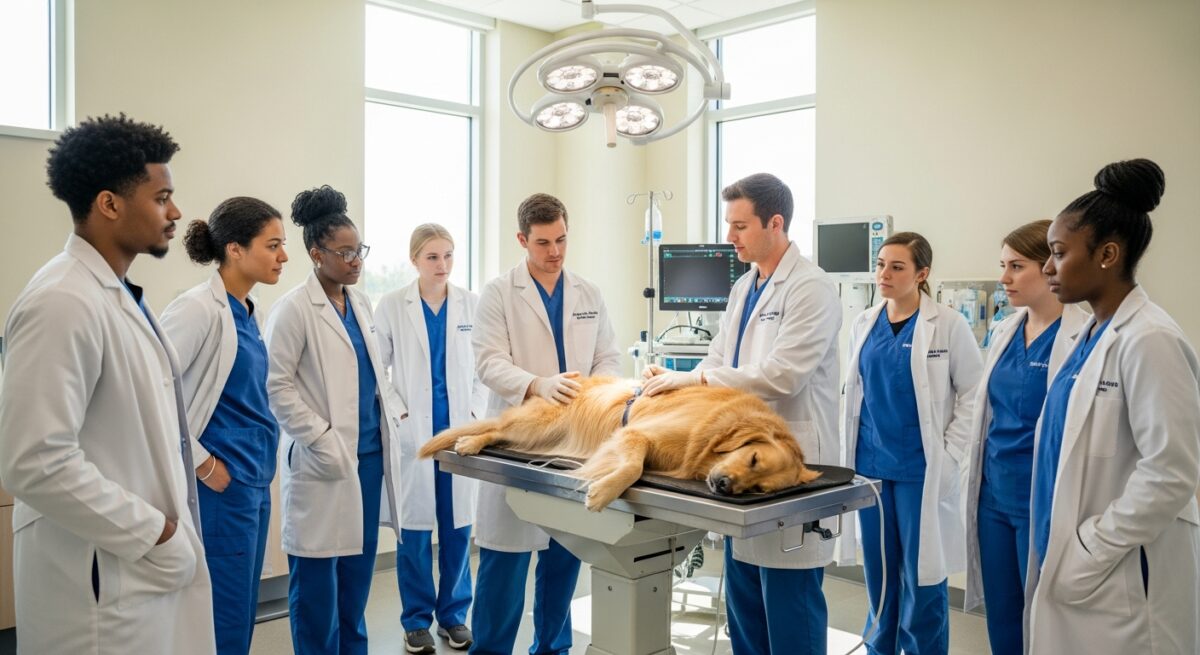
For students passionate about animal health and science, the path to becoming a veterinarian begins with selecting the right educational foundation. Animal science students often find that their undergraduate major provides a strong base for veterinary school, but the critical decision remains: which graduate programs offer the best preparation, resources, and career outcomes? The landscape of veterinary education includes prestigious institutions known for research, clinical training, and specialized fields. This article explores the top programs and provides a framework for making this important choice.
What Makes a Veterinary School Stand Out
When evaluating veterinary colleges, prospective students should look beyond rankings. The best veterinary schools for animal science students combine rigorous academics with hands-on clinical experience. Accreditation by the American Veterinary Medical Association (AVMA) is non-negotiable, as it ensures the program meets national standards. Beyond that, factors such as faculty expertise, research opportunities, hospital facilities, and location play a significant role.
Another critical element is the school’s focus areas. Some institutions excel in small animal medicine, while others have strengths in equine care, livestock health, or wildlife conservation. Animal science students with a specific career goal should prioritize schools that align with their interests. For example, a student aiming to work with zoo animals might choose a program with a strong wildlife medicine track, while someone interested in food animal practice would benefit from a school with extensive livestock facilities.
Financial considerations are equally important. Veterinary school is a significant investment, and tuition costs vary widely between public and private institutions. In-state tuition at public universities can substantially reduce debt, but some private schools offer generous scholarships. Students should research the total cost of attendance and available financial aid options early in the process.
Top Veterinary Schools in the United States
Several institutions consistently rank among the best veterinary schools for animal science students. These programs are recognized for their academic excellence, research output, and clinical training. Below is a list of notable schools, each with unique strengths.
- Cornell University College of Veterinary Medicine (Ithaca, New York): Known for its strong research programs and a dual-degree DVM/PhD option. Cornell offers exceptional facilities and a focus on comparative medicine.
- University of California, Davis School of Veterinary Medicine (Davis, California): Often ranked number one in the world, UC Davis excels in clinical specialties, wildlife health, and veterinary teaching hospital services.
- Colorado State University College of Veterinary Medicine and Biomedical Sciences (Fort Collins, Colorado): A leader in infectious disease research and equine medicine. CSU has a strong emphasis on community practice and shelter medicine.
- University of Pennsylvania School of Veterinary Medicine (Philadelphia, Pennsylvania): Penn Vet is renowned for its advanced clinical care and research in oncology, cardiology, and neurology. It operates two major teaching hospitals.
- North Carolina State University College of Veterinary Medicine (Raleigh, North Carolina): NC State offers strong programs in comparative medicine and translational research. Its teaching hospital is highly regarded for small animal care.
These institutions represent the gold standard in veterinary education. However, the best choice depends on individual goals. A student focused on large animal practice might find that schools like Kansas State University or Texas A&M University offer superior hands-on experience with cattle and horses. Similarly, students interested in public health or epidemiology could consider programs with strong ties to the CDC or USDA.
How Animal Science Students Can Prepare for Veterinary School
Admission to veterinary school is highly competitive. Animal science students can strengthen their applications by focusing on several key areas. First, maintaining a high GPA, particularly in science prerequisites such as biology, chemistry, physics, and animal physiology, is essential. Most schools require a minimum GPA of 3.0, but successful applicants often have a 3.5 or higher.
Second, gaining diverse animal experience is crucial. Veterinary schools expect applicants to have documented hours working with animals under the supervision of a veterinarian. This can include shadowing, internships, or employment at clinics, farms, shelters, or zoos. Animal science students should start accumulating these hours early in their undergraduate careers.
Third, strong letters of recommendation from veterinarians and science professors can significantly boost an application. Students should build relationships with mentors who can speak to their skills and dedication. Finally, a compelling personal statement that conveys passion for veterinary medicine and specific career goals is vital.
For more detailed advice on selecting and applying to programs, readers can explore our guide on Top Veterinary Schools: How to Choose the Best College for You. This resource provides additional insights into the application process and program selection.
Specialized Programs and Emerging Trends
Veterinary medicine is evolving rapidly. The best veterinary schools for animal science students are those that adapt to new challenges and technologies. One emerging trend is the integration of telemedicine into veterinary practice. Schools are now offering courses on virtual consultations and remote monitoring. Another trend is the focus on One Health, an approach that recognizes the connection between human, animal, and environmental health. Schools like the University of Florida and Ohio State University have strong One Health initiatives.
Specialization is also becoming more common. Many veterinary colleges offer residency programs in fields such as veterinary dentistry, dermatology, surgery, and emergency care. Animal science students who know their desired specialty can choose schools with corresponding residency programs. Additionally, dual-degree programs (DVM/PhD, DVM/MPH) are growing in popularity for students interested in research or public health careers.

Another important development is the increasing emphasis on mental health and wellness. Veterinary professionals face high rates of burnout and compassion fatigue. Progressive schools now incorporate wellness training into their curricula and provide counseling services for students. When evaluating programs, prospective students should ask about mental health resources and the school’s culture.
International Options and Online Considerations
While most animal science students choose U.S. veterinary schools, international options exist. Schools in the United Kingdom, Australia, Canada, and the Caribbean offer AVMA-accredited programs. For example, the Royal Veterinary College in London and the University of Melbourne are well-respected. However, international programs often have higher tuition and additional licensing requirements for practice in the United States.
Online veterinary schools are rare, as clinical training requires in-person experience. However, some schools offer hybrid programs for certain coursework. For animal science students seeking flexibility, online graduate certificates in animal science or veterinary public health can supplement their education. These programs are not substitutes for a DVM degree but can enhance knowledge in specific areas.
Students should also consider the CollegeDegree.School resource for finding accredited programs and understanding degree pathways. This platform provides comprehensive information on educational opportunities, including online options and career planning tools.
Frequently Asked Questions
What undergraduate major is best for veterinary school?
Animal science is a popular and relevant major, but any major that covers prerequisite courses (biology, chemistry, physics, math) is acceptable. Many successful applicants have degrees in biology, zoology, or biochemistry. The key is completing required coursework and gaining animal experience.
How many veterinary schools are there in the United States?
There are 33 AVMA-accredited veterinary schools in the United States. This number includes both public and private institutions. Some schools also have satellite campuses or partnerships with other universities.
What is the average cost of veterinary school?
Tuition varies widely. For in-state students at public universities, annual tuition ranges from $20,000 to $50,000. Out-of-state and private school tuition can exceed $60,000 per year. Total debt for veterinary graduates often exceeds $150,000.
Is it harder to get into veterinary school than medical school?
Veterinary school is highly competitive, with acceptance rates often lower than human medical schools. The number of applicants per seat is high, and the prerequisite requirements are rigorous. However, each field has its own challenges.
Can I become a veterinarian with a degree in animal science?
Yes, an animal science degree is an excellent foundation. It provides knowledge of animal biology, nutrition, and husbandry. However, you must complete a Doctor of Veterinary Medicine (DVM) program from an accredited school to become a licensed veterinarian.
What are the career prospects for veterinary graduates?
The job outlook for veterinarians is positive, with a projected growth of 20% from 2023 to 2033, according to the Bureau of Labor Statistics. Opportunities exist in private practice, research, public health, academia, and industry.
Choosing the right veterinary school is a personal decision that requires careful research and self-reflection. Animal science students should evaluate their academic strengths, career goals, financial situation, and preferred learning environment. Visiting campuses, talking to current students, and attending open houses can provide valuable insights. The best veterinary schools for animal science students are those that not only offer excellent education but also support students’ long-term success and well-being. By focusing on accreditation, specialization, and practical experience, students can find a program that launches a rewarding career in veterinary medicine.