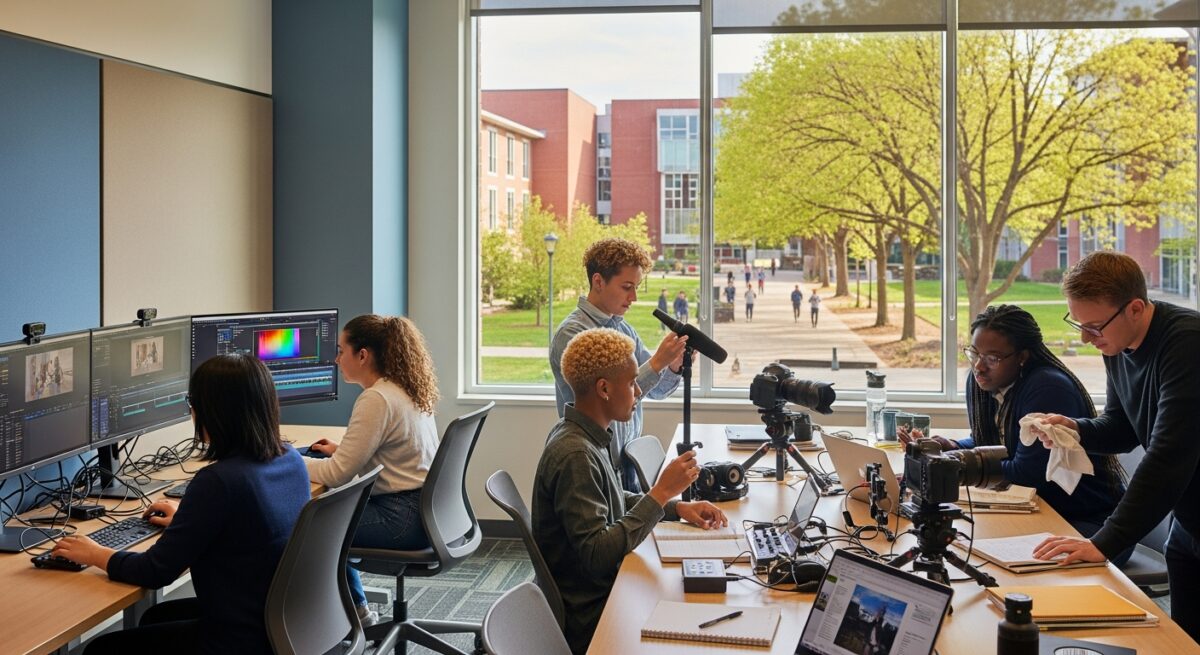
Choosing the right journalism school is one of the most important decisions you can make for a successful media career. The landscape of journalism has shifted dramatically in the last decade, blending traditional reporting with digital storytelling, data analysis, and multimedia production. For students and career changers alike, finding a program that offers both foundational skills and modern expertise is essential. This guide examines the best journalism schools for media careers, highlighting what makes each program unique and how they prepare graduates for the evolving demands of the industry.
Whether you are a high school student researching undergraduate options or a professional seeking a graduate degree to pivot into media, the schools listed here represent the gold standard in journalism education. They combine rigorous academic training with real-world experience, strong alumni networks, and access to top media markets. Below, we break down the key factors to consider and profile the institutions that consistently produce the most successful media professionals.
What Makes a Journalism School Stand Out?
When evaluating journalism colleges, several factors determine whether a program will truly prepare you for a media career. Accreditation is the first checkpoint. Programs accredited by the Accrediting Council on Education in Journalism and Mass Communications (ACEJMC) meet rigorous academic and professional standards. Beyond accreditation, look for schools that offer hands-on experience through student-run newsrooms, internships, and partnerships with media organizations.
Faculty expertise also matters greatly. The best programs hire professors who have worked at major newspapers, broadcast networks, or digital news platforms. These instructors bring current industry knowledge and connections that can open doors for students. Additionally, consider the school’s location. A program in a major media hub like New York, Washington D.C., or Los Angeles provides easier access to internships and job opportunities at prestigious outlets.
Finally, examine the curriculum for specialization options. The best journalism schools for media careers offer concentrations in areas like investigative reporting, data journalism, broadcast production, digital media, and public relations. A flexible curriculum allows you to tailor your education to your specific career goals, whether you want to become a foreign correspondent or a social media editor.
Top Journalism Schools for Undergraduate Students
University of Missouri (Mizzou)
The University of Missouri’s School of Journalism is widely recognized as one of the oldest and most respected journalism programs in the world. Founded in 1908, it has a long tradition of excellence in reporting, editing, and media ethics. Mizzou operates on a “Missouri Method” philosophy, which emphasizes learning by doing. Students work at the school’s commercial news operation, which includes a daily newspaper, a television station, and a radio station. This real-world experience is invaluable for building a portfolio and gaining confidence before graduation.
The program offers undergraduate degrees in journalism with emphasis areas such as strategic communication, convergence journalism, and photojournalism. Mizzou also provides strong career services, with alumni working at outlets like The New York Times, CNN, and NPR. For students seeking a comprehensive education with a proven track record, Mizzou consistently ranks among the best journalism schools for media careers.
University of Texas at Austin (Moody College of Communication)
The Moody College of Communication at UT Austin offers a top-tier journalism program that combines academic rigor with access to a vibrant media market. Austin is a growing hub for technology and media, providing students with internship opportunities at companies like the Austin American-Statesman, KUT public radio, and various digital startups. The curriculum covers core journalism skills along with electives in data visualization, podcasting, and documentary production.
Students can pursue a Bachelor of Journalism degree with specializations in reporting, broadcast, or multimedia. The school also houses the Knight Center for Journalism in the Americas, which focuses on international journalism and digital innovation. UT Austin’s strong alumni network and career placement services make it a smart choice for anyone serious about entering the media field.
Northwestern University (Medill School of Journalism)
Northwestern’s Medill School is synonymous with high-quality journalism education. Located in Evanston, Illinois, just outside Chicago, Medill offers undergraduate and graduate programs that emphasize reporting, writing, and digital media. The school is known for its intense, hands-on approach. Students complete a series of residencies at professional news organizations, gaining credit while working alongside experienced journalists. This model ensures that graduates have substantial professional experience before they even apply for jobs.
Medill’s curriculum covers multimedia storytelling, investigative reporting, and media management. The school also offers specialized programs in health, science, and business journalism. Medill graduates frequently land positions at top news outlets, and the school’s reputation opens doors in both traditional and emerging media sectors. For those seeking a rigorous, career-focused program, Medill is among the best journalism schools for media careers.
Top Journalism Schools for Graduate Students
Columbia University (Graduate School of Journalism)
Columbia’s Graduate School of Journalism is arguably the most prestigious journalism school in the United States. Located in New York City, the program offers a Master of Science in Journalism and a Master of Arts in Journalism with concentrations in investigative reporting, data journalism, and documentary. The school is known for its intensive, one-year program that pushes students to produce professional-quality work under tight deadlines. Columbia also awards the Pulitzer Prizes, which gives students unique access to the highest standards of journalistic excellence.
The curriculum emphasizes critical thinking, ethics, and in-depth reporting. Students work on capstone projects that often result in published investigations or broadcast pieces. Columbia’s location in the heart of Manhattan provides unparalleled access to internships at major networks, newspapers, and digital platforms. Graduates go on to work at The New Yorker, The Washington Post, ABC News, and many other influential outlets. For graduate students, Columbia is a top contender among the best journalism schools for media careers.
University of California, Berkeley (Graduate School of Journalism)
UC Berkeley’s Graduate School of Journalism offers a two-year Master of Journalism program that emphasizes in-depth, narrative-driven reporting. The program is known for its focus on long-form journalism, investigative reporting, and documentary filmmaking. Students benefit from Berkeley’s strong reputation in the Bay Area, which is a hub for technology, innovation, and progressive media. The school’s location allows students to intern at outlets like KQED, The San Francisco Chronicle, and various digital media companies.
Berkeley’s curriculum includes courses in data journalism, audio production, and video storytelling. The program also offers a specialized track in documentary filmmaking, which is highly regarded in the industry. The faculty includes award-winning journalists who bring real-world experience to the classroom. For students who want to produce impactful, in-depth journalism, Berkeley is an excellent choice among journalism colleges.
University of Southern California (Annenberg School for Communication and Journalism)
USC Annenberg is a leading school for journalism and communication studies. Located in Los Angeles, the school offers a Master of Science in Journalism that covers multimedia reporting, broadcast production, and digital strategy. The program is designed to be completed in one year, making it an attractive option for career changers or those looking to quickly upgrade their skills. USC Annenberg also offers joint degrees with other schools, such as law or business, for students interested in specialized reporting.
The school’s location in the entertainment capital of the world provides unique opportunities for internships at major studios, networks, and digital platforms. USC Annenberg has a strong alumni network that includes prominent journalists, producers, and media executives. The program’s focus on entrepreneurship and innovation prepares graduates for leadership roles in the evolving media landscape. For graduate students interested in entertainment, digital media, or broadcast journalism, USC Annenberg is among the best journalism schools for media careers.

Specialized Journalism Programs Worth Considering
Beyond the top-ranked national programs, several specialized journalism colleges deserve attention for their unique offerings. These schools may focus on specific types of journalism or serve particular student populations, such as those seeking affordable online degrees or accelerated programs.
For example, the Walter Cronkite School of Journalism and Mass Communication at Arizona State University is known for its innovative digital media programs and strong partnerships with news organizations like CNN and PBS. The school offers hands-on experience through its Cronkite News service, which produces content for Arizona PBS and other outlets. Similarly, Syracuse University’s S.I. Newhouse School of Public Communications is highly regarded for its broadcast and magazine journalism programs. Newhouse students benefit from state-of-the-art facilities and strong connections to media companies on the East Coast.
For students interested in religious or values-based journalism, some accredited Christian universities offer journalism programs that integrate faith with professional practice. These programs can be a good fit for students who want to work for faith-based media outlets or cover religion and ethics in the secular press.
When choosing a specialized program, consider the following factors:
- Industry partnerships: Does the school have formal relationships with media companies that offer internships and job placements?
- Alumni network: Are graduates working at outlets you admire? A strong network can help you break into competitive markets.
- Facilities and equipment: Does the school have modern newsrooms, studios, and editing suites that mirror professional environments?
- Specialization options: Can you focus on areas like sports journalism, science writing, or data journalism that align with your career goals?
- Cost and financial aid: What is the total cost of the program, and what scholarships or assistantships are available?
These factors can help you narrow down your choices and find a program that matches your specific needs and aspirations.
How to Choose the Right Journalism School for You
Selecting from the best journalism schools for media careers requires careful self-assessment. Start by defining your career goals. Do you want to work for a major newspaper, a television network, a digital news startup, or a public relations firm? Different schools have different strengths. For example, Columbia and Northwestern are strong for investigative and narrative journalism, while USC Annenberg excels in entertainment and digital media.
Next, consider the format and flexibility of the program. Many schools now offer online or hybrid options, which can be ideal for working professionals or those who cannot relocate. For instance, some of the best journalism schools for media careers offer fully online master’s degrees that allow you to study from anywhere while still accessing top-tier faculty and resources. If you are looking for an affordable online degree, programs at schools like the University of Florida or the University of Alabama may be worth exploring.
Financial considerations are also critical. Journalism salaries can be modest, especially early in a career, so it is wise to minimize student debt. Look for schools that offer scholarships, graduate assistantships, or tuition reimbursement programs. Some schools also have strong career placement services that help graduates secure jobs quickly, which can offset the cost of tuition.
Finally, visit campuses or attend virtual open houses. Talking to current students and faculty can give you a sense of the school’s culture and whether it is a good fit for your personality and learning style. Many programs also allow prospective students to sit in on classes or meet with admissions advisors. Take advantage of these opportunities to make an informed decision.
Frequently Asked Questions
What is the best journalism school for a career in broadcast news?
For broadcast news, schools with strong ties to television networks and production facilities are ideal. Northwestern’s Medill School, USC Annenberg, and Syracuse University’s Newhouse School are all excellent choices. These programs offer hands-on experience in broadcast studios and often have alumni working at major networks like CNN, NBC, and ABC.
Are online journalism degrees respected by employers?
Yes, many employers respect online degrees from accredited institutions, especially if the program is rigorous and includes practical experience. Schools like the University of Florida and Arizona State University offer highly regarded online journalism programs. However, it is important to choose a program that provides opportunities for internships or virtual reporting projects to build your portfolio.
How important is accreditation for a journalism school?
Accreditation is very important. Programs accredited by ACEJMC meet high standards for curriculum, faculty, and student outcomes. Attending an accredited program can also make you eligible for certain internships and scholarships. Always check a school’s accreditation status before applying.
Can I become a journalist without a journalism degree?
Yes, many successful journalists have degrees in other fields like English, political science, or history. However, a journalism degree provides specialized training in reporting, ethics, and media law that can give you a competitive edge. If you choose a different major, consider taking journalism electives or gaining experience through student media and internships.
What is the job outlook for journalism graduates?
The job outlook varies by specialization. Traditional newspaper jobs have declined, but demand is growing for digital journalists, data reporters, and multimedia producers. According to the Bureau of Labor Statistics, employment for news analysts, reporters, and journalists is projected to decline slightly, but opportunities in digital media and content creation are expanding. Graduates with strong digital skills and a diverse portfolio will have the best prospects.
Final Thoughts on Choosing a Journalism School
Selecting the right program from the best journalism schools for media careers is a personal decision that depends on your goals, budget, and preferred learning style. Whether you choose a prestigious graduate program like Columbia or a flexible online degree from a respected university, the key is to find a school that offers hands-on experience, strong mentorship, and a network that can help you launch your career. The media industry is evolving rapidly, and the best journalism colleges are those that prepare students to adapt, innovate, and tell compelling stories across multiple platforms. For more resources on finding the right educational path, explore CollegeDegree.School for guidance on degree programs and career planning. Take your time, do your research, and choose a program that aligns with your vision for the future. Your journalism career starts with the education you choose today.
If you are still undecided, consider reaching out to alumni or attending a virtual information session. Many schools offer sample lectures or Q&A sessions with current students. These interactions can provide valuable insights that go beyond brochures and rankings. Remember, the best journalism school for you is the one that fits your unique needs and helps you achieve your professional dreams. With dedication and the right training, you can build a meaningful career in media and make a difference through the power of storytelling.