For generations, the quintessential image of higher education has been the college campus. It conjures scenes of lecture halls, dormitories, spirited football games, and libraries buzzing late into the night. But as digital learning methods and online degree programs surge in popularity, many prospective students and their families are left wondering: what exactly is the value and experience of a traditional college campus education today? This model remains a powerful and transformative path, defined not just by classes but by a holistic, immersive environment designed to shape intellect, character, and career. Understanding its core components, from structured pedagogy to serendipitous networking, is crucial for making an informed decision about your future.
The Pillars of the Residential Academic Experience
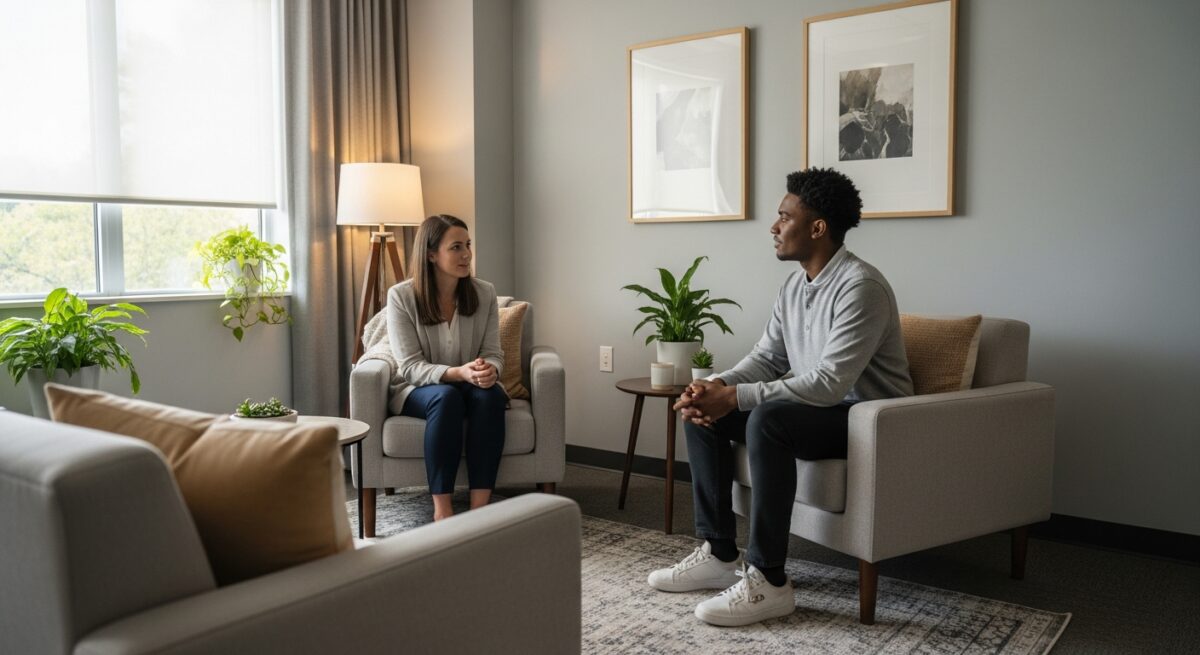
The traditional campus model is built on a foundation of synchronous, in-person learning within a dedicated community. Unlike the self-directed nature of many online learning courses, campus education provides a structured rhythm and physical infrastructure that supports deep academic engagement. The professor-student relationship is immediate and dynamic, allowing for real-time questioning, nuanced discussion, and spontaneous mentorship. This environment fosters a level of accountability and immersion that many learners thrive on, as the boundaries between learning and living blur.
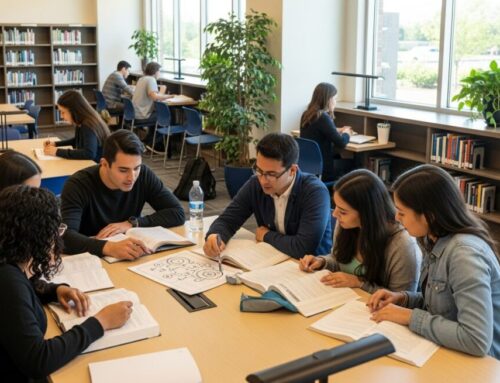
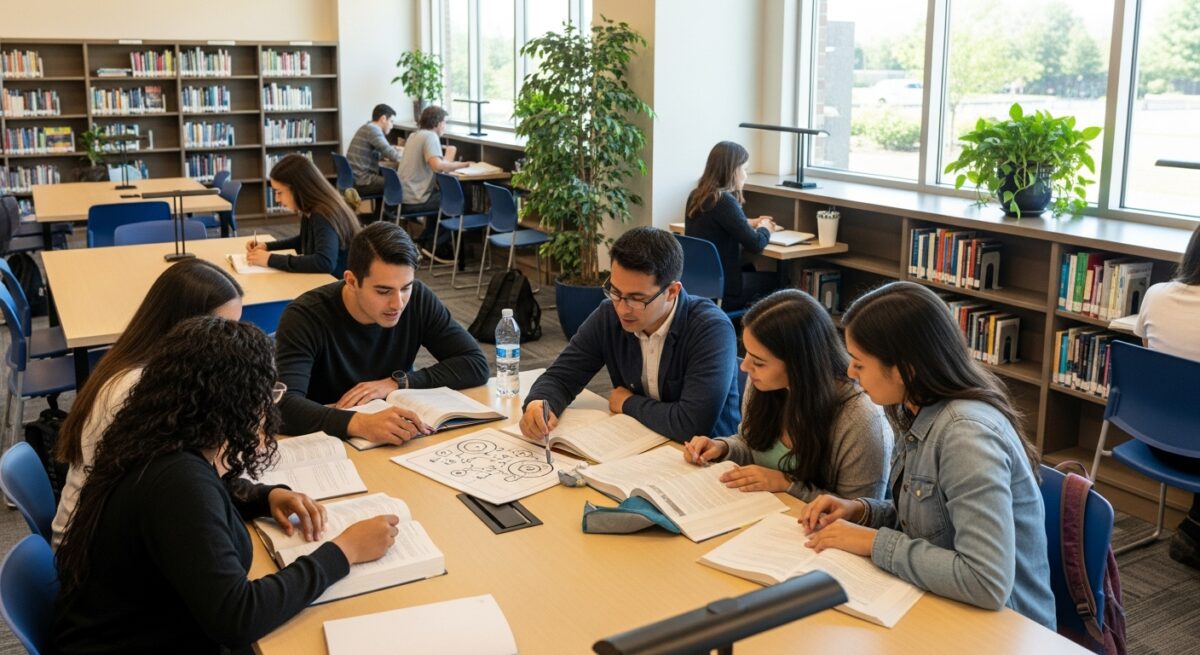
Beyond the classroom, the campus itself acts as a curated ecosystem for growth. Resources like science laboratories, performing arts centers, and specialized research libraries are not just facilities; they are hubs of innovation and hands-on practice. Access to these tools enables experiential learning that is difficult to replicate virtually. For students in fields like engineering, fine arts, or the hard sciences, this direct, tactile access is often non-negotiable. Furthermore, the daily routine of attending classes, studying in groups at the library, and meeting with advisors during office hours creates a disciplined framework that helps students develop crucial time-management and professional habits.
Beyond Academics: The Intangible Network and Life Skills
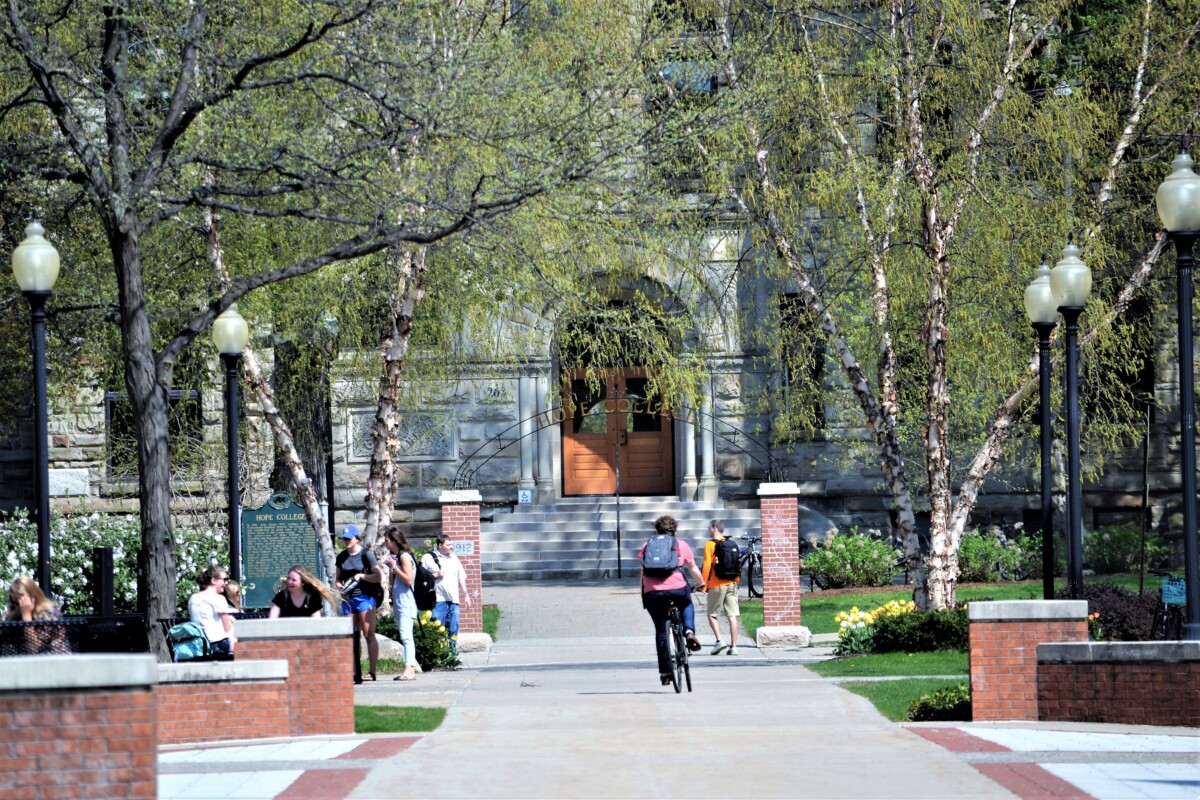
Perhaps the most significant differentiator of college campus education is its role as a catalyst for personal development and professional networking. The “college experience” is shorthand for a critical period of socialization where individuals learn to navigate independence, build lasting relationships, and engage with diverse perspectives. Living in residence halls, participating in student government, joining clubs, and attending campus events are not mere extracurriculars; they are laboratories for soft-skill development. Conflict resolution, teamwork, leadership, and cultural competency are often honed in these unstructured campus settings.
The networking opportunities are both formal and organic. Career fairs, alumni mixers, and department-sponsored lectures provide direct pipelines to employers. More powerfully, the informal connections made over coffee, in study groups, or during club activities can blossom into lifelong professional alliances and friendships. This built-in community offers a support system during academic challenges and a social safety net that is particularly valuable for students living away from home for the first time. The process of navigating this micro-society builds resilience and self-awareness that employers highly value.
Comparing Learning Modalities: Campus vs. Online
To fully appreciate the campus model, it helps to contrast it with its digital counterpart. Online education excels in flexibility, accessibility, and often cost, making it ideal for working professionals, caregivers, or those with geographical constraints. It leverages digital learning methods to deliver content asynchronously. Campus education, however, trades some of that flexibility for depth of immersion and immediacy of interaction. The choice is not inherently about quality but about fit and learning style. A student who needs rigid scheduling may prefer online, while one who thrives on spontaneous debate and hands-on collaboration may find the campus irreplaceable. Many institutions now recognize this, creating robust hybrid models that blend the best of both worlds.
Making the Choice: Is Campus Education Right for You?
Deciding to pursue a traditional college campus education is a major investment of time, finances, and energy. It requires honest self-assessment. Prospective students should consider their learning preferences, career goals, and personal circumstances. Are you a self-starter who can manage deadlines independently, or do you benefit from the external structure of a physical classroom? Does your intended career path rely heavily on lab work, studio time, or clinical placements that require on-site presence? Are you seeking the full cultural and social transformation that campus life offers?
Financial planning is, of course, paramount. The cost of tuition, room, and board is substantial, though often offset by scholarships, grants, and work-study programs. The return on investment extends beyond the diploma to include the network, experiences, and personal growth cultivated during those years. For comprehensive college degree guidance that can help you weigh these factors and compare specific academic tracks, dedicated resources are invaluable in the planning stage.
Key considerations for choosing a campus-based program include:
- Learning Style Alignment: Do you absorb information best through lecture, discussion, or hands-on practice in a group setting?
- Program Specificity: Does the campus offer unique majors, research institutes, or facilities crucial for your field?
- Campus Culture: Does the size, location, and social environment feel like a place where you can belong and thrive?
- Career Outcomes: What are the institution’s internship partnerships, career placement rates, and alumni network strength in your industry?
- Total Cost Analysis: Have you explored all financial aid options and calculated the long-term value against potential debt?
The evolving landscape of higher education, influenced by artificial intelligence in curriculum design and new digital tools, means the modern campus is adapting. However, its core mission remains: to create a concentrated time and space for focused learning, identity exploration, and community building. This immersive model continues to produce graduates with not only knowledge but also the adaptable skills and relational networks needed to navigate a complex world.
Ultimately, college campus education represents a deliberate choice to embed oneself in an ecosystem of learning. It is an explanation not just of academic delivery, but of a formative life chapter. While online degrees provide incredible access and flexibility, the traditional campus offers a uniquely intensive rite of passage that combines intellectual rigor with profound personal development. For those who choose it, the journey through quads, classrooms, and dormitories remains a powerful vehicle for turning potential into achievement.