In an era dominated by digital learning platforms and micro-credentials, the enduring model of a traditional college education remains a cornerstone of personal and professional development for millions. This immersive, structured approach to higher learning is more than just earning a degree; it’s a holistic journey designed to shape critical thinkers, skilled professionals, and engaged citizens. While alternative pathways have proliferated, understanding the core structure, benefits, and intended outcomes of the traditional college experience is essential for anyone considering this significant investment in their future. It represents a deliberate choice for deep, transformational learning within a dedicated academic and social community.
The Defining Structure of Traditional Campus Learning
A traditional college education is characterized by its physical, time-bound, and cohort-based framework. Students typically enroll in a four-year bachelor’s degree program at a university or liberal arts college, attending scheduled classes in person on a campus. This model operates on a semester or quarter system, creating a rhythmic academic calendar with defined periods of instruction, examination, and breaks. The curriculum itself is deliberately structured, often beginning with general education requirements that expose students to a broad range of disciplines—from mathematics and sciences to humanities and arts—before they delve into the focused coursework of their chosen major. This structured progression ensures a well-rounded educational foundation, a principle explored in depth in our guide to college education programs and pathways.
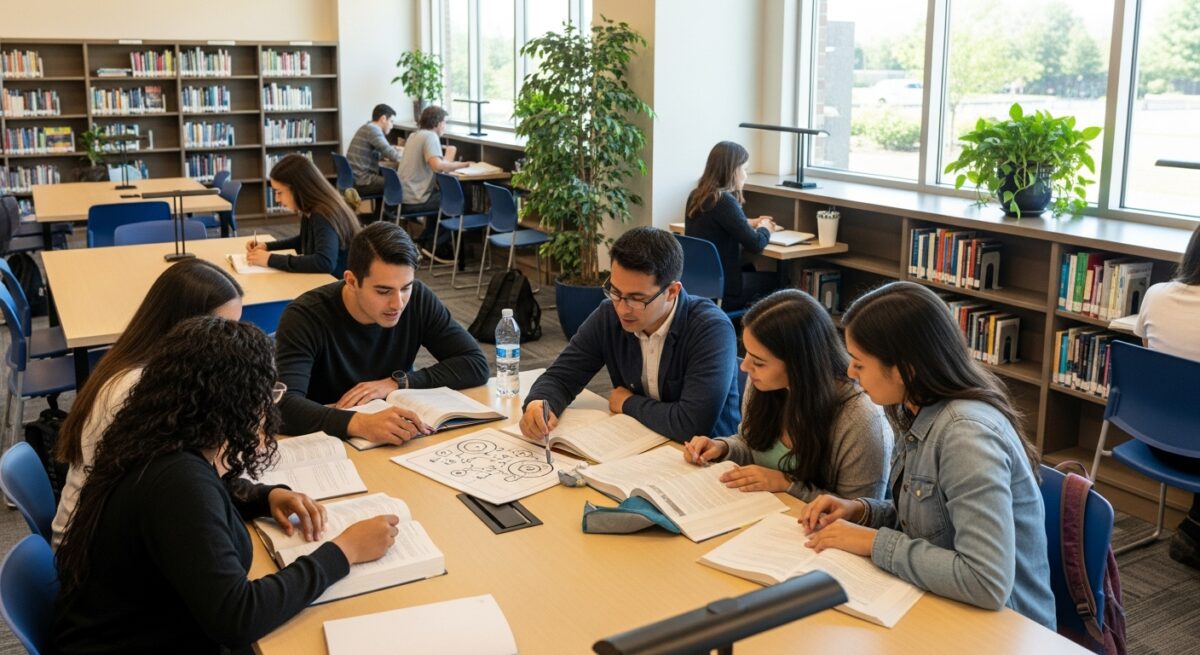
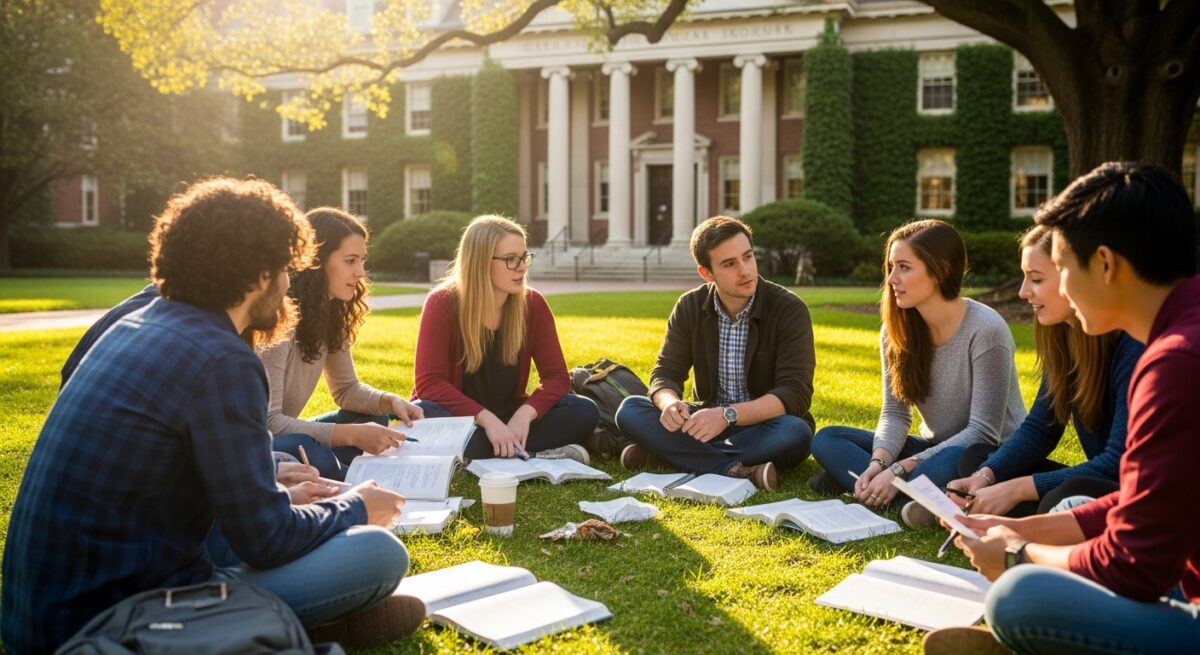
The classroom dynamic is a key pillar. Learning occurs in real-time through lectures, seminars, laboratory sessions, and group discussions facilitated by professors and instructors. This environment fosters immediate feedback, spontaneous debate, and the development of communication skills. The physical campus itself is integral, providing not just classrooms but libraries, research labs, student unions, athletic facilities, and residence halls. This concentrated ecosystem is designed to support all aspects of student life, encouraging immersion in an academic culture where learning extends beyond the classroom walls into late-night study sessions, club meetings, and casual conversations with peers and mentors.
Core Components and Academic Journey
The academic journey within a traditional framework is built on several interconnected components. General education courses, often called “gen eds,” form the bedrock. They are not arbitrary hurdles but are intended to cultivate versatile intellectual tools: quantitative reasoning, scientific literacy, ethical thinking, and historical perspective. This broad base allows students to discover unexpected passions and make more informed decisions when declaring a major, typically by the end of their second year.
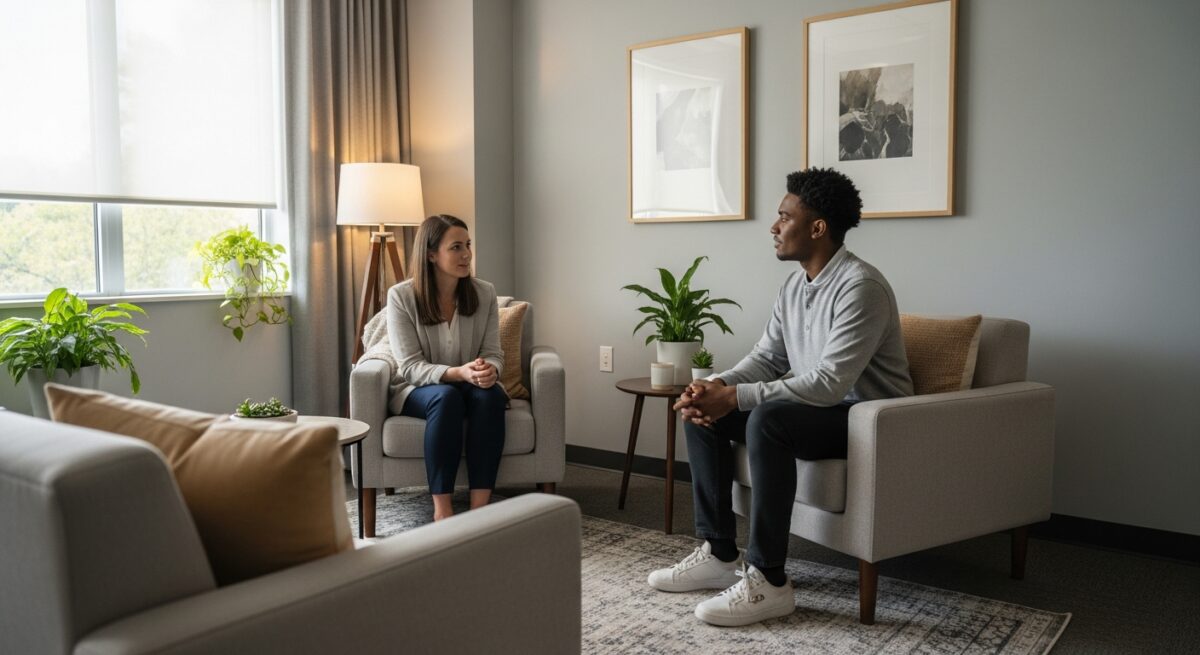
Major coursework then provides depth and specialization. Whether in engineering, history, business, or biology, this sequence of courses builds advanced knowledge and technical skills progressively. Upper-division classes are increasingly complex and often involve research projects, senior theses, or capstone experiences that require the synthesis of everything learned. Furthermore, the traditional model heavily emphasizes the role of faculty. Professors are not only instructors but also advisors, research supervisors, and career mentors. Developing relationships with faculty can lead to research opportunities, strong letters of recommendation, and invaluable professional guidance. For students navigating these choices, seeking expert college degree guidance can help align academic plans with long-term goals.
Tangible and Intangible Benefits Beyond the Degree
The value proposition of a traditional college education extends far beyond the credential received at graduation. The benefits are a blend of the tangible and the intangible, the professional and the personal.
Firstly, there is a well-documented economic advantage. Graduates with a bachelor’s degree, on average, earn significantly more over their lifetimes and experience lower unemployment rates than those with only a high school diploma. The degree serves as a key credential for entry into many professions. However, the less quantifiable benefits are equally powerful:
- Network Development: Campus life facilitates the organic growth of a personal and professional network. Peers become future colleagues, business partners, and friends. Alumni networks provide a lifelong resource for career opportunities and community.
- Soft Skill Cultivation: The experience inherently develops crucial soft skills. Group projects teach collaboration and conflict resolution. Deadlines and a heavy workload instill time management. Living with roommates fosters interpersonal skills and independence.
- Identity and Worldview Formation: The period of late adolescence and early adulthood spent on campus is a formative time for personal identity. Exposure to diverse ideas, cultures, and people challenges preconceptions and fosters a more nuanced worldview and greater civic engagement.
- Access to Resources: Students gain direct access to cutting-edge laboratories, extensive physical libraries, career counseling centers, internship placement offices, and funding for study abroad programs—resources that are often concentrated and more readily accessible in a residential setting.
This ecosystem is designed for what educators call “the whole person,” aiming to develop not just a skilled worker but an adaptable, thoughtful, and engaged individual.
Critical Considerations and Modern Challenges
Despite its strengths, the traditional model is not without significant critiques and challenges that prospective students must weigh carefully. The most prominent is cost. Tuition, fees, and room and board have risen dramatically, leading to substantial student debt for many graduates. This financial burden necessitates a clear analysis of return on investment, considering one’s chosen field of study and career aspirations.
The time commitment is another major factor. Four or more years is a substantial period, during which entrants to the workforce may forgo earning income and gaining work experience. Furthermore, the traditional schedule lacks the flexibility that many non-traditional students—such as working adults, parents, or career-changers—require. The rigid pace and in-person format can be prohibitive. There is also a valid critique that some curricula can be slow to adapt to rapidly changing technological and industry landscapes, sometimes lagging behind the specific skill demands of the modern economy. These factors have fueled the growth of online degrees, bootcamps, and credentialing programs that offer more targeted, flexible, and sometimes less expensive alternatives.
Who Is the Traditional Path Best Suited For?
Determining if a traditional college education is the right path depends heavily on individual circumstances, learning styles, and goals. This model tends to be an excellent fit for recent high school graduates seeking a structured transition into adulthood and a immersive experience. It is ideal for students who thrive on in-person interaction, learn effectively through lecture and discussion, and value the extracurricular and social dimensions of campus life. It is particularly beneficial for those pursuing fields that require extensive hands-on training, access to specialized physical equipment (e.g., lab sciences, fine arts, certain engineering disciplines), or plans for advanced study (e.g., pre-med, pre-law).
Conversely, individuals with clear, immediate vocational goals that require a specific certification, those who need maximum scheduling flexibility, or learners who are highly self-directed and prefer an asynchronous pace might find alternative pathways more efficient and suitable. The decision ultimately hinges on a holistic assessment of one’s personal, financial, and academic priorities.
The landscape of higher education now presents a spectrum of options, with the traditional residential experience at one end and fully online, competency-based models at the other. Many institutions are also creating hybrids, blending the best of both worlds. The traditional college education, therefore, is not obsolete but is now one choice among many. Its enduring power lies in its offer of a dedicated time and place for growth—a curated journey of intellectual challenge, personal discovery, and community building that continues to hold profound value for those who choose it. In making this choice, understanding its core mechanics, benefits, and trade-offs is the first and most important step toward a successful academic journey.