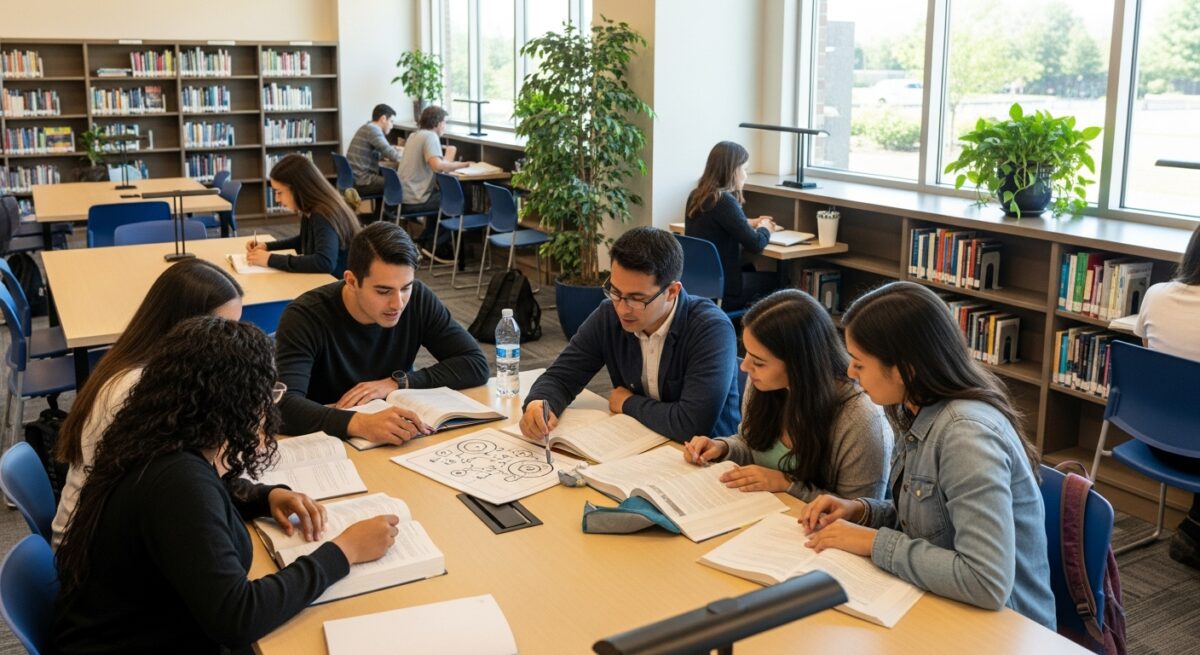
For many high school graduates and adult learners, the decision to pursue a college education represents one of the most significant and complex investments of their lives. It is a choice laden with promise for personal growth and professional advancement, yet simultaneously fraught with questions about cost, value, and return on investment. Understanding college education in its modern context requires moving beyond the simple notion of a four-year campus experience to examine a diverse ecosystem of pathways, delivery methods, and outcomes. This comprehensive look aims to demystify the components of higher education, from its core purposes and evolving formats to the practical strategies for navigating it successfully, empowering you to make an informed decision aligned with your goals.
The Core Purposes and Evolving Value of a College Degree
Historically, the value of a college degree was often summarized as a ticket to a better career and higher lifetime earnings. While this economic benefit remains a powerful motivator, the complete picture of a college education’s purpose is far richer. At its heart, college is designed to cultivate critical thinking, communication skills, and specialized knowledge. It provides a structured environment for intellectual exploration, challenging students to analyze complex problems, synthesize information from diverse sources, and articulate well-reasoned arguments. This foundational skill set, often called “learning how to learn,” is increasingly valuable in a rapidly changing job market where specific technical skills can become obsolete, but adaptability and analytical prowess endure.
Beyond career preparation, college serves as a pivotal period for personal and social development. It offers exposure to new ideas, cultures, and perspectives, fostering greater civic engagement and personal maturity. The social networks and professional connections formed during these years can become invaluable assets. However, the perceived value of a degree is not static, it is being actively reevaluated in light of rising tuition costs and the emergence of alternative credentials. Prospective students must now weigh the traditional benefits against the financial outlay, making a nuanced understanding of the potential return on investment more critical than ever.
Navigating the Landscape of Programs and Delivery Methods
The monolithic image of a residential four-year university is just one part of today’s higher education landscape. Understanding college education now means recognizing the spectrum of available options. Traditional bachelor’s degrees, often pursued immediately after high school, provide a broad liberal arts foundation alongside a chosen major. Associate degrees, typically offered by community colleges, serve as both terminal career-focused credentials and cost-effective stepping stones to a four-year program. Graduate and professional degrees allow for advanced specialization. Crucially, the mode of delivery has dramatically expanded. Accredited online degree programs have moved from the periphery to the mainstream, offering flexibility for working adults and those with geographical constraints. Hybrid models blend online coursework with occasional in-person sessions.
Choosing the right pathway depends heavily on individual circumstances, career objectives, and learning style. For example, someone seeking a career in healthcare administration might find an accelerated online education resources portal invaluable for comparing accredited programs that fit around a work schedule. It is essential to investigate accreditation status rigorously, as this ensures the institution meets accepted standards of quality and that credits or degrees will be recognized by employers and other universities. Our detailed guide to college education programs explores these degree types and pathways in greater depth.
The Financial Equation: Costs, Aid, and Strategic Planning
Financing a college education is arguably the most daunting aspect for students and families. The published “sticker price” of tuition, fees, room, and board is often not the final cost. The net price, which subtracts grants, scholarships, and other gift aid, is the more relevant figure for planning. A strategic approach to funding involves multiple steps: first, completing the Free Application for Federal Student Aid (FAFSA) to unlock federal, state, and institutional aid, then aggressively pursuing scholarships from private sources, and finally, carefully considering federal student loans before private ones due to their typically more favorable terms and repayment options.
To manage this complex process, consider the following key steps:
- Calculate the true net cost for each school on your list using their official net price calculator.
- Maximize free aid: Dedicate time to scholarship applications and understand the grant opportunities available through your FAFSA.
- Explore work-study programs and part-time employment opportunities that can provide income without derailing studies.
- Model future loan payments: Use online calculators to understand the monthly payment burden relative to your expected starting salary.
This financial foresight is a non-negotiable component of understanding college education. It transforms an abstract dream into a feasible plan, preventing unmanageable debt that can compromise post-graduation financial stability for decades.
Maximizing the Academic and Professional Return
Enrolling and paying for college is only the beginning. To truly reap the benefits, students must be proactive and intentional. Academically, this means engaging deeply with coursework, building relationships with professors who can later serve as mentors and references, and seeking out challenging projects or research opportunities. Simply attending class is rarely enough to stand out in a competitive job market. The co-curricular experience is equally vital. Internships, perhaps the single most important factor for post-graduate employment, provide practical experience, industry connections, and a powerful line on a resume.
Career services offices are an underutilized asset on most campuses. They offer resume and interview workshops, career fairs, and networking events. Students who start visiting these offices in their first or second year, not their final semester, gain a significant advantage. Furthermore, developing a professional online presence, particularly on platforms like LinkedIn, and cultivating a network through student organizations, part-time jobs, and alumni events are critical modern career-development skills. Success in college is a holistic endeavor that blends classroom learning with real-world application and relationship building. For a deeper look at the structure of on-campus learning, our article on what is a traditional college education breaks down its core components.
Critical Considerations for Today’s Student
As you evaluate your options, several contemporary factors demand careful thought. The alignment between your chosen field of study and labor market trends is crucial. While passion is important, understanding the demand, typical salary ranges, and necessary qualifications for your desired career is a practical necessity. The rise of technology, particularly in fields like data science and artificial intelligence, is creating new disciplines and transforming old ones, making interdisciplinary study more valuable.
Additionally, the support systems offered by an institution can be a deciding factor for success, especially for first-generation students or those attending online. Key services to investigate include:
- Academic advising and tutoring support
- Mental health and wellness counseling
- Technology support for online learners
- Alumni network strength and engagement
Finally, the concept of “return on investment” should be personalized. It is not solely a financial calculation, but also an assessment of personal growth, network quality, and the achievement of your specific life goals. For some, a slower, debt-free path through a community college may offer a higher personal ROI than a prestigious, high-debt alternative. Understanding college education is, ultimately, about matching the vast array of opportunities to your unique blueprint for the future.
The journey through higher education is a transformative one, but it requires informed navigation. By comprehensively evaluating your goals, understanding the financial commitments, actively engaging with academic and professional opportunities, and choosing the pathway that best fits your life, you can ensure that your investment in a college education yields dividends in knowledge, capability, and career trajectory for years to come. The landscape has changed, but the potential for growth remains immense for the strategic and prepared student.