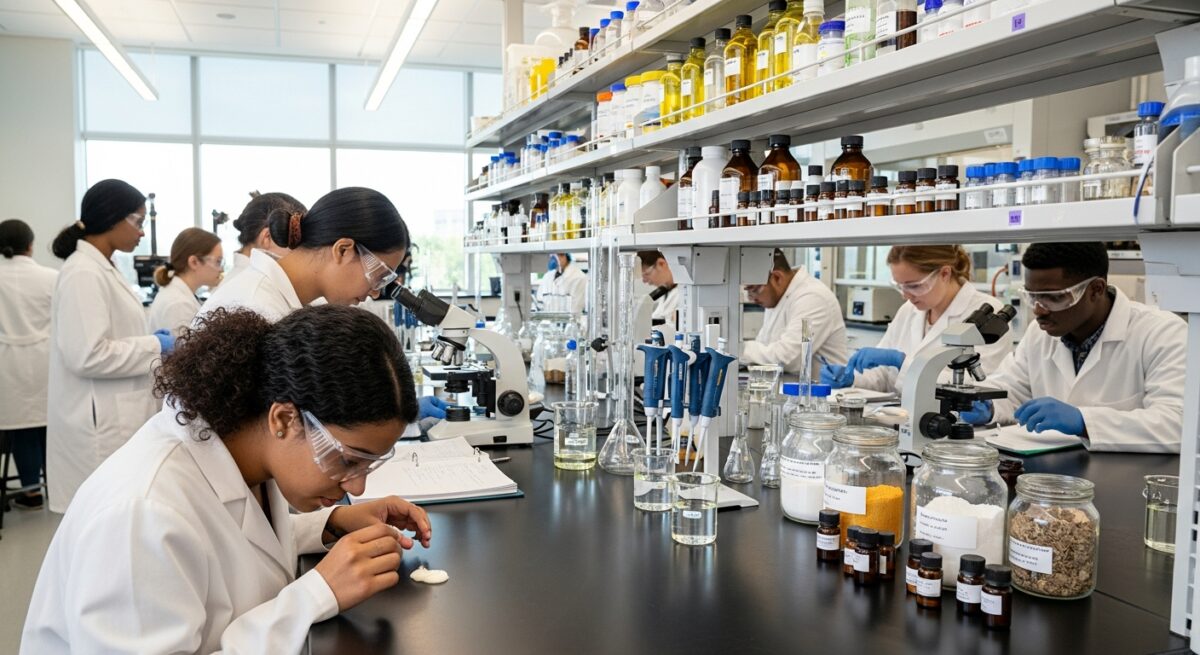
Imagine blending chemistry with creativity to formulate the next bestselling moisturizer or a revolutionary sunscreen. Cosmetic science is a specialized field where biology, chemistry, and product development meet. It offers a career path that turns a passion for beauty into a high-demand technical profession. For students in the United States, choosing the best university for cosmetic science programs is the first step toward a rewarding role in research, formulation, quality control, or regulatory affairs. This guide examines the leading institutions that deliver the rigorous training and industry connections needed to succeed.
What to Look for in a Cosmetic Science Program
Not all chemistry or biology degrees prepare you for the unique challenges of cosmetics manufacturing. A top cosmetic science program combines organic chemistry, microbiology, and material science with practical labs that simulate real-world production. Accreditation by the American Chemical Society (ACS) or the Society of Cosmetic Chemists (SCC) is a strong indicator of quality. Programs should also offer hands-on experience with formulation, stability testing, and regulatory compliance. Industry partnerships and internship opportunities are equally critical, as they provide direct pathways into companies like L’Oreal, Estee Lauder, and Procter & Gamble.
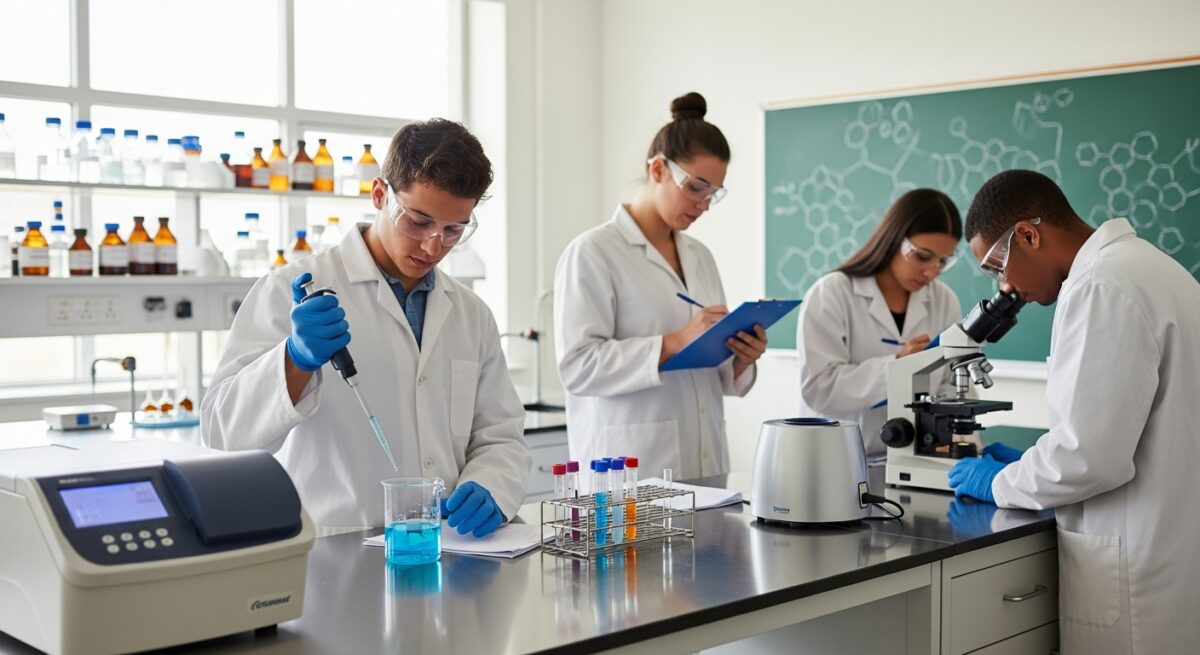
When researching cosmetic science colleges, look for curricula that cover emulsion technology, surfactant chemistry, fragrance science, and packaging engineering. A dedicated cosmetic science program often includes capstone projects where students develop a product from concept to prototype. This practical training is invaluable for building a professional portfolio. Additionally, access to modern analytical instruments such as gas chromatographs and spectrophotometers ensures graduates are job-ready from day one.
Why Specialized Degree Programs Matter
A general chemistry degree might touch on some cosmetic applications, but it lacks the depth required for formulation science. Beauty science universities offer targeted coursework that bridges the gap between academic theory and commercial application. For instance, understanding how different emollients interact with skin types or how preservatives affect product shelf life requires specialized study. The best university for cosmetic science programs will also teach students about FDA regulations, labeling requirements, and safety testing protocols. This knowledge is essential for anyone aiming to work in product development or regulatory affairs within the cosmetics industry.
Furthermore, specialized programs often host guest lectures from industry professionals and provide networking opportunities at events like the SCC Annual Scientific Meeting. These connections can lead to internships or job offers before graduation. Students should also consider programs that offer cooperative education (co-op) placements, where academic semesters alternate with paid work terms. This model allows students to earn while they learn and graduate with a resume full of relevant experience. For career changers, many universities offer accelerated master’s degrees that condense foundational knowledge into an intensive one-year format.
Top Universities for Cosmetic Science in the United States
Several institutions stand out for their comprehensive cosmetic science programs. These schools are recognized for their faculty expertise, research output, and strong ties to the beauty industry. Below are five universities that consistently rank among the best for this field.
University of Cincinnati
The University of Cincinnati offers a Master of Science in Cosmetic Science through its James L. Winkle College of Pharmacy. This program is one of the oldest and most respected in the country. It covers advanced formulation, skin biology, and cosmetic regulatory affairs. Students have access to a dedicated cosmetic science laboratory and participate in collaborative research with industry partners. Graduates often secure positions at major cosmetic companies or pursue PhDs in related fields.
University of Toledo
The University of Toledo’s College of Pharmacy and Pharmaceutical Sciences offers both a Bachelor of Science in Pharmaceutical Sciences with a cosmetic science concentration and a Master of Science in Cosmetic Science and Formulation Design. The undergraduate program provides a strong foundation in chemistry and biology, while the master’s program emphasizes hands-on formulation and product development. Toledo’s location in Ohio places it near several major cosmetic manufacturing facilities, creating excellent internship opportunities.
Rutgers University
Rutgers University in New Jersey offers a Master of Science in Cosmetic Science through its School of Graduate Studies. The program is based at the Rutgers New Jersey Medical School and leverages proximity to the personal care industry in the Northeast. Curriculum highlights include advanced cosmetic chemistry, dermatological sciences, and product safety assessment. Rutgers also hosts the Center for Dermal Research, which conducts cutting-edge studies on skin permeation and delivery systems.
Fairleigh Dickinson University
Fairleigh Dickinson University (FDU) offers a Master of Science in Cosmetic Science that is designed for working professionals. Courses are offered in the evenings and online, making it one of the most flexible options for career changers. FDU’s program covers raw materials, formulation techniques, and quality assurance. The university’s location in New Jersey, known as the “Cosmetics Capital of the World,” provides unparalleled access to industry events and job opportunities.
Massachusetts College of Pharmacy and Health Sciences (MCPHS)
MCPHS offers a Master of Science in Cosmetics and Fragrance Marketing and Management, which blends business strategy with scientific knowledge. While the focus is more commercial, the program includes coursework on cosmetic chemistry and product development. MCPHS students complete a capstone project that often involves launching a mock product line. This program is ideal for students who want to work in brand management, product marketing, or sales within the beauty industry.
Online and Hybrid Options for Flexibility
For students who cannot relocate or need to balance work with study, several universities offer online or hybrid cosmetic science programs. These programs deliver the same rigorous curriculum through virtual labs, recorded lectures, and interactive forums. Some programs require brief on-campus residencies for intensive lab work. The University of Cincinnati and Fairleigh Dickinson University both offer online master’s degrees in cosmetic science, making them accessible to students across the country. When evaluating online programs, check that they provide hands-on lab kits or partnerships with local labs for practical training. Accreditation is also crucial to ensure the degree is recognized by employers.
In our guide on best universities for neuroscience programs in 2026, we explain how to evaluate program depth and research opportunities. The same critical evaluation applies to cosmetic science: look for faculty publications, industry advisory boards, and alumni outcomes. Many cosmetic science colleges now offer stackable credentials, such as graduate certificates in formulation science or regulatory compliance, which can be completed in under a year.
Career Outcomes and Industry Demand
The global cosmetics market is projected to exceed $400 billion by 2027, driving demand for qualified cosmetic scientists. Graduates from top beauty science universities find roles as formulation chemists, quality control managers, regulatory affairs specialists, and research scientists. Entry-level salaries for cosmetic chemists in the United States typically range from $55,000 to $75,000 per year, with experienced professionals earning over $100,000. The field offers strong job stability, as personal care products are a constant consumer need regardless of economic cycles.
Beyond traditional employment, some cosmetic scientists launch their own indie brands or work as freelance consultants for startups. The skills learned in a cosmetic science program, such as stability testing and ingredient sourcing, are directly transferable to entrepreneurship. Many universities also offer career services specifically for STEM graduates, including resume workshops, career fairs, and alumni mentorship programs. For additional resources on exploring degree options and career pathways, visit DegreesOnline.Education to compare programs and find schools that match your goals.
Key Factors When Choosing a Program
Selecting the best university for cosmetic science programs requires careful consideration of several factors. Here is a checklist to guide your decision:
- Accreditation: Ensure the program is accredited by a recognized agency such as the ACS or the SCC. This guarantees a standard of quality that employers trust.
- Lab Facilities: Visit the campus or request a virtual tour of the labs. Modern equipment for formulation, analysis, and testing is essential for practical learning.
- Industry Connections: Programs with advisory boards composed of industry executives often have better internship placement rates and curriculum relevance.
- Alumni Network: Reach out to alumni on LinkedIn to ask about their job search experience and how the program prepared them for the workforce.
- Cost and Financial Aid: Compare tuition rates, availability of scholarships, and the potential for graduate assistantships that can offset costs.
Taking the time to evaluate these aspects will help you avoid programs that lack depth or industry recognition. Remember that the most expensive program is not always the best. Some smaller universities offer intimate class sizes and personalized mentorship that can be more valuable than a big-name institution.
Frequently Asked Questions
What is the difference between cosmetic science and chemistry?
Chemistry is a broad scientific discipline, while cosmetic science applies chemical principles specifically to personal care products. Cosmetic science includes additional topics like sensory evaluation, color matching, and regulatory compliance that are not covered in a standard chemistry degree.
Can I study cosmetic science online?
Yes, several accredited universities offer online master’s degrees in cosmetic science. These programs use virtual labs and at-home experiment kits to provide practical training. Ensure the program is from a regionally accredited institution to ensure your degree is recognized by employers.
What jobs can I get with a cosmetic science degree?
Common roles include formulation chemist, quality assurance specialist, regulatory affairs associate, product development scientist, and raw material sourcing manager. Some graduates also work in marketing or sales for cosmetic ingredient suppliers.
Do I need a master’s degree to work in cosmetic science?
While some entry-level technician roles are available with a bachelor’s degree in chemistry or biology, most research and development positions require a master’s degree. A master’s program provides the specialized knowledge and lab experience that employers seek.
How long does it take to complete a cosmetic science program?
A bachelor’s degree typically takes four years. A master’s degree can be completed in one to two years for full-time students, or two to three years for part-time students. Accelerated programs may offer completion in as little as 12 months.
As you weigh your options, remember that the best university for cosmetic science programs is the one that aligns with your career goals, learning style, and budget. Whether you choose a traditional on-campus experience or a flexible online format, the investment in specialized education will open doors to a dynamic and growing industry. Start your journey by requesting information from multiple schools, attending virtual open houses, and reaching out to current students or alumni for their honest perspectives.