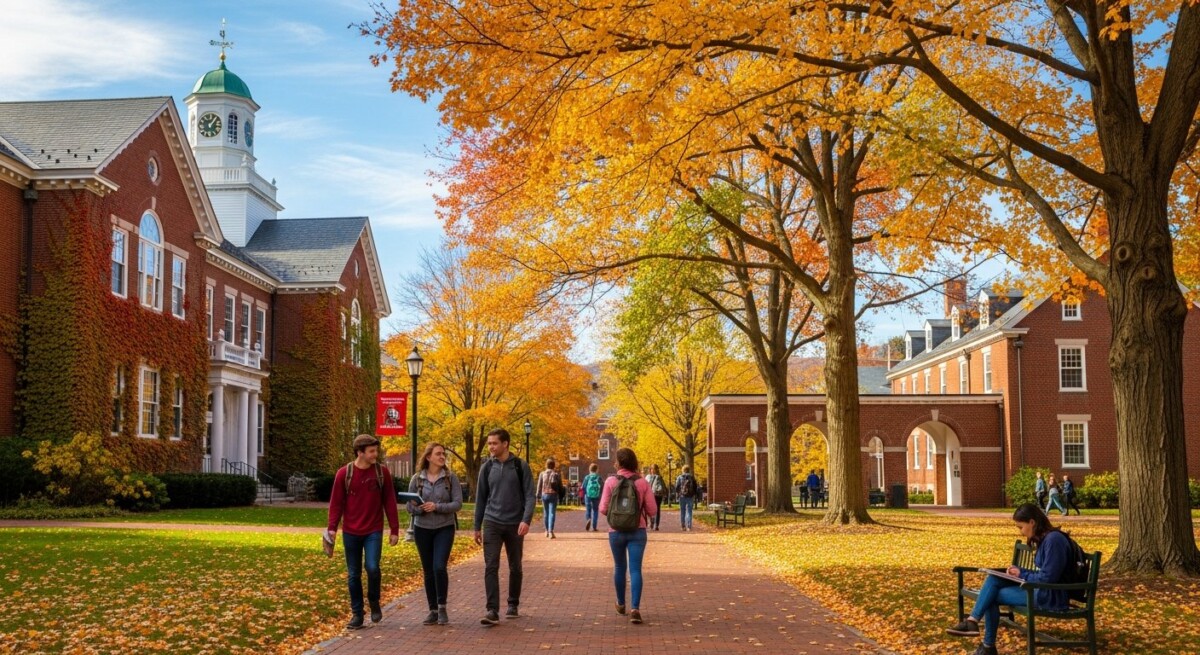
Vermont, known for its stunning Green Mountains, vibrant fall foliage, and strong sense of community, also hosts a collection of highly respected institutions of higher learning. For students seeking a transformative educational experience that combines rigorous academics with a distinctive New England character, the top ranked universities in Vermont offer compelling options. These schools are frequently recognized for their academic quality, innovative programs, and commitment to student success, often appearing in national publications and rankings. This guide provides a detailed exploration of these leading institutions, examining what makes each one unique and how they contribute to Vermont’s reputation for educational excellence. Whether you are drawn to a large research university or a small liberal arts college, understanding the landscape of Vermont’s higher education is the first step toward finding your ideal academic home.
Defining Academic Excellence in Vermont
When discussing the top ranked universities in Vermont, it is essential to understand the metrics and qualities that define their standing. Rankings from sources like U.S. News & World Report, The Princeton Review, and Forbes often consider factors such as graduation rates, retention of first-year students, faculty resources, student selectivity, financial resources, alumni giving, and peer assessment surveys. However, rankings are just one piece of the puzzle. The true measure of a university’s excellence for any individual student also includes its specific academic strengths, campus culture, location, and the outcomes it provides for graduates. Vermont’s institutions excel in creating intimate learning environments, fostering close student-faculty relationships, and emphasizing experiential learning that connects classroom theory to real-world practice, from environmental science field work to business internships in Burlington.
Furthermore, Vermont’s educational philosophy often intertwines with its state identity: a focus on sustainability, community engagement, and interdisciplinary problem-solving. Many of its top schools are leaders in environmental studies, healthcare education, and the arts. This creates a unique educational ecosystem where students are encouraged to think critically about their role in society and the environment. For those navigating degree options, seeking school‑level degree guidance can be invaluable in matching personal goals with the specific programs these universities offer. The following sections delve into the specific institutions that consistently earn top marks within and beyond the state’s borders.
The University of Vermont: A Comprehensive Public Research Leader
The University of Vermont (UVM), located in Burlington, is consistently the highest-ranked public university in Vermont and a flagship institution for the state. As a public Ivy and a land-grant university, UVM offers a robust blend of research opportunities, a wide array of undergraduate and graduate programs, and a vibrant campus life against the backdrop of Lake Champlain and the Adirondack Mountains. Its research expenditures are significant, driving innovation in areas like environmental science, medicine, and agriculture. The university’s Larner College of Medicine is a cornerstone of its graduate offerings, while its Rubenstein School of Environment and Natural Resources is nationally renowned.
UVM’s academic structure includes seven undergraduate colleges, a graduate college, and the Larner College of Medicine. This allows students to benefit from the resources of a major research institution while often participating in smaller, college-specific learning communities. Popular and highly-regarded majors include Environmental Science, Business Administration, Psychology, Nursing, and Political Science. The campus culture is active and engaged, with a strong emphasis on sustainability and outdoor recreation. UVM’s ranking is bolstered by its strong graduation rates, selective admissions, and the success of its alumni. For students seeking a traditional college town experience with the academic heft of a research university, UVM stands as a premier choice among top ranked universities in Vermont.
Middlebury College: A Premier Liberal Arts Institution
Middlebury College, nestled in the Champlain Valley town of Middlebury, is a perennial top-tier liberal arts college, often ranked among the best national liberal arts colleges in the United States. Its reputation is built on academic rigor, exceptional language and international studies programs, and a deep commitment to environmental stewardship. Middlebury is famously home to the Middlebury Language Schools, which offer intensive summer immersion programs in dozens of languages, attracting students and professionals from around the globe. This expertise permeates the undergraduate experience, making internationalism a core component of its identity.
The undergraduate experience at Middlebury is characterized by small class sizes, a demanding curriculum, and a close-knit community. The college operates on a 4-1-4 academic calendar, featuring a January term where students pursue focused, often innovative, courses or projects. Beyond languages, Middlebury is highly regarded for its programs in Environmental Studies, Literature, and International Politics & Economics. The college’s endowment allows for significant financial aid, fostering a socioeconomically diverse student body. The campus culture is intensely academic but balanced with a renowned outdoor program that takes full advantage of Vermont’s natural landscape. Middlebury represents the pinnacle of the small, residential liberal arts model within the state.
Key Strengths and Notable Programs at Middlebury
Middlebury’s distinction comes from several signature programs and institutional strengths. The Environmental Studies program is interdisciplinary and one of the oldest and most comprehensive in the nation, reflecting Vermont’s strong environmental ethos. The college’s Bread Loaf School of English and the Bread Loaf Writers’ Conference are internationally recognized hubs for literary study and creation. Furthermore, Middlebury’s Center for Community Engagement connects academic work with meaningful local and global action. These elements combine to create an educational environment that is both globally minded and locally engaged, preparing graduates for leadership roles in a wide range of fields.
Other Notable Ranked Institutions in Vermont
Beyond UVM and Middlebury, Vermont is home to several other institutions that earn national recognition in specific categories. These schools offer specialized excellence and contribute to the state’s rich educational tapestry.
Norwich University in Northfield holds the distinction of being the oldest private military college in the United States and the birthplace of the Reserve Officers’ Training Corps (ROTC). It is consistently ranked among the top regional universities in the North and is particularly noted for its engineering, nursing, criminal justice, and cybersecurity programs. Norwich offers both a traditional civilian student experience and a corps of cadets, providing a unique structured leadership development environment.
Champlain College in Burlington is a career-focused institution that ranks highly among regional colleges in the North. It has gained a strong reputation for its forward-thinking programs in game design, cybersecurity, digital marketing, and business. Champlain’s “Upside-Down Curriculum” allows students to begin taking courses in their major field of study starting in their first year, a model that appeals to students eager for immediate professional relevance. Its location in Vermont’s largest city provides abundant internship and networking opportunities.
Bennington College, located in Bennington, is known for its progressive, student-directed approach to education. It frequently appears in rankings for best liberal arts colleges and is celebrated for its performing arts, writing, and visual arts programs. The college’s unique academic structure includes a annual winter Field Work Term, a required internship period that provides hands-on professional experience. This focus on self-designed study and practical application defines the Bennington experience.
When evaluating these options, prospective students can benefit from comparative analyses, such as reviewing a guide on top ranked universities in Tennessee, to understand how different states structure their higher education offerings and what common markers of quality to look for across regions.
Choosing the Right Vermont University for Your Goals
Selecting among the top ranked universities in Vermont requires careful consideration of personal academic interests, career aspirations, and preferred learning environment. A high ranking is an excellent indicator of overall quality, but the best fit is highly individual. Here are key factors to weigh in your decision process:
- Academic Program Strength: Investigate the specific departments and majors you are interested in. A university may have a strong overall reputation but a particularly exceptional program in your field.
- Campus Culture and Size: Consider whether you thrive in a large, bustling research university (like UVM) or a small, intimate liberal arts setting (like Middlebury or Bennington).
- Location and Setting: Vermont offers both vibrant small cities (Burlington) and picturesque rural towns (Middlebury, Northfield). Your access to internships, outdoor activities, and community life will be shaped by this choice.
- Cost and Financial Aid: Compare tuition, fees, and the average financial aid packages offered. Many of Vermont’s private colleges have substantial endowments dedicated to need-based aid.
- Post-Graduation Outcomes: Research career placement rates, graduate school acceptance rates, and the strength of the alumni network for your intended field.
Visiting campuses, either in person or virtually, speaking with current students and faculty, and reviewing detailed program curricula are crucial steps. The investment in this research ensures that your choice aligns not just with a ranking, but with your long-term educational and personal growth objectives.
Frequently Asked Questions
What is the number one ranked university in Vermont?
The University of Vermont (UVM) is typically ranked as the top public university in the state and holds high national rankings among public universities. For national liberal arts colleges, Middlebury College is consistently ranked as one of the very best, not just in Vermont but in the entire country.
Are there any Ivy League universities in Vermont?
No, there are no Ivy League universities in Vermont. However, the University of Vermont is often referred to as a “Public Ivy,” a term denoting public universities that provide an Ivy League collegiate experience at a public school price. Middlebury College is considered on par with many Ivy League schools in terms of academic rigor and selectivity within the liberal arts sphere.
What are Vermont universities known for academically?
Vermont’s top universities have distinct academic reputations. UVM is known for environmental science, health professions, and research. Middlebury is world-renowned for languages, international studies, and environmental studies. Champlain College is highly regarded for game design, cybersecurity, and business. Norwich University is noted for engineering, nursing, and leadership development through its military tradition.
Is it expensive to attend a top university in Vermont?
The sticker price for both public and private universities in Vermont can be high. However, many of these institutions offer generous financial aid packages. The University of Vermont, as a public institution, offers lower tuition for Vermont residents. Private colleges like Middlebury, Bennington, and Champlain meet 100% of demonstrated financial need for admitted students, making them accessible to a wide range of families.
What is the application process like for these schools?
The top ranked universities in Vermont are generally selective. They typically require a standard application (Common App or institutional application), high school transcripts, letters of recommendation, standardized test scores (though many are test-optional as of recent years), and personal essays. Some programs, especially in the arts or at specialized schools like Bennington, may require portfolios or additional supplements.
Vermont’s top ranked universities present a diverse array of exceptional educational pathways, each with its own character and strengths. From the comprehensive research opportunities at the University of Vermont to the intensive liberal arts focus of Middlebury College, and the specialized career preparation at Champlain and Norwich, the state offers quality options for a wide spectrum of student interests. By looking beyond the rankings to understand the unique culture, programs, and outcomes of each institution, you can make an informed decision that aligns with your academic ambitions and personal values, setting the stage for a successful and fulfilling college experience in the Green Mountain State.