Choosing the right university is one of the most significant decisions a student or family can make, shaping not only the next four years but the trajectory of a career and life. In Michigan, a state renowned for its industrial heritage and innovative spirit, this choice is enriched by a collection of exceptional private institutions that stand among the nation’s best. These universities offer more than just a degree, they provide a transformative educational experience defined by rigorous academics, close-knit communities, unparalleled resources, and a focus on developing leaders. For those seeking an education that combines intellectual challenge with personalized attention, Michigan’s top-ranked private higher education institutions present compelling options that consistently deliver outstanding outcomes for their graduates.
The Hallmarks of Michigan’s Premier Private Universities
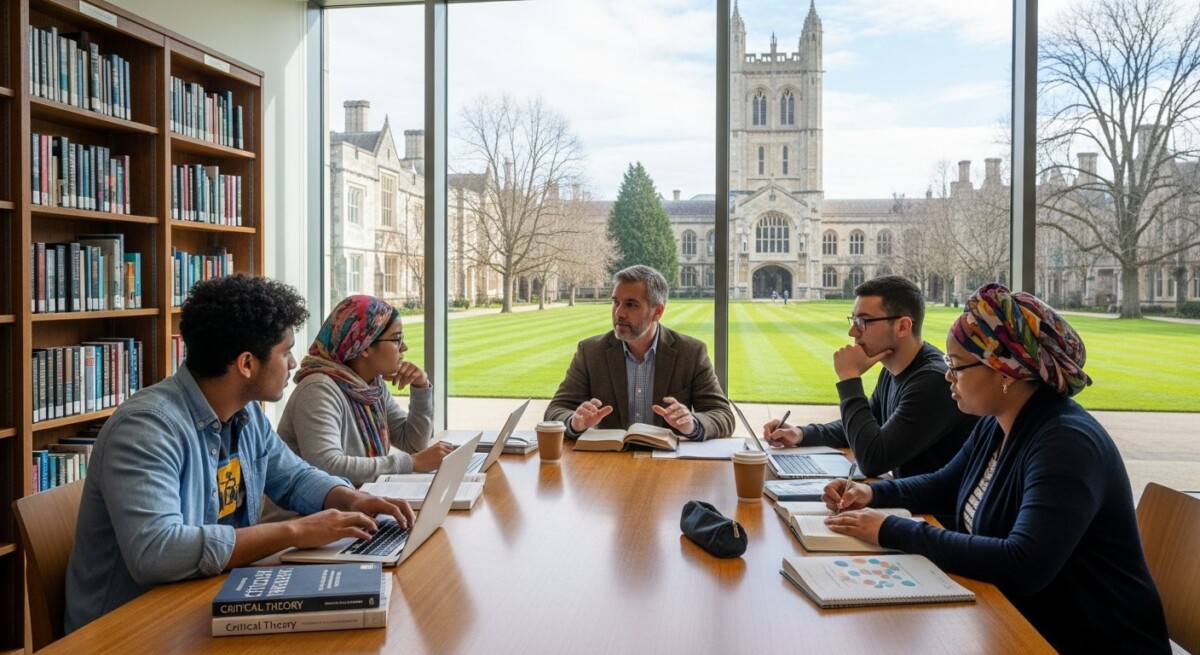
What truly sets Michigan’s leading private universities apart from their public counterparts and from each other? The distinction lies in a powerful combination of factors that create a unique educational ecosystem. First, and perhaps most fundamentally, is a commitment to a low student-to-faculty ratio. This is not merely a statistic on a brochure, it is the engine of a personalized learning environment. It means direct mentorship from professors who are leaders in their fields, engaging seminar-style classes that foster debate and critical thinking, and research opportunities for undergraduates that are often reserved for graduate students at larger schools. This intimate academic setting encourages students to dive deeply into their passions and form meaningful connections with their instructors.
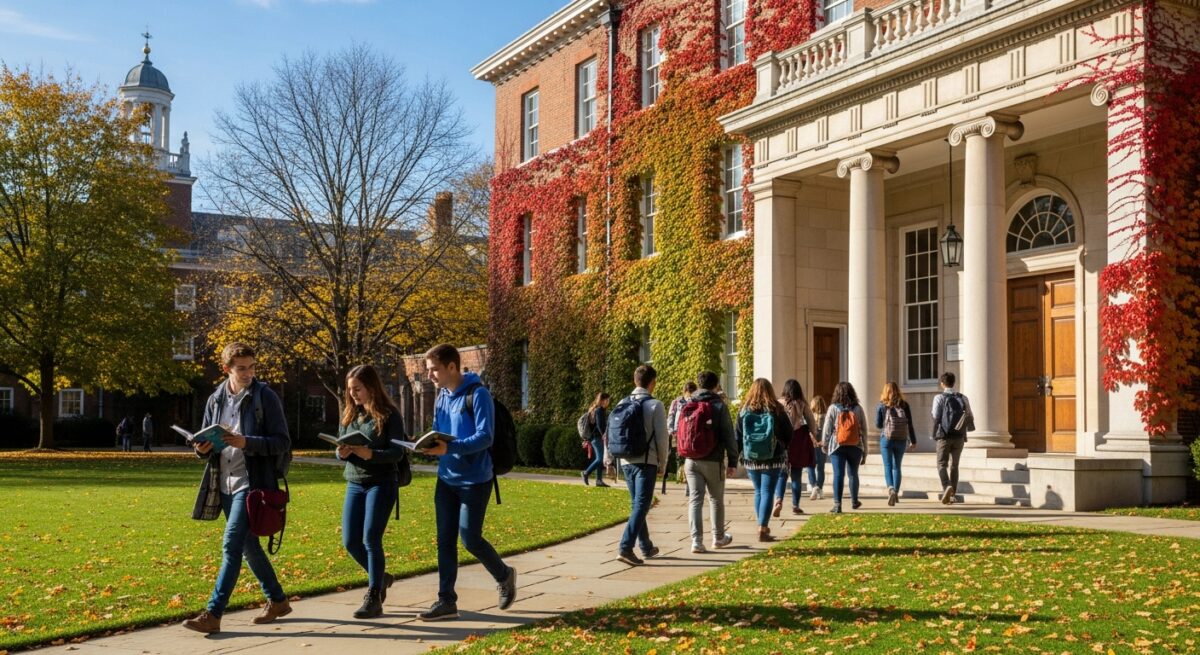
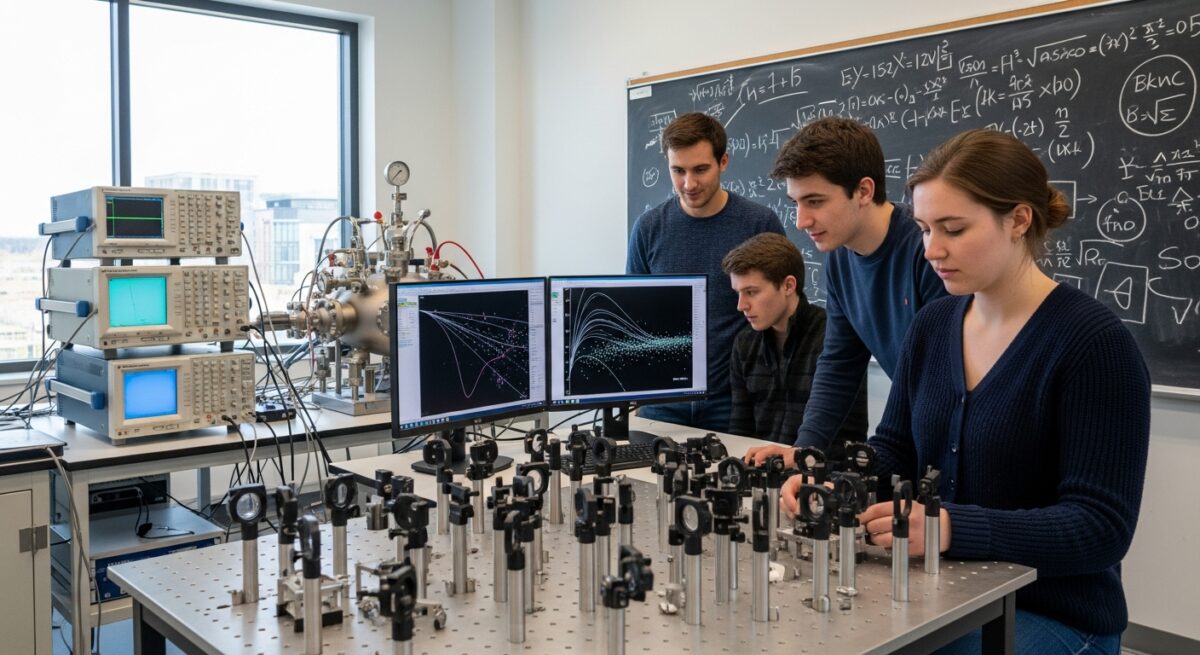
Beyond the classroom, these institutions cultivate a strong sense of community and tradition. With smaller, residential campuses, students are more than just numbers, they become part of a cohesive network. This environment supports holistic development, focusing on character, ethics, and leadership alongside academic achievement. Furthermore, private universities in Michigan often possess significant financial endowments. This wealth translates directly into student benefit: robust financial aid packages that make these elite schools accessible, state-of-the-art facilities, cutting-edge laboratory equipment, and funding for internships, study abroad programs, and independent research projects. The mission-driven focus of these schools, whether rooted in a specific religious tradition or a dedicated liberal arts philosophy, provides a clear and consistent educational framework that guides the entire student experience.
Profiles of Leading Institutions
Michigan’s landscape of top-ranked private higher education is diverse, offering different flavors of excellence to suit various academic and personal goals. Understanding the unique character of each institution is key to finding the right fit.
The University of Notre Dame
Though its main campus lies just across the state border in Indiana, the University of Notre Dame holds a profound presence in Michigan, attracting a significant number of students from the state and maintaining strong alumni networks within it. As a preeminent national research university with a Catholic foundation, Notre Dame offers a blend of top-tier academics, storied athletic tradition, and a focus on values-based education. Its programs in business (the Mendoza College of Business), engineering, law, and the liberal arts are consistently ranked among the best in the country. The university’s emphasis on service, community, and integrating faith with reason creates a distinctive campus culture that prepares graduates for leadership and impact.
Kalamazoo College
Kalamazoo College, or “K” as it is affectionately known, is the epitome of a nationally recognized liberal arts college. Its signature “K-Plan” is a dynamic approach to education built on four pillars: rigorous scholarship, experiential learning (often through externships and career development), international engagement (over 80% of students study abroad), and a senior individualized project. This intensive, personalized model ensures that students graduate not just with a degree, but with a portfolio of real-world experience, cross-cultural understanding, and deep expertise in their chosen field. For students seeking a highly immersive and transformative undergraduate experience focused on critical thinking and global citizenship, Kalamazoo College is a premier choice.
Albion College
Albion College is another cornerstone of Michigan’s private liberal arts education. With a strong commitment to academic excellence in the liberal arts and sciences, Albion emphasizes close faculty-student collaboration. Its Institute for the Study of the Environment, the Gerald R. Ford Institute for Leadership in Public Policy and Service, and the Fritz Shurmur Center for Teacher Development are examples of how Albion integrates focused, practical programs within its broad-based curriculum. The college’s focus on “liberal arts at work” ensures students connect classroom theory with practical application, preparing them effectively for careers, graduate school, and civic life. Its tight-knit campus community in a classic college town offers a supportive and engaging environment for undergraduate growth.
Other Notable Institutions
The scope of quality extends to other exceptional schools. Hope College in Holland combines top-ranked academic programs in the sciences and arts with a vibrant Christian atmosphere and a beautiful campus near Lake Michigan. Calvin University in Grand Rapids offers a comprehensive Christian liberal arts education with strong programs in engineering, nursing, and business. Adrian College, Alma College, and the University of Detroit Mercy each provide distinctive private education experiences with their own strengths in pre-professional programs, the liberal arts, and community engagement. For those considering a path in teaching, it is valuable to explore the specific degree pathways that lead to success in that field. A resource like our guide on essential college degrees for education careers can provide clarity on aligning your undergraduate studies with your professional goals.
The Value Proposition: Outcomes and Return on Investment
Investing in a private university education is a significant decision, and rightly so, families and students look for a clear return on that investment. The data and outcomes from Michigan’s top private institutions consistently demonstrate their value. Graduation rates at these schools are typically well above the national average, often exceeding 80% or even 90% for four-year graduation. This efficiency saves both time and money compared to extended tenures at other institutions. More importantly, post-graduation outcomes are strong. Alumni networks from these universities are famously loyal and well-connected, providing invaluable pathways for internships, job placements, and career mentorship.
Career support is intensive, with dedicated centers offering personalized counseling, networking events, and recruitment fairs featuring top employers. The result is high rates of employment or enrollment in prestigious graduate and professional schools within months of graduation. Furthermore, the skills cultivated at these institutions, critical thinking, effective communication, ethical reasoning, and problem-solving, are precisely the skills most valued by employers across all sectors in the modern economy. While the sticker price of private education can be daunting, it is crucial to look at the net cost. These universities frequently offer substantial merit-based scholarships and need-based financial aid packages, which can dramatically reduce the actual cost, sometimes making it comparable to or even lower than that of a public university. Prospective students should always utilize each school’s net price calculator for an accurate financial picture.
Navigating the Selection and Application Process
Identifying the right private university requires a strategic and introspective approach. The process begins with self-reflection. Students should consider their academic strengths, intended major (if known), preferred campus size and setting (urban, suburban, or small town), and the type of campus culture that will help them thrive. Once a student has a sense of their own priorities, they can begin to research schools that align with them.
Key factors to evaluate during research include:
- Academic Programs: Depth and reputation of the specific department or major, not just the overall university ranking.
- Faculty Accessibility: Opportunities for undergraduate research, average class sizes, and professor-student interaction.
- Financial Aid Philosophy: Does the school meet full demonstrated need? What is the average merit scholarship award?
- Campus Life: Quality of residence halls, student organizations, athletic programs (varsity and intramural), and surrounding community.
- Career Outcomes: Post-graduation employment and graduate school acceptance data for recent alumni.
After creating a target list, the application process itself becomes the focus. Applications to top private schools are typically holistic, meaning they consider the whole student beyond just grades and test scores. A compelling application will feature a rigorous high school curriculum with advanced placement or honors courses, strong letters of recommendation from teachers who know the student well, thoughtful and authentic essays that reveal character and intellect, and a record of meaningful extracurricular involvement or work experience. Visiting campuses, either in person or through virtual tours, is highly recommended to get a genuine feel for the environment. Finally, engaging deeply with admissions representatives and meeting all deadlines, especially for early decision or early action plans if offered, is critical. For comprehensive college degree information that can aid in this complex planning stage, dedicated educational resources are invaluable.
Frequently Asked Questions
Are private universities in Michigan worth the higher tuition cost?
The value depends on the individual student and the financial aid package offered. While tuition is higher, private universities often provide generous scholarships and aid, reducing the net cost. The return comes from high graduation rates, small class sizes, personalized attention, strong alumni networks, and excellent career outcomes, which can justify the investment for many families.
How do I afford a top-ranked private education?
Start by filing the FAFSA (Free Application for Federal Student Aid) as early as possible. This unlocks federal grants, loans, and work-study. Each private university will also have its own financial aid application. Actively apply for external scholarships from community organizations, businesses, and national foundations. Be sure to negotiate your financial aid award letter if you have compelling offers from comparable institutions.
What is the difference between a liberal arts college and a private university?
Liberal arts colleges (like Kalamazoo or Albion) typically focus exclusively on undergraduate education in a broad range of disciplines in the humanities, sciences, and social sciences. They emphasize critical thinking and general knowledge. Private universities (like Notre Dame) may include undergraduate colleges but also have graduate and professional schools (e.g., business, law, engineering). They often offer more specialized undergraduate majors and larger-scale research opportunities.
Do I need to be religious to attend a faith-based private university in Michigan?
Not necessarily. While schools like Notre Dame, Hope, and Calvin have religious affiliations and incorporate faith into their mission, they welcome students of all (or no) religious backgrounds. The campus culture will be influenced by its faith tradition, but students are generally not required to adhere to that faith, though they may be required to take some theology or religion courses.
How important are college rankings when choosing a private school?
Rankings can be a useful starting point for identifying reputable schools, but they should not be the sole deciding factor. A school ranked slightly lower might be a perfect fit for your academic interests, personality, and career goals. It is more important to drill down into department-specific strengths, campus culture, financial aid offers, and post-graduation success rates than to choose based on a general ranking number alone.
The journey to selecting the right institution is a deeply personal one, requiring a balance of practical research and intuitive fit. Michigan’s array of top-ranked private universities and colleges offers pathways to success that are as diverse as the students they serve. By focusing on the educational experience that aligns with your aspirations and values, you can find a community that will challenge, support, and prepare you for a meaningful and successful future. The investment in this decision is an investment in your own potential, and the landscape of private higher education in Michigan is rich with opportunities to realize it.