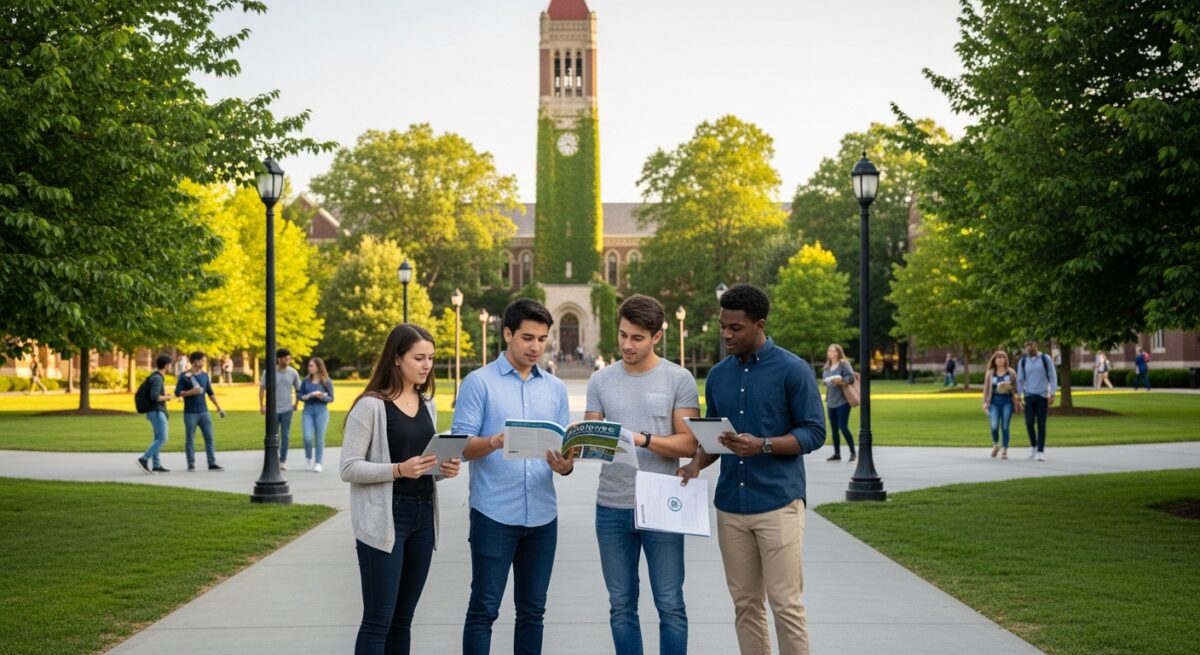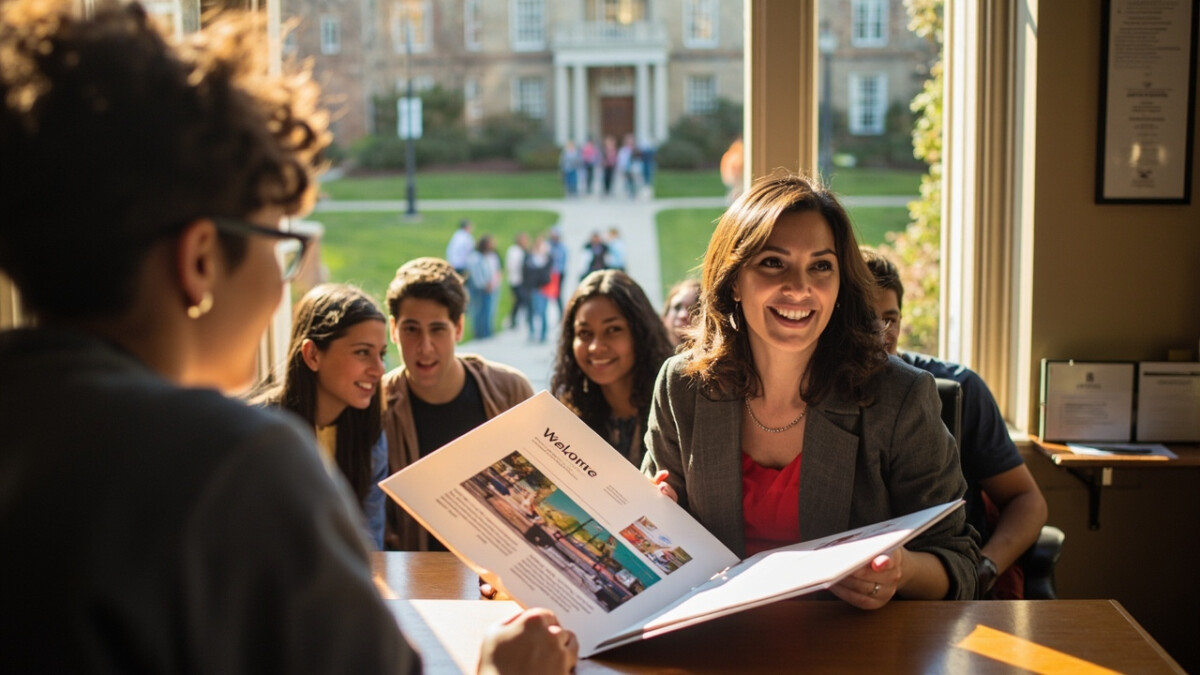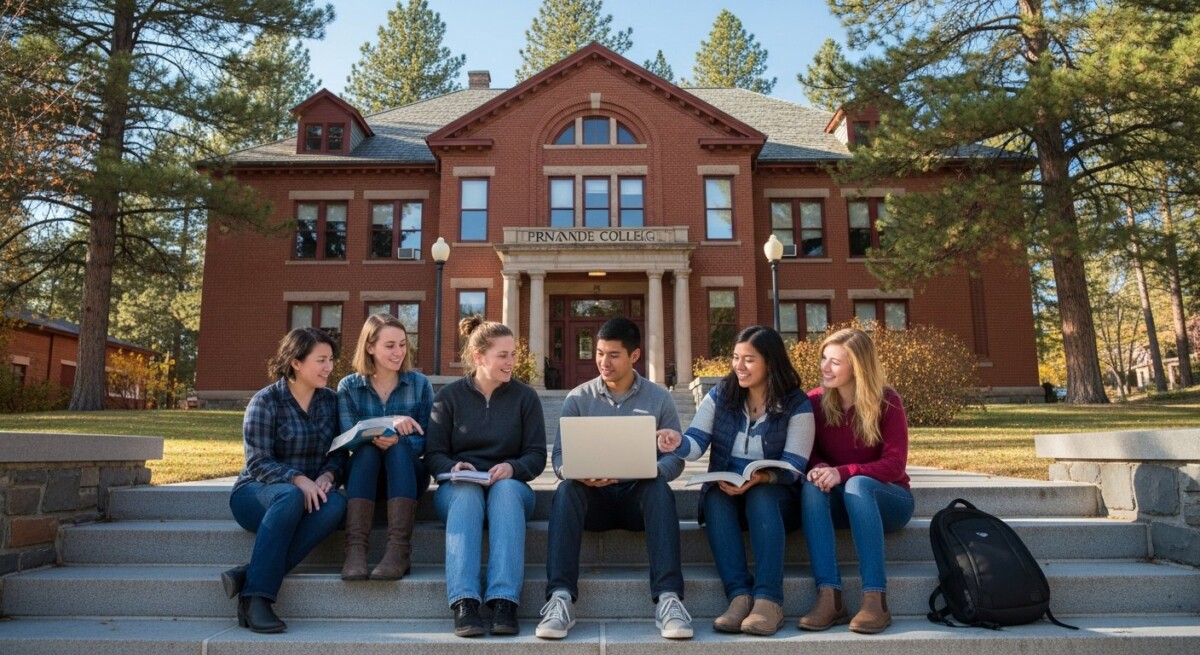
Montana is known for its vast landscapes, rugged mountains, and a strong sense of independence. But for students seeking a focused, personalized college experience, the state also offers a surprising number of excellent private higher education options. While the state’s public university system is well regarded, private institutions in Montana provide smaller class sizes, distinct academic missions, and close-knit communities that many students find invaluable. Whether you are a high school student beginning your search or a working adult looking for a career change, understanding the top private higher education institutions in Montana can help you make an informed decision about your future.
This guide explores the leading private colleges and universities in Montana, their unique strengths, and how they compare to public alternatives. We also discuss what makes a private education worth the investment and how to navigate the admission and financial aid process. By the end, you will have a clear picture of which institution might be the right fit for your academic and professional goals.
Why Choose a Private College in Montana?
Private colleges often offer a different educational experience compared to large public universities. In Montana, private institutions tend to have smaller student populations, which allows for more direct interaction with professors, personalized advising, and a stronger sense of community. Many private colleges also have a specific mission or focus, such as a liberal arts foundation, a religious affiliation, or a career-oriented curriculum.
Another advantage is the potential for generous financial aid packages. While the sticker price of a private college may be higher than that of a public university, private schools often have substantial endowments and scholarship funds. Many students find that after grants, scholarships, and other aid, the net cost of attending a private college is competitive with or even lower than that of a public institution.
For students who value close mentorship, small seminars, and a supportive environment, the top private higher education institutions in Montana offer compelling options. These schools also frequently have strong alumni networks and career services that help graduates succeed after college.
Carroll College: A Liberal Arts Powerhouse
Located in Helena, Carroll College is one of the most prestigious private colleges in Montana. It is a Catholic liberal arts college that consistently ranks among the best in the region. Carroll is known for its rigorous academic programs, particularly in the natural sciences, engineering, and pre-professional tracks.
The college has a strong reputation for undergraduate research, with many students presenting their work at national conferences. The faculty are deeply engaged in teaching and mentoring, and class sizes are small enough that every student receives individual attention. Carroll also has a vibrant campus life, with over 60 student organizations and a strong athletics program in the NAIA.
For students interested in health professions, Carroll offers excellent pre-med, pre-dental, and pre-pharmacy programs. The college’s acceptance rate to medical schools is among the highest in the region. Additionally, Carroll’s engineering program, in partnership with other universities, allows students to complete a 3-2 dual-degree plan.
Financial aid at Carroll is competitive, with many students receiving merit-based scholarships. The college also offers need-based grants and work-study opportunities. If you are looking for a tight-knit academic community with a strong liberal arts foundation, Carroll College is a top contender.
Rocky Mountain College: Tradition and Innovation
Rocky Mountain College in Billings is Montana’s oldest private college, founded in 1878. It is affiliated with the United Church of Christ, the Presbyterian Church, and the United Methodist Church, giving it a unique ecumenical heritage. The college offers a broad range of undergraduate programs, with particular strengths in aviation, equestrian studies, and the health sciences.
The aviation program at Rocky Mountain College is one of the few in the region and has a strong track record of placing graduates with major airlines. The college’s partnership with Billings Logan International Airport provides students with hands-on flight training. Similarly, the equestrian program is well regarded, with excellent facilities and competitive teams.
Rocky Mountain College also has a robust liberal arts curriculum, and students are encouraged to explore multiple disciplines before declaring a major. The college emphasizes experiential learning, internships, and community engagement. Billings, as the largest city in Montana, offers students access to internships, part-time jobs, and cultural activities.
Tuition at Rocky Mountain College is comparable to other private institutions, but the college offers a variety of scholarships and financial aid packages. The average class size is around 15 students, ensuring that professors know each student by name.
University of Providence: Focused on Healthcare and Service
The University of Providence, located in Great Falls, is a Catholic university that specializes in healthcare and service-oriented programs. It was originally founded as the College of Great Falls and later renamed to reflect its mission. The university offers undergraduate and graduate degrees, with a strong emphasis on nursing, health administration, and social work.
One of the standout features of the University of Providence is its nursing program, which has excellent clinical placement rates and state-of-the-art simulation labs. Students benefit from small class sizes and faculty who are practicing professionals. The university also offers online and hybrid programs for working adults, making it a flexible option for career changers.
The University of Providence is deeply committed to community service, and all students are encouraged to participate in volunteer projects. The campus is small but welcoming, and the student-to-faculty ratio is about 10:1. For students seeking a career in healthcare or human services, this institution is a strong choice among the top private higher education institutions in Montana.
Montana Technological University: A Unique Public-Private Character
While Montana Tech is a public university, it is worth mentioning because of its unique focus on engineering, science, and technology. However, for students who are strictly looking at private schools, it is important to note that Montana Tech’s tuition for out-of-state students is high, and it does not offer the same small-classroom experience as true private colleges. For a more personalized education in STEM fields, many students consider private alternatives like Carroll College or Rocky Mountain College.
If you are comparing public and private options, you may want to read our detailed guide on top ranked universities in Montana to see how all institutions stack up against each other.
Comparing Private and Public Higher Education in Montana
When deciding between a private college and a public university in Montana, there are several factors to consider. Private institutions typically offer:
- Smaller class sizes and lower student-to-faculty ratios
- More personalized academic advising and mentorship
- Stronger alumni networks and career placement services
- Greater flexibility in curriculum design
Public universities, on the other hand, often have lower tuition for in-state residents, a wider variety of majors, and larger campus facilities. However, the cost gap between private and public can be misleading. Many private colleges offer substantial discounts through scholarships, making the net price similar to a public university.
Another important factor is the graduation rate. Private colleges in Montana tend to have higher four-year graduation rates compared to public institutions. This means students are more likely to graduate on time, which can reduce overall costs and accelerate entry into the workforce.
For students who are unsure about their career path, a private liberal arts college can provide a broad education that develops critical thinking, writing, and problem-solving skills. These skills are highly valued by employers and graduate schools alike.
Financial Aid and Scholarships at Montana Private Colleges
Paying for a private college education can be daunting, but the reality is that most students do not pay the full sticker price. Private colleges in Montana offer a range of financial aid options:
- Merit-based scholarships for high academic achievement
- Need-based grants for students with financial need
- Talent-based awards for athletics, music, or art
- Work-study programs that allow students to earn money while gaining experience
To maximize your financial aid, it is important to submit the Free Application for Federal Student Aid (FAFSA) early and to explore institutional scholarships. Many private colleges also have their own financial aid applications. For more detailed information on how to navigate financial aid and choose the right degree program, you can visit college degree information resources that explain the process step by step.
Students should also consider the total cost of attendance, which includes tuition, fees, room and board, books, and personal expenses. Private colleges often provide a net price calculator on their websites to help families estimate actual costs.
Frequently Asked Questions
What is the best private college in Montana?
There is no single best college for everyone. Carroll College is often ranked highest for liberal arts and pre-professional programs, while Rocky Mountain College excels in aviation and equestrian studies. The University of Providence is ideal for healthcare careers. The best choice depends on your academic interests and personal preferences.
Are private colleges in Montana expensive?
Private colleges have higher sticker prices than public universities, but many offer generous scholarships and financial aid. For many students, the net cost is comparable to or even lower than that of a public university.
Do private colleges in Montana offer online degrees?
Yes, some private colleges in Montana offer online and hybrid programs. The University of Providence, for example, has online options for nursing and health administration degrees. Carroll College and Rocky Mountain College also offer some online courses.
How do I apply to a private college in Montana?
Most private colleges accept the Common Application or their own application. You will need to submit transcripts, test scores (if required), letters of recommendation, and a personal essay. Be sure to check each college’s specific requirements and deadlines.
Can I get a scholarship to a private college in Montana?
Absolutely. Private colleges offer a wide range of scholarships based on merit, need, and talent. It is important to apply early and to complete the FAFSA to be considered for federal and state aid as well.
Making Your Decision
Choosing a college is a major life decision, and the top private higher education institutions in Montana offer distinct advantages for students who value personal attention, a strong community, and a focused academic mission. Whether you are drawn to the liberal arts tradition of Carroll College, the innovative programs at Rocky Mountain College, or the healthcare focus of the University of Providence, each institution provides a path to a successful future.
Take the time to visit campuses, talk to current students and professors, and compare financial aid packages. The right fit is out there, and Montana’s private colleges are ready to welcome you.