When students and families begin exploring higher education in the Midwest, Wisconsin often stands out for its blend of academic rigor, community values, and scenic campus settings. While the state’s public university system is well known, the leading private higher education options in Wisconsin offer distinct advantages: smaller class sizes, strong alumni networks, and specialized programs that can accelerate career readiness. For anyone weighing the choice between a large public institution and a private college, understanding what Wisconsin’s private schools provide is essential.
Private colleges in Wisconsin have a long tradition of producing leaders in business, healthcare, technology, and the arts. These institutions often emphasize close mentorship, undergraduate research, and experiential learning. Many also offer generous merit-based scholarships and need-based financial aid, making them more accessible than the sticker price might suggest. Whether you are a high school student just starting the college search or an adult learner considering a career change, exploring these schools can open doors to opportunities that align with your goals.
This article examines several of the most respected private institutions in the state, covering what makes each unique, how to evaluate fit, and what financial considerations come into play. We also answer frequently asked questions to help you make an informed decision. For a broader perspective on degree pathways and school comparisons, you can explore our comprehensive resource on college degree information to see how private options stack up against public and online alternatives.
Why Choose a Private College in Wisconsin?
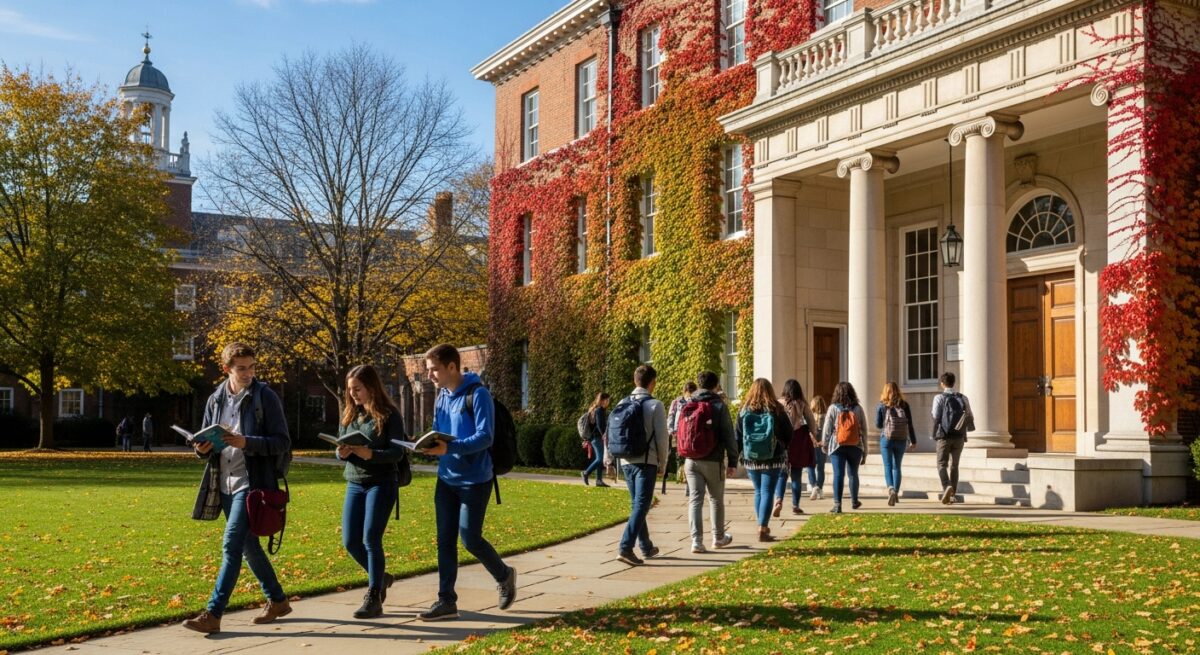
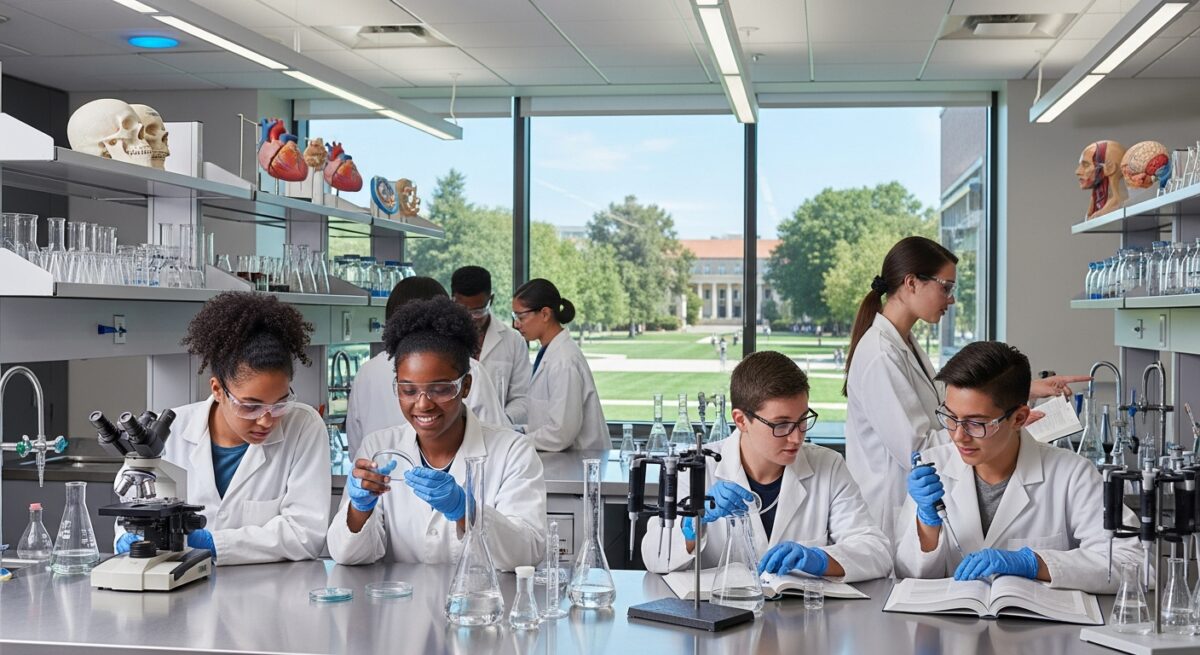
Private colleges in Wisconsin offer several advantages that appeal to students seeking a personalized education. One major benefit is the student-to-faculty ratio. At many private institutions, class sizes average under 20 students, which allows professors to give individualized attention. This environment fosters deeper discussions, stronger mentoring relationships, and more opportunities for hands-on learning in labs, studios, and field placements.
Another advantage is the focus on undergraduate teaching. Unlike large research universities where graduate assistants often lead introductory courses, private colleges typically have full professors teaching first-year classes. This direct access to experienced faculty can make a significant difference in academic performance and engagement.
Additionally, private colleges often have robust career services and alumni networks. Because these schools are smaller, alumni tend to feel a stronger connection to their alma mater and are more willing to help current students with internships, job shadowing, and employment. Many private institutions also have dedicated centers for professional development that offer resume workshops, mock interviews, and networking events.
Finally, private colleges in Wisconsin frequently provide generous financial aid packages. While the published tuition may be higher than public universities, the actual cost after scholarships and grants can be comparable or even lower. Many schools meet 100 percent of demonstrated financial need, and merit scholarships reward strong academic performance regardless of family income.
Leading Private Higher Education Options in Wisconsin
The following institutions represent some of the leading private higher education options in Wisconsin. Each has a distinct character and area of strength, so it is important to consider your academic interests, career goals, and campus preferences when evaluating them.
Marquette University (Milwaukee)
Marquette University is a Jesuit Catholic research university located in downtown Milwaukee. It enrolls about 11,000 students, making it one of the larger private universities in the state. Marquette is well known for its programs in business, engineering, nursing, law, and communication. The university emphasizes service learning and social justice, encouraging students to engage with the local community through volunteer work and internships.
Marquette’s campus is situated near Lake Michigan and offers easy access to Milwaukee’s cultural and professional opportunities. The university has strong ties to major employers in the region, including Johnson Controls, Northwestern Mutual, and Aurora Health Care. Students benefit from a robust career center that hosts multiple job and internship fairs each year.
Lawrence University (Appleton)
Lawrence University is a private liberal arts college and conservatory of music in Appleton. With about 1,500 students, Lawrence offers a close-knit academic community where interdisciplinary study is encouraged. The curriculum emphasizes flexibility: students can design their own majors, combine fields across the arts and sciences, and pursue independent research or creative projects.
Lawrence is especially known for its music conservatory, which is one of the oldest in the country. Students in the conservatory receive rigorous training while also completing a liberal arts education. The campus itself is known for its beautiful architecture and vibrant arts scene, with frequent concerts, exhibitions, and guest lectures.
Beloit College (Beloit)
Beloit College is a small liberal arts college located in southern Wisconsin, about 90 minutes from Chicago. It enrolls around 1,000 students and is known for its innovative curriculum, which includes a first-year seminar called “Critical Thinking in the Arts and Sciences” and a required capstone project. Beloit emphasizes experiential learning, with many courses incorporating fieldwork, study abroad, and community-based research.
The college is also famous for its “Beloit Mindset List,” an annual publication that highlights the cultural touchstones of incoming first-year students. This tradition reflects Beloit’s commitment to understanding each generation of learners. Students at Beloit benefit from close faculty mentorship and a supportive campus culture that values creativity and intellectual curiosity.
St. Norbert College (De Pere)
St. Norbert College is a Catholic liberal arts college located near Green Bay. It enrolls about 2,000 students and is known for its strong programs in business, education, and the natural sciences. The college emphasizes leadership development and ethical decision-making, with many students participating in the Norman Miller Center for Peace, Justice, and Public Life.
St. Norbert also offers a distinctive First-Year Experience program that helps students transition to college life through small-group discussions, community service, and academic advising. The campus is located on the Fox River and provides a scenic, safe environment for study and recreation.
Carthage College (Kenosha)
Carthage College is a private liberal arts college situated on the shore of Lake Michigan in Kenosha. It enrolls about 2,800 students and offers programs in the arts, sciences, business, education, and health professions. Carthage is known for its strong visual and performing arts programs, as well as its pre-professional tracks in law, medicine, and engineering.
The college has a beautiful lakefront campus with modern facilities, including a state-of-the-art science center and a new student union. Carthage emphasizes career preparation through its Aspire program, which helps students build a professional portfolio, complete internships, and connect with alumni mentors.
Key Factors to Consider When Choosing a Private College
Selecting among the leading private higher education options in Wisconsin requires careful thought. Below are several factors to evaluate as you compare schools.
- Academic programs and majors: Ensure the school offers strong programs in your area of interest. Look for accreditation, faculty credentials, and opportunities for undergraduate research or internships.
- Campus culture and size: Visit campuses if possible to get a feel for the community. Consider whether you prefer a small college (under 2,000 students) or a mid-sized university (2,000 to 12,000 students).
- Location and setting: Urban campuses like Marquette offer city amenities and internship access. Rural or suburban campuses like Lawrence or Beloit provide a quieter environment with strong community bonds.
- Financial aid and net price: Use each school’s net price calculator to estimate your actual cost after aid. Compare merit scholarships and need-based grants.
- Career outcomes: Research graduation rates, job placement statistics, and graduate school acceptance rates. Many schools publish this data on their websites.
Spending time on these factors will help you identify which schools align with your priorities. It is also wise to speak with current students or alumni to get an insider perspective on daily life and support systems.
Financial Considerations and Affordability
One of the most common concerns about private colleges is cost. While tuition at private institutions can exceed $50,000 per year, the actual price paid by most students is significantly lower. According to the National Association of College and University Business Officers, the average discount rate at private colleges is over 50 percent, meaning many students pay half the sticker price or less.
Wisconsin private colleges offer a variety of financial aid options:
- Merit-based scholarships: Awarded based on GPA, test scores, and extracurricular achievements. These do not require repayment.
- Need-based grants: Provided to students who demonstrate financial need through the FAFSA. Some schools meet 100 percent of demonstrated need.
- Federal and state grants: Programs like the Pell Grant and Wisconsin Grant can be used at private colleges.
- Work-study programs: Allow students to earn money through on-campus jobs.
- Private loans: Should be used as a last resort after scholarships and federal loans.
To get an accurate picture of costs, families should complete the FAFSA and, for some schools, the CSS Profile. Many private colleges also offer free application fee waivers for students who qualify for financial aid. It is worth contacting each school’s financial aid office directly to ask about additional scholarships or payment plans.
Frequently Asked Questions
Q: Are private colleges in Wisconsin more expensive than public universities?
A: The sticker price is higher, but after financial aid, the net cost can be comparable. Many private colleges offer generous scholarships that make them affordable for middle-income families.
Q: Do private colleges in Wisconsin offer online degree programs?
A: Some do, especially for graduate programs and professional certificates. However, most private liberal arts colleges focus on residential undergraduate education. For fully online options, you may want to explore dedicated online programs.
Q: How do I apply to private colleges in Wisconsin?
A: Most use the Common Application or the Coalition Application. Check each school’s website for specific requirements, including essays, recommendations, and test score policies. Many schools are test-optional, meaning you can choose whether to submit SAT or ACT scores.
Q: What is the average class size at private colleges in Wisconsin?
A: Class sizes vary by school and subject, but most introductory classes have 15 to 30 students. Upper-level courses often have 10 to 20 students. This is much smaller than the lecture halls common at large public universities.
Q: Can I transfer credits from a private college to a public university in Wisconsin?
A: Yes, but the transfer process depends on the specific institutions. Wisconsin has a statewide transfer agreement that facilitates credit transfer between many public and private schools. Always confirm with the receiving institution before enrolling.
Making Your Final Decision
Choosing among the leading private higher education options in Wisconsin is a personal decision that depends on your academic interests, career goals, and financial situation. It is worth visiting campuses, talking to current students, and reviewing each school’s outcomes data. Remember that the best college for you is one where you feel intellectually challenged, supported by faculty and peers, and prepared for your next steps after graduation.
Wisconsin’s private colleges offer a wealth of opportunities for students who value personalized education, strong mentorship, and a tight-knit community. By taking the time to research each option thoroughly and asking the right questions about academics, culture, and cost, you can find a school that sets you up for success. Whether you choose a large urban university like Marquette or a small liberal arts college like Beloit, you will be joining a network of alumni who have gone on to make meaningful contributions in their fields.