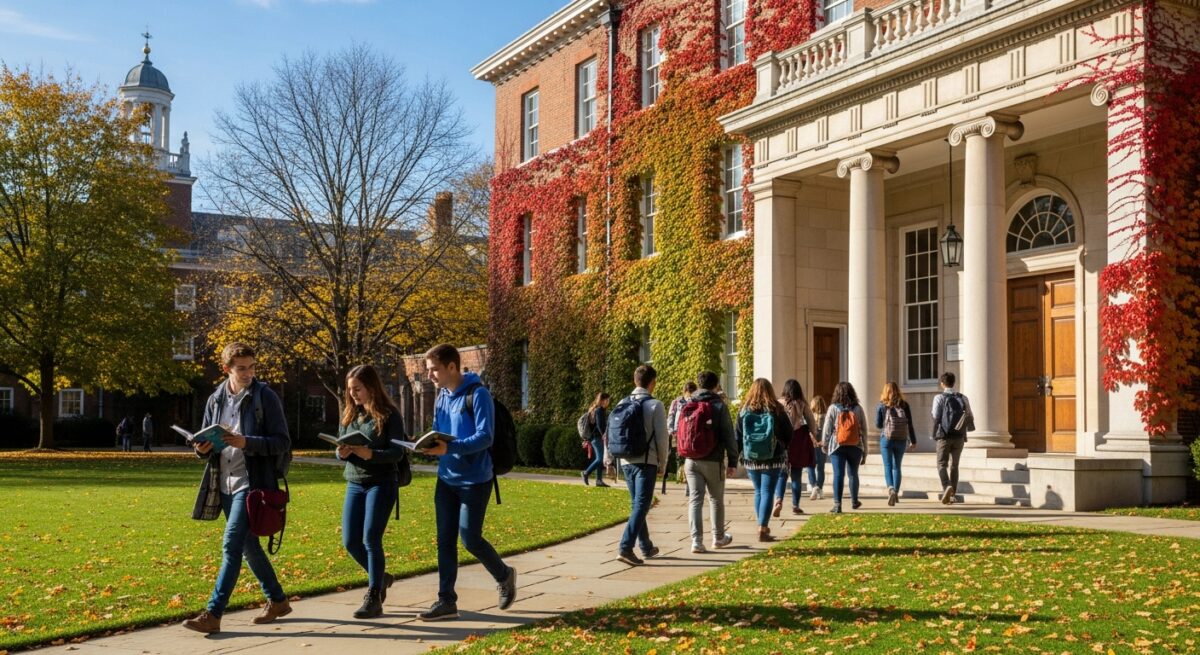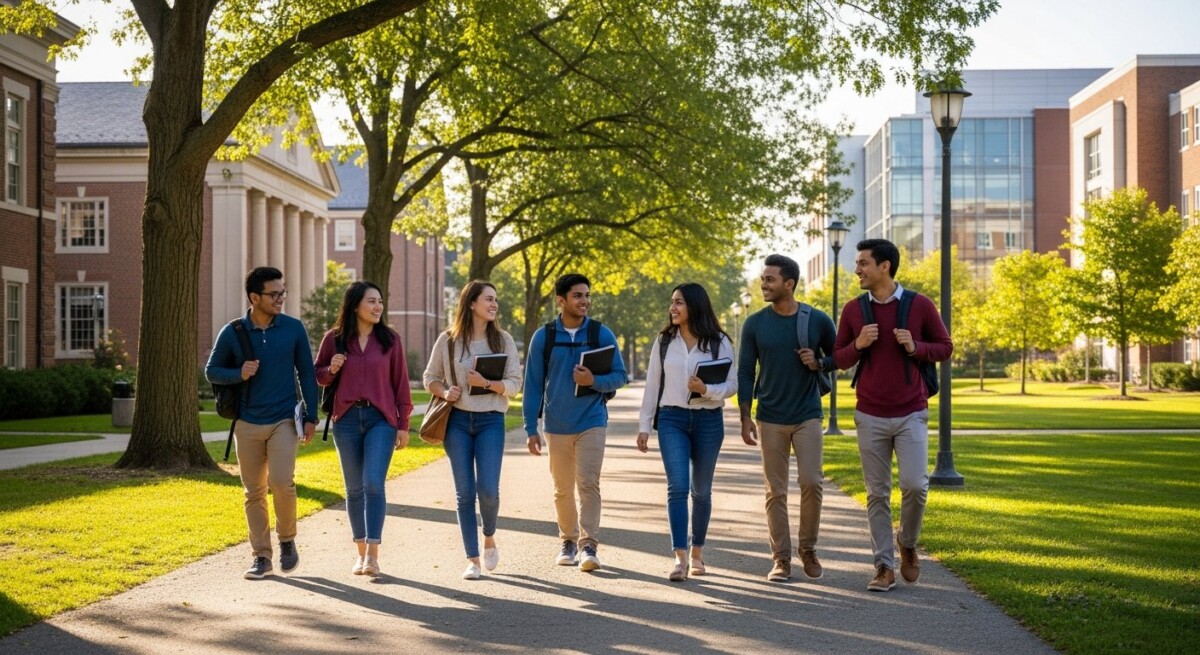
Choosing the right college is a pivotal decision that shapes your academic journey and future career. For students considering Indiana, the state boasts a remarkable collection of private institutions, each offering distinct strengths, traditions, and educational philosophies. These schools provide an alternative to large public universities, often featuring smaller class sizes, close-knit communities, and mission-driven curricula. This guide explores the best private institutions for higher education in Indiana, helping you identify the campus that aligns with your personal, academic, and professional aspirations.
Defining Excellence in Indiana’s Private Higher Education
What makes a private institution in Indiana stand out as a top choice for higher education? The answer extends beyond simple rankings. While national recognition is important, the best schools demonstrate a consistent commitment to undergraduate teaching, student success, and post-graduate outcomes. Key factors include rigorous academic programs with opportunities for hands-on research, a supportive and engaged campus community, robust career services with strong employer connections, and a clear return on investment. Indiana’s leading private colleges excel in creating environments where students are known by name, mentored by faculty, and challenged to grow both intellectually and personally. This personalized approach is a hallmark of the private education experience in the Hoosier State.
Furthermore, these institutions often have specialized strengths, from renowned engineering and business programs to exceptional offerings in the liberal arts, health sciences, and music. Their private status allows for focused investment in specific areas of excellence and the cultivation of a unique campus culture. When evaluating the best private institutions for higher education in Indiana, prospective students should consider how each school’s size, location, values, and academic specialties match their own goals. For those exploring various academic routes, our resource on essential college degrees for education careers offers valuable insights into aligning your major with professional outcomes.
Leading Private Universities in Indiana
Indiana is home to several private universities with national reputations for academic excellence and research. These institutions offer a comprehensive range of undergraduate, graduate, and professional degrees, often within a residential campus setting that fosters deep community engagement.
The University of Notre Dame, located in South Bend, is consistently ranked among the top national universities. Its distinctive Catholic character underpins a commitment to service, ethics, and holistic education. Notre Dame is renowned for its Mendoza College of Business, College of Engineering, and law school, alongside a strong foundation in the liberal arts. The vibrant campus life, fueled by storied athletic traditions and a global alumni network, creates an unparalleled student experience.
Butler University in Indianapolis offers a blend of a liberal arts core with professional preparation in a mid-sized setting. Its location in the state’s capital provides immense opportunities for internships and cultural engagement. Butler is particularly noted for its Jordan College of the Arts, especially the dance and pharmacy programs, and its Lacy School of Business. The university emphasizes experiential learning, ensuring students graduate with both knowledge and practical skills.
Valparaiso University, northwest of Indianapolis, is a Lutheran-affiliated institution known for its engineering, nursing, and Christ College (the honors college). It emphasizes a values-centered education that integrates faith, learning, and service. The university’s study abroad participation rate is notably high, reflecting a commitment to global citizenship.
Exceptional Private Liberal Arts Colleges
For students seeking an intensive undergraduate-focused education grounded in the liberal arts and sciences, Indiana’s private liberal arts colleges are exceptional choices. These institutions prioritize critical thinking, communication, and interdisciplinary learning as the foundation for any career path.
DePauw University in Greencastle is a premier national liberal arts college famous for its School of Music and the Media Fellows program. Its Winter Term and robust study abroad options encourage immersive learning experiences. DePauw’s alumni network is exceptionally active and supportive, providing strong career mentorship for graduates.
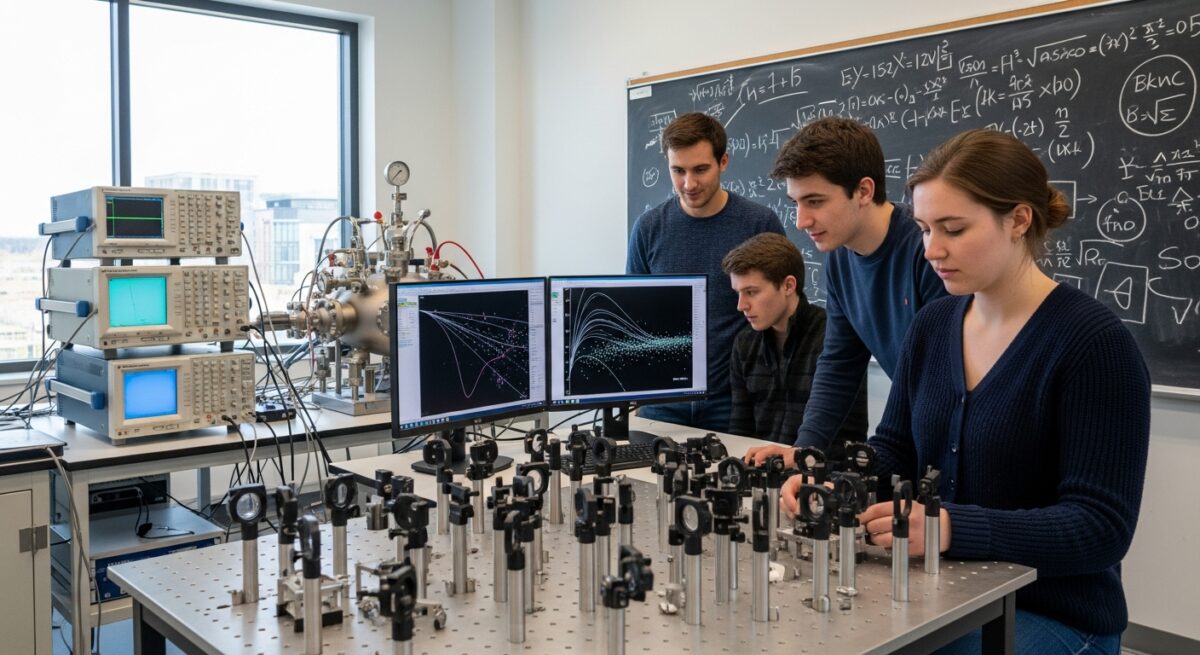
Earlham College in Richmond, guided by Quaker principles, emphasizes community, peace, and global justice. It offers a collaborative, seminar-style learning environment and is recognized for its programs in the sciences, peace and global studies, and its Center for Global Health. Earlham’s commitment to undergraduate research is profound, with students regularly co-authoring papers with faculty.
Wabash College in Crawfordsville stands out as one of the few remaining all-male liberal arts colleges in the nation. It boasts a remarkable tradition of producing leaders and maintains a rigorous academic environment with a required comprehensive senior oral examination. Wabash has exceptionally high medical school and law school acceptance rates, demonstrating the effectiveness of its model.
Specialized and Faith-Based Institutions
Indiana’s landscape of private higher education is richly diversified by institutions with specialized missions or deep religious affiliations. These schools offer targeted programs and communities built around shared values and professional goals.
The University of Indianapolis is a comprehensive institution with a strong focus on health sciences, including top-rated physical therapy, occupational therapy, and nursing programs. Its partnership with the nearby Community Health Network provides unparalleled clinical training opportunities. The university also maintains a respected liberal arts core and business school.
Goshen College, a Mennonite liberal arts college, is nationally recognized for its peace and conflict studies program and its commitment to sustainability and service-learning. Its unique Study-Service Term sends all students abroad for a culturally immersive experience, aligning academic work with service.
For students pursuing careers in music, art, or design, specialized schools offer conservatory-level training. While not all are based in Indiana, many students from the state consider such paths. Understanding the full spectrum of degree options is crucial, and seeking clear college degree information from reliable sources is a key step in planning any specialized academic journey.
Key Factors in Your Decision Making
Selecting the right private institution requires a careful evaluation of multiple personal and practical factors. Beyond academic reputation, consider the following elements to find your best fit.
First, analyze the financial picture. Private tuition is typically higher than public in-state rates, but these institutions often provide substantial merit-based scholarships and need-based aid. It is essential to use each school’s net price calculator and understand the total cost of attendance, including fees, housing, and materials. The long-term value, measured by graduation rates, default rates on student loans, and average early-career salaries, is a critical component of the return on investment.
Second, assess campus culture and student life. Visit campuses if possible, or take virtual tours. Ask current students about the social atmosphere, residential life, and relationship with the surrounding community. Consider whether the school’s size and location (urban, suburban, or rural) suit your personality. The following list highlights key aspects to investigate during your research:
- Academic Support: Availability of tutoring, writing centers, and faculty office hours.
- Career Outcomes: Strength of internship placement, career counseling, and alumni networking events.
- Campus Facilities: Quality of laboratories, libraries, performance spaces, and recreational centers.
- Student Diversity: The institution’s commitment to fostering an inclusive environment for students of all backgrounds.
- Spiritual Life (if applicable): How the school’s religious mission is integrated into campus life and academics.
Finally, delve into the specifics of your intended major. Look at department faculty credentials, required courses, opportunities for undergraduate research or creative work, and capstone project requirements. A strong department within a smaller college can often provide more access and mentorship than a highly ranked but impersonal program at a larger university.
Frequently Asked Questions
Are private colleges in Indiana more expensive than public ones?
While the published tuition and fees are generally higher at private institutions, the actual cost you pay (the “net price”) can be comparable to or even lower than public universities after institutional scholarships and grants are applied. It is vital to complete the FAFSA and each school’s financial aid process to see your personalized offer.
What is the advantage of a small private college over a large public university?
The primary advantages often include smaller class sizes, more direct access to professors for mentorship and research, a cohesive campus community, and a curriculum that emphasizes writing, discussion, and interdisciplinary thinking. These factors can lead to high graduation rates and strong preparation for graduate school or specific professional fields.
Do employers value degrees from Indiana’s private colleges?
Yes, employers highly regard graduates from Indiana’s top private institutions. These schools have strong regional and often national reputations, and their career services offices typically have deep connections with employers. The well-rounded education and soft skills (communication, critical thinking) developed are particularly valued in the workforce.
How important is religious affiliation when choosing a school?
This depends entirely on the student. Some students seek an environment where faith is integrated into learning and community life. Others may prefer a school with a historical affiliation that influences values but operates in a largely secular manner. It’s important to research how the affiliation manifests in daily campus life, chapel requirements, and curriculum.
Can I get a good STEM education at a private liberal arts college in Indiana?
Absolutely. Schools like DePauw, Earlham, and Wabash have excellent and rigorous science, technology, engineering, and mathematics programs. Their liberal arts context means STEM students also develop strong communication and ethical reasoning skills. High rates of student-faculty research collaboration often give undergraduates lab experience that is reserved for graduate students at larger institutions.
Indiana’s array of private colleges and universities offers pathways to success for a wide spectrum of students. From the national research profile of Notre Dame to the intimate, transformative learning at Earlham or Wabash, the common thread is a dedicated focus on the individual student. By carefully weighing academic offerings, campus culture, financial considerations, and post-graduate goals, you can identify the private institution in Indiana that will best serve as the launchpad for your future. The investment in this decision-making process is the first step toward a rewarding and impactful higher education experience.