Choosing the right university for a physics degree is a pivotal decision that shapes a scientist’s career trajectory, research opportunities, and intellectual development. For science students passionate about unraveling the mysteries of the universe, from quantum mechanics to cosmology, the institution they attend provides the foundational toolkit, mentorship, and environment necessary for success. The best physics universities for science students are distinguished not merely by prestige, but by a synergistic combination of groundbreaking research, exceptional teaching, state-of-the-art facilities, and a culture that nurtures curiosity. This guide delves into the critical factors that define top physics colleges and highlights institutions that exemplify these qualities, offering a roadmap for students embarking on this rigorous academic journey.
Defining Excellence in Physics Education
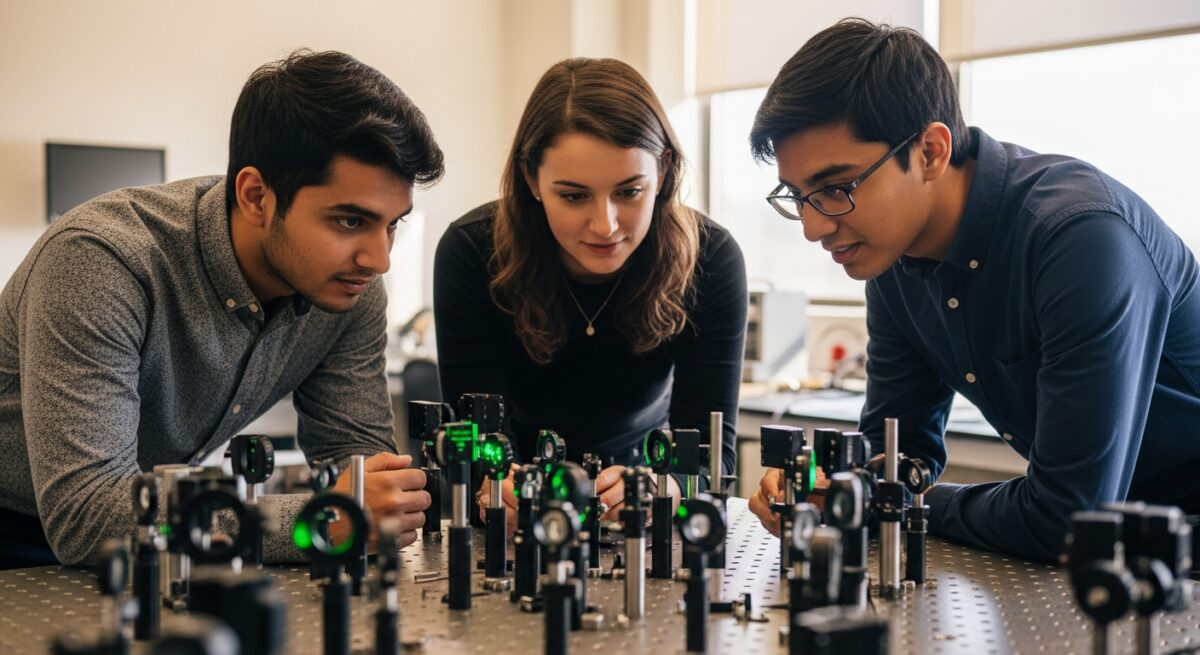
What separates a good physics program from a truly transformative one? The answer lies in a multifaceted ecosystem designed to cultivate the next generation of physicists. Leading physics degree schools create an environment where theoretical learning is seamlessly integrated with hands-on experimental work. They boast faculty who are active leaders in their fields, contributing to advancements in particle physics, condensed matter, astrophysics, and beyond. This direct connection to the frontier of knowledge means undergraduate and graduate students often have opportunities to participate in meaningful research projects early in their academic careers.
Furthermore, these institutions invest heavily in infrastructure. Access to advanced laboratories, particle accelerators, observatories, and high-performance computing clusters is not reserved for senior researchers but is integrated into the educational experience. The pedagogical approach is equally important. The best physics universities for science students employ teaching methods that build deep conceptual understanding, often through interactive lectures, dedicated problem-solving sessions, and mentorship programs. They also recognize that modern physics is interdisciplinary, fostering connections with engineering, computer science, mathematics, and even philosophy departments to provide a holistic education.
Key Factors for Evaluating Physics Programs
Prospective students should conduct thorough research beyond general rankings. A nuanced evaluation requires examining several interconnected components that directly impact the quality of education and future prospects. The strength and specialization of the faculty are paramount. A department with Nobel laureates and pioneering researchers in your area of interest, whether it be quantum information science or biophysics, offers unparalleled mentorship and research openings. Similarly, investigate the department’s research output and funding. Robust grant support from institutions like the National Science Foundation (NSF) or the Department of Energy (DOE) indicates active, well-resourced research programs where students can contribute.
The curriculum’s flexibility and depth are also critical. Look for programs that offer a solid core in classical and modern physics while providing a wide array of upper-division electives and specialized tracks. Opportunities for independent study, honors theses, and summer research fellowships are significant indicators of a program’s commitment to undergraduate development. For those considering graduate school, the placement record of a department’s alumni into top PhD programs is a telling metric. Finally, consider the intangibles: the collaborative or competitive nature of the student culture, the availability of academic support and tutoring, and the success of alumni in diverse careers, from academia and national labs to tech and finance.
When planning your academic pathway, it is wise to gather comprehensive college degree information to understand how different programs structure their requirements and opportunities.
Leading Institutions for Physics Studies
While many universities offer strong physics programs, a group of institutions consistently stands out due to their historical contributions, research impact, and educational rigor. These top physics colleges serve as hubs of scientific discovery and training. It is important to note that the “best” fit depends heavily on a student’s specific interests, learning style, and career goals. A large, research-intensive university offers one set of advantages, while a smaller liberal arts college with a focus on undergraduate teaching offers another.
The Massachusetts Institute of Technology (MIT) is often at the forefront, with its Department of Physics renowned for pioneering work in astrophysics, particle physics, and quantum computing. Its culture emphasizes solving complex problems from first principles. Similarly, the California Institute of Technology (Caltech) operates with a relentless focus on fundamental science, offering students intimate access to world-class faculty and facilities like the LIGO laboratory. Stanford University’s applied physics program bridges fundamental research and technological innovation, with strong ties to Silicon Valley. Harvard University’s physics department offers exceptional breadth and depth, supported by vast resources and interdisciplinary initiatives.
On the other hand, public universities like the University of California, Berkeley, and the University of Illinois Urbana-Champaign provide world-class education at a different scale, with massive research programs and a diverse array of specializations. For students seeking a predominantly undergraduate experience, institutions like Reed College, Swarthmore College, and the University of Chicago (with its strong core curriculum) offer intense, seminar-style physics education with very high rates of progression to PhD programs.
Specialized Pathways and Emerging Fields
The landscape of physics is continually evolving, and the best physics universities for science students are those that adapt and lead in these new directions. Modern physics education increasingly intersects with other disciplines, creating exciting specialized pathways. For instance, quantum information science and engineering is a rapidly growing field, combining physics, computer science, and electrical engineering. Universities with dedicated centers or institutes in this area, such as the University of Maryland (Joint Quantum Institute) or the University of Colorado Boulder, provide unique training grounds.
Another burgeoning area is astrophysics and cosmology, where access to observational facilities is key. Institutions affiliated with major observatories (like the University of Arizona with Kitt Peak) or space telescope missions offer direct involvement in cutting-edge discovery. Applied physics and engineering physics programs are ideal for students interested in the technological applications of physical principles, leading to careers in semiconductors, photonics, or materials science. Furthermore, the rise of computational physics has made proficiency in coding and data science essential. Leading physics degree schools now integrate computational modules and courses directly into their core curriculum, preparing students for research and industry roles that require modeling and big-data analysis.
Navigating the Application and Selection Process
Identifying target schools is only the first step. A successful application to competitive physics programs requires strategic preparation. Academically, a strong foundation in mathematics (through calculus and differential equations) and core sciences is expected. Advanced Placement or International Baccalaureate courses in physics and calculus can demonstrate readiness. However, admissions committees at top physics colleges look for more than perfect grades. They seek evidence of genuine passion and intellectual curiosity.
This is often demonstrated through extracurricular engagement with physics. Consider the following impactful activities that can strengthen an application:
- Independent research projects, even if conducted at a high school or local college level.
- Participation in physics competitions, such as the Physics Olympiad or Siemens Competition.
- Relevant summer programs or internships, like those offered by NASA or national laboratories.
- Self-directed learning, such as working through university-level textbooks or online courseware.
When crafting application essays, articulate a clear, authentic interest in specific areas of physics and explain how the target university’s unique resources, faculty, or programs align with your goals. Letters of recommendation from science teachers or research mentors who can speak to your analytical abilities and perseverance are invaluable. Once acceptance letters arrive, the final selection should involve a careful comparison of financial aid packages, campus culture, and the specific feel of the physics department, which can often be gauged through admitted student events or conversations with current students.
Frequently Asked Questions
What is more important for a physics degree: the prestige of the university or the specific research fit?
While prestige often correlates with resources, the specific research fit and quality of mentorship are generally more critical for long-term success, especially for students planning to pursue a PhD. A supportive environment where you can engage deeply in research aligned with your interests is invaluable.
Are there strong physics programs at liberal arts colleges?
Absolutely. Many liberal arts colleges have exceptional physics departments that focus intensely on undergraduate teaching and research. They often produce a high proportion of graduates who go on to earn doctorates in physics because of the close faculty mentorship and early research opportunities.
How important is it for an undergraduate to attend a university with a graduate physics program?
It can be very beneficial. Universities with graduate programs typically have more extensive research facilities, a broader range of advanced courses, and more opportunities for undergraduates to work in active research groups. However, thriving undergraduate-focused programs also exist and provide excellent preparation.
What career paths are available with a physics degree from these top schools?
Graduates from the best physics universities pursue diverse careers. Many continue in academia or research at national labs. Others find roles in technology (e.g., quantum computing, semiconductors), finance (quantitative analysis), data science, engineering, and even science policy or education. The rigorous problem-solving skills are highly transferable.
Should I consider the location of the university for physics studies?
Location can be a factor. Proximity to major research laboratories (e.g., Fermilab, Los Alamos), tech hubs, or observatories can facilitate internships, collaborations, and post-graduation employment opportunities. However, the strength of the department itself should remain the primary consideration.
Selecting the right university for your physics education is a deeply personal decision that balances academic rigor, research opportunities, and personal growth. The best physics universities for science students are those that ignite a lifelong passion for inquiry, equip you with robust analytical and experimental tools, and connect you to a community of scholars pushing the boundaries of human knowledge. By carefully evaluating programs based on the factors outlined, from faculty expertise to specialized pathways, you can find an institution that will not only educate you but also inspire and empower your journey as a scientist. The path to understanding the fundamental laws of nature begins with this foundational choice.