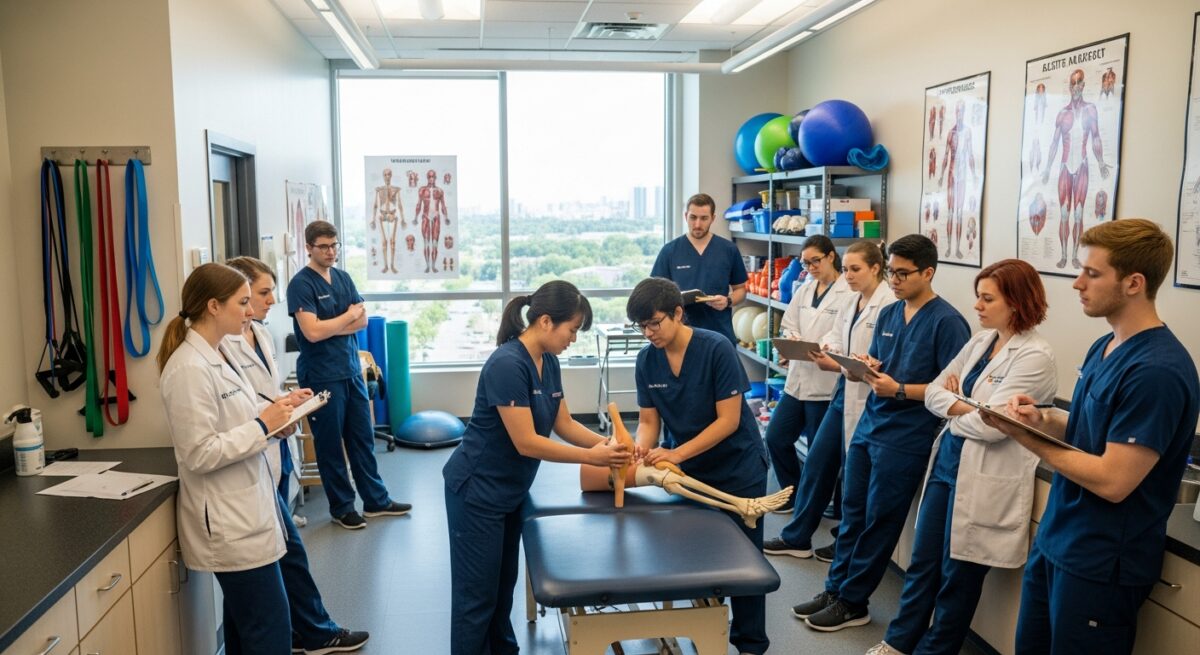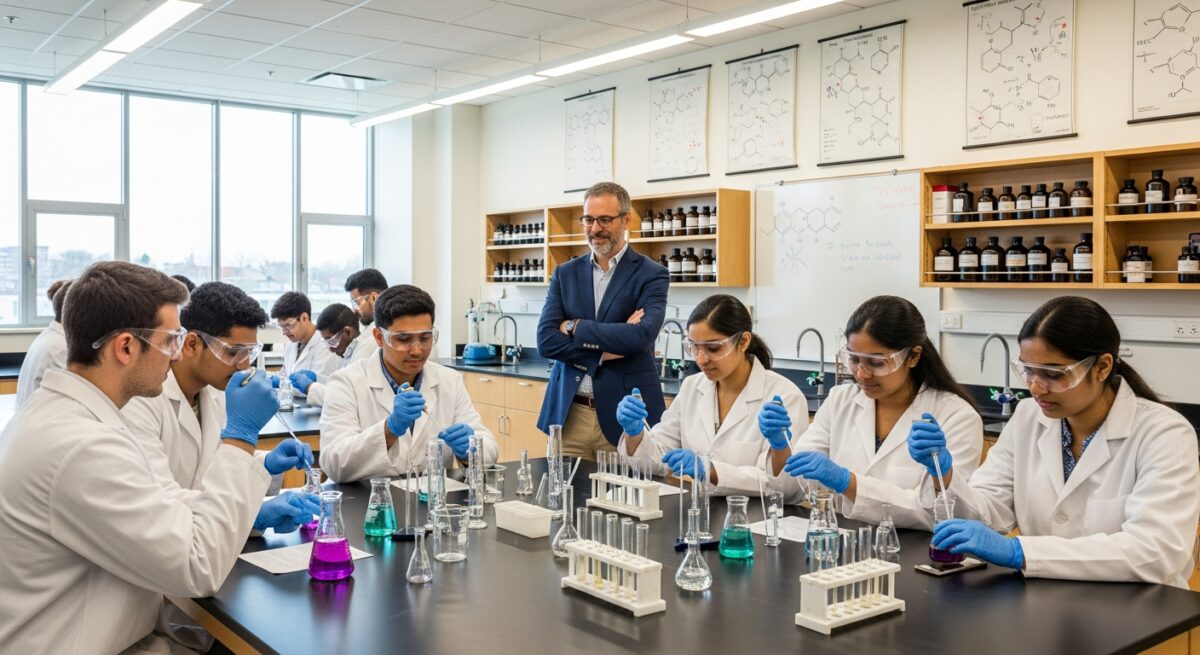
Choosing the right university for a pharmacy degree is one of the most critical decisions a future pharmacist can make. The field demands rigorous scientific training, clinical experience, and a strong foundation in patient care. With hundreds of programs across the United States, identifying the best universities for pharmacy programs requires careful evaluation of accreditation, research opportunities, residency match rates, and return on investment. This guide provides an authoritative overview of the leading institutions that consistently produce highly skilled pharmacists and pharmaceutical scientists.
What Defines a Top Pharmacy School?
Before diving into specific institutions, it is essential to understand the criteria that separate exceptional pharmacy programs from the rest. Accreditation by the Accreditation Council for Pharmacy Education (ACPE) is non-negotiable. Beyond that, factors such as faculty expertise, research funding, clinical rotation partnerships, and NAPLEX pass rates serve as key indicators of program quality. The best university for pharmacy will excel across multiple dimensions, not just one.
Another vital metric is the school’s ability to prepare students for postgraduate training. Many top programs boast residency match rates above 90 percent, meaning graduates secure competitive positions in hospitals, clinics, and specialty practices. Additionally, schools with strong ties to pharmaceutical companies and research institutes offer students unparalleled opportunities for internships and collaborative projects. These elements collectively shape the educational experience and long-term career trajectory of graduates.
Accreditation and Licensure Preparation
Every pharmacy program on this list holds current ACPE accreditation. This ensures the curriculum meets national standards for pharmacy education. Graduates must also pass the North American Pharmacist Licensure Examination (NAPLEX) and the Multistate Pharmacy Jurisprudence Examination (MPJE) to practice. Leading programs integrate exam preparation into their coursework, often achieving first-time pass rates above 95 percent. When researching pharmacy colleges, always verify their most recent NAPLEX pass rates and accreditation status.
Top Tier Universities for Pharmacy Education
The following institutions are consistently ranked among the best universities for pharmacy programs by U.S. News and World Report, QS World University Rankings, and other reputable sources. They represent the gold standard in pharmaceutical education and research.
University of California, San Francisco (UCSF) School of Pharmacy
UCSF is widely regarded as the premier public pharmacy school in the United States. Its School of Pharmacy has been ranked number one for decades. The program emphasizes a patient-centered approach combined with cutting-edge research. UCSF offers a Doctor of Pharmacy (PharmD) program that integrates foundational sciences with clinical practice from the first year. Students benefit from rotations at UCSF Medical Center, Zuckerberg San Francisco General Hospital, and numerous community clinics.
Research opportunities at UCSF are extraordinary. The school receives hundreds of millions of dollars in annual research funding from the National Institutes of Health (NIH). Faculty members lead groundbreaking studies in pharmacogenomics, drug discovery, and health outcomes. Graduates of UCSF consistently secure top residencies and fellowships. For students seeking a research-intensive environment with unparalleled clinical training, UCSF is arguably the best university for pharmacy in the nation.
University of North Carolina at Chapel Hill (UNC) Eshelman School of Pharmacy
The UNC Eshelman School of Pharmacy is another perennial top-five program. It is known for its innovative curriculum, which includes the “PharmD with Options” pathway that allows students to specialize in areas such as global health, entrepreneurship, or clinical research. The school’s location within the Research Triangle Park provides unique access to major pharmaceutical companies like GlaxoSmithKline, Pfizer, and Merck.
UNC’s commitment to community pharmacy is also noteworthy. The school operates multiple community pharmacy practice sites where students gain hands-on experience in patient care and medication management. The school’s residency match rate is consistently above 90 percent. For students interested in health policy and outcomes research, UNC offers a top-ranked pharmaceutical outcomes and policy program. These factors make UNC a leading pharmacy college for both clinical and research-oriented students.
University of Michigan College of Pharmacy
The University of Michigan College of Pharmacy combines a world-class academic institution with a strong focus on interdisciplinary collaboration. The PharmD program emphasizes team-based learning and early patient interaction. Students begin clinical rotations in their second year, which is earlier than many competing programs. Michigan Medicine, the university’s health system, provides a vast array of clinical settings for rotations.
Research at Michigan spans the entire spectrum from basic science to translational and clinical research. The college is home to several NIH-funded centers, including the Center for the Study of Complex Systems and the Michigan Center for Translational Pathology. Graduates benefit from a robust alumni network and strong career placement services. The school also offers dual degree options, such as PharmD/MBA and PharmD/PhD, which appeal to students with diverse career goals. For those seeking a large, research-intensive university with extensive resources, Michigan ranks among the best universities for pharmacy programs.
University of Florida College of Pharmacy
The University of Florida College of Pharmacy is one of the largest and most comprehensive pharmacy schools in the country. It offers a distance education pathway for the PharmD program, making it accessible to students across the state and beyond. The college is known for its strengths in clinical pharmacy, pharmacotherapy, and drug development. UF Health Shands Hospital serves as the primary teaching hospital, providing diverse patient populations for clinical training.
UF’s pharmaceutical outcomes and policy research is among the best in the nation. The college also houses the Center for Pharmacogenomics and Precision Medicine, which is at the forefront of personalized medicine. Graduates consistently achieve high NAPLEX pass rates and strong residency placements. The school’s extensive alumni network and career services support graduates in finding positions in hospitals, community pharmacies, industry, and academia. For students who value flexibility and a large, well-established program, UF is a top choice among pharmacy colleges.
Specialized and Emerging Programs
Beyond the traditional top-tier institutions, several universities offer specialized strengths that may align better with specific career interests. These programs deserve attention for their unique offerings.
University of Minnesota College of Pharmacy
The University of Minnesota College of Pharmacy is renowned for its community pharmacy and health-system pharmacy administration programs. It offers a unique “PharmD for Pharmacists” pathway for practicing pharmacists seeking advanced training. The school’s location in the Twin Cities provides access to major healthcare systems and pharmaceutical companies. Its research in medication safety and health disparities is nationally recognized.
University of Washington School of Pharmacy
The University of Washington School of Pharmacy excels in global health and infectious disease pharmacy. Its location in Seattle offers proximity to organizations like the Bill and Melinda Gates Foundation and PATH. The school’s PharmD program includes a required global health experience. Research in antiviral drug development and HIV/AIDS pharmacotherapy is particularly strong.
How to Choose the Right Program for You
Selecting from the best universities for pharmacy programs requires aligning your personal and professional goals with each institution’s strengths. Begin by evaluating your preferred practice setting. Do you see yourself in a community pharmacy, a hospital, or a research laboratory? Each program has distinct partnerships and rotation sites that can shape your career path.
Consider the following factors when comparing programs:
- Cost and financial aid: Tuition varies widely between public and private institutions. In-state tuition at public universities can be significantly lower. Explore scholarships, assistantships, and loan forgiveness programs.
- Location and lifestyle: Urban schools offer diverse clinical sites but may have higher living costs. Rural or suburban programs may offer a tighter-knit community and lower expenses.
- Curriculum design: Some programs emphasize early clinical exposure, while others focus on foundational sciences first. Look for active learning and interprofessional education.
- Residency and job placement: Review match rates, career counseling services, and alumni outcomes. Schools with strong networks often facilitate better job placements.
- Research opportunities: If you are interested in academia or industry, prioritize schools with robust research programs and faculty mentors in your area of interest.
After considering these factors, visit campuses if possible. Attend open houses, talk to current students and faculty, and sit in on a class. The best university for pharmacy is ultimately the one that fits your unique needs and aspirations. In our guide on which are the most affordable online universities, we explain how to evaluate program costs and value.
Career Outcomes and Salary Expectations
Graduates from the best universities for pharmacy programs enjoy strong career prospects. According to the Bureau of Labor Statistics, the median annual wage for pharmacists was over $132,000 in 2023. However, salaries vary by practice setting. Hospital pharmacists and those in clinical specialties typically earn higher salaries than community pharmacists. Residency training often leads to higher starting salaries and faster advancement.
Employment growth for pharmacists is projected to be stable over the next decade, with opportunities in retail chains, hospitals, long-term care facilities, and the pharmaceutical industry. Graduates from top programs are well-positioned to secure positions in competitive markets. Many also pursue advanced roles in managed care, regulatory affairs, or pharmaceutical research. For those considering further education, dual degree programs can open doors to leadership positions in healthcare administration or drug development.
Frequently Asked Questions
What is the hardest pharmacy school to get into?
UCSF School of Pharmacy is often considered the most competitive, with an acceptance rate below 5 percent. Strong academic records, research experience, and a compelling personal statement are essential.
How long does it take to complete a PharmD program?
Most PharmD programs require four years of full-time study after completing prerequisite undergraduate coursework. Some accelerated programs can be completed in three years.
Can I pursue a pharmacy degree online?
Several accredited programs offer hybrid or distance pathways, such as the University of Florida College of Pharmacy. However, clinical rotations must be completed in person at approved sites.
What undergraduate major is best for pharmacy school?
Common pre-pharmacy majors include biology, chemistry, biochemistry, and pharmaceutical sciences. However, any major with the required prerequisite courses is acceptable.
Do I need to take the PCAT?
Many pharmacy schools have moved away from requiring the Pharmacy College Admission Test (PCAT). However, some programs still consider it. Check each school’s admission requirements.
Choosing among the best universities for pharmacy programs is a significant investment in your future. Whether you prioritize research prestige, clinical training, or affordability, there is a program that matches your goals. For additional resources on navigating higher education, explore our comprehensive guides on degree planning and career pathways. For more information about educational opportunities, visit CollegeDegree.Education to discover programs that fit your needs.
Ultimately, the right pharmacy program will challenge you intellectually, provide hands-on experience, and prepare you for a rewarding career. Start your research early, visit campuses, and connect with current students and alumni. With careful planning and dedication, you can find the best university for pharmacy that launches your success in this vital healthcare profession.