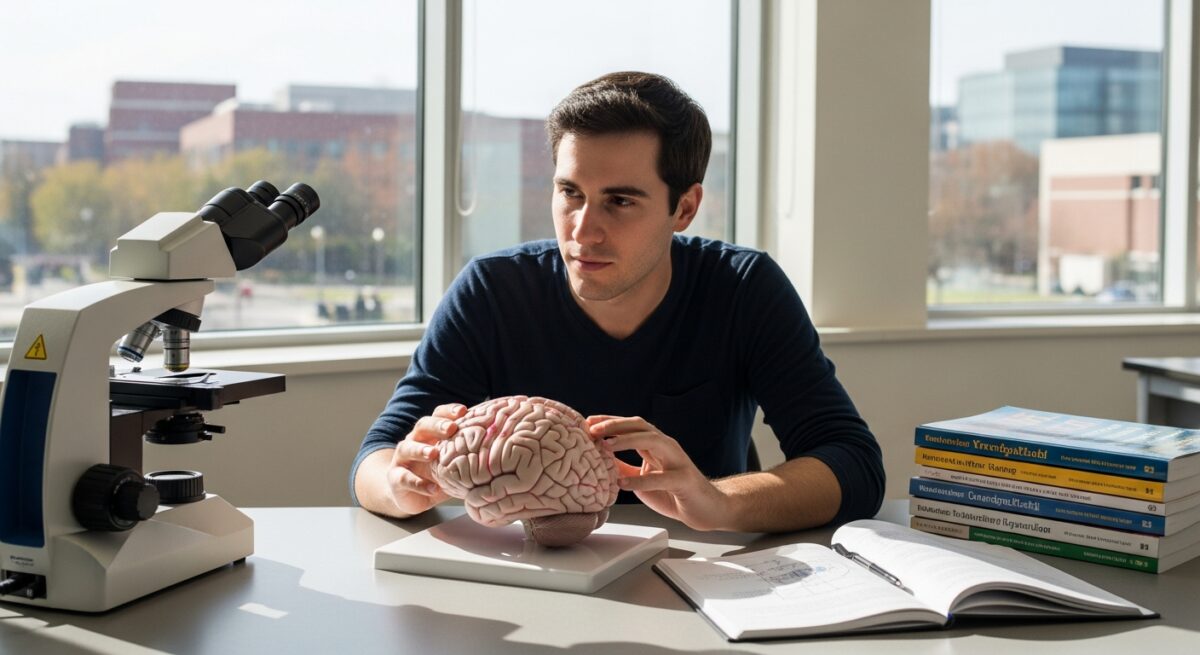
Choosing the right academic path in neuropsychology is a critical decision that shapes your future career in understanding the intricate relationship between brain function and behavior. This specialized field, sitting at the crossroads of psychology and neuroscience, requires rigorous training offered by only the most dedicated institutions. For students aiming to become clinical neuropsychologists, researchers, or academic leaders, identifying the best neuropsychology programs in top colleges is the essential first step. These programs are distinguished by their research output, clinical training opportunities, faculty expertise, and their success in placing graduates in competitive internships and careers. This guide delves into the key components of elite neuropsychology education and highlights the institutional characteristics that separate good programs from truly exceptional ones.
Defining Excellence in Neuropsychology Education
What exactly makes a neuropsychology program stand out? It is not merely a prestigious university name, but a specific combination of resources, curriculum, and outcomes. A top-tier program provides a deep, scientist-practitioner or clinical-science model of training, emphasizing both robust research methodology and hands-on clinical assessment skills. The faculty should be actively contributing to the field through published research, often in areas like traumatic brain injury, neurodegenerative diseases, neurodevelopmental disorders, or cognitive neuroscience. Furthermore, these programs typically boast strong affiliations with major medical centers, veterans hospitals, or specialized clinics, providing students with unparalleled practicum and internship opportunities. The best neuropsychology colleges ensure their graduates are not only eligible for licensure but are also highly competitive for the limited number of accredited clinical neuropsychology residency positions, the gold standard for post-doctoral training.
Core Components of a Leading Neuropsychology Program
Before exploring specific institutions, it is vital to understand the foundational elements every aspiring student should evaluate. A comprehensive program will structure its curriculum around the competency guidelines set by professional bodies like the International Neuropsychological Society and the American Psychological Association (APA).
Key components include a sequenced curriculum covering functional neuroanatomy, neuropsychological assessment, psychopharmacology, and research design. The program must offer extensive supervised clinical experience, often starting in the second year, with a diverse patient population. Finally, a significant, original research dissertation is a cornerstone, requiring students to contribute new knowledge to the field. When assessing programs, prospective students should scrutinize internship match rates, faculty research interests aligning with their own, and the network of clinical training sites. For those considering the broader landscape of scientific inquiry, understanding how economic models influence research funding and institutional priorities can be insightful, as explored in our guide on top economics programs and academic selection.
Graduate Pathways: PhD vs. PsyD
A crucial decision point is the type of doctoral degree. The Doctor of Philosophy (PhD) in Clinical Psychology with a neuropsychology concentration is the most common and research-intensive path. It strongly emphasizes producing original research and typically prepares graduates for careers that blend clinical work with academia or research institutions. The Doctor of Psychology (PsyD) degree, while still rigorous, often places a greater emphasis on clinical practice and application from the outset. Both pathways can lead to becoming a licensed clinical neuropsychologist, but the PhD is traditionally favored for academic and research-focused careers. The best neuropsychology programs are transparent about their training model, outcomes, and the typical career trajectories of their graduates.
Characteristics of Top-Tier Neuropsychology Colleges
The institutions that house the best neuropsychology programs share several common traits. First is departmental strength: they often have a dedicated neuropsychology track or major within a highly-ranked psychology or neuroscience department. Second is resource allocation: they provide students with access to advanced neuroimaging tools (fMRI, EEG, MEG), dedicated neuropsychology labs, and substantial library holdings. Third is mentorship: faculty are not only experts but are also actively involved in student training, often co-authoring papers with their doctoral candidates. These programs also prioritize professional development, funding student travel to conferences and fostering connections with alumni who are leaders in the field. This ecosystem of support is what transforms a good student into an independent neuropsychology professional.
When researching, students should look for the following indicators of program quality:
- APA accreditation for the overarching clinical psychology program.
- High match rates for APA-accredited internships, specifically in neuropsychology-focused sites.
- A defined neuropsychology curriculum and sequence published on the program website.
- Multiple core faculty members who are board-certified by the American Board of Clinical Neuropsychology (ABCN).
- Funding guarantees for students, including tuition waivers and stipends for teaching or research.
Navigating Admissions and Building a Competitive Application
Admission to the best neuropsychology programs is intensely competitive, often with acceptance rates in the low single digits. A successful application is built over years of purposeful preparation. Academically, a strong undergraduate record in psychology, neuroscience, or biology is essential, with high grades in statistics and research methods courses being particularly important. Standardized test scores (like the GRE) may or may not be required, but high scores can strengthen an application. Crucially, applicants must demonstrate a clear commitment to the field through relevant research experience. Working in a cognitive neuroscience or psychology lab as an undergraduate, preferably resulting in a poster presentation or co-authorship, is almost a prerequisite. Clinical experience, such as working as a psychometrist or behavioral technician, adds valuable practical context.
The personal statement and letters of recommendation are where your application comes to life. Your statement should articulate a coherent research interest that aligns with one or more faculty members at each program you apply to, demonstrating you have done your homework. Letters from research supervisors who can speak to your intellectual curiosity, work ethic, and potential for doctoral-level work are invaluable. A well-crafted application tells a compelling story of a student who is not only qualified but is also a perfect fit for the specific training environment and mentorship opportunities a program offers.
Exploring Accredited Online and Hybrid Learning Options
While the doctoral training for clinical neuropsychology is overwhelmingly campus-based due to intensive lab and clinical requirements, the foundational knowledge can be built through other means. For students seeking prerequisite knowledge, career changers, or those interested in non-clinical research roles, exploring high-quality online options is a valid strategy. Several institutions offer accredited online master’s degrees in psychology or neuroscience that can strengthen an application for a doctoral program. Furthermore, the landscape of continuing education for professionals is increasingly digital. It is critical, however, to vet any online program rigorously for regional accreditation and to understand its limitations regarding clinical training. For comprehensive listings and reviews of legitimate digital education pathways, prospective students can consult trusted academic degree resources that specialize in evaluating online and hybrid program offerings.
Frequently Asked Questions
What undergraduate major is best for neuropsychology?
While psychology or neuroscience are the most direct paths, biology, cognitive science, and even computer science can be excellent foundations if complemented with psychology coursework and research experience.
How long does it take to complete a neuropsychology PhD?
Typically, it takes 5-7 years to complete the doctoral degree, including a full-year APA-accredited internship. This is often followed by a 2-year postdoctoral residency specializing in clinical neuropsychology to be eligible for board certification.
Are there fully online PhD programs in neuropsychology?
No, there are no APA-accredited, fully online PhD programs that lead to licensure as a clinical neuropsychologist. The hands-on clinical and research requirements necessitate in-person training. Online options exist at the master’s or continuing education level.
What is the difference between a neuropsychologist and a neurologist?
A neurologist is a medical doctor (MD) who diagnoses and treats medical diseases of the nervous system, often using medication. A clinical neuropsychologist holds a PhD or PsyD and focuses on assessing and treating the cognitive, behavioral, and emotional effects of neurological conditions, using assessment and therapy.
What should I look for in a program’s internship match rate?
Look for a consistently high match rate (over 90%) to APA-accredited internships. More importantly, examine how many matches are to sites with a dedicated neuropsychology track or rotation, as this is specialized training you need.
Selecting a neuropsychology program is an investment in a demanding and rewarding career at the frontier of brain and behavior science. By focusing on programs with proven training models, active and supportive faculty, and strong clinical partnerships, you position yourself for success. The journey is long and requires resilience, but for those passionate about unraveling the mysteries of the human brain to improve patient lives, the path through one of the best neuropsychology programs in top colleges is the foundational step. Diligent research, self-assessment, and a strategic application process are your tools for gaining entry into this elite and impactful field.