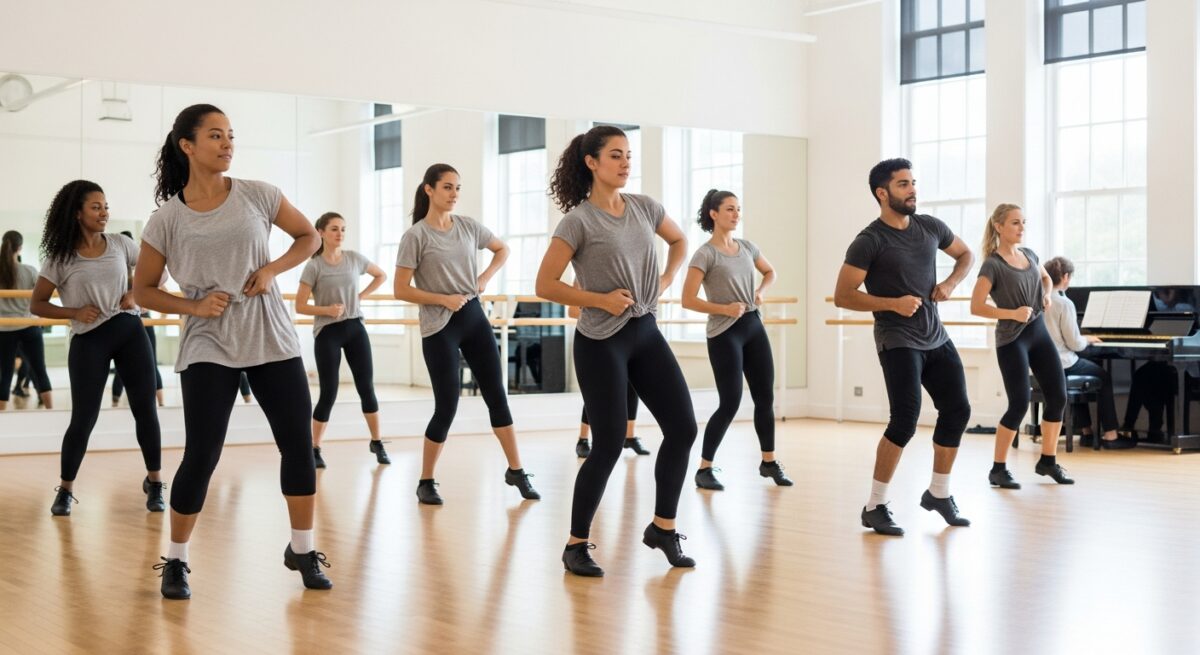
Choosing the right college for musical theatre training is a pivotal decision that can shape the trajectory of an entire career. This demanding art form requires a unique trifecta of skills: powerful acting, compelling vocal technique, and dynamic dance ability. The best musical theatre colleges for performing arts don’t just teach these disciplines in isolation, they synthesize them, preparing students for the intense, collaborative reality of professional theatre. For a high school student with Broadway dreams or a performer seeking to refine their craft, navigating the landscape of programs, from prestigious conservatories to renowned universities, can feel overwhelming. This guide cuts through the noise, offering a detailed look at what makes a program exceptional and how to identify the right fit for your individual artistic journey and professional goals.
What Defines a Top Musical Theatre Program?
Not all theatre programs are created equal, and a strong general theatre degree does not automatically translate to excellence in musical theatre. The leading programs distinguish themselves through a carefully curated curriculum, exceptional faculty, and proven industry connections. At the core is an integrated training approach. Students should receive daily, rigorous instruction in all three pillars: acting (often rooted in methods like Stanislavski or Meisner), voice (including both classical technique and musical theatre styles), and dance (encompassing ballet, tap, jazz, and contemporary). The schedule is notoriously demanding, mirroring the professional work ethic required post-graduation.
Beyond the classroom, performance opportunities are the lifeblood of a great program. This includes not only mainstage productions with full orchestras and professional-grade design, but also studio shows, workshop presentations of new works, and senior showcases. The latter is particularly critical, as many top programs host annual showcases in major industry hubs like New York City or Los Angeles, where graduating seniors perform for casting directors, agents, and managers. Faculty are another key differentiator. The most respected programs are staffed by working professionals, directors, choreographers, and performers who bring current industry practice into the studio and maintain active networks. Finally, the business of show business is addressed through courses in audition technique, resume building, headshot selection, and union guidelines (Equity, SAG-AFTRA), demystifying the path from student to working artist.
Key Factors in Your College Selection Process
Selecting a program is a deeply personal decision that extends beyond rankings. It requires honest self-assessment and strategic research. First, consider the program’s philosophy and training style. Some schools emphasize a classical, foundational approach, while others focus on contemporary commercial styles. Your own strengths and growth areas should align with a program’s focus. The size and structure of the program also matter significantly. Conservatories typically offer an intense, immersive environment with a singular focus on performance training within a small cohort. University-based programs, often within a larger school of drama or arts, provide the same rigorous training but within a broader liberal arts context, allowing for double majors or minors.
Location is a practical consideration with long-term implications. Schools in or near major theatre centers (New York, Chicago, Los Angeles) offer easier access to professional theatre, auditions, and networking events, often bringing in high-profile guest artists. Campus culture and alumni network strength are intangible yet powerful factors. Speaking to current students and recent graduates can provide invaluable insight into the day-to-day experience and post-graduation support. Finally, the financial reality cannot be ignored. Tuition, availability of talent-based scholarships, and cost of living are essential components of the decision. A strategic approach to this complex choice is outlined in our dedicated resource, How to Choose the Best Performing Arts Colleges for You, which breaks down the evaluation process step-by-step.
To systematically evaluate your options, focus on these core criteria:
- Curriculum Integration: How seamlessly are acting, singing, and dance classes woven together? Is there a dedicated “musical theatre performance” class?
- Performance Frequency: How many full productions are mounted each year? What are the casting policies (e.g., are freshmen eligible for mainstage roles)?
- Faculty Credentials: Do instructors have significant professional credits? Are they active in the industry?
- Showcase & Industry Links: Does the program host a senior industry showcase? What is the track record of alumni representation and employment?
- Facilities & Resources: Quality of rehearsal studios, performance venues, and recording facilities.
Types of Musical Theatre Degrees and Training Paths
Prospective students will encounter several types of degrees in their search. The most common is the Bachelor of Fine Arts (BFA) in Musical Theatre. This is a professional, conservatory-style degree typically requiring 70-80% of coursework in the major, with intensive studio training and performance. It is the standard choice for students committed to a performance career from day one. The Bachelor of Arts (BA) in Theatre with a concentration in Musical Theatre offers more academic flexibility. It usually involves a greater proportion of liberal arts courses and may allow for easier pursuit of a double major. This path is excellent for students seeking a broader education or keeping options open for graduate study or related fields.
Some institutions offer unique degree structures, like a Bachelor of Music (BM) in Musical Theatre, which places a heavier emphasis on vocal pedagogy and music theory. For those who have already completed an undergraduate degree, Post-Baccalaureate or Certificate programs provide focused, intensive training without the full liberal arts component. When researching, it’s crucial to look beyond the degree title and scrutinize the actual curriculum. A well-structured program, regardless of its name, will provide balanced training and ample stage time. Understanding these degree pathways is a fundamental part of academic planning, and you can explore comprehensive academic degree resources to compare structures and outcomes across different institutions.
Audition Requirements and Preparation Strategies
The audition is the gateway to virtually all selective musical theatre programs, and preparation is a marathon, not a sprint. Requirements are generally standardized across top schools but always verify each program’s specific guidelines. Typically, applicants must prepare two contrasting musical theatre songs (often one pre-1965 and one contemporary, each 60-90 seconds in length), one or two monologues (usually one contemporary and sometimes one classical), and a dance call demonstrating technique in ballet, jazz, or tap. Some schools may also include a group interview or improvisation component.
Successful audition material selection is paramount. Songs and monologues should be age-appropriate, showcase your unique strengths, and be within your vocal and emotional range. They are not just displays of skill, but opportunities to tell a story and make a specific, connected choice in the moment. Working with a knowledgeable voice teacher and acting coach well in advance is highly recommended. The dance call requires technical proficiency but also attentiveness, the ability to pick up choreography quickly, and performance quality. Remember, the panel is not just assessing your current skill level, but your potential, trainability, and professionalism. They are asking, “Is this someone we want to work with intensely for the next four years?”
Frequently Asked Questions
What is the difference between a BFA and a BA in Musical Theatre?
A BFA (Bachelor of Fine Arts) is a professional, conservatory-style degree focused predominantly on studio training and performance, with less emphasis on liberal arts. A BA (Bachelor of Arts) offers a broader liberal arts education alongside theatre training, often allowing more flexibility for academic exploration outside the major.
How important is it to attend a college in New York City?
While New York City offers unparalleled access to Broadway and the professional industry, many exceptional programs located elsewhere have equally strong networks and bring industry professionals to campus. The training quality matters more than the zip code, though NYC proximity can aid in internships and audition exposure during school breaks.
Should I choose a conservatory or a university program?
This depends on your learning style and goals. Conservatories offer immersive, focused training in a single-subject environment. University programs within a larger school provide the same rigorous training but within a traditional college setting, offering a wider social and academic experience.
What are the most important things to look for on a campus visit?
Observe classes if possible, speak to current students (not just tour guides), attend a student production, assess the facilities (studios, theatres), and get a feel for the community. Ask about casting policies, showcase opportunities, and recent graduate employment statistics.
How competitive are admissions for top musical theatre colleges?
Extremely competitive. Many of the most renowned programs accept less than 5-10% of auditioning applicants. It is essential to apply to a balanced list of reach, match, and safety schools, all of which should be places you would be happy to attend.
The journey to finding the right musical theatre college is as much about self-discovery as it is about program research. It requires aligning your personal artistry, work ethic, and career aspirations with an institution’s philosophy, resources, and community. The best musical theatre colleges for performing arts are those that challenge you to grow not only as a triple-threat performer but as a collaborative artist and resilient professional. By investing time in thorough research, honest self-evaluation, and meticulous audition preparation, you position yourself to find a training ground that will not only hone your craft but also launch you into a sustainable and fulfilling career on the stage.