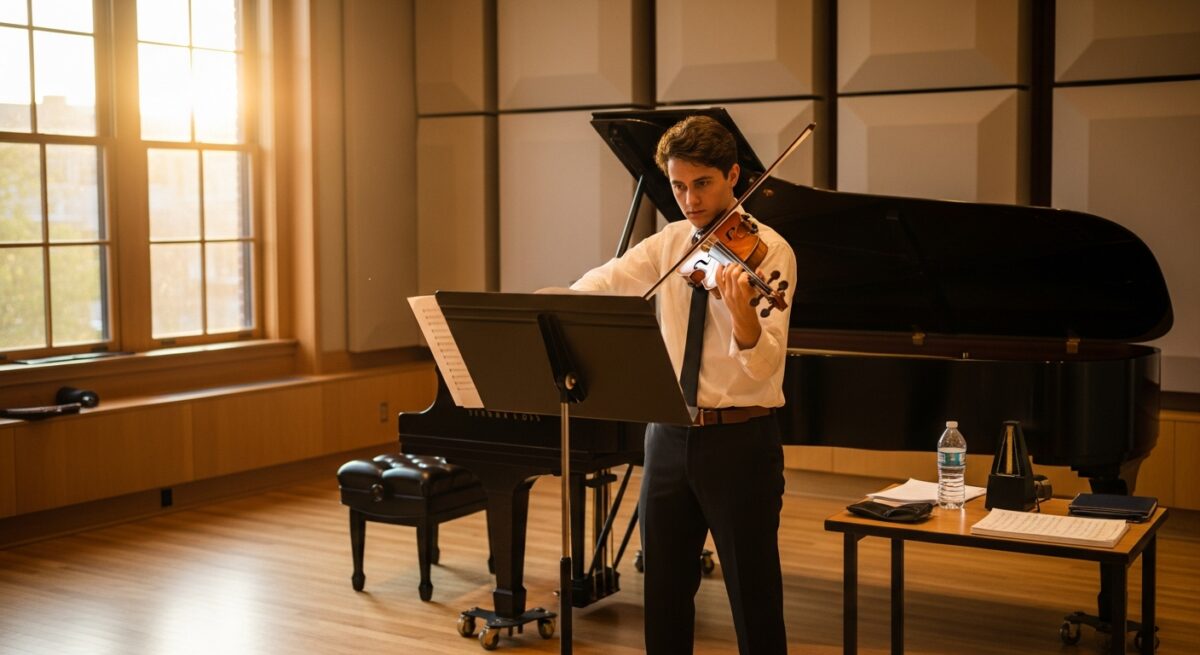
Choosing the right institution for a music education is a pivotal decision that shapes an artist’s technical skill, artistic voice, and professional network. The landscape of higher education in music is vast, encompassing world-renowned conservatories, comprehensive research universities, and innovative liberal arts colleges. For students seeking the best music universities and colleges, the “best” fit is deeply personal, defined by individual goals, whether in classical performance, composition, music technology, education, or the music business. This guide explores the key factors that define top-tier music schools and provides a framework for finding the program that will best nurture your unique talent and ambition.
Defining Excellence in Music Education
What makes a music school truly exceptional? The answer extends far beyond simple name recognition. The best music universities and colleges for students create an ecosystem where rigorous training, creative exploration, and professional opportunity converge. At the core of any great program is a distinguished faculty. These are not just teachers, but active performers, composers, scholars, and industry leaders who bring real-world experience into the studio and classroom. Their mentorship is invaluable, providing both technical guidance and career navigation.
Another critical component is the quality of facilities and resources. This includes state-of-the-art practice rooms, recording studios, performance halls, and instrument collections. Access to these resources allows students to hone their craft in professional-grade environments. Furthermore, the student body itself is a resource. Being surrounded by exceptionally talented peers creates an atmosphere of healthy competition and collaboration, pushing every individual to higher levels of achievement. Finally, a school’s location can be a significant asset. Institutions in or near major cultural hubs like New York, Los Angeles, Nashville, or Boston offer unparalleled access to professional performances, internship opportunities, and industry networks that are integral to building a career.
Types of Music Programs and Institutions
Understanding the different types of institutions is the first step in narrowing your search. Each offers a distinct educational philosophy and environment. Conservatories, such as The Juilliard School, Curtis Institute of Music, and Berklee College of Music, are intensely focused on professional training in performance, composition, and related fields. The curriculum is almost exclusively dedicated to music, with an emphasis on mastery through individual lessons, ensemble work, and frequent performance opportunities. The pace is demanding and the environment is highly competitive, designed to produce elite practitioners.
University-based schools of music, like those at the University of Michigan, Indiana University Bloomington (Jacobs School of Music), and the University of Southern California (Thornton School), offer a blend of conservatory-level training within a broader university context. Students can pursue a Bachelor of Music while also taking academic courses, pursuing a double major, or engaging in campus life beyond the music building. These programs often boast massive resources, extensive libraries, and diverse course offerings across numerous musical disciplines. Liberal arts colleges with strong music departments provide a different, yet equally valuable, path. Schools like Oberlin College and Conservatory or Lawrence University offer a rigorous music education within a framework that emphasizes broad intellectual inquiry. This model is ideal for students who want to deeply integrate their musical studies with humanities, sciences, or social sciences, often leading to a Bachelor of Arts in Music.
Specialized Focus Areas
Many top music colleges develop renowned strengths in specific areas. For instance, some are legendary for classical performance and opera training, while others are powerhouses for jazz studies or contemporary music. Music technology and production programs have become increasingly prominent, with schools like New York University’s Clive Davis Institute and the University of Miami’s Frost School of Music leading the way. Similarly, music business and industry programs, such as those at Belmont University or Drexel University, provide critical training for the commercial side of music. Identifying a school that aligns with your specific niche is crucial for accessing the right mentors, equipment, and career pipelines.
Key Factors in Your Decision Process
Selecting from among the best music universities requires careful self-assessment and research. Begin by defining your primary career objective. Are you aiming for an orchestral chair, a career as a soloist, a studio composer, a music educator, or an entertainment lawyer? Your goal will directly inform which programs are most relevant. The audition or portfolio process is the gateway to most performance-based programs, and requirements are stringent. Preparation often takes years, and understanding each school’s specific repertoire or portfolio expectations is non-negotiable.
Financial considerations are equally critical. Music degrees can be expensive, and the financial landscape for professional musicians is often challenging. Investigating a school’s financial aid offerings, scholarship opportunities (especially talent-based awards), and graduate employment outcomes is essential. A valuable scholarship information resource can help you explore external funding options to supplement institutional aid. It is also wise to consider the long-term return on investment, weighing the cost of attendance against the program’s network and career support services.
To aid in your evaluation, here are five critical factors to compare when researching top music colleges:
- Faculty Connections: Research the active careers of the faculty. Do they work in the industry sector you want to enter? Can they provide meaningful mentorship and connections?
- Alumni Success: Look at what graduates of the program are actually doing. Are they employed in your field of interest? The alumni network is a key career asset.
- Performance and Production Opportunities: How many recitals, ensemble concerts, or studio projects does the average student participate in each year? Quantity and quality of practical experience are vital.
- Career Services: Does the school have a dedicated office for music career advising? Do they facilitate internships, audition trips, or industry showcases?
- Campus Culture and Fit: Can you see yourself thriving there for four years? The environment, from competitiveness to collaborative spirit, significantly impacts your growth and well-being.
Visiting campuses, if possible, attending virtual information sessions, and speaking with current students provide irreplaceable insights that go beyond brochures and rankings. This firsthand research will reveal the intangible qualities that make a school the right fit for you.
Beyond the Practice Room: The Complete Educational Experience
A comprehensive music education in the 21st century involves more than perfecting scales and sonatas. The best music universities and colleges prepare students for sustainable careers by developing a versatile skill set. This includes foundational courses in music theory, ear training, and music history, which provide the intellectual framework for all musical work. However, modern curricula increasingly incorporate entrepreneurship courses, teaching students how to market themselves, manage finances, and build a personal brand. Digital literacy is also paramount, encompassing skills from audio engineering and digital distribution to online content creation.
Furthermore, the ability to collaborate across disciplines is a major advantage. Many top programs encourage or require collaborations with dance, theater, film, and visual arts departments. This not only broadens artistic perspective but also simulates the interdisciplinary nature of most professional creative work. The value of a broad education should not be underestimated, even for conservatory students. Understanding history, literature, psychology, and business can deepen artistic interpretation and open alternative career pathways within the arts ecosystem. This holistic approach is what separates a good technician from a profound artist and a savvy professional.
Frequently Asked Questions
How important are official music schools ranking lists?
Rankings can be a useful starting point to identify a pool of reputable schools, but they should not be the sole deciding factor. Rankings often rely on generalized metrics that may not reflect strengths in your specific area of interest (e.g., a school highly ranked for classical music may not be strong in music production). Use rankings as a research tool, not a definitive guide.
Is it necessary to attend a prestigious conservatory to have a successful music career?
No. While prestigious schools offer significant advantages in networking and reputation, countless successful musicians have graduated from state universities, liberal arts colleges, or even built careers without a formal degree. Your dedication, talent, and proactive career building are ultimately more important than the name on your diploma.
What are the alternatives to a four-year music degree?
Alternatives include two-year associate degrees or diplomas from community colleges or specialized music schools, certificate programs in specific skills like audio engineering, and reputable summer festivals or workshops. For some career paths, such as music therapy or public school teaching, a specific accredited degree is legally required.
How can I assess a school’s true quality before applying?
Attend a student concert or recital, either in person or online. The level of student performance is the most direct indicator of the program’s effectiveness. Also, schedule a lesson with a potential teacher if possible. The student-teacher relationship is the heart of music education, and personal compatibility is crucial.
What should I do if I am interested in multiple musical disciplines?
Look for programs that encourage double majors, minors, or self-designed interdisciplinary studies. Many universities allow a Bachelor of Music in performance with a minor in business or a dual degree program. Be upfront about your diverse interests during your research and applications.
Finding the right educational path in music is a journey that requires honest self-reflection, diligent research, and a clear vision for your future. The best music universities and colleges for students are those that challenge you to reach your highest artistic potential while providing the practical tools and supportive community to build a lifelong career. By focusing on the alignment between your personal goals and a program’s specific strengths, resources, and culture, you can find the environment where your talent will not only grow but truly flourish. Remember, the goal is not just to get into a great school, but to graduate as a resilient, skilled, and inspired musician ready to make your mark on the world.