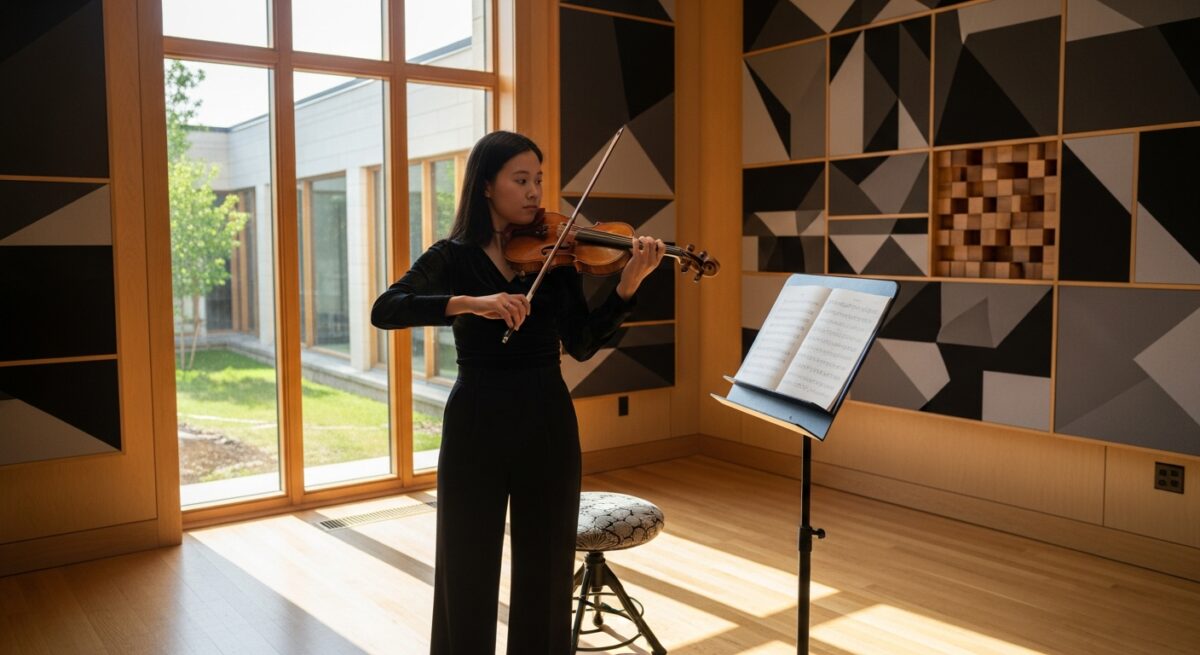
Choosing the right music college is a pivotal decision that can shape your entire artistic and professional trajectory. For aspiring musicians, the ideal institution is more than just a collection of classrooms and practice rooms, it is an ecosystem designed to nurture talent, forge connections, and provide a launchpad into the competitive world of music. The search for the best music colleges for aspiring musicians involves weighing factors like faculty expertise, performance opportunities, alumni networks, and the specific culture of the school. Whether your passion lies in classical performance, jazz, composition, music technology, or music business, finding a program that aligns with your goals is the first critical step toward a successful career.
Defining Your Musical Goals and Finding the Right Fit
Before diving into rankings and reputations, the most important step is honest self-assessment. The concept of “best” is highly subjective and varies dramatically from one musician to another. A conservatory environment, with its intense focus on performance practice and technical mastery, offers a vastly different experience from a university music school integrated within a larger liberal arts campus. The former might be perfect for a future orchestral violinist, while the latter could better suit a composer interested in interdisciplinary studies or a student seeking a double major. Your personal goals, learning style, and desired career path should be the primary filters through which you evaluate all potential schools.
Consider the specific genre or field you wish to enter. A school renowned for its classical training may not have strong connections in the contemporary commercial music scene. Aspiring film scorers need programs with robust technology labs and industry partnerships, while future music educators require curricula aligned with state certification requirements. Furthermore, think about the environment that will help you thrive. Do you need the constant pressure and camaraderie of a highly competitive conservatory, or would you flourish in a more collaborative, exploratory setting? Answering these questions will help you create a personalized shortlist of the best music colleges for your unique aspirations, moving beyond generic prestige to find a true fit.
Key Factors to Evaluate in a Music Program
Once you have a sense of direction, you can begin a detailed evaluation of specific programs. Several core components separate good music schools from truly transformative ones. Scrutinizing these areas will give you a clear picture of what each institution offers and how it can serve your development.
The faculty is arguably the most critical element. Look beyond their prestigious performance histories, examine their dedication to teaching. Are they active performers, composers, or researchers who bring current industry insights into the studio? Investigate the student-to-faculty ratio for private lessons, as one-on-one instruction is the cornerstone of musical advancement. Next, assess the performance opportunities. The best music colleges provide abundant chances to perform, not just in large ensembles but also in chamber groups, solo recitals, and student-led projects. Frequency and variety of performance are non-negotiable for building stagecraft and confidence.
Facilities and resources are another major consideration. State-of-the-art recording studios, practice rooms with quality instruments, extensive music libraries, and well-maintained performance halls are essential tools for a modern musician. Finally, investigate career support and alumni outcomes. A strong career services office that helps with internships, audition preparation, and networking is invaluable. The success of a school’s graduates in your field of interest is one of the strongest indicators of a program’s effectiveness. For students considering flexible or alternative pathways, exploring options for school-level degree guidance can also provide valuable context for accredited online programs that may complement traditional training.
Profiles of Leading Music Schools and Conservatories
The landscape of elite music education includes world-renowned conservatories and prestigious university-based schools. Each has a distinct character and strengths. The following are some of the most respected institutions consistently ranked among the best music colleges for aspiring musicians, each offering a different model of training.
The Juilliard School
Located in New York City, Juilliard is synonymous with preeminent training in performing arts. Its music division is intensely competitive, accepting only a small percentage of applicants. The environment is designed for students who are unequivocally dedicated to achieving the highest level of technical and artistic proficiency. The faculty comprises leading artists, and the performance schedule is relentless, taking place both on campus and in NYC’s vibrant cultural venues. Juilliard’s name carries immense weight, and its network is global, but the program demands total commitment and thrives on a high-pressure, high-reward ethos.
Berklee College of Music
Berklee, in Boston, represents the epicenter of contemporary music education. Its strengths lie in jazz, rock, pop, electronic production, film scoring, and music business. The approach is hands-on and industry-focused from day one. Students often collaborate across disciplines, songwriters work with performers, and producers team up with film scorers, mirroring real-world creative processes. Berklee’s vast alumni network dominates the contemporary music industry, providing unparalleled connections for internships and jobs. It is the definitive choice for musicians whose sights are set on modern commercial music paths.
University of North Texas College of Music
UNT boasts one of the largest and most comprehensive public university music programs in the United States. It is particularly legendary for its jazz studies program, which includes the world-famous One O’Clock Lab Band. The school offers an astonishing breadth of degrees, from performance and composition to musicology and music education, all with a high level of excellence. The size of the program means massive library resources, numerous ensemble options, and extensive facilities. It provides a conservatory-level education within a large public university setting, often at a more accessible cost, making it a powerhouse for a wide array of aspiring musicians.
The Application and Audition Process Demystified
Gaining admission to a top music program is a dual-track process: the academic application and the artistic audition. Preparation for both must begin years in advance. Academically, maintain strong grades, as even conservatories have minimum GPA and standardized test score requirements. Write compelling essays that articulate your artistic journey and goals.
The audition is the centerpiece. This is where you prove your artistic potential and readiness. Requirements are stringent and specific. Typically, you must prepare:
- Prescribed Repertoire: A list of pieces from different musical periods and styles, demonstrating technical range and interpretive skill.
- Scales and Technical Exercises: To assess fundamental proficiency on your instrument or voice.
- Sight-Reading: The ability to perform unfamiliar music on sight, a crucial skill for any professional.
- Interviews or Callbacks: Some schools include an interview to discuss your background and aspirations.
Successful auditions are the result of meticulous, long-term preparation with a skilled teacher. Recorded pre-screening videos are now standard for the first round, so learning basic video and audio recording techniques is also essential. Remember, the panel is not just listening for flawless execution, they are looking for musicality, personality, and teachability, the raw material they can develop over the next four years.
Financial Considerations and Investment in Your Future
Attending a premier music school is a significant financial investment. Tuition, especially at private institutions, can be substantial. However, it is crucial to view this not just as a cost, but as a strategic investment in your professional network, skills, and credibility. Fortunately, many of the best music colleges offer robust financial aid packages, including merit-based scholarships and talent awards that are directly tied to the audition. These scholarships can dramatically reduce the net price.
It is imperative to complete the FAFSA (Free Application for Federal Student Aid) to qualify for need-based grants, work-study, and federal loans. Research external scholarships from music foundations, community organizations, and industry associations. When comparing acceptance letters, look closely at the total financial aid award from each school, not just the sticker price. Sometimes, a generous scholarship from a strong program can make it more affordable than a higher-prestige school with little aid. Weigh the potential return on investment, considering the career support and earning potential associated with each program’s alumni network.
Frequently Asked Questions
Q: Is it necessary to attend a famous conservatory to have a successful music career?
A: While a conservatory like Juilliard or Curtis provides an exceptional network and prestige, it is not the only path to success. Many successful musicians graduate from university music schools, state colleges, and even build careers without a formal degree. Your skill, dedication, networking ability, and entrepreneurial spirit are ultimately more important than the name on your diploma. The best music college for you is the one that provides the specific training, opportunities, and environment you need to develop those attributes.
Q: How important is the location of the music school?
A: Location is extremely important. Schools in or near major cultural hubs like New York, Los Angeles, Boston, or Nashville provide direct access to internships, professional performances, masterclasses with visiting artists, and potential job markets. The networking opportunities afforded by the location can be as valuable as the classes themselves.
Q: Should I get a Bachelor of Music (B.M.) or a Bachelor of Arts (B.A.) in music?
A: A B.M. is a professional degree with a intense focus on performance, composition, or music education, requiring a high number of music credits. A B.A. in music typically requires more liberal arts courses and allows for greater academic exploration, often enabling a double major. Choose the B.M. if you are certain of a professional music path, the B.A. if you want a broader education or are considering other fields alongside music.
Q: What if I don’t get into my top-choice school?
A: Rejection is a common part of a musician’s life. Many artists transfer into top programs after a year or two of excellent work at another college. Use the time to improve dramatically, re-audition, or build a career from where you are. The quality of your work and your perseverance matter far more in the long run than where you start.
Selecting from among the best music colleges for aspiring musicians is a deeply personal journey that blends practical research with artistic intuition. By clearly defining your goals, thoroughly evaluating programs based on faculty, opportunities, and outcomes, and preparing diligently for the audition process, you can find an institution that will challenge, inspire, and equip you for the future. Remember, the ultimate goal is not just admission to a prestigious school, but finding the community that will best fuel your growth as an artist and launch you into a sustainable and fulfilling musical life. Your dedication, paired with the right training environment, is the true recipe for success.