Choosing where to pursue a medical degree is one of the most consequential decisions a future physician can make. The institution you select will shape your clinical skills, research opportunities, professional network, and ultimately, your career trajectory in healthcare. While rankings offer a starting point, identifying the best universities for medicine requires a deeper look at curriculum innovation, clinical training facilities, research output, and residency match rates. This guide explores the defining characteristics of top-tier medical programs and provides a framework for evaluating which school aligns with your professional aspirations and learning style.
Defining Excellence in Medical Education
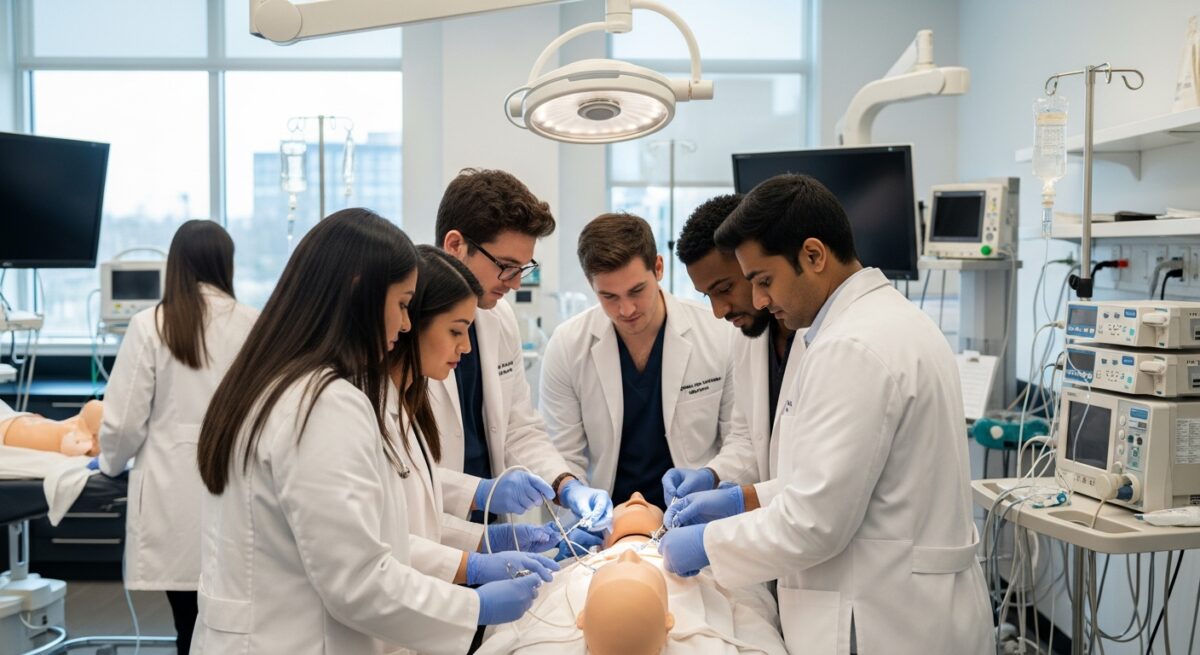
What truly separates the best medical universities from the rest? It is a combination of resources, outcomes, and educational philosophy. Elite programs provide students with unparalleled access to leading physician-scientists, state-of-the-art simulation centers, and diverse patient populations from day one. They foster an environment where foundational science is seamlessly integrated with clinical practice, often through longitudinal patient care experiences that begin in the first year. Furthermore, the best medical schools are engines of discovery, embedding students in cutting-edge research that spans from basic molecular biology to public health policy. This research culture not only advances medicine but also teaches students to think critically and approach patient care with an evidence-based mindset.
Another critical metric is success beyond graduation. Top programs boast exceptionally high residency match rates, with graduates securing positions in the most competitive specialties at prestigious hospitals. This success is built upon a robust advising system, strong letters of recommendation from renowned faculty, and a reputation that carries weight with residency program directors. However, excellence is not monolithic. Some of the best medical universities excel in producing primary care physicians for underserved communities, while others are powerhouses for training surgical specialists or biomedical researchers. Therefore, the “best” program is inherently personal, dependent on a student’s specific career goals and values.
Key Factors for Evaluating Medical Programs
Prospective students should look beyond prestige and consider a multifaceted set of criteria. The curriculum structure is paramount. Seek programs that balance rigorous science with early clinical exposure. Problem-based learning (PBL) and team-based learning (TBL) formats encourage active application of knowledge, which can be more effective than traditional lecture-based models. Examine the clinical rotation sites: are they affiliated with top-tier academic medical centers, community hospitals, and VA facilities? Diverse rotations ensure broad exposure. Financial considerations are unavoidable; evaluate tuition, cost of living, and the availability of scholarships or grants. Location also plays a role in your quality of life and the types of pathology you will encounter.
To systematically compare schools, focus on these core areas:
- Curriculum and Pedagogy: Integrated organ-system blocks, pass/fail grading (to reduce competition), and dedicated preparation time for USMLE Step 1 and Step 2 exams.
- Clinical Training Network: Affiliated teaching hospitals, patient diversity, and opportunities for away rotations at other institutions.
- Research Support: Funding for student projects, mandatory research blocks, and the presence of NIH-funded investigators.
- Student Support and Community: Wellness resources, career advising, mentorship programs, and the overall collaborative versus competitive culture.
- Outcomes: Residency match list, board exam pass rates, and graduate career paths.
Aligning your priorities with a school’s strengths is crucial. A student passionate about health policy might prioritize a program with a dual MD/MPH option and connections to government agencies, while an aspiring neurosurgeon would value a school with a strong neurosurgery department and high-volume trauma center. For comprehensive guidance on navigating these degree choices and understanding how different program structures align with long-term goals, exploring trusted academic degree resources is highly recommended.
Leading Institutions for Medical Studies
While lists evolve, several institutions consistently define the pinnacle of medical education through their innovation and impact. Harvard Medical School is renowned for its vast affiliated hospital network (including Massachusetts General and Brigham and Women’s) and its leadership in biomedical research. Its curriculum emphasizes clinical problem-solving and offers unparalleled global health opportunities. Johns Hopkins University School of Medicine, the birthplace of modern medical training in the U.S., continues to lead with its emphasis on scientific discovery and the famed “Hopkins wards.” Its close integration with the Bloomberg School of Public Health is a major draw.
On the West Coast, Stanford University School of Medicine leverages its Silicon Valley location to pioneer in biomedical technology, genomics, and a highly flexible curriculum that allows for deep scholarly pursuit. The University of California, San Francisco (UCSF) School of Medicine stands out for its singular focus on health sciences and its exceptional training in primary care and specialty medicine within a diverse urban setting. These schools, among others, represent the gold standard, but they are also highly selective. It is important to remember that dozens of excellent medical schools across the country produce outstanding clinicians and scientists. The best medical universities for you are those where you can thrive academically, professionally, and personally.
Navigating the Application and Selection Process
The journey to attending one of the best medical universities begins long before you submit your AMCAS application. It requires strategic undergraduate course planning, meaningful clinical and research experiences, and strong performance on the MCAT. When building your school list, employ a balanced approach: include reach schools, target schools where your metrics align with their median accepted student profile, and safety schools. Consider mission alignment: many state schools and private institutions have a defined mission, such as serving rural populations or increasing healthcare diversity, which can influence admissions.
During interviews, shift from a passive evaluator to an active investigator. Ask specific questions about the student experience, research funding mechanisms, and mental health support services. Speak with current students away from faculty to get an unfiltered perspective. Ultimately, the decision often comes down to fit. Where did you feel you could build a supportive community? Which curriculum excited you? Where will you be best prepared for the career you envision? This choice is as much about the environment that will nurture you through a challenging four years as it is about the name on the diploma. For students also considering technology-focused fields, understanding the landscape of elite programs in other disciplines can be informative. For instance, our analysis of leading computer science programs reveals similar themes of research access, industry connections, and innovative pedagogy that apply across graduate education.
Frequently Asked Questions
How much should I rely on medical school rankings?
Rankings are a useful tool for identifying a pool of highly reputable schools, but they should not be the sole deciding factor. They often heavily weigh research funding, which may not correlate directly with the quality of undergraduate medical education. Use rankings to discover schools, then dig deeper into the factors that matter to you, like curriculum, location, and culture.
Is it worth attending a highly ranked, more expensive private medical school over a lower-cost public school?
This is a personal financial decision. While a prestigious name can open doors, especially for highly competitive specialties or academic medicine, it comes with significant debt. Many public medical schools provide exceptional education and strong residency matches at a lower cost. Evaluate the debt-to-income potential of your chosen career path carefully.
What if my goal is not to become a researcher but a practicing clinician?
Many of the best medical universities for medicine excel in training both researchers and clinicians. Look for programs with strong clinical skills training, high-volume patient care facilities, and a curriculum that prioritizes bedside teaching. Some schools may have a more explicit clinical focus, which can be identified by their mission statements and match lists into residency programs.
How important is the medical school’s affiliated hospital system?
It is critically important. Your core clinical training happens in these hospitals. A large, well-resourced system provides exposure to a wide variety of cases, specialties, and patient demographics. It also influences the quality of your teachers (the attending physicians and residents) and the types of research and elective opportunities available to you.
Can I get a top medical education outside of the Ivy League or traditional top 10?
Absolutely. Numerous state universities and private schools outside the most famous names run world-class medical programs. They offer rigorous curricula, excellent clinical training, and produce leaders in every field of medicine. Focus on the outcomes (match lists, board scores) and the fit, rather than just the brand name.
Selecting the right medical school is a complex, deeply personal investment in your future. By looking beyond surface-level rankings to understand the ethos, resources, and outcomes of each program, you can make an informed choice that sets the foundation for a rewarding career in medicine. The best universities for medical programs are those that not only challenge you intellectually but also support your growth as a compassionate, competent future physician, ready to meet the evolving needs of healthcare.