Choosing the right university for a mechanical engineering degree is one of the most consequential decisions a student can make. This choice shapes not only the quality of your education and the depth of your technical skills but also your professional network, career trajectory, and lifelong earning potential. With hundreds of institutions worldwide offering mechanical engineering programs, identifying the best fit requires moving beyond simple rankings to consider a complex matrix of factors, including curriculum focus, research opportunities, industry connections, and campus culture. For aspiring engineers, the goal is to find a program that transforms theoretical knowledge into practical innovation, preparing graduates to tackle global challenges in energy, robotics, aerospace, and manufacturing. This guide delves into the defining characteristics of the world’s leading mechanical engineering universities and provides a framework for students to evaluate their options strategically.
Defining Excellence in Mechanical Engineering Education
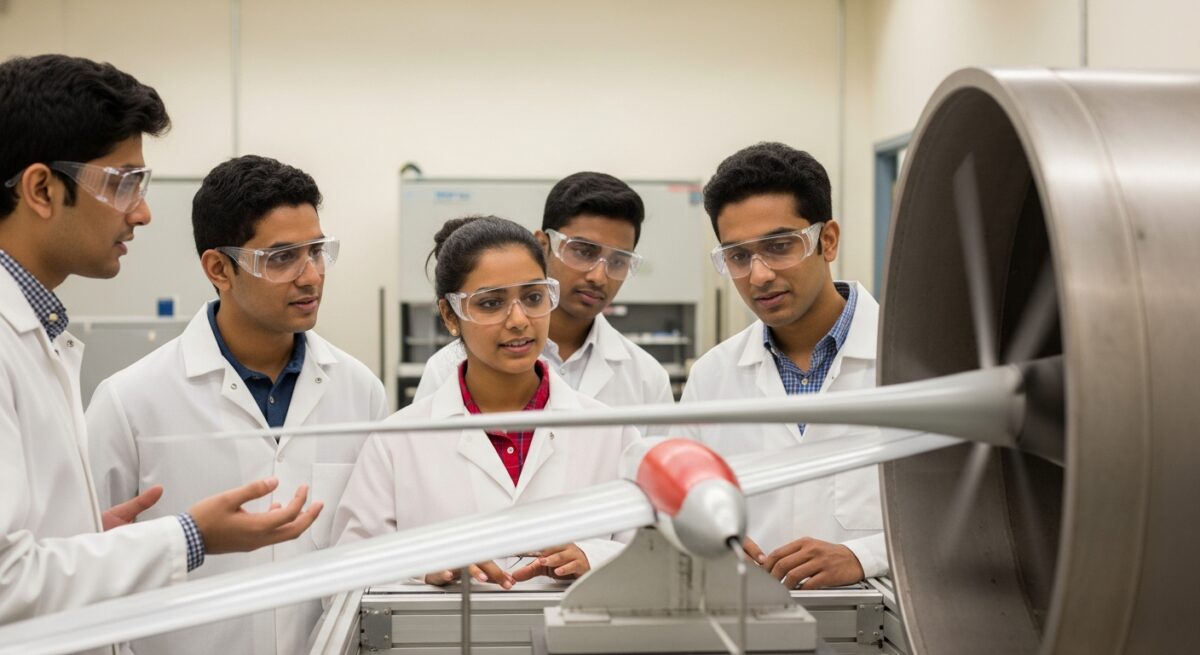
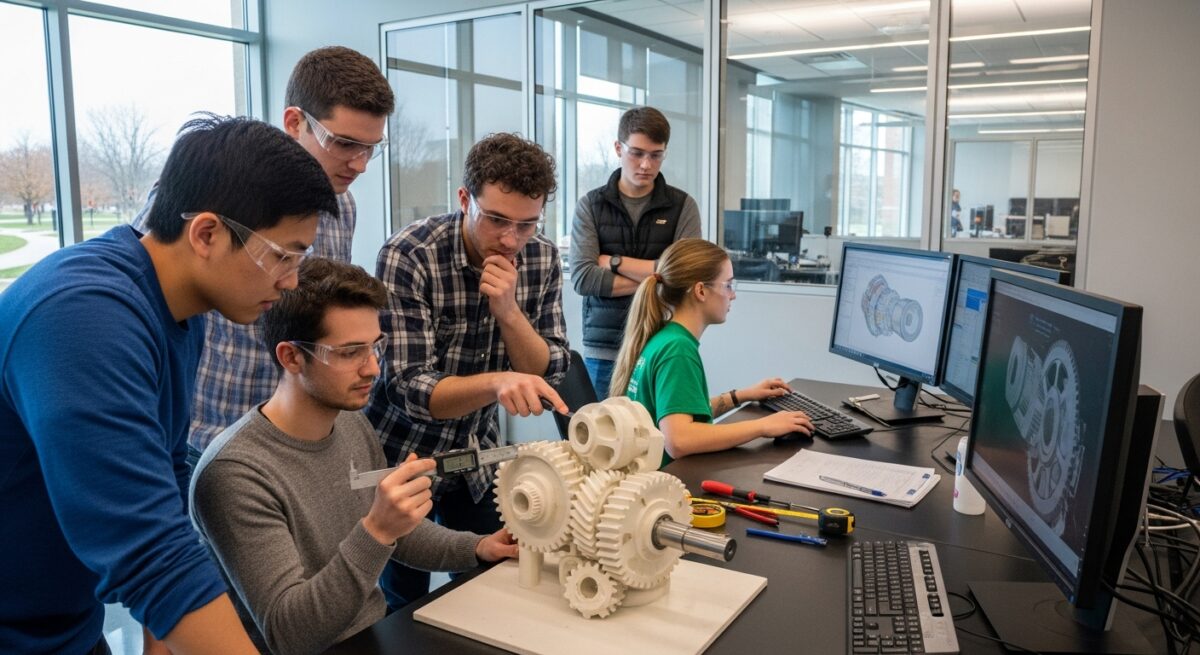
What truly separates a good mechanical engineering program from a great one? The answer lies in a combination of resources, outcomes, and culture. Top-tier programs are typically characterized by exceptional faculty who are leaders in their research fields, from advanced materials science to sustainable energy systems. These professors bring cutting-edge discoveries directly into the classroom and laboratory. Furthermore, the best mechanical engineering colleges invest heavily in state-of-the-art facilities, including wind tunnels, engine test cells, advanced manufacturing labs (like 3D metal printing), and computational clusters for simulation and modeling. Access to such tools is not a privilege reserved for graduate students, it is integrated into the undergraduate experience, allowing students to apply theory hands-on from their first year.
Another critical marker is a strong, active connection to industry. This manifests through robust co-op and internship programs that provide paid, professional work experience as part of the degree. Companies often recruit directly from these programs, leading to high job placement rates upon graduation. Additionally, curriculum design at leading engineering universities is increasingly interdisciplinary, recognizing that modern mechanical engineers must collaborate with experts in computer science, electrical engineering, and business. Programs often offer specialized tracks or concentrations in high-demand areas such as robotics, automotive engineering, mechatronics, or biomedical devices, allowing students to tailor their education to their career aspirations.
Key Factors for Students to Evaluate
Prospective students should approach their university search with a personalized checklist. Academic prestige is important, but it must be weighed against other factors that directly impact the student experience and long-term success. A crucial first consideration is program accreditation. In the United States, accreditation by ABET (Accreditation Board for Engineering and Technology) is a non-negotiable baseline for ensuring the program meets essential quality standards and is recognized by employers and graduate schools. Beyond accreditation, students must assess the program’s focus: is it heavily theoretical, or is there a strong emphasis on hands-on, project-based learning? Capstone design projects, where student teams solve real-world problems for industry sponsors, are a hallmark of applied, practical education.
Financial investment and return are also paramount. Tuition costs vary dramatically between public, private, and international institutions. However, the net cost after scholarships, grants, and the earnings potential from co-op programs can change the equation significantly. Students should research the average starting salaries and employment rates of graduates, as these are tangible indicators of the program’s value in the marketplace. Campus location plays a dual role: it affects cost of living and proximity to industry hubs. Studying near automotive centers, aerospace corridors, or tech innovation districts can provide unparalleled access to internships, site visits, and networking events. Finally, the overall campus culture and support systems, including dedicated engineering career services, tutoring centers, and student organizations like ASME (American Society of Mechanical Engineers) chapters, contribute immensely to both academic success and personal development.
Leading Institutions for Mechanical Engineering
While global rankings (from QS, Times Higher Education, etc.) provide a useful starting point, they often aggregate data that may not reflect specific undergraduate experiences. The following institutions are consistently recognized for their excellence in mechanical engineering education, each with distinct strengths. It is essential to remember that the “best” school is the one that aligns with an individual student’s goals, learning style, and financial situation.
United States Powerhouses
The U.S. is home to many of the world’s most renowned engineering schools. The Massachusetts Institute of Technology (MIT) is synonymous with innovation, offering an unparalleled depth of research opportunities and a focus on “mens et manus” (mind and hand). Stanford University excels in its synergy with Silicon Valley, particularly in robotics, design, and sustainable energy. The University of California, Berkeley, offers a top-ranked program within a large public university setting, with exceptional strength in mechanics and materials. Georgia Institute of Technology stands out for its massive, highly-ranked co-op program and deep ties to industry. For a more detailed analysis of the U.S. landscape, our guide on choosing the best engineering universities in the United States breaks down the nuances between public, private, and specialized institutes.
Global and Specialized Contenders
Excellence in mechanical engineering is not confined to one country. The University of Cambridge (UK) is famed for its rigorous theoretical foundation and historic contributions to the field. ETH Zurich (Switzerland) is a European leader with a strong emphasis on precision engineering and sustainability. The National University of Singapore (NUS) is Asia’s top contender, known for its cutting-edge research and global outlook. In Germany, institutions like RWTH Aachen University offer world-class education with low or no tuition fees, coupled with a strong applied focus through the “Fachhochschule” (University of Applied Sciences) model. For students considering flexible or non-traditional pathways, exploring academic degree resources can provide valuable information on accredited online and hybrid programs that offer rigorous mechanical engineering fundamentals.
The Admissions Pathway and Preparation
Gaining admission to a top mechanical engineering program is competitive and requires strategic preparation throughout high school. Academic performance in core STEM subjects (physics, calculus, chemistry) is the most critical factor. Admissions committees look for students who have challenged themselves with Advanced Placement (AP), International Baccalaureate (IB), or honors courses. Standardized test scores (SAT/ACT) remain important for many universities, though a growing number are test-optional. Beyond grades, applicants must demonstrate a genuine passion for engineering. This is best shown through extracurricular projects: building robots, participating in competitions like FIRST Robotics, independent coding or CAD design projects, or relevant summer internships. A well-crafted personal essay should tell a compelling story about the applicant’s motivation to solve problems and contribute to the field of engineering.
Letters of recommendation from math or science teachers who can speak to the applicant’s curiosity, work ethic, and collaborative spirit are invaluable. The application process itself should be approached with a balanced portfolio of schools: include “reach,” “match,” and “safety” institutions based on the student’s profile. Starting early, staying organized, and seeking guidance from school counselors are key steps to managing this demanding process without undue stress.
Frequently Asked Questions
What is the difference between a Bachelor of Science (B.S.) and a Bachelor of Engineering (B.Eng.) in Mechanical Engineering?
The core curriculum is often very similar. The B.S. degree may have a slightly stronger emphasis on foundational sciences and theory, while the B.Eng. might incorporate more applied engineering design and project work from the start. Both are typically ABET-accredited and equally respected by employers. The distinction is more about the historical naming convention of the specific university.
How important is the university’s overall ranking versus the specific mechanical engineering department ranking?
For graduate school admissions and certain competitive research roles, the department’s specific reputation carries significant weight. For most industry jobs, the overall quality and name recognition of the university, combined with the student’s individual experience (projects, internships, grades), are more important. A strong department within a lesser-known overall school can still provide an excellent education and outcomes.
Are co-op programs worth extending the time to graduation?
Absolutely. Co-op programs, which alternate semesters of study with semesters of full-time paid work, usually add a year to the time to degree. However, the benefits are immense: students graduate with 1-2 years of professional experience, a refined resume, a professional network, and often a job offer from a co-op employer. The earnings from co-op terms can also significantly offset educational costs.
Can I pursue a mechanical engineering degree online?
Fully online ABET-accredited bachelor’s degrees in mechanical engineering are rare due to the extensive hands-on lab requirements. However, many universities offer online master’s degrees (M.S. or M.Eng.) in mechanical engineering or related specializations. Some hybrid programs may combine online theory with intensive on-campus lab sessions. Always verify ABET accreditation for any engineering program.
What minor or double major complements mechanical engineering well?
Popular and highly valuable combinations include computer science (for robotics and automation), electrical engineering (for mechatronics), business or engineering management (for leadership roles), mathematics (for advanced analysis), and materials science (for advanced manufacturing). The choice should align with specific career interests.
Selecting the right mechanical engineering university is a deeply personal investment in your future. It requires honest self-assessment of your academic strengths, career ambitions, and preferred learning environment. By looking beyond headline rankings to evaluate the specific resources, culture, and outcomes of each program, you can find an institution that will not only teach you engineering principles but will also empower you to become an innovator and a leader. The journey begins with thorough research and a clear vision of the engineer you aspire to be.