For generations, Historically Black Colleges and Universities (HBCUs) have served as pillars of academic excellence, cultural empowerment, and professional opportunity. These institutions, founded before the Civil Rights Act of 1964 with the principal mission of educating Black Americans, have cultivated leaders in every field imaginable, from science and politics to arts and industry. Choosing the right HBCU is a deeply personal decision that blends academic aspirations with a desire for a uniquely supportive and affirming community. This guide explores the best HBCU colleges in the US, examining the factors that make them exceptional and providing a framework for prospective students to find their ideal fit.
Defining Excellence at HBCU Colleges
Ranking the top historically black colleges requires looking beyond conventional metrics. While graduation rates, research funding, and selectivity are important, the true value of an HBCU lies in its holistic environment. These institutions provide a “counter-space” where students can learn free from the racial stereotypes and microaggressions often present at Predominantly White Institutions (PWIs). This nurturing atmosphere directly contributes to remarkable outcomes: though HBCUs represent only 3% of America’s colleges and universities, they produce nearly 20% of all Black graduates and 25% of Black graduates in STEM fields. The best HBCU colleges in the US masterfully combine rigorous academics with a profound commitment to student development, cultural heritage, and community service.
When evaluating the top HBCUs, consider these core pillars of excellence. First, academic strength and program specificity: some schools are renowned for engineering, others for business, healthcare, or the arts. Second, the strength of alumni networks and career outcomes, as HBCU graduates often benefit from powerful, lifelong professional connections. Third, campus culture and student life, which can vary significantly from the bustling urban setting of Howard University to the more traditional, pastoral campus of Spelman College. Finally, affordability and financial support, as many HBCUs are dedicated to making high-quality education accessible. For a deeper dive into the foundational history and enduring value of these institutions, our comprehensive resource on HBCU history and value offers essential context.
Leading HBCUs by Academic Discipline
The landscape of best HBCU colleges is diverse, with different institutions leading in specific academic areas. Prospective students should align their college search with their intended major and career goals, as the top school for an aspiring doctor may differ from the top school for a future engineer or corporate executive.
For STEM (Science, Technology, Engineering, and Mathematics) fields, several HBCUs stand out. North Carolina A&T State University in Greensboro is the nation’s top producer of Black engineering graduates at the undergraduate level. Its College of Engineering is highly respected and maintains strong industry partnerships. Florida A&M University in Tallahassee is another STEM powerhouse, particularly known for its pharmacy school, which is consistently ranked among the best. Xavier University of Louisiana, though a private Catholic institution, produces more Black students who graduate from medical school than any other university in the United States, making it a premier choice for pre-med and health sciences.
In business and entrepreneurship, Howard University’s School of Business in Washington, D.C., is iconic, with a legacy of producing Fortune 500 executives, entrepreneurs, and policymakers. Hampton University in Virginia also boasts a strong business school with a focus on leadership and innovation. For law and the social sciences, Howard University again leads, home to the prestigious Howard University School of Law, a cradle for civil rights attorneys and judges. For students interested in the arts, communication, and humanities, schools like Howard, Spelman College (noted for its writing programs), and Hampton University (with its renowned museum and archival collections) offer unparalleled training and access.
The Undergraduate Experience: Campus Life and Culture
Attending one of the best HBCU colleges in the US is about more than attending classes. It’s an immersive experience that shapes identity, builds lifelong bonds, and instills a sense of purpose. Campus life at top historically black colleges is vibrant, defined by rich traditions, homecoming celebrations that are cultural phenomena, and a strong sense of communal responsibility. Greek life, with the “Divine Nine” historically Black fraternities and sororities, plays a significant role in social life, leadership development, and networking. Student organizations range from academic and professional groups to cultural ensembles like marching bands, choirs, and dance teams that achieve national fame.
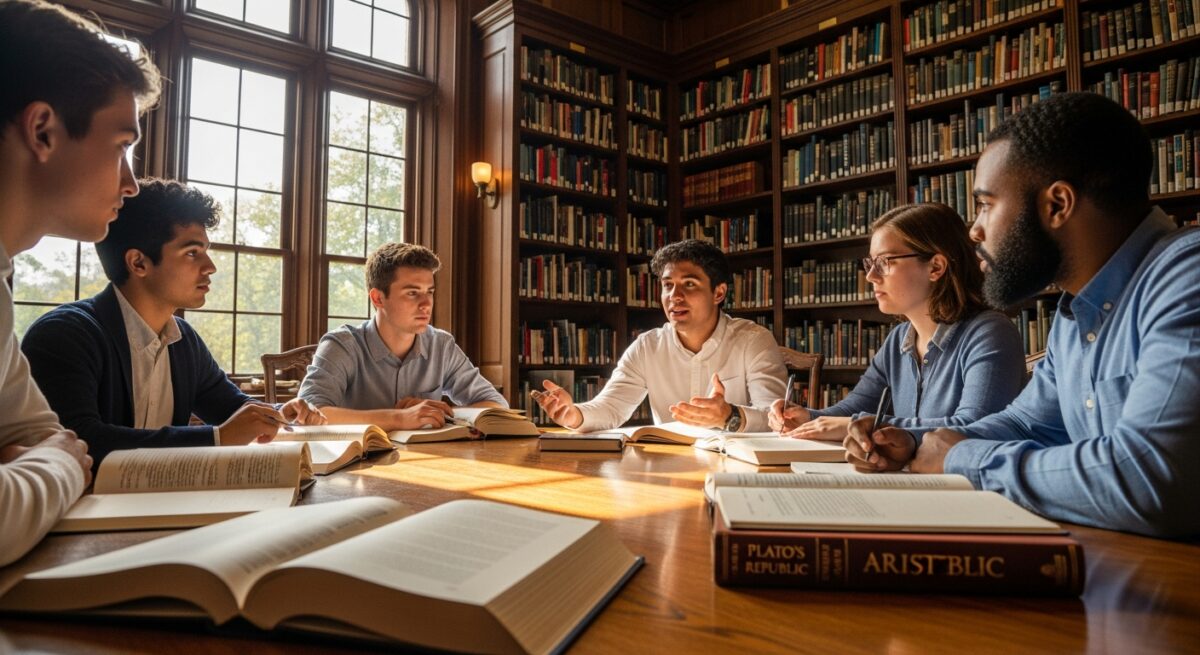
The classroom environment itself is a key differentiator. Students frequently report that HBCU faculty have high expectations and provide a level of mentorship and personal attention that is transformative. The pedagogy is often inclusive, weaving the Black experience and perspectives into the curriculum across disciplines. This supportive network extends beyond graduation. The alumni networks of top HBCUs are famously loyal and active, often directly facilitating internships and job placements for recent graduates. This creates a powerful ecosystem where success is nurtured and expected.
Key Factors in Your HBCU Selection Process
Choosing among the best HBCU colleges requires a personalized approach. Start by honestly assessing your academic profile and aspirations. Research which schools have the strongest programs in your area of interest, using departmental websites, faculty lists, and program accreditation as guides. Consider the campus setting: do you thrive in a major city like Atlanta (home to the Atlanta University Center Consortium, including Spelman, Morehouse, and Clark Atlanta) or a quieter college town? Size matters, too, from the intimate, all-women’s environment of Spelman (around 2,400 students) to the larger, public university atmosphere of North Carolina A&T (over 13,000 students).
Financial planning is a critical, practical step. While many HBCUs offer competitive tuition, you must investigate the net cost after scholarships, grants, and federal aid. Most HBCUs have robust financial aid offices skilled at helping students assemble funding packages. Be sure to complete the FAFSA early and research school-specific scholarships for HBCU students. Finally, the best way to gauge fit is to visit. Attend an open house, sit in on a class, talk to current students, and soak in the atmosphere. This firsthand experience is invaluable for making your final decision. For those navigating this complex process, effective degree planning for students is a crucial skill that ensures academic and financial goals remain aligned from enrollment through graduation.
Frequently Asked Questions
Are HBCUs only for Black students?
No. While founded to serve the Black community, HBCUs are open to all students who meet admission criteria. They celebrate diversity and welcome students of all races and ethnicities who wish to experience their unique educational environment.
What makes HBCU alumni networks so strong?
The bonds formed in the close-knit, culturally affirming HBCU environment foster deep loyalty. Alumni often feel a strong duty to “lift as they climb,” creating active associations that provide mentorship, internship opportunities, and direct hiring pipelines for graduates.
Do HBCUs offer strong STEM programs?
Absolutely. As highlighted, institutions like North Carolina A&T, Florida A&M, and Xavier University of Louisiana are national leaders in producing Black STEM graduates. They often receive significant federal and corporate research grants and provide intensive support to help students succeed in demanding fields.
How do I find scholarships for HBCUs?
Start with the financial aid page of your target schools. Also, explore national organizations like the Thurgood Marshall College Fund, UNCF (United Negro College Fund), and the National Association for the Advancement of Colored People (NAACP). Many corporations and professional associations also offer HBCU-specific scholarships.
Is the academic workload at a top HBCU less rigorous than at a PWI?
This is a misconception. The best HBCU colleges maintain high academic standards and rigorous curricula. The difference is often in the support structure; students report more access to professors, comprehensive tutoring centers, and a peer culture that expects academic success, which can lead to better outcomes.
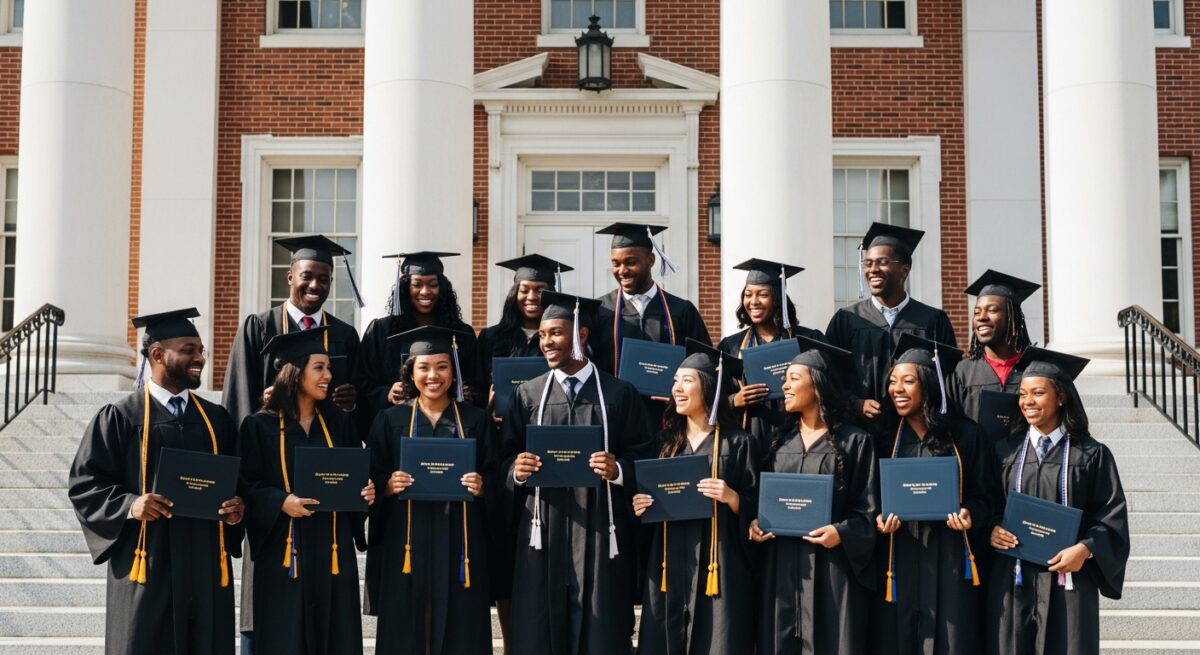
The journey to find the right HBCU is a meaningful step toward a transformative college experience. The best HBCU colleges in the US offer more than a degree, they offer a foundation for leadership, a connection to a proud legacy, and a community for life. By carefully considering your academic goals, personal preferences, and financial situation, you can identify the institution where you will not only succeed but truly thrive and carry forward the enduring legacy of HBCU excellence.