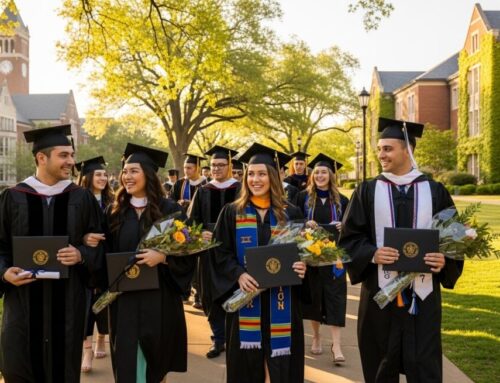
Choosing the right Historically Black College or University (HBCU) for a business degree is a strategic decision that can shape your professional trajectory for decades. These institutions offer more than just a curriculum, they provide a powerful network, a legacy of excellence, and a culturally affirming environment that fosters leadership and entrepreneurial spirit. For students seeking a business education that combines rigorous academics with unparalleled career preparation and a strong sense of community, the nation’s top HBCU business colleges stand out as premier destinations. This guide explores the leading programs, their unique strengths, and how they pave the way for successful careers in finance, management, marketing, and entrepreneurship.
Defining Excellence in HBCU Business Education
When evaluating the best HBCU for business programs, several key factors come into play. Accreditation is paramount, with AACSB (Association to Advance Collegiate Schools of Business) accreditation representing the gold standard for business schools worldwide. This accreditation signals a rigorous curriculum, qualified faculty, and a commitment to continuous improvement that is recognized by employers globally. Beyond accreditation, prospective students should examine specialized program offerings, faculty expertise, internship and co-op placement rates, career services support, and the strength and engagement of the alumni network. The most distinguished HBCU business schools excel in all these areas, creating a holistic educational experience.
These institutions also understand the unique value they provide. They often emphasize leadership development, ethical decision-making, and social impact within the business world. Many top programs integrate experiential learning directly into their core requirements, ensuring students graduate with real-world project experience. Furthermore, the close-knit environment typical of HBCUs allows for significant mentorship opportunities with professors and industry professionals, a benefit that can be harder to find in larger, less personal settings. This combination of high-quality instruction and personalized support creates a fertile ground for future business leaders.
Leading HBCU Business Schools and Their Distinctions
Several HBCUs have built nationally renowned business programs that consistently rank among the best. Howard University’s School of Business in Washington, D.C., is frequently cited as a top contender. Its location in the nation’s capital provides unmatched access to federal agencies, global non-profits, and corporate headquarters, fueling exceptional internship and job opportunities. Howard offers a wide range of majors, from accounting and finance to international business and hospitality management, all within an AACSB-accredited framework.
North Carolina A&T State University’s College of Business and Economics is another powerhouse, known for producing a high number of African American graduates with degrees in accounting and engineering management. Its strong ties to industries in the Research Triangle and beyond facilitate robust corporate recruitment. Similarly, Florida A&M University’s School of Business and Industry (SBI) has a legendary reputation for its professional development model. SBI’s “Executive Mentor Program” and mandatory professional dress code prepare students meticulously for corporate culture, resulting in impressive placement rates with Fortune 500 companies.
Spelman College, though a women’s liberal arts college, offers a highly regarded economics major and a compelling management and organization concentration. Its focus on developing women leaders of color for the global business arena is exceptional. Hampton University’s School of Business boasts AACSB accreditation and a beautiful waterfront campus that hosts an annual business conference drawing major corporate partners. For students interested in the intersection of business and technology, Clark Atlanta University’s School of Business Administration offers strong programs with synergies to its robust computer science departments.
Career Outcomes and Alumni Network Power
The ultimate test of any business program is the success of its graduates. Top HBCU business schools excel in launching careers. Their dedicated career services offices often have deep, long-standing relationships with major corporations, government agencies, and graduate programs. These schools frequently host exclusive “treks” where students visit company headquarters, and they attract recruiters from top-tier firms specifically seeking diverse talent. The career outcomes speak for themselves, with alumni ascending to leadership roles as CEOs, CFOs, partners at major consulting firms, and successful entrepreneurs.
The alumni network from a leading HBCU business school is an invaluable, lifelong career asset. These networks are famously loyal and active. Alumni frequently return to campus to recruit, mentor current students, and offer internships. This creates a powerful cycle of support that opens doors for new graduates. For anyone researching the best HBCU for business careers, investigating the reach and engagement of the alumni association is a critical step. The strength of this network often provides a competitive edge in the job market and throughout one’s professional journey.
Selecting the Right Program for Your Goals
With several outstanding options available, choosing the right fit requires introspection and research. A student aiming for Wall Street might prioritize a school with a strong finance program, a dedicated trading room, and recruitment pipelines to investment banks. An aspiring entrepreneur should look for schools with business incubators, pitch competitions, and courses in venture creation. Those interested in accounting should target programs with high CPA pass rates and partnerships with major accounting firms.
Beyond specialization, consider the campus culture, location, and size. Do you thrive in a large, bustling environment like Atlanta, which houses multiple HBCUs and vast corporate opportunities? Or do you prefer a more intimate, focused setting? Visiting campuses, if possible, and speaking with current students and faculty can provide crucial insights. It is also wise to analyze the total cost of attendance against the average starting salaries of graduates. Proactive financial planning is essential, and utilizing comprehensive education tuition resources can help you model costs, explore scholarship opportunities, and make a sound investment in your future.
Beyond the Bachelor’s: Graduate Opportunities
Many of the top undergraduate HBCU business programs also offer advanced degrees, such as Master of Business Administration (MBA), Master of Accountancy (MAcc), or Master of Science in Finance programs. Pursuing a graduate degree at your alma mater or another HBCU can deepen your network and specialization. Furthermore, the reputation of a strong HBCU undergraduate business degree opens doors to elite MBA programs across the country. Graduate admissions committees recognize the rigor and quality of these programs, understanding that graduates are well-prepared for advanced study. This pathway allows students to leverage their HBCU foundation for continued ascent in the business world, whether in corporate leadership, consulting, or entrepreneurship. For a broader perspective on elite business training, our guide on top undergraduate business programs examines the defining characteristics of prestigious schools nationwide.
Frequently Asked Questions
What makes an HBCU business program different from other business schools?
HBCU business programs provide the same rigorous AACSB-accredited curriculum as other top schools but within a culturally supportive environment that specifically nurtures Black and minority students. They offer profound mentorship, a tight-knit community, and a powerful, active alumni network dedicated to lifting each other up, which can significantly impact confidence, opportunity, and long-term career success.
Are HBCU business programs only for Black students?
No. While HBCUs were founded to serve Black students, they are inclusive institutions that welcome students of all races and ethnicities. Any student who values a diverse, community-focused, and high-quality business education will find tremendous value in an HBCU business program.
How important is AACSB accreditation for an HBCU business degree?
It is extremely important. AACSB accreditation is the highest standard for business education worldwide. It assures that the program meets strict quality criteria, which is highly regarded by employers and graduate schools. When researching the best HBCU for business programs, prioritizing AACSB accreditation is a key step.
Do HBCU business schools have good connections with major companies?
Yes, leading HBCU business schools have exceptional corporate partnerships. Companies actively recruit from these schools to build diverse talent pipelines. Many schools host exclusive career fairs with hundreds of employers, and their corporate advisory boards include executives from Fortune 500 companies who help shape the curriculum to meet industry needs.
What financial aid options are available for HBCU business students?
Students have access to federal aid, state grants, institutional scholarships, and private scholarships specifically targeted toward HBCU students. Many business schools within HBCUs also offer merit-based scholarships for high-achieving students. It’s crucial to complete the FAFSA early and research scholarships offered by the specific school and external organizations dedicated to supporting HBCU education.
The journey to a rewarding business career is multifaceted, and the foundation you build in undergraduate school is critical. The nation’s premier HBCU business programs offer a distinctive and powerful path, merging academic excellence with cultural wealth and professional readiness. By carefully considering your goals, researching the specific strengths of each school, and engaging with their communities, you can identify the ideal environment to launch a successful and impactful career in the world of business.