Choosing the right educational institution is the foundational step for any aspiring fashion professional. The journey from a creative idea to a tangible collection, a marketing campaign, or a global brand requires not just talent, but rigorous training, industry connections, and a deep understanding of the fashion ecosystem. The world’s best fashion colleges provide this essential launchpad, blending artistic development with practical business acumen. Whether your dream is to see your name on a runway label, revolutionize sustainable textiles, or shape the future of digital retail, the program you select will profoundly influence your trajectory. This guide explores the key factors that define excellence in fashion education and highlights the institutions renowned for cultivating the industry’s next generation of leaders.
Defining Excellence in Fashion Education
Not all fashion programs are created equal, and the “best” school is highly subjective, depending on your specific goals, learning style, and career aspirations. However, top-tier fashion colleges share several critical attributes that set them apart. First and foremost is a curriculum that balances timeless artistic principles with cutting-edge industry trends. Students learn the fundamentals of draping, pattern-making, and construction while also engaging with digital design tools, sustainable practices, and global supply chain management. This holistic approach ensures graduates are not only skilled artisans but also adaptable professionals.
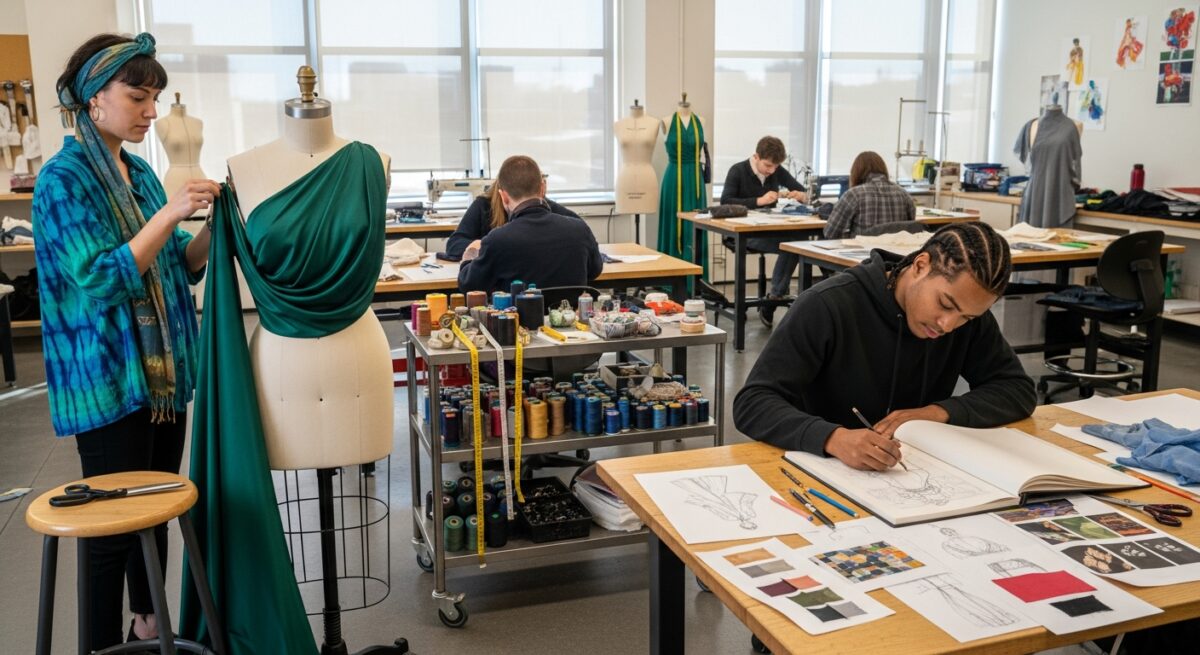
Another indispensable element is faculty composed of industry veterans. Instructors who have worked for major houses, launched successful brands, or pioneered new technologies bring invaluable real-world insight into the classroom. Their connections often translate into guest lectures, studio visits, and internship opportunities that are otherwise inaccessible. Furthermore, the best fashion colleges foster a culture of critique and collaboration, simulating the high-pressure, team-oriented environment of the fashion world. Access to state-of-the-art facilities, from industrial sewing labs and textile libraries to 3D printing studios and photography suites, is also a non-negotiable aspect of a quality education, allowing students to master their craft with professional-grade tools.
Global Hubs and Specialized Pathways
The geographic location of a fashion school can be as important as its curriculum. Being situated in a global fashion capital provides immersive exposure to the industry’s heartbeat. Cities like New York, London, Paris, Milan, and Tokyo offer unparalleled access to fashion weeks, flagship stores, design studios, museums, and a dense network of professionals. This environment facilitates internships during study, which are critical for resume building and often lead to post-graduation employment. However, emerging hubs in cities like Copenhagen, Seoul, and Berlin also offer vibrant, avant-garde scenes with strong focuses on sustainability and streetwear, appealing to students with specific niche interests.
Beyond location, specialization is key. The fashion industry encompasses a wide array of disciplines, and leading schools often have particular strengths. Prospective students should look for programs with deep expertise in their chosen field. For example, some institutions are legendary for producing haute couture designers, while others excel in technical design, fashion marketing, merchandising, or journalism. Some of the best fashion colleges have built renowned programs in accessory design, knitwear, or costume design for film and theater. Identifying a school whose specialized strengths align with your personal vision is a crucial step in the selection process.
Evaluating Program Structure and Outcomes
When researching fashion design colleges, delve into the specifics of the program structure. Consider the balance between studio practice, theoretical lectures, and liberal arts education. Some programs are intensely hands-on from day one, while others incorporate a broader academic foundation. The availability of cross-disciplinary study, such as taking business or photography courses, can also enrich your skill set. Pay close attention to the final-year project or thesis presentation, as this is often the centerpiece of a student’s portfolio and the primary showcase for recruiters. Schools that host annual fashion shows or portfolio reviews with industry panels provide a significant platform for launching careers.
Ultimately, the proof of a program’s quality is in the success of its alumni. Research the career paths of recent graduates. Do they secure positions at established luxury houses, launch independent labels, or move into influential roles in buying, media, or product development? A strong career services department with high job placement rates is a telling indicator. Many of the best fashion colleges maintain lifelong career support and powerful alumni networks that actively mentor and hire new graduates, creating a virtuous cycle of opportunity and success.
Leading Institutions for Fashion Design and Beyond
While rankings can vary, several institutions consistently appear at the pinnacle of global fashion education. These schools have earned their reputations through decades of producing industry-defining talent. In the United States, schools like Parsons School of Design (The New School), the Fashion Institute of Technology (FIT), and Pratt Institute in New York are iconic. Parsons is celebrated for its conceptual and design-thinking approach, while FIT is renowned for its technical, industry-ready programs in design, business, and technology. In the United Kingdom, Central Saint Martins (University of the Arts London) is synonymous with avant-garde creativity and has launched some of the world’s most influential designers. The Royal College of Art offers prestigious postgraduate degrees for those seeking to deepen their practice.
In Europe, institutions like Istituto Marangoni (with campuses in Milan, Paris, and London) and Polimoda in Florence offer immersive Italian fashion training with strong links to luxury brands. France’s Ecole de la Chambre Syndicale de la Couture Parisienne provides exceptional technical training in the heart of Parisian haute couture. For those interested in the business and marketing side of fashion, schools like LIM College in New York or the London College of Fashion’s extensive program portfolio offer targeted pathways. It is important to note that many excellent programs exist outside these famous names, including strong regional schools and innovative online platforms that provide flexibility for non-traditional students. For those exploring digital learning, researching degree planning for students can help identify accredited online degree paths that offer rigorous fashion business or design theory education.
To aid your comparison, here are key considerations when evaluating top programs:
- Curriculum Focus: Is it design-centric, technical, business-oriented, or a blend?
- Faculty Credentials: Do instructors have current, relevant industry experience?
- Facilities & Resources: Are studios, labs, and libraries modern and comprehensive?
- Industry Connections: What is the depth of the internship program and employer network?
- Alumni Success: What recognizable brands and companies employ graduates?
Remember, the most prestigious school is not automatically the best fit. A smaller program with dedicated faculty and a strong local industry network might offer more personalized attention and better opportunities for a particular student. Visiting campuses, attending virtual open houses, and speaking with current students and alumni are invaluable steps in making an informed decision.
Building Your Application and Portfolio
Gaining admission to a competitive fashion program requires careful preparation, often beginning a year or more in advance. The portfolio is the most critical component of your application. It must showcase not only your finished work but also your creative process, technical skills, and unique point of view. Include sketches, concept development pages, photographs of garments or products you’ve created, and any relevant multimedia work. Diversity in projects demonstrates range, but a cohesive artistic voice is equally important. Many top fashion colleges seek candidates with a strong foundation in drawing and visual communication, so life drawing and observational sketches are highly recommended.
Beyond the portfolio, academic transcripts, letters of recommendation, and personal essays carry significant weight. The essay is your opportunity to articulate your passion for fashion, your understanding of the field, and why you are a perfect match for that specific program. Demonstrating knowledge of the school’s philosophy, faculty, and special resources shows genuine interest. Some programs also require interviews or entrance exams. Preparing for these involves being able to discuss your portfolio pieces intelligently, your influences, and your career aspirations with clarity and confidence. Start this process early to allow ample time for refinement and feedback.
Frequently Asked Questions
Is a degree from a fashion college necessary to succeed in the industry?
While not strictly necessary, a formal education from a respected fashion college provides structured training, technical skills, industry connections, and credentialing that can dramatically accelerate and solidify a career path. It is the most reliable route for most people.
What is the difference between a fashion design degree and a fashion merchandising degree?
Fashion design focuses on the creation of clothing and accessories, covering design, pattern-making, and construction. Fashion merchandising focuses on the business side, including buying, retail management, marketing, branding, and product development.
How important is it to attend a school in a major fashion capital?
It is highly beneficial due to proximity to internships, industry events, and professional networks. However, excellent schools exist elsewhere, and many offer semester-abroad programs in these capitals to provide similar exposure.
Can I study fashion online effectively?
Yes, particularly for theory-based subjects like fashion business, history, or marketing. For hands-on design, hybrid models that combine online instruction with in-person intensives or well-structured kit-based learning are becoming more prevalent and credible.
What are the typical career paths after graduation?
Graduates may become apparel designers, technical designers, production managers, fashion buyers, merchandisers, stylists, creative directors, fashion journalists, or entrepreneurs launching their own brands.
The path to a career in fashion begins with a strategic educational choice. By thoroughly researching programs, understanding your own creative and professional goals, and preparing a compelling application, you can position yourself to thrive at one of the world’s best fashion colleges. This investment in your education is an investment in your future voice within the dynamic, ever-evolving world of fashion. The skills, network, and confidence you build will serve as the foundation for a lasting and impactful career.