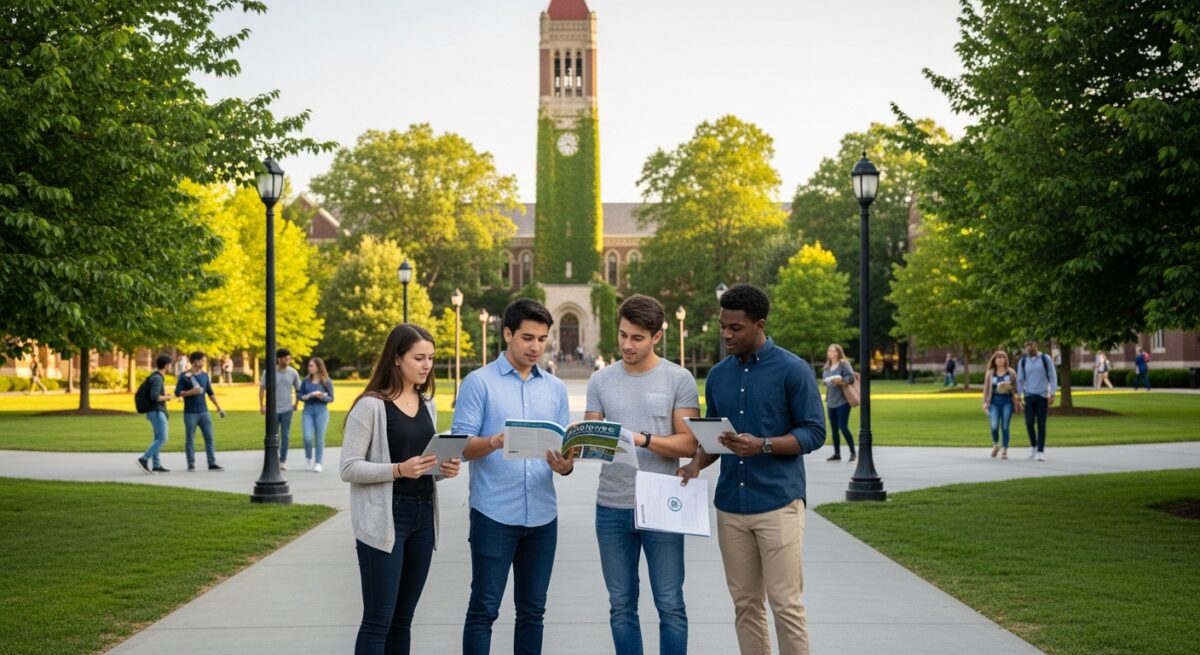
Choosing the right dental school is a pivotal decision that shapes your entire professional future. It is about more than just a degree, it is about finding an environment that will cultivate your clinical skills, scientific curiosity, and professional identity. The journey to becoming a dentist is rigorous, demanding a significant investment of time, finances, and personal dedication. Therefore, identifying the best colleges for dentistry programs requires a nuanced approach that looks beyond simple rankings to consider factors like curriculum design, clinical exposure, research opportunities, and institutional culture. This guide will help you navigate the complex landscape of dental education, providing a framework to evaluate programs and make an informed choice that aligns with your career aspirations and personal goals.
Understanding Dental School Accreditation and Types of Programs
Before delving into specific institutions, it is crucial to understand the foundational elements of a quality dental education. In the United States, the Commission on Dental Accreditation (CODA) is the sole agency recognized by the U.S. Department of Education to accredit dental and dental-related education programs. Attending a CODA-accredited dental school is non-negotiable, as it is required for licensure and ensures the program meets rigorous national standards for curriculum, faculty, and facilities. There are two primary degree paths: the Doctor of Dental Surgery (DDS) and the Doctor of Dental Medicine (DMD). The degrees are identical in scope, requirements, and professional standing, the difference is solely in nomenclature, with schools choosing one title over the other based on tradition.
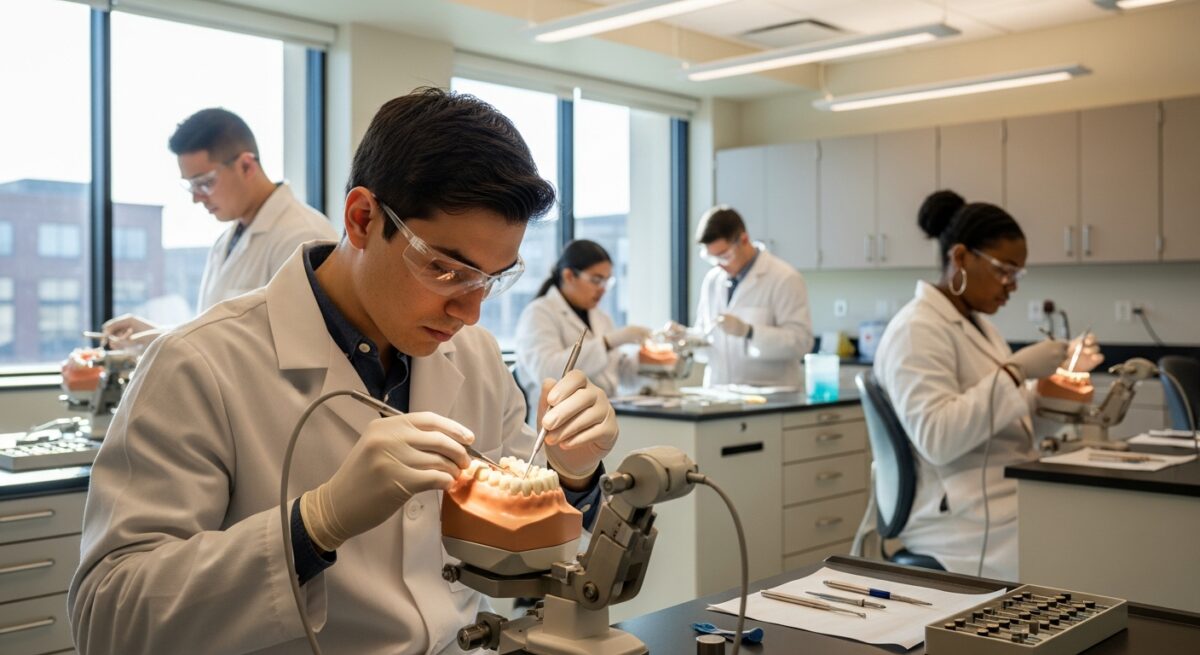
Dental school typically spans four academic years. The first two years are heavily focused on biomedical sciences (anatomy, biochemistry, physiology) and pre-clinical technique courses, where students learn procedures on manikins and simulated models. The final two years are dominated by clinical rotations, where students treat patients under faculty supervision in school-operated clinics. Many top-tier programs also integrate research, community service, and specialized tracks (like public health or business) into the curriculum. When evaluating the best dental schools, prospective students should scrutinize the balance and integration of these phases. A strong program seamlessly connects scientific theory with hands-on practice from an early stage.
Key Criteria for Evaluating Top Dental Schools
Rankings from sources like U.S. News & World Report offer a starting point, but they should not be the sole determinant. A holistic evaluation requires examining several interconnected factors that directly impact your educational experience and career trajectory. A school might be highly ranked overall but may not be the best fit for your specific interests in, for example, pediatric dentistry or biomaterials research.
First, consider clinical training and patient exposure. The volume, variety, and complexity of patients a student treats are paramount. Investigate the school’s clinic facilities, the patient pool (including diversity of cases), and the requirements for clinical competency. Schools affiliated with large medical centers or that serve underserved communities often provide exceptional clinical volume. Second, research opportunities are a hallmark of leading institutions. Whether you aspire to be a clinician-scientist or simply want to engage in scholarly activity, access to funded research, faculty mentors, and modern laboratories is vital. Third, examine the curriculum’s philosophy. Some programs are known for a traditional, disciplined approach, while others emphasize problem-based learning, early clinical immersion, or interprofessional education alongside medical and pharmacy students.
Other critical factors include cost and financial aid, location (which affects living expenses and potential patient demographics), class size and culture, post-graduation residency placement rates, and the strength of the alumni network. To manage the significant cost of dental education, proactive financial planning is essential. Prospective students should thoroughly explore all scholarship and grant opportunities. For comprehensive support in navigating funding options, seeking education scholarship guidance can be an invaluable step in reducing student debt.
Profiles of Leading Dental Schools in the United States
While a definitive “best” list depends on individual fit, several institutions consistently receive recognition for their excellence across the criteria mentioned. It is important to note that admission to these programs is intensely competitive, requiring stellar academic records, DAT scores, letters of recommendation, and interview performance.
The University of Michigan School of Dentistry frequently tops national lists. It is renowned for its robust research enterprise, consistently ranking first in NIH funding for dental schools. Its curriculum integrates research and clinical care extensively, and its large alumni network is a powerful career asset. Harvard School of Dental Medicine (HSDM) offers a uniquely integrated program with Harvard Medical School. Its curriculum is heavily focused on the medical model of oral health, with all dental students taking core classes alongside medical students. This fosters a deep understanding of oral-systemic health connections and is ideal for those interested in academia or complex medical-dental cases.
The University of North Carolina at Chapel Hill Adams School of Dentistry is celebrated for its strong clinical program and commitment to public health. Students gain significant experience in community-based settings, and the school boasts high pass rates on licensing exams. On the West Coast, the University of California, Los Angeles (UCLA) School of Dentistry is known for its innovative curriculum, cutting-edge research in areas like biotechnology and pain management, and its location in a major urban center with a diverse patient population. The University of Pennsylvania School of Dental Medicine combines Ivy League resources with a strong clinical program, offering students exposure to a wide range of specialties and a global health focus.
Many other public and private institutions offer exceptional education. State schools like the University of Texas Health Science Center at Houston (UTHealth) School of Dentistry or the University of Washington School of Dentistry provide top-tier training at a lower cost for in-state residents. Similarly, private institutions like New York University College of Dentistry, with its enormous clinical volume, or the University of the Pacific Arthur A. Dugoni School of Dentistry, with its accelerated three-year program, present unique and valuable models.
The Application Process and Strategic Planning
Gaining admission to a dental school is a multi-year process that requires careful planning. The central application service is the Associated American Dental Schools Application Service (ADEA AADSAS). Most schools participate, allowing you to submit one primary application, which is then distributed to your designated schools. The process typically opens in late May or early June, and applying early is a significant strategic advantage.
Your application must tell a compelling story. Beyond grades and DAT scores, dental schools seek candidates with demonstrated manual dexterity, service orientation, and a clear understanding of the profession. Substantial shadowing experience (often 100+ hours) is a baseline requirement. Meaningful extracurricular activities, leadership roles, and community service are equally important. Your personal statement and letters of recommendation must articulate your motivation, resilience, and unique attributes. Once your primary application is reviewed, schools may invite you to submit a secondary application and, eventually, for an interview. The interview is your opportunity to demonstrate communication skills, professionalism, and genuine interest in that specific program.
Strategic planning should begin during your undergraduate years. Prerequisite courses typically include biology, general and organic chemistry, physics, and often biochemistry and English. A strong relationship with a pre-health advisor is invaluable. Furthermore, exploring diverse educational pathways can provide broader context. For instance, understanding the mission and offerings of specialized institutions, such as those detailed in our guide on Historically Black Colleges online degree programs, can highlight how different academic environments foster success for different students, a principle that applies equally to selecting a dental school.
Frequently Asked Questions
What is the most important factor for dental school admission?
There is no single most important factor. Admissions committees use a holistic review. Exceptional academic performance (GPA and DAT) is necessary to be competitive, but it is not sufficient. Strong letters of recommendation, a compelling personal statement, substantive dental shadowing experience, and well-rounded extracurricular involvement are all critical components of a successful application.
How much does dental school cost, and what are the financing options?
The cost is substantial. Total attendance costs (tuition, fees, and living expenses) for four years can range from approximately $250,000 at some public state schools for in-state students to over $500,000 at certain private institutions. Financing primarily comes from federal student loans (Direct Unsubsidized Loans and Grad PLUS Loans). Scholarships, grants, and institutional aid are available but more limited than at the undergraduate level. Military scholarships (Army, Navy, Air Force) can cover full tuition and provide a stipend in exchange for service commitment.
Is specializing after dental school necessary, and how does school choice affect that?
Specializing is not necessary, the majority of dentists are general practitioners. However, if you are considering a specialty like orthodontics, oral surgery, or pediatric dentistry, attending a dental school with a strong reputation and in-house residency programs in that specialty can be beneficial. These schools often provide greater exposure to specialty faculty, research, and clinical opportunities, which can strengthen your residency application.
What is the difference between a DDS and a DMD degree?
There is no difference in practice, rights, or educational requirements between a Doctor of Dental Surgery (DDS) and a Doctor of Dental Medicine (DMD). The curriculum, accreditation standards, and licensing eligibility are identical. The difference is historical and based on the Latin translation preference of the degree-granting university. Both degrees allow you to practice all facets of general dentistry and pursue specialty training.
Selecting the right dental school is a deeply personal decision with long-term implications. The best colleges for dentistry programs for you are those where you will thrive academically, clinically, and personally. By conducting thorough research, visiting campuses if possible, speaking with current students and alumni, and honestly assessing your own goals and values, you can identify the program that will best launch your successful career in oral healthcare. The path is demanding, but the reward of a profession dedicated to improving health and confidence is immeasurable.