Choosing the right school for a cosmetic science degree can feel overwhelming given the specialized nature of the field. This discipline blends chemistry, biology, and formulation artistry to create products that millions use daily. The demand for skilled cosmetic scientists continues to grow as the beauty industry expands globally. Finding the best university for cosmetic science programs requires understanding curriculum depth, faculty expertise, and industry connections. This guide helps you evaluate your options and make an informed decision about your education and career.
What Makes a Cosmetic Science Program Stand Out
Not all cosmetic science colleges offer the same quality of education. A top-tier program provides a strong foundation in organic chemistry, biochemistry, and material science. Students learn how ingredients interact, how to ensure product stability, and how to scale formulations from lab bench to production. The best programs also emphasize regulatory knowledge, safety assessment, and claims substantiation. These skills are essential for graduates who want to work in product development, quality control, or regulatory affairs at major beauty companies.
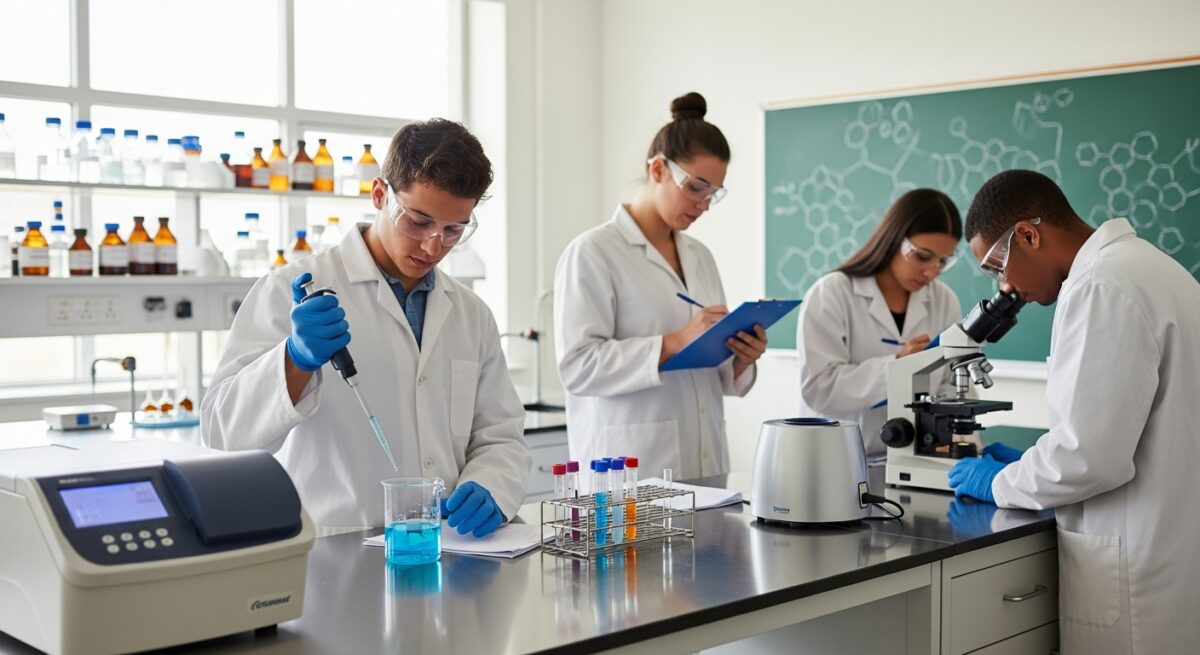
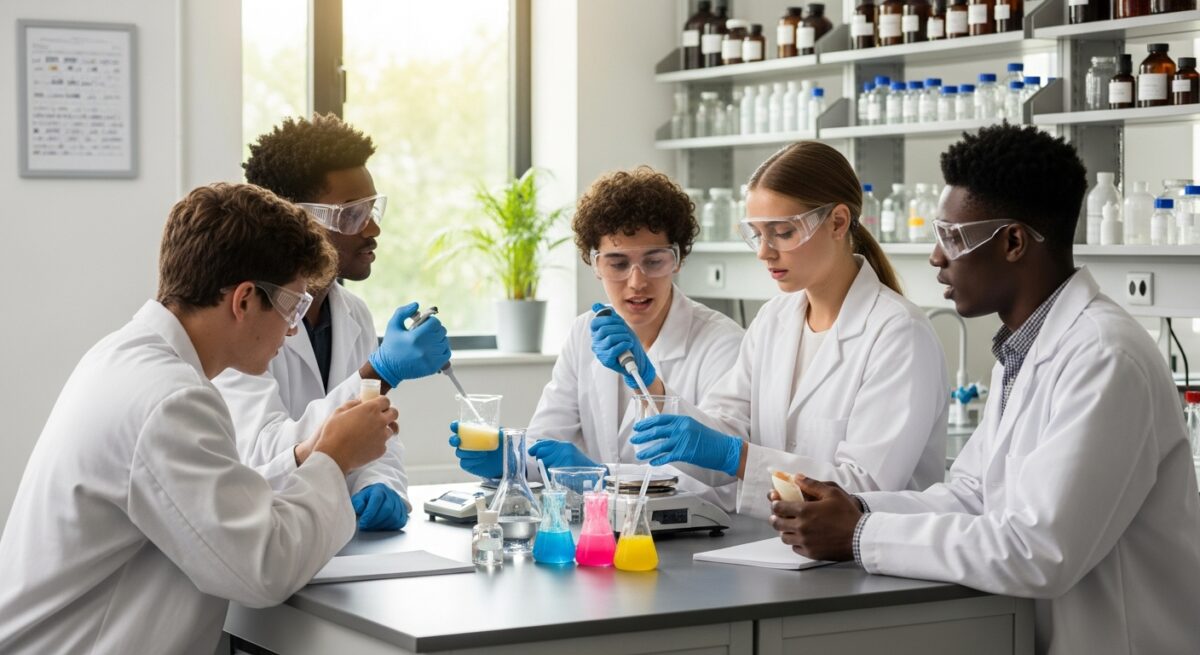
Additionally, leading programs offer hands-on laboratory experience with industry-standard equipment. Students should expect to spend significant time formulating creams, lotions, color cosmetics, and hair care products. Internship opportunities with established brands or contract manufacturers provide real-world experience that makes graduates more competitive. Many beauty science universities partner with companies like L’Oreal, Estee Lauder, and Procter & Gamble to offer co-op programs and job placement assistance.
Key Program Features to Evaluate
When researching cosmetic science programs, consider these critical factors:
- Accreditation and reputation of the institution and specific program
- Curriculum that covers formulation chemistry, microbiology, and regulatory compliance
- Access to modern laboratories with analytical instruments like HPLC, GC-MS, and rheometers
- Faculty who have industry experience and active research programs
- Internship and career placement rates for graduates
Programs that excel in these areas produce graduates who are well-prepared for the workforce. Many employers actively recruit from schools known for strong cosmetic science curricula. The best university for cosmetic science will offer a balance of theoretical knowledge and practical application. Students should also consider program length, cost, and location when making their decision.
Top Universities for Cosmetic Science in the United States
Several universities have established themselves as leaders in cosmetic science education. These institutions offer undergraduate degrees, graduate programs, and certificate options tailored to different career stages. The following schools consistently rank among the best university for cosmetic science programs based on curriculum quality, faculty expertise, and graduate success.
University of Cincinnati offers a Bachelor of Science in Cosmetic Science through its James L. Winkle College of Pharmacy. This program is one of the few undergraduate degrees specifically focused on cosmetic science in the United States. Students take courses in cosmetic formulation, ingredient chemistry, and product safety. The program also includes a required internship, giving students direct industry experience before graduation. Graduates find positions at major beauty companies and contract manufacturers across the country.
Fairleigh Dickinson University provides a Master of Science in Cosmetic Science through its School of Pharmacy and Health Sciences. This graduate program attracts students with backgrounds in chemistry, biology, or pharmacy who want to specialize in cosmetics. The curriculum covers advanced formulation techniques, skin biology, and regulatory affairs. Students complete a research project or thesis, often in collaboration with industry partners. The program’s location in New Jersey, near many cosmetic company headquarters, provides networking advantages.
University of Toledo offers a Bachelor of Science in Pharmaceutical Sciences with a Cosmetic Science concentration. This program combines core pharmaceutical sciences with specialized cosmetic courses. Students learn about skin physiology, hair chemistry, and cosmetic ingredient safety. The university’s location in Ohio provides access to manufacturing and research facilities in the Midwest. Graduates can pursue careers in product development, quality assurance, or regulatory compliance.
California State University Northridge offers a Master of Science in Interdisciplinary Studies with an option in Cosmetic Science. This flexible program allows students to tailor their coursework to their specific interests within the field. Options include focusing on formulation science, cosmetic chemistry, or business aspects of the beauty industry. The program’s location in Southern California gives students access to the vibrant beauty and entertainment industries. Many graduates work for companies specializing in color cosmetics, skincare, and hair care products.
When considering these beauty science universities, applicants should evaluate how each program aligns with their career goals. Some programs emphasize research and development, while others focus on regulatory or marketing aspects. The best university for cosmetic science depends on individual interests and professional aspirations. Students should also consider factors like tuition cost, financial aid availability, and geographic location when applying.
Online and Hybrid Cosmetic Science Programs
For students who need flexibility due to work or family commitments, online cosmetic science programs offer an excellent alternative. These programs deliver coursework through digital platforms while still providing laboratory experiences through intensive on-campus sessions or virtual labs. Several universities offer respected online options that maintain the rigor of traditional programs.
University of Cincinnati offers an online Master of Science in Cosmetic Science that allows students to complete coursework from anywhere. The program includes virtual laboratory demonstrations and hands-on lab sessions during campus visits. Students learn formulation techniques, ingredient analysis, and regulatory compliance through interactive modules. This format works well for working professionals who want to advance their careers without relocating.
Other institutions offer hybrid programs that combine online lectures with in-person laboratory workshops. These programs require students to attend short, intensive lab sessions on campus once or twice per semester. The hybrid model provides the flexibility of online learning while ensuring students gain practical formulation experience. Students should verify that any online program they consider provides adequate laboratory training for their career goals.
Career Outcomes and Industry Connections
Graduates from the best university for cosmetic science programs enjoy strong career prospects. The beauty industry continues to grow, with increasing demand for innovative products and safer formulations. Cosmetic scientists work in research and development, creating new products from concept to launch. Others work in quality control, ensuring products meet safety and efficacy standards. Regulatory affairs specialists help companies navigate complex regulations from the FDA and international agencies.
Salary expectations for cosmetic scientists vary based on experience, location, and employer. Entry-level positions typically start around $50,000 to $65,000 per year. Experienced scientists with advanced degrees can earn $80,000 to $120,000 or more. Leadership roles in research and development or regulatory affairs command higher salaries. Many cosmetic scientists work for large multinational corporations, while others find opportunities at smaller indie brands or contract manufacturers.
Industry connections are invaluable for career advancement. The best cosmetic science colleges maintain strong relationships with beauty companies through advisory boards, internship programs, and career fairs. Students should actively participate in networking events, professional organizations like the Society of Cosmetic Chemists, and industry conferences. These connections often lead to job offers and mentorship opportunities that accelerate career growth.
How to Choose the Right Program for You
Selecting the best university for cosmetic science requires careful research and self-reflection. Start by identifying your career goals. Do you want to work in product development, quality assurance, or regulatory affairs? Different programs emphasize different aspects of the field. Some focus heavily on formulation chemistry, while others offer broader curricula that include marketing and business courses. Choose a program that aligns with your interests and professional aspirations.
Consider the program’s location and its proximity to beauty industry hubs. Schools in New Jersey, New York, California, and Ohio offer advantages due to the concentration of cosmetic companies in those regions. Local internships and networking opportunities can significantly impact your career trajectory. However, online programs provide flexibility for students who cannot relocate. Evaluate the cost of attendance and available financial aid. Cosmetic science programs can be expensive, but many schools offer scholarships, assistantships, and payment plans.
Talk to current students and alumni to get honest perspectives on program strengths and weaknesses. Ask about faculty accessibility, laboratory resources, and career support services. Visit campuses if possible, or attend virtual information sessions to learn more about the program culture. Compare multiple programs before making a final decision. The best university for cosmetic science is the one that fits your academic needs, career goals, and personal circumstances.
For further guidance on navigating higher education options, including financial aid and admission strategies, explore our comprehensive resources at collegeandtuition.com.
Frequently Asked Questions
What undergraduate degree is best for cosmetic science?
A Bachelor of Science in Cosmetic Science, Chemistry, or Pharmaceutical Sciences provides the best foundation. These programs cover essential topics like organic chemistry, biochemistry, and formulation science. Many students also pursue master’s degrees to specialize further and improve career prospects.
How long does it take to complete a cosmetic science program?
Bachelor’s degrees typically take four years of full-time study. Master’s programs require one to two years beyond a bachelor’s degree. Certificate programs can be completed in six months to one year. Part-time and online options allow for extended timelines.
Do cosmetic science programs require laboratory experience?
Yes, hands-on laboratory experience is essential. Accredited programs include laboratory courses where students formulate products, analyze ingredients, and test stability. Online programs often require on-campus lab sessions or virtual lab simulations to ensure students gain practical skills.
What careers can I pursue with a cosmetic science degree?
Graduates work as formulation scientists, quality control analysts, regulatory affairs specialists, and product development managers. Opportunities exist at cosmetic companies, contract manufacturers, ingredient suppliers, and testing laboratories. Some graduates also pursue careers in research or academia.
Is a cosmetic science degree worth the investment?
For students passionate about the beauty industry and science, a cosmetic science degree can be a worthwhile investment. The field offers strong job growth, competitive salaries, and opportunities for creativity and innovation. Graduates from top programs often recoup their educational costs within a few years of employment.
Choosing the best university for cosmetic science programs requires careful evaluation of your goals, budget, and preferred learning format. Whether you pursue a traditional on-campus degree or a flexible online program, the right education can launch a rewarding career in this dynamic industry. Take time to research options, visit campuses, and connect with professionals in the field. Your investment in education will pay dividends as you contribute to the science behind the beauty products that people love. The journey begins with finding the program that matches your aspirations and sets you on the path to success.