Choosing the right college can feel overwhelming, especially if you are a creative person who wants more than just a degree. You might be looking for a place where your artistic talents are nurtured, where you can experiment with new media, and where your creative studies lead to a real career. The search for colleges with good art programs and creative studies is about finding that perfect balance between rigorous training and the freedom to explore your vision. Whether you dream of painting in a studio, designing digital interfaces, or writing the next great screenplay, the right school can transform your passion into a profession.
Many students assume that a strong art education is only available at specialized art institutes or massive state universities. However, the landscape of higher education has changed. Today, a wide range of institutions from small liberal arts colleges to comprehensive research universities offer exceptional visual arts universities and creative studies programs. These programs are designed to help you build a portfolio, gain critical thinking skills, and network with professionals in the field. This article will guide you through what makes a program great, highlight specific types of institutions to consider, and offer practical steps for finding your ideal fit.
What Defines a Top-Tier Art Program?
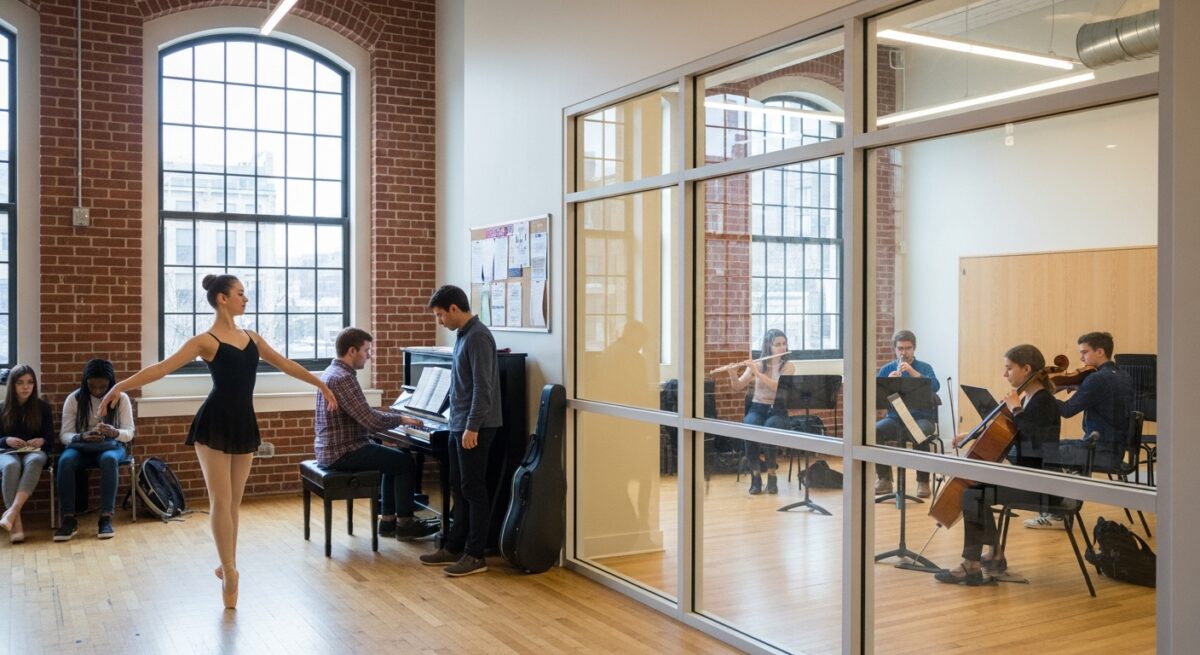
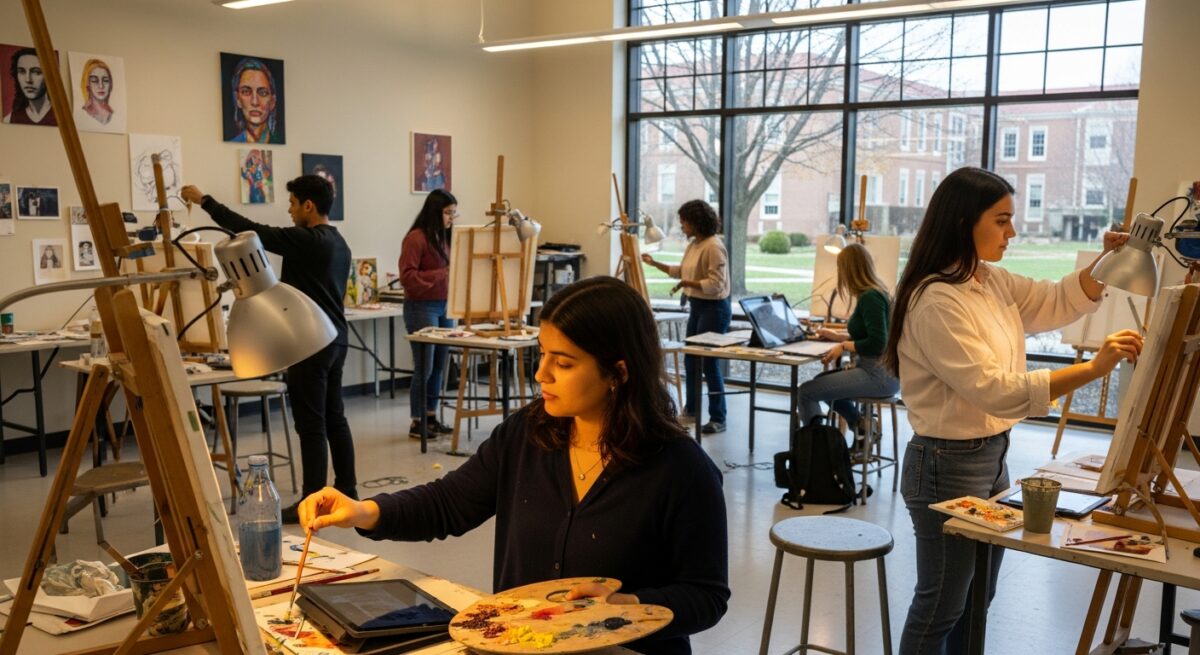
Not all art programs are created equal. When evaluating colleges with good art programs, you need to look beyond the glossy brochures. A truly excellent program provides a combination of skilled faculty, modern facilities, and strong career support. Faculty members should be practicing artists or designers who bring real-world experience into the classroom. They should challenge you to grow while respecting your individual style. Facilities matter too. Check if the school has well-equipped studios, computer labs with the latest creative software, and exhibition spaces where you can display your work.
Another critical factor is the curriculum. The best programs offer a solid foundation in traditional techniques like drawing, painting, and sculpture, while also embracing new media such as digital art, animation, and interactive design. Look for a curriculum that allows for experimentation and cross-disciplinary work. For example, a program that lets you combine graphic design with marketing or art history with digital media can give you a broader skill set. Additionally, consider the school’s location. An art school in a major city like New York, Los Angeles, or Chicago often provides more internship opportunities, gallery visits, and exposure to the commercial art world. However, a program in a quieter setting can offer fewer distractions and a tighter-knit community. The key is to find a program that aligns with your personal goals and learning style.
Types of Institutions for Creative Studies
When exploring colleges with good art programs and creative studies, you will encounter several distinct types of institutions. Each offers unique advantages. Understanding these categories can help you narrow your search.
Dedicated Art and Design Schools. These are institutions like Rhode Island School of Design (RISD), School of the Art Institute of Chicago (SAIC), and Pratt Institute. Their entire focus is on the arts. This means every resource, from funding to faculty, is dedicated to creative fields. The atmosphere is intensely creative, and you will be surrounded by peers who are equally passionate. The downside is that these schools can be expensive and highly competitive. They also may not offer the same breadth of non-art academic courses that a larger university provides.
Liberal Arts Colleges with Strong Art Departments. Schools like Williams College, Bowdoin College, and Middlebury College are known for their rigorous academics, but they also have outstanding art departments. These programs often emphasize art history, theory, and studio practice within a broader liberal arts context. You will graduate with strong writing and critical thinking skills, which are valuable in the art world. The class sizes are small, and you get personalized attention from professors. However, the facilities and specialized resources might not be as extensive as those at a dedicated art school.
Large Research Universities with Art Programs. Major universities such as UCLA, University of Michigan, and New York University have large, comprehensive art departments. They offer a vast array of courses, state-of-the-art facilities, and the resources of a big university. You can take classes in film, theater, music, and digital media alongside your studio art major. These schools also have strong alumni networks and career services. The challenge is that classes can be large, and you may need to be proactive to get the attention and mentorship you need.
Community Colleges with Transfer Pathways. For many students, community college is an affordable and strategic starting point. Many community colleges have excellent art programs that allow you to build a portfolio and complete general education requirements at a lower cost. You can then transfer to a four-year college with good art programs to complete your bachelor’s degree. This path can save you tens of thousands of dollars while still giving you a high-quality education. It is a smart option for career changers and budget-conscious students.
Key Majors and Career Paths
Creative studies encompass a wide range of majors. Your choice of major will directly impact your career options. Here are some of the most popular and promising fields within colleges with good art programs and creative studies.
- Graphic Design: Focuses on visual communication for print and digital media. Careers include graphic designer, art director, user interface designer, and brand strategist. The demand for skilled designers remains high in advertising, tech, and publishing.
- Fine Arts (Painting, Sculpture, Printmaking): Emphasizes traditional studio practices. Careers can be more competitive and often require a master’s degree. Graduates become professional artists, gallery owners, or museum curators.
- Digital Arts and Animation: Covers 3D modeling, computer animation, game design, and visual effects. This is a growing field with opportunities in film, gaming, and virtual reality.
- Photography and Video: Encompasses both artistic and commercial photography, as well as filmmaking and video production. Graduates work as photographers, videographers, and content creators for media companies.
- Art History and Criticism: Prepares you for careers in academia, museums, galleries, and art journalism. You will develop research and writing skills that are valuable in many fields.
It is important to note that a degree in creative studies does not lock you into one path. Many employers value the skills you learn in an art program: creativity, problem-solving, visual literacy, and the ability to work on long-term projects. These skills are transferable to industries like marketing, education, and technology.

How to Evaluate and Choose the Right School
Once you have a list of potential colleges with good art programs, the next step is evaluation. Start by visiting the schools if possible. Walk through the art buildings, see the student work on the walls, and talk to current students. Ask about the faculty-to-student ratio, how often professors are available for critiques, and what kind of career support the department offers. Look at the online portfolios of recent graduates. This will give you a sense of the quality of work the program produces and where alumni end up after graduation.
Financial considerations are also crucial. Art programs can be expensive due to materials, studio fees, and specialized equipment. Research scholarships, grants, and work-study opportunities specifically for art students. Many schools offer portfolio-based scholarships that can significantly reduce tuition. Do not let sticker price scare you away. A school that seems expensive might offer generous financial aid. At the same time, be realistic about student loan debt. A degree from a prestigious art school is valuable, but it is not worth decades of financial hardship. For more guidance on navigating the financial side of higher education, you can explore resources like Degrees Online Education which offers insights into affordable degree options.
Finally, consider the culture of the department. Is it competitive or collaborative? Do students support each other, or is the environment cutthroat? Your artistic growth will flourish in a supportive environment where you feel safe to take risks and make mistakes. Talk to professors and ask about their teaching philosophy. The best programs challenge you but also provide the support you need to succeed.
Frequently Asked Questions
What is the difference between a BFA and a BA in Art?
A Bachelor of Fine Arts (BFA) is a professional degree that focuses heavily on studio practice. It requires more credit hours in art courses and is designed for students who want to become practicing artists or designers. A Bachelor of Arts (BA) in Art is a liberal arts degree that combines studio work with a broader academic curriculum. It allows you to double major or explore other subjects. The BA is a good choice if you want a more flexible education or plan to pursue a career that combines art with another field.
Do I need to attend a specialized art school to succeed?
No. Many successful artists and designers graduated from liberal arts colleges and large universities. What matters most is the quality of the program, the mentorship you receive, and your own dedication. Specialized art schools offer intense focus and networking, but they are not the only path to a successful career.
How important is the school’s location for an art student?
Location can be very important. Schools in cities with strong art scenes, like New York, Los Angeles, or Chicago, offer more internship opportunities, galleries, and professional connections. However, schools in smaller towns can offer a tight-knit community and lower cost of living. Consider what environment will help you focus and grow as an artist.
Can I get a job with a degree in art?
Yes. While the job market can be competitive, there are many career paths for art graduates. Fields like graphic design, user experience (UX) design, web development, and animation have strong demand. Your portfolio, internships, and networking will be just as important as your degree. Many colleges with good art programs and creative studies have dedicated career centers that help students find employment.
What should I include in my portfolio for college applications?
Your portfolio should showcase your best work and demonstrate your skills, creativity, and range. Include a mix of pieces that show technical ability and personal expression. Follow the specific requirements of each school. Most portfolios include 10-20 pieces, with a variety of media. It is better to show fewer, stronger pieces than many mediocre ones.
In our guide on best colleges for entrepreneurship and startup careers, we explain how creative skills drive innovation in business. Many art programs now offer courses in entrepreneurship, helping you learn to market your work and run a freelance business.
Finding the right college is a personal journey. The best school for one person may not be the best for another. Focus on the programs that align with your artistic vision, your career goals, and your financial reality. Trust your instincts, do your research, and do not be afraid to ask questions. The investment you make in your creative education can open doors to a lifetime of fulfilling work. Whether you choose a small liberal arts college or a large university, the most important factor is your own commitment to your craft. The colleges with good art programs and creative studies are out there. Your task is to find the one that feels like home.