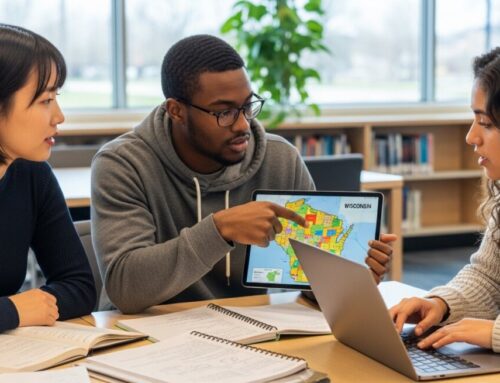
In a world increasingly shaped by automation and artificial intelligence, the uniquely human ability to connect, empathize, and collaborate has become a premium professional asset. For individuals who thrive on interaction, mentorship, and making a tangible difference in the lives of others, choosing a college degree that aligns with this innate strength is the cornerstone of a fulfilling and resilient career. The right educational path doesn’t just impart knowledge, it hones the interpersonal skills, emotional intelligence, and ethical frameworks necessary to excel in roles where people are the primary focus. This guide explores the most impactful college degrees for people focused careers, detailing how each program prepares graduates to lead, heal, teach, and inspire in a diverse and dynamic workforce.
Defining People Focused Careers and Their Core Skills
People focused careers are professions where success is intrinsically linked to the quality of human interaction. These roles are centered on understanding needs, building relationships, facilitating growth, and providing care or guidance. Unlike positions focused solely on data analysis or machinery, the “product” is often a positive outcome for an individual, group, or community, such as improved health, acquired knowledge, resolved conflict, or personal development. These careers are typically found in sectors like healthcare, education, social services, human resources, and management.
The essential skill set for these careers extends beyond technical know how. While a nurse must understand pharmacology, their effectiveness hinges on bedside manner and patient communication. A manager needs to grasp operations, but their success is measured by team cohesion and employee development. Core competencies include active listening, verbal and non verbal communication, conflict resolution, cultural competency, empathy, patience, and motivational leadership. A well chosen degree program intentionally cultivates these skills through coursework in psychology, ethics, communication theory, and, crucially, through practicums, internships, and clinical placements that provide real world experience. For a broader perspective on aligning education with enduring professional demand, consider reading our analysis on future proof careers and stable college degrees.
Leading College Degrees for High Impact People Professions
Selecting a degree is about matching your passion for people with a structured academic framework that leads to licensure, certification, or entry into a specific field. The following degrees represent some of the most direct and respected pathways into people centered work.
Nursing (BSN) and Healthcare Administration
A Bachelor of Science in Nursing (BSN) is the quintessential people focused degree, preparing graduates for a hands on career at the frontline of patient care. The curriculum blends rigorous science courses (anatomy, physiology, microbiology) with dedicated classes on patient communication, mental health, community health, and nursing ethics. Clinical rotations across hospital departments, clinics, and community settings provide immersive experience in building therapeutic relationships with patients and families under stress. For those interested in the organizational side of care, a degree in Healthcare Administration or Health Services Management offers a people focused path centered on leading teams, improving patient experiences, and managing community health resources. These programs often include coursework in human resources for healthcare, patient advocacy, and organizational leadership.
Psychology, Counseling, and Social Work
Degrees in Psychology, Counseling, and Social Work are dedicated to understanding and supporting human behavior and mental well being. A Bachelor’s in Psychology provides a foundational understanding of human development, cognition, and social interaction, serving as a springboard for graduate study in clinical psychology, counseling, or therapy. A Bachelor of Social Work (BSW) is a practice oriented degree that prepares graduates to be generalist social workers, connecting individuals and families with resources, providing case management, and advocating for vulnerable populations. Field education is a major component, placing students in social service agencies. These degrees are deeply people focused, requiring intense listening, non judgmental support, and crisis intervention skills. For students exploring these options, a scholarship information resource can be invaluable in managing the costs associated with these essential, often graduate level, professions.
Education and Teaching Degrees
From early childhood education to secondary school subject specialization, teaching degrees are designed for individuals focused on nurturing the next generation. These programs combine subject matter expertise with pedagogical training in instructional methods, classroom management, and differentiated instruction to meet diverse learning needs. A profound focus on developmental stages, learning theories, and family community engagement is central. Student teaching semesters offer a full immersion in the classroom, requiring the development of skills in motivation, discipline, inspiration, and individualized support. The entire career is a long term investment in the growth and potential of other people.
Human Resources Management and Organizational Leadership
A Bachelor’s in Human Resources Management or Organizational Leadership focuses on the people within a workplace. This degree path prepares graduates to recruit, train, develop, and retain talent. Coursework covers employment law, compensation and benefits, training and development, labor relations, and organizational behavior. The modern HR professional is a strategic partner in shaping company culture, resolving interpersonal conflicts, fostering diversity and inclusion, and ensuring employee well being and engagement. It’s a career that requires diplomacy, fairness, confidentiality, and a strong ability to listen to and advocate for employees at all levels of an organization.
Skills Development: The Heart of a People Focused Curriculum
While each degree has its technical core, the best programs for people focused careers share a common emphasis on skill development that cannot be automated. These are not soft skills, but rather critical professional competencies that are deliberately taught and assessed.
First is communication and active listening. Courses in interpersonal communication, public speaking, and professional writing are standard. More importantly, students learn to listen for meaning, emotion, and unspoken concerns, a skill practiced in counseling role plays, patient assessments, and teacher parent conferences. Second is ethical reasoning and cultural competency. Working with people demands navigating complex moral situations and diverse backgrounds. Degrees in social work, nursing, and counseling include deep dives into professional codes of ethics, equity, and strategies for serving multicultural populations with humility and respect.
Third is conflict resolution and negotiation. Whether mediating a workplace dispute, de escalating a classroom situation, or helping a family navigate a crisis, the ability to manage conflict constructively is vital. Many programs incorporate specific training in mediation techniques and collaborative problem solving. Finally, leadership and mentorship are woven throughout. People focused careers often evolve into roles where guiding and developing others is key. Coursework in leadership theory, coupled with opportunities to lead group projects or mentor peers, builds this capacity. For a strategic look at selecting an educational path that maximizes these durable skills, our resource on choosing degrees for long term career success offers valuable insights.
Choosing the Right Program and Delivery Format
Selecting the specific college degree for a people focused career requires careful consideration of your goals, learning style, and life circumstances. The first step is accreditation. Ensure the program is accredited by the relevant professional body (e.g., CCNE for nursing, CSWE for social work, CAEP for education). This is non negotiable for licensure and employment. Next, scrutinize the experiential learning components. Look for programs with robust, well supported internship, practicum, clinical, or student teaching requirements. The quality and diversity of these placements are often more important than textbook learning in a people focused field.
Increasingly, these degrees are available in flexible formats to accommodate different students. Many universities now offer accredited online college degree programs in fields like human resources, healthcare administration, and counseling (often at the master’s level). These can be ideal for career changers or working adults. However, for highly clinical or hands on degrees like nursing or teaching, hybrid models are common, combining online theory with in person lab and field requirements. The key is to match the format with the skill being learned, interpersonal skills must ultimately be practiced with people.
When evaluating programs, prioritize those that emphasize the following elements:
- Strong career services with connections to local employers and field placement offices.
- Faculty with current, real world experience in the profession.
- Small class sizes or seminar style courses that foster discussion and interaction.
- A curriculum that explicitly lists communication, ethics, and diversity training as core components.
The Enduring Value of People Centered Work
Pursuing college degrees for people focused careers is an investment in a future where human connection remains irreplaceable. While technology will continue to transform these fields, the core need for empathy, judgment, compassion, and personal interaction will only grow. Professionals in these roles report high levels of meaning and purpose derived from their work, as their success is directly tied to improving individual lives and community well being. The demand for skilled nurses, teachers, counselors, social workers, and HR professionals shows consistent strength, as these are services that cannot be outsourced or fully digitized.
As you embark on this path, remember that the degree is the launchpad, not the finish line. Lifelong learning, continuing education, and professional development are hallmarks of these careers, ensuring practitioners stay current on best practices for serving people effectively. By choosing an educational program that rigorously develops both your heart and your mind, you prepare yourself not just for a job, but for a vocation that leverages your greatest asset, your humanity, to make a lasting difference.