Choosing the right college for a biotechnology degree is a pivotal decision that shapes your entire career trajectory in one of the 21st century’s most dynamic fields. Biotechnology sits at the fascinating intersection of biology, technology, and innovation, driving breakthroughs in medicine, agriculture, environmental science, and industrial processes. The best colleges for biotechnology programs offer more than just a curriculum, they provide immersive research opportunities, cutting-edge facilities, and connections to thriving industry hubs. This guide will help you navigate the landscape of top-tier biotechnology universities, focusing on the critical factors that distinguish an exceptional program and prepare graduates to solve complex global challenges.
What Defines a Top-Tier Biotechnology Program?
Not all biotechnology degrees are created equal. The leading bio tech colleges share several distinguishing characteristics that prospective students should prioritize. First and foremost is research intensity. A program’s commitment to original research, often measured by faculty publications, grant funding, and undergraduate research participation rates, is a strong indicator of its academic vitality. Students at these institutions don’t just learn about discoveries, they contribute to them in campus laboratories and affiliated research institutes.
Another crucial element is curriculum design and specialization. The best biotechnology programs offer a robust core in molecular biology, biochemistry, genetics, and bioprocess engineering, while also providing avenues for specialization. These might include concentrations in biomedical engineering, agricultural biotech, pharmaceutical sciences, or computational biology. The curriculum should be inherently interdisciplinary, blending rigorous science with practical engineering and ethical considerations. Furthermore, strong programs maintain deep connections with the biotechnology industry. This translates to internship pipelines, co-op programs, advisory boards staffed by industry leaders, and high post-graduation employment rates in relevant sectors. For students considering diverse educational pathways, it’s worth exploring all options, including the growing landscape of Historically Black Colleges online degree programs, which can offer unique perspectives and community-focused biotech training.
Key Factors to Evaluate in Biotechnology Universities
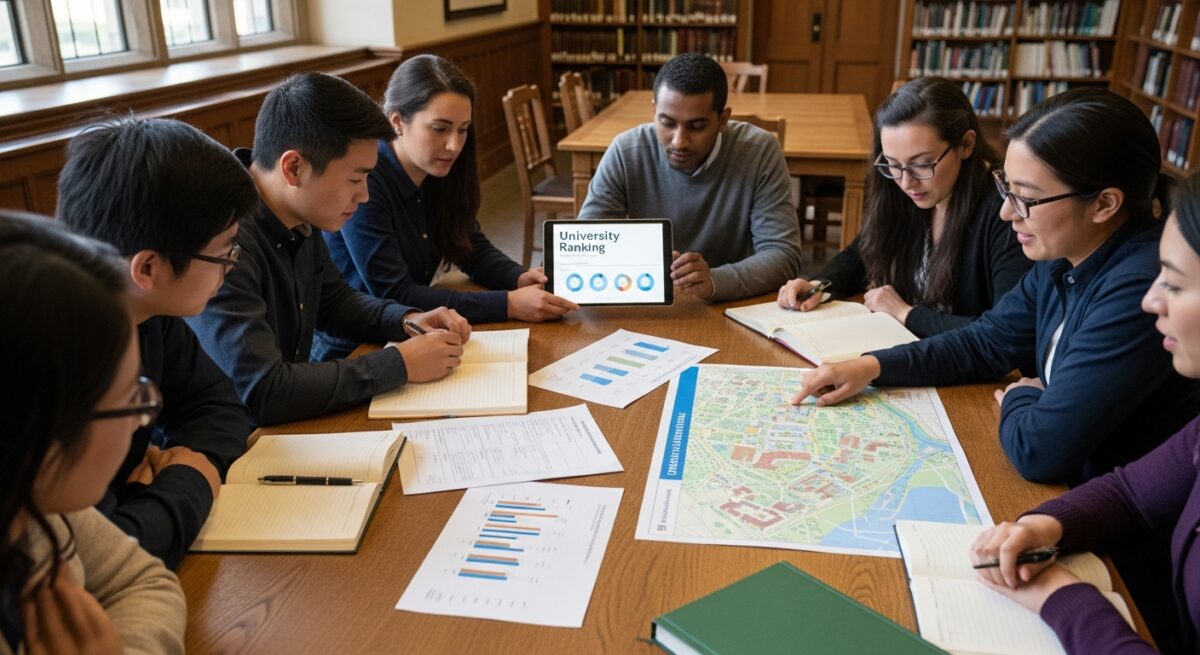
When creating your shortlist of potential schools, move beyond general rankings and dig into specific program attributes. A methodical evaluation will ensure you find a college that aligns with your academic goals and career aspirations. Start by examining faculty expertise. Look for professors who are active researchers in areas that interest you, whether that’s CRISPR gene editing, synthetic biology, biomanufacturing, or neurotechnology. The opportunity to work alongside a leading expert as an undergraduate can be transformative.
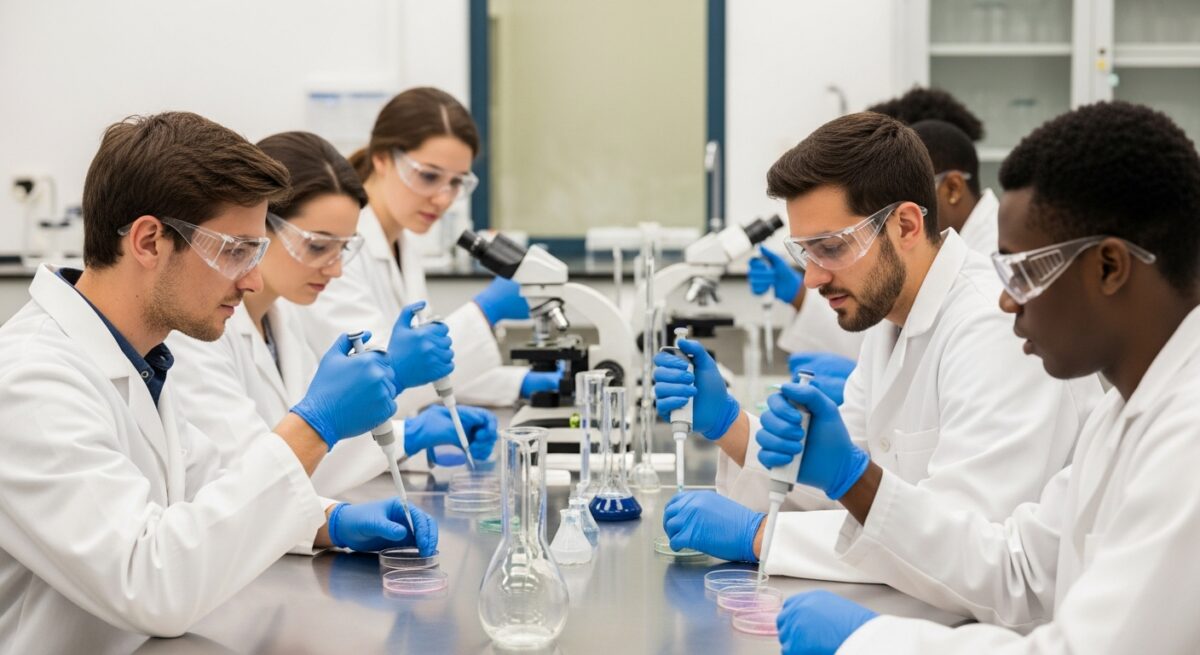
Facilities and infrastructure are equally important. Modern biotechnology relies on sophisticated equipment. Tour virtual labs or campus facilities to assess access to tools like next-generation sequencers, mass spectrometers, cell culture suites, and bioinformatics computing clusters. The presence of dedicated biotech incubators or innovation centers on campus is a significant plus, signaling an institutional commitment to translational science. Finally, consider outcomes and support. Investigate the career placement services specifically for biotechnology majors, the strength of the alumni network in the biotech and pharma industries, and the program’s track record for placing graduates into top PhD programs or medical schools. For comprehensive guidance on navigating these decisions and understanding the value of different academic credentials, seeking out clear college degree information is an essential step in the planning process.
To streamline your research, focus on these five core evaluation criteria:
- Research Output & Opportunities: Volume of undergraduate research, faculty grants, and publication records.
- Curriculum & Specializations: Breadth of course offerings, availability of focus areas, and capstone or thesis requirements.
- Industry Integration: Strength of internship/co-op programs, industry partnerships, and career placement rates.
- Faculty & Mentorship: Accessibility of professors, advisor-to-student ratio, and quality of academic advising.
- Resources & Investment: Age and quality of laboratory facilities, funding for student projects, and access to core research facilities.
Leading Institutions for Biotechnology Education
While many excellent programs exist nationwide, several institutions are consistently recognized for their preeminence in biotechnology education. These schools set the standard through a combination of pioneering research, innovative teaching, and strong industry ties. It is important to note that the “best” program is highly subjective and depends on a student’s specific interests, learning style, and career goals. The following overview highlights a range of exemplary models.
Massachusetts Institute of Technology (MIT) is often cited as a global leader. Its Department of Biological Engineering offers a premier program that rigorously integrates biological sciences with engineering principles. Students benefit from proximity to the Kendall Square biotech ecosystem, arguably the densest concentration of biotechnology companies in the world. The hands-on, project-based learning model ensures graduates are immediately effective in research and development roles. Similarly, Stanford University leverages its location in Silicon Valley to fuse biotechnology with entrepreneurship and venture capital. Its Bioengineering program encourages interdisciplinary collaboration across the Schools of Medicine, Engineering, and Humanities & Sciences, fostering innovators who can both develop technology and understand its societal impact.
On the East Coast, Johns Hopkins University stands out for its focus on biomedical applications. With unparalleled access to the Johns Hopkins Hospital and School of Medicine, students engage in translational research that moves discoveries from the lab bench to the patient bedside. The university’s emphasis on global health also provides a unique lens for biotechnology applications. The University of California, Berkeley, offers a different strength through its Chemical and Biomolecular Engineering program and the renowned QB3 Institute. Berkeley excels in areas like synthetic biology, biofuels, and biomaterials, emphasizing sustainable and large-scale biomanufacturing processes.
Beyond these well-known names, several public universities offer world-class biotechnology education at a different scale and often at a lower cost. The University of California, San Diego (UCSD), is embedded in the thriving La Jolla biotech cluster and is a powerhouse in molecular biology and bioinformatics. North Carolina State University is a cornerstone of the Research Triangle Park region, with a stellar program in bioprocessing and agricultural biotechnology. These programs demonstrate that access to a regional industry hub is a critical advantage for internships and employment.
Specialized Pathways and Emerging Trends
The field of biotechnology is not monolithic, and the best colleges for biotechnology programs often develop areas of distinctive excellence. Prospective students should align their school choice with these specialized strengths. For those drawn to medicine and therapeutics, programs with strong ties to medical schools and teaching hospitals are ideal. These programs typically emphasize molecular medicine, drug discovery, and diagnostic tools. Look for courses in pharmacogenomics, immunology, and regulatory affairs.
If environmental sustainability and agriculture are your passions, seek out programs with strengths in agricultural and environmental biotechnology. These programs focus on genetic engineering of crops, development of biofuels, bioremediation techniques, and sustainable biomaterials. Land-grant universities often have particularly deep roots in this area through their agricultural experiment stations. Another rapidly growing pathway is computational biology and bioinformatics. This specialization requires a strong foundation in computer science, statistics, and data analysis alongside molecular biology. Programs that offer a dedicated bioinformatics major or a robust biotech track with heavy computational coursework are preparing students for the data-driven future of biology.
Emerging trends are also shaping curriculum development. The integration of artificial intelligence and machine learning for drug design and protein modeling is becoming standard. Ethical, legal, and social implications (ELSI) of biotech innovations, such as gene editing and personal genomics, are receiving increased curricular attention. Furthermore, the decentralization of biotech through cloud labs and remote instrumentation is beginning to influence how students learn technical skills. Forward-looking programs are adapting to these shifts, ensuring their graduates are not just ready for today’s job market, but are equipped to lead tomorrow’s innovations.
Frequently Asked Questions
What is the difference between a Biotechnology major and a Biology or Bioengineering major?
Biology is a broad science focused on understanding living organisms. Bioengineering applies engineering principles specifically to medical and health-related problems (like designing prosthetics or medical devices). Biotechnology is an applied, interdisciplinary field that uses biological systems and organisms to develop or make products. It sits between the two, often focusing on molecular and cellular processes for applications in medicine, agriculture, and industry. A biotechnology curriculum typically includes more chemistry, engineering, and business elements than a pure biology degree.
How important is the PhD for a career in biotechnology?
A PhD is essential for leading independent research projects in academia or industry R&D labs, such as being a principal investigator. However, a Bachelor’s or Master’s degree in biotechnology opens doors to a vast array of careers in research support, biomanufacturing, quality control, regulatory affairs, clinical research coordination, sales, and marketing. Many professionals with a BS or MS have highly successful and well-compensated careers without pursuing a doctorate.
Should I prioritize a school’s overall ranking or the strength of its specific biotechnology program?
For a specialized field like biotechnology, the strength and resources of the specific department or program are often more important than the university’s overall undergraduate ranking. A slightly less prestigious school with a top-tier, well-connected biotech program, modern labs, and strong industry ties will likely offer better preparation and job prospects than a highly prestigious university with a smaller, less developed program in this specific area.
What are the key questions to ask on a campus tour or to an admissions counselor?
Ask about: 1) The percentage of biotechnology undergraduates who participate in faculty research. 2) Examples of recent companies where students have interned or been hired. 3) Access to key equipment (like PCR machines, sequencers) for undergraduate lab courses and projects. 4) The availability of dedicated academic advisors for biotechnology majors. 5) Capstone project or thesis requirements and examples of past projects.
Selecting the right biotechnology program is an investment in your future as a scientist, innovator, and problem-solver. By focusing on the alignment between a program’s distinctive strengths and your personal interests, the quality of hands-on learning opportunities, and the tangible pathways to careers or advanced study, you can make a confident choice. The journey through a top biotechnology program is challenging but immensely rewarding, equipping you with the knowledge and skills to contribute to a field that is fundamentally improving human health, food security, and environmental sustainability.