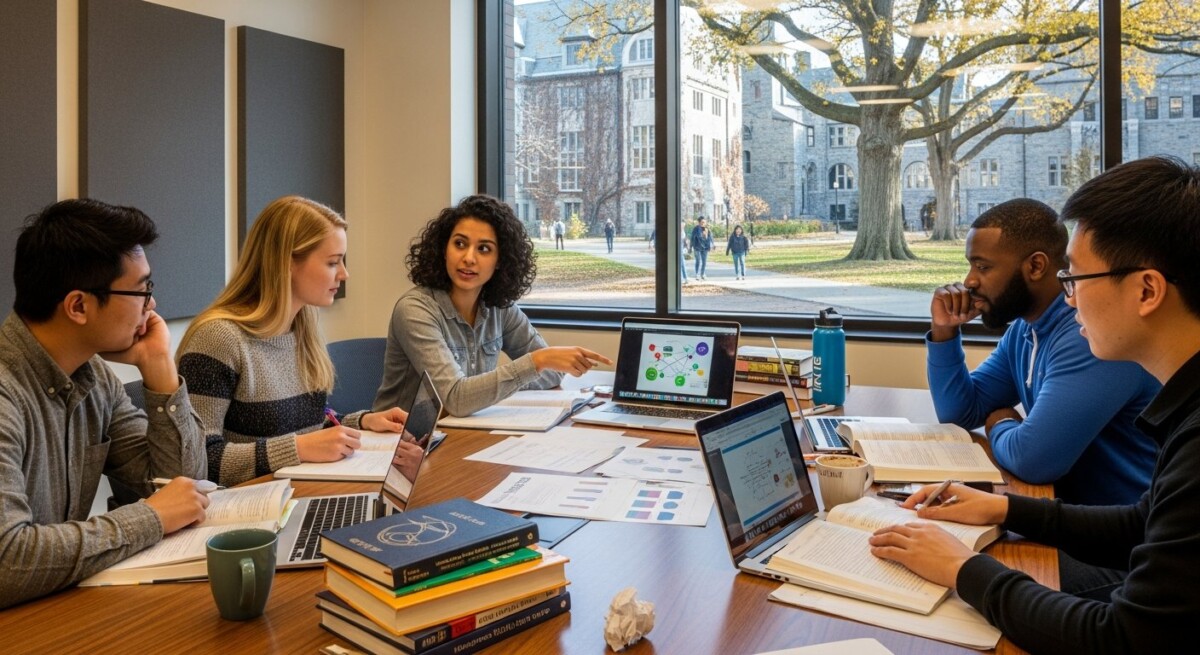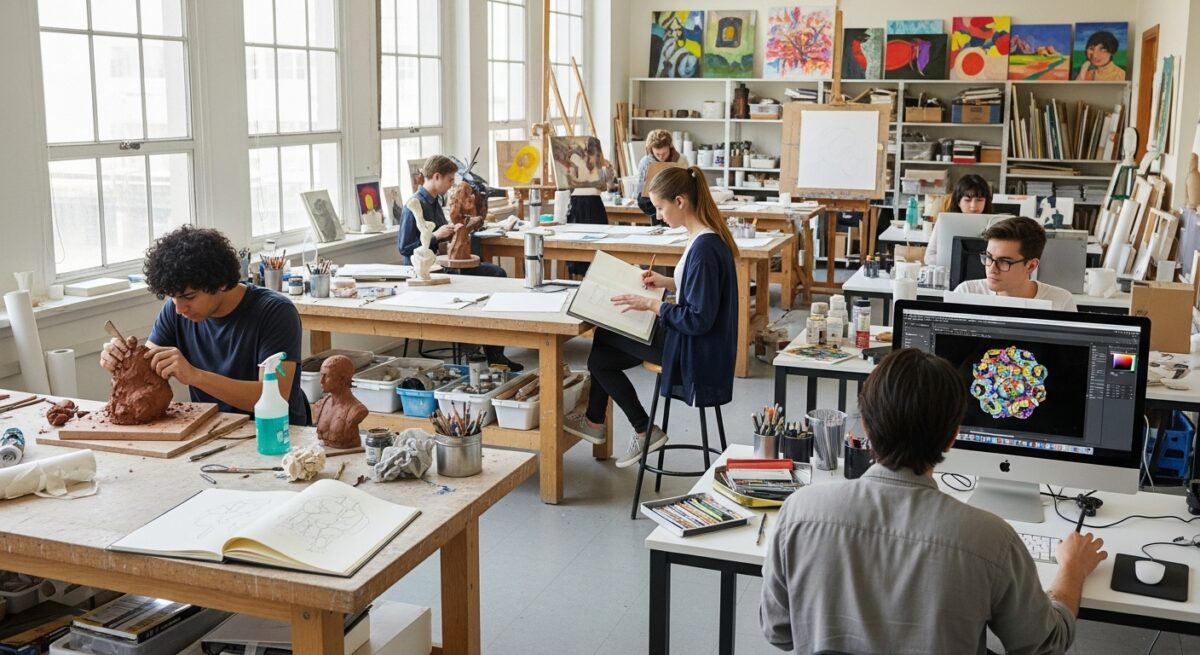
Choosing the right art university is a pivotal decision that can shape your creative identity, technical skills, and professional network for decades to come. For aspiring artists, designers, and creative thinkers, the ideal institution offers more than just a degree, it provides an immersive ecosystem that challenges conventions, fosters innovation, and connects talent with opportunity. The search for the best art universities requires looking beyond generic rankings to understand the unique culture, faculty, facilities, and post-graduate pathways each school offers. This guide delves into the defining characteristics of top-tier art colleges globally, helping you identify the environment where your creative vision will not only be nurtured but will also thrive and evolve into a sustainable career.
Defining Excellence in Art Education
What truly separates a good art school from a great one? The answer lies in a combination of tangible resources and intangible culture. Leading art universities provide state-of-the-art facilities, from traditional printmaking studios and bronze foundries to cutting-edge digital labs for VR, 3D modeling, and interactive media. However, the physical tools are just the beginning. The most significant factor is often the faculty, comprised of practicing artists, critics, and scholars who are actively shaping the contemporary art world. Their mentorship provides not only technical instruction but also critical insight into the conceptual frameworks that define modern and postmodern art practices.
Furthermore, the best art colleges cultivate a culture of rigorous critique and peer dialogue. The studio model, where students work alongside each other and regularly present their work for group criticism, is a cornerstone of this education. This environment teaches resilience and the ability to articulate artistic intent, skills as crucial as any technical ability. Another critical component is the network and career support. Top schools have deep connections with galleries, museums, design firms, and studios, facilitating internships, portfolio reviews, and graduate placements that are essential for launching a professional career. For a broader look at how creative degrees translate into careers, explore our resource on the best college degrees for creative students and careers.
Leading Global Art Universities and Their Specialties
The global landscape of art education is rich and varied, with institutions often developing renowned strengths in specific disciplines. When evaluating the top art colleges, it’s essential to match their legendary programs with your personal artistic goals. A school celebrated for its fine arts painting may not be the strongest choice for an aspiring industrial designer, and vice versa.
In the United States, a cluster of schools consistently tops the art schools ranking for their comprehensive programs and influential alumni networks. The Rhode Island School of Design (RISD) is famed for its intense, foundation-first approach and excellence across disciplines from illustration to architecture. The School of the Art Institute of Chicago (SAIC) offers an unparalleled interdisciplinary environment, encouraging students to blend media and theory in a museum-school setting. On the West Coast, the California Institute of the Arts (CalArts) is synonymous with experimental animation and avant-garde performance, championed by its founder, Walt Disney. For students seeking a more integrated liberal arts experience, universities like Yale and Carnegie Mellon offer world-class art schools within larger research universities, providing unique opportunities for cross-disciplinary study.
In Europe, the legacy and approach differ. The Royal College of Art in London, a postgraduate-only institution, is often cited as the world’s leading university for art and design, with particular dominance in fashion, design, and fine art. Germany’s Staatliche Akademie der Bildenden Künste Stuttgart and the Berlin University of the Arts offer rigorous, conceptually driven programs with strong ties to the European gallery scene. Meanwhile, institutions in Asia, such as Tokyo University of the Arts or China’s Central Academy of Fine Arts, provide perspectives deeply rooted in distinct artistic traditions while engaging forcefully with global contemporary practice.
Key Factors in Your Decision Process
Selecting from among the best art universities requires a personalized assessment. Your choice should be a strategic alignment of your artistic ambitions with a school’s proven strengths. Consider the following critical factors as you research and visit potential programs.
First, scrutinize the curriculum and pedagogical philosophy. Some programs are highly structured with a mandatory foundational year, while others offer almost complete student-directed freedom from the start. Which environment will help you grow? Second, evaluate the portfolio of recent student and alumni work. This is the most honest indicator of a program’s output. Does the work excite you? Do you see a diversity of style and thought, or a homogenized “house style”? Third, consider location as an active component of your education. Being in a cultural hub like New York, London, or Los Angeles provides constant access to museums, galleries, studios, and networking events that are integral to an art education.
To help organize your research, focus on these five core decision pillars:
- Program Specialization: Does the school have a historic strength in your specific field of interest (e.g., sculpture, graphic design, photography)?
- Faculty Engagement: Are the professors accessible, active in their field, and do their practices inspire you?
- Facility Access: Are the studios, labs, and workshops available to undergraduates, and is the technology current?
- Career Trajectory: What are the tangible outcomes? Look at alumni career paths, internship partnerships, and career service support.
- Financial Reality: Understand the total cost, availability of merit-based scholarships, work-study opportunities, and the average debt load of graduates.
Remember, the prestige of a name is less important than the fit of the program. A smaller, specialized school where you will receive intense mentorship may serve you better than a large, famous institution where you could feel lost. For students considering flexible or remote learning options, seeking online degree guidance can clarify which programs offer reputable digital pathways in creative fields.
Beyond the BFA: MFA Programs and Continuing Education
For many artists, the Bachelor of Fine Arts (BFA) is the first step, but the Master of Fine Arts (MFA) is often considered the terminal degree for studio practice and a prerequisite for teaching at the university level. The selection process for MFA programs is even more specialized and competitive. These programs are typically smaller, more focused, and centered on the development of a cohesive body of work and a mature artistic thesis.
Top MFA programs, such as those at Yale, Columbia, and the University of California, Los Angeles, are known for their ability to catapult artists into the professional spotlight. The choice of an MFA program often hinges on a specific mentor, the reputation of the program within a niche (e.g., social practice, digital arts), and the funding package offered, as many provide teaching assistantships that cover tuition and provide a stipend. Continuing education also plays a vital role for working artists seeking skill-specific workshops, certificate programs, or non-degree studio access to expand their practice without committing to a full degree program.
Frequently Asked Questions
What is the difference between an art school and a university art program?
Art schools are usually independent institutions solely focused on art and design (e.g., RISD, SAIC). University art programs are departments within larger universities (e.g., Yale School of Art, UCLA Department of Art). Art schools often offer a more immersive, studio-intensive environment, while university programs may provide easier access to broader academic courses.
How important is accreditation for art universities?
Extremely important. Regional accreditation ensures the institution meets general educational standards. For art and design, look for programmatic accreditation from the National Association of Schools of Art and Design (NASAD) in the U.S., which validates the quality of the curriculum, faculty, and facilities.
Can I get a good art education online?
Yes, especially for theory-based, design, and digital media fields. Several accredited institutions now offer robust online BFAs and MFAs. The key is to ensure the program includes meaningful critique, access to software/technical support, and opportunities for virtual networking. It is less ideal for disciplines requiring extensive hands-on studio work with physical materials.
What should my application portfolio contain?
A strong portfolio demonstrates technical skill, conceptual thinking, and personal voice. It should include 15-20 pieces of your best work, often including process sketches or documentation. It should show a range of abilities but also a clear area of interest or focus. Follow each school’s specific guidelines meticulously.
Are the most expensive art schools always the best?
Not necessarily. While many top art colleges have high tuition, they also often have the most substantial financial aid and scholarship endowments. Always calculate the net cost after aid. A lower-cost public university with an excellent program and less debt burden can be a wiser long-term choice than a prestigious private school with crippling loans.
The journey to finding the right art university is deeply personal and requires introspection as much as research. The best art universities for creative students are those that will challenge your assumptions, provide the tools to realize your ideas, and connect you to a community that will support your growth long after graduation. By carefully weighing factors like specialization, faculty, location, and cost, you can move beyond chasing a name and instead select an institution that will authentically serve as the foundation for your lifelong creative practice. Start your process early, build your portfolio with intention, and choose the school that sees the potential in your unique artistic voice.