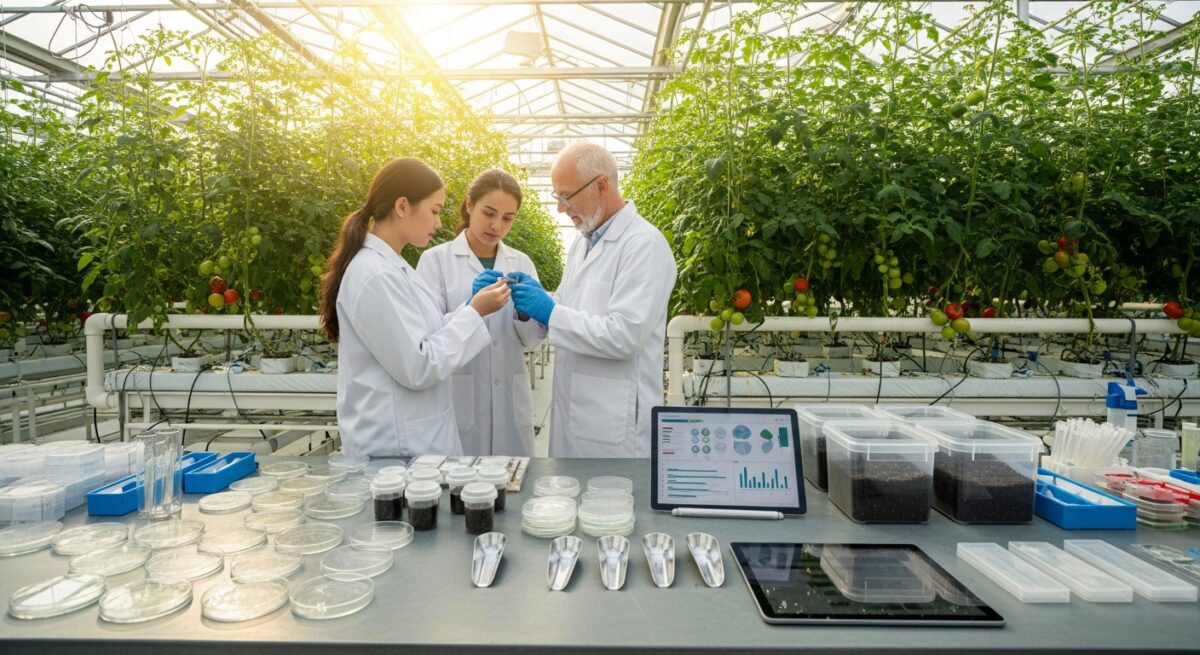
Choosing the right institution for an agricultural education is a pivotal decision that shapes careers, influences global food systems, and drives innovation in sustainability. The best agriculture colleges for agricultural studies offer more than just a degree, they provide a comprehensive ecosystem of research, hands-on experience, and industry connections that prepare graduates to tackle the world’s most pressing challenges, from food security to climate-resilient farming. This guide explores the leading programs, their unique strengths, and the critical factors to consider when selecting a school that aligns with your academic and professional aspirations in this vital field.
Defining Excellence in Agricultural Education
What separates a good agriculture program from a truly exceptional one? The best agriculture colleges for agricultural studies are characterized by a blend of foundational strength and forward-thinking specialization. These institutions typically boast robust research funding, often from sources like the USDA National Institute of Food and Agriculture, which directly translates into cutting-edge facilities and opportunities for undergraduate and graduate student involvement. They maintain extensive networks of experimental farms, research stations, and industry partnerships, ensuring that classroom theory is constantly tested and applied in real-world settings.
Furthermore, top-tier agriculture universities cultivate a curriculum that balances core scientific principles with emerging disciplines. While soil science, animal husbandry, plant pathology, and agricultural economics form the bedrock, leading programs are increasingly integrating data science, precision agriculture technology, biotechnology, and sustainable resource management. This interdisciplinary approach is crucial for preparing graduates to operate in a complex global agri-food sector. The faculty at these colleges are not only educators but also active researchers and extension specialists who bring the latest discoveries directly into the lecture hall and the field.
Leading Institutions for Agricultural Studies
The landscape of premier agricultural education is diverse, encompassing large public land-grant universities with deep historical roots and specialized private institutions with focused research agendas. When evaluating the best agriculture colleges, it is essential to look beyond general rankings and examine the specific departments and specializations that match your interests, whether in agribusiness management, sustainable crop production, animal sciences, or agricultural engineering.
Public Land-Grant Universities: A Legacy of Impact
Land-grant universities, established under the Morrill Acts, are cornerstones of American agricultural advancement. These institutions have a tripartite mission of teaching, research, and extension (sharing knowledge with the public). This model creates an unparalleled educational environment where students can engage in research that immediately benefits local and global communities. Schools like Cornell University’s College of Agriculture and Life Sciences (though private, it fulfills New York’s land-grant mission), the University of California, Davis, and Purdue University are perennial leaders. They offer vast arrays of majors, from traditional to niche, and operate networks of research farms that serve as living laboratories.
Another standout is Michigan State University, whose College of Agriculture and Natural Resources is renowned for its work in plant breeding, food safety, and packaging. Similarly, Texas A&M University’s College of Agriculture and Life Sciences leverages its size and location to lead in areas like livestock management, agricultural economics, and renewable natural resources. The strength of these programs lies in their scale, depth, and direct connection to the agricultural industry through powerful extension services that facilitate internships and job placements.
Specialized and Private Institutions
While land-grants dominate in scope, several other institutions offer exceptionally focused and rigorous agricultural studies. The University of Florida’s Institute of Food and Agricultural Sciences (UF/IFAS) is a powerhouse in tropical and subtropical agriculture, aquaculture, and environmental horticulture. For students interested in the business and technology side, schools with strong agricultural engineering and technology management programs, such as the University of Illinois Urbana-Champaign, are critical to consider. These programs are essential for those aiming to work in agri-tech, farm machinery innovation, or supply chain logistics.
Prospective students should also explore the growing number of high-quality online and hybrid programs that offer flexibility, especially for adult learners or those managing other commitments. For comprehensive comparisons of traditional and digital pathways, including accredited online options, prospective students can consult trusted academic degree resources to evaluate curriculum, delivery methods, and support services.
Key Factors in Choosing Your Program
Selecting among the best agriculture colleges requires a personalized assessment. Your choice should align with your specific career goals, learning style, and financial considerations. A program perfect for someone aiming for a PhD and a research career in plant genomics may be less ideal for a student wanting to immediately start a sustainable farm or work in agricultural policy.
First, investigate the specializations and department strengths. A college might be highly ranked overall, but its animal science department could be its true crown jewel. Look for programs with active faculty in your area of interest and read about their current research projects. Second, evaluate hands-on opportunities. Does the college have its own farms, greenhouses, meat labs, or vineyards? What is the student-to-faculty ratio in labs and field sessions? Third, consider location and its implications. A school in the Midwest provides direct exposure to grain and row-crop systems, while one in California offers proximity to diverse specialty crops and large-scale produce operations.
To aid in this evaluation, here are five critical criteria to compare when researching agriculture universities:
- Research Expenditure and Facilities: High levels of funded research indicate active programs and opportunities for student involvement in groundbreaking projects.
- Extension and Industry Network: A strong extension service connects the university to farmers, businesses, and policymakers, creating a pipeline for internships and employment.
- Hands-On Learning Infrastructure: Access to teaching farms, labs, technology centers, and study-abroad programs focused on global agriculture.
- Career Placement and Alumni Success: Data on graduate employment rates, typical employers, and the strength of the career services office dedicated to ag-related fields.
- Financial Support: Availability of scholarships, assistantships, and work-study programs specific to agricultural majors.
Finally, do not underestimate the importance of campus culture and community. Visit if possible, or connect with current students and professors. The best fit is where you will thrive academically, professionally, and personally.
Beyond the Bachelor’s: Graduate Studies and Career Pathways
A degree from one of the best agriculture colleges opens doors to a remarkably diverse set of careers. The foundational knowledge gained is applicable in countless sectors. Graduates are not limited to traditional farming, though many successfully pursue careers in production agriculture, farm management, or agricultural consulting. The modern agri-food sector needs scientists, engineers, data analysts, marketers, financiers, policy advisors, and educators.
For those pursuing advanced studies, a master’s or doctoral degree from a top agriculture university can lead to leadership roles in research and development, whether in corporate settings like seed and chemical companies, government agencies like the USDA or EPA, or academic institutions. Specialized fields such as agricultural law, international development, and environmental sustainability also highly value advanced agricultural training. The research skills and technical expertise developed in graduate programs at these leading colleges are directly transferable to high-impact roles focused on solving problems of scale, efficiency, and ecological balance.
The evolving challenges of climate change, population growth, and resource conservation ensure that expertise in agriculture will remain in high demand. Professionals who understand the science, economics, and social dimensions of food systems are critical to building a resilient future. An education from a premier institution provides the toolkit, network, and credibility to lead in this essential field.
Frequently Asked Questions
What is the difference between a “College of Agriculture” and a “College of Life Sciences” at some universities?
The distinction often relates to historical structure and academic focus. A dedicated College of Agriculture typically houses traditional production-oriented departments (animal science, crop science, soil science, agricultural economics). A College of Life Sciences may include these departments alongside more fundamental biological sciences (biology, biochemistry, microbiology), emphasizing the science behind agriculture. Both can offer excellent programs, but the culture and course requirements may differ.
Are there strong agriculture programs at smaller liberal arts colleges?
Yes. Several smaller liberal arts colleges offer exceptional, focused programs in agriculture, often with an emphasis on sustainable or organic farming, environmental studies, and food systems. These programs may not have the vast research infrastructure of a large land-grant university but often provide more intimate learning environments, close faculty mentorship, and a strong interdisciplinary liberal arts foundation.
How important is accreditation for agriculture colleges?
Regional accreditation of the overall university is essential. For specific disciplines within agriculture, such as agricultural engineering, look for programmatic accreditation from bodies like ABET. For other majors, the reputation of the department, its faculty, and its industry connections often carries more weight than a specialized programmatic accreditation.
What are the prospects for internships during undergraduate studies?
Top agriculture colleges for agricultural studies typically have robust career services and industry ties that facilitate a wide range of internships. These can include positions on research farms, with agricultural cooperatives, food processing companies, government agencies, and agri-tech startups. Hands-on internship experience is highly valued by employers and is a key advantage of attending a well-connected program.
Can I pursue an agriculture degree online effectively?
Many reputable universities now offer online bachelor’s completion and master’s degrees in agricultural fields like agribusiness, food safety, and sustainable management. The key is to ensure the program is from an accredited institution and offers opportunities for practical application, even if remotely. These programs are ideal for working professionals or career-changers seeking flexibility.
Investing in an agricultural education at a leading institution is an investment in a career with profound purpose and impact. By carefully researching the best agriculture colleges for agricultural studies, considering your personal goals against each program’s strengths, and engaging fully with the opportunities presented, you can build a foundation for a rewarding life’s work at the intersection of science, nature, and human necessity. The future of food and fiber depends on the next generation of skilled, passionate professionals educated at these vital centers of learning and innovation.