Choosing the right college for aeronautical engineering is a critical first step toward a career shaping the future of flight, space exploration, and advanced aviation systems. This field, often intertwined with aerospace engineering, demands a rigorous education from institutions with strong foundational curricula, cutting-edge research facilities, and deep industry connections. The best colleges for aeronautical engineering provide more than just a degree, they offer a gateway to solving the complex challenges of aerodynamics, propulsion, materials science, and aircraft systems design. For students passionate about turning aerodynamic principles into tangible aircraft and spacecraft, selecting a top-tier program is an investment in a career at the forefront of technological innovation.
Defining Excellence in Aeronautical Engineering Education
What separates the top aeronautical universities from the rest? Excellence is multi-faceted, encompassing academic rigor, research output, faculty expertise, and post-graduate success. A premier program is typically housed within a dedicated aerospace or mechanical engineering department and is accredited by ABET (Accreditation Board for Engineering and Technology). This accreditation ensures the curriculum meets high standards essential for professional licensure and is recognized by employers globally. Beyond accreditation, the hallmark of a leading program is its integration of theoretical knowledge with hands-on, practical application.
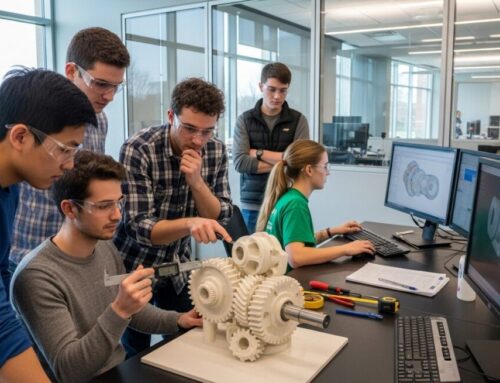
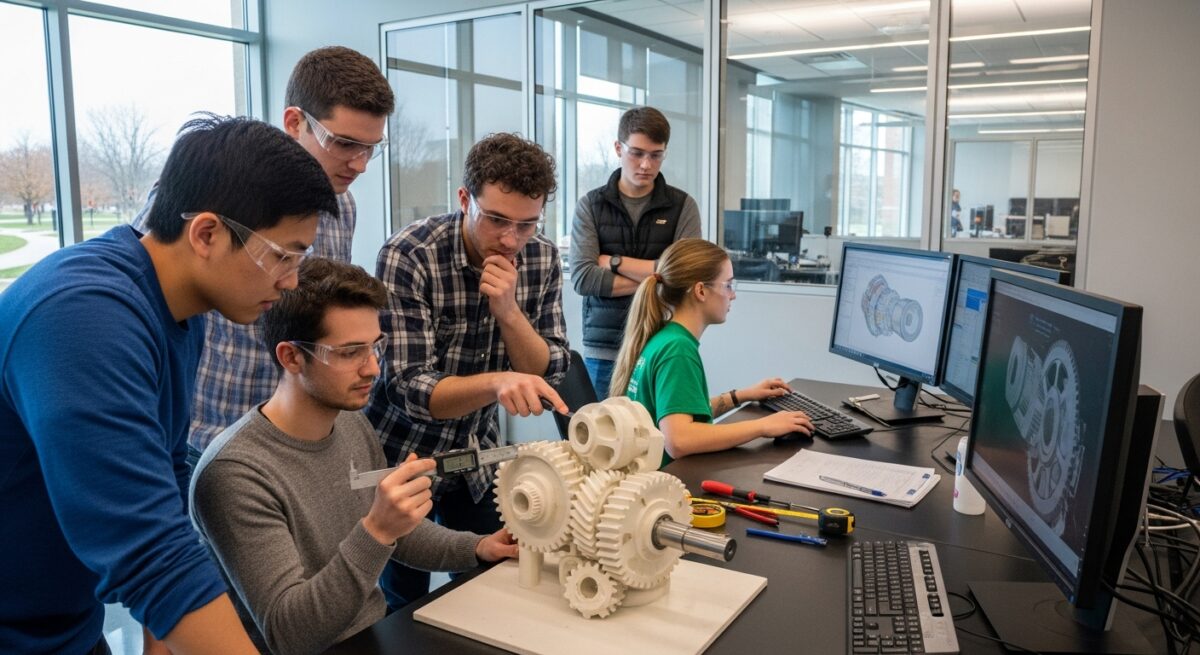
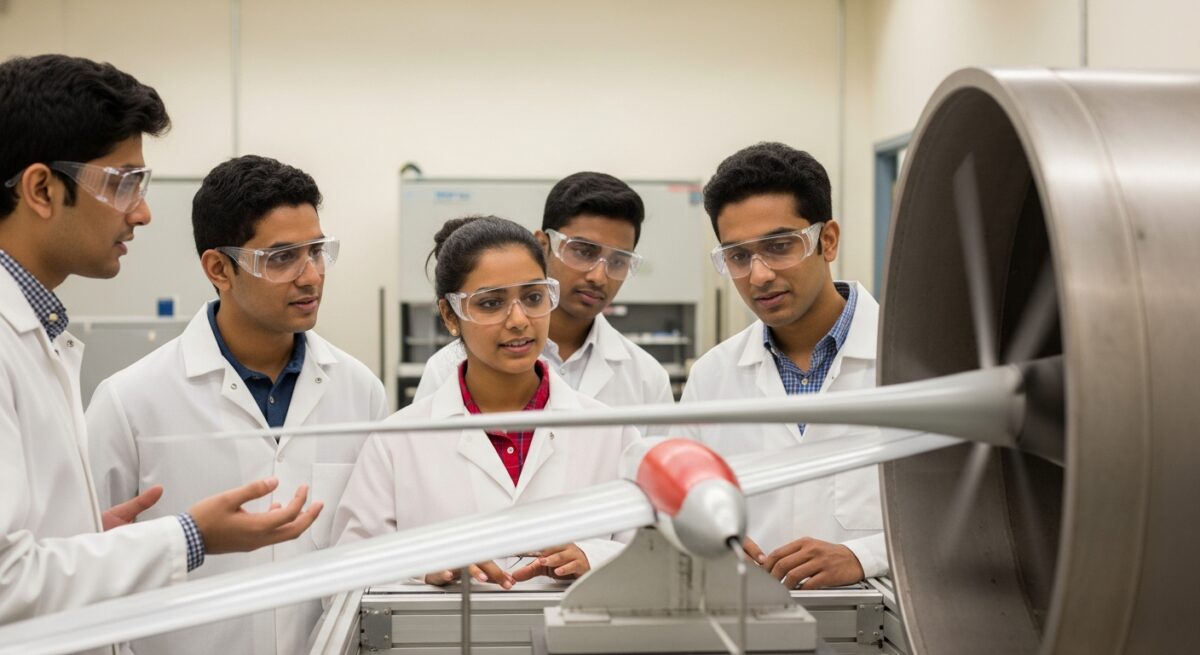
This practical focus is often realized through state-of-the-art laboratories for wind tunnel testing, propulsion, flight simulation, and structures. Furthermore, strong ties to major aerospace corporations and government agencies like NASA, the FAA, and the Department of Defense provide unparalleled opportunities for internships, cooperative education (co-op) programs, and funded research projects. These relationships not only enhance learning but also create a direct pipeline for employment upon graduation. The faculty at these institutions are frequently leaders in their sub-fields, contributing to advancements in supersonic flight, sustainable aviation, unmanned aerial systems, and space vehicle design. Their involvement in pioneering research gives students the chance to contribute to real-world projects from their undergraduate years.
Key Factors for Evaluating Aeronautical Engineering Programs
Prospective students must look beyond general rankings and consider several specific factors that will directly impact their educational experience and career trajectory. A holistic evaluation is necessary to find the best fit for individual goals, whether they lie in commercial aircraft design, defense, space systems, or research.
First, examine the curriculum’s specialization tracks. While all programs cover core principles, top aerospace colleges often offer concentrations in areas like aerodynamics, propulsion, structures and materials, flight dynamics and control, or astronautical engineering. The availability of such tracks allows for deeper study in a chosen niche. Second, investigate the scale and accessibility of design-build-fly projects. Competitions like the AIAA Design/Build/Fly, NASA’s University Student Challenges, or the SAE Aero Design series are integral to applying classroom theory. Programs that actively support and fund student teams for these competitions provide invaluable experiential learning.
Third, consider the program’s emphasis on graduate outcomes. Look for statistics on job placement rates, average starting salaries, and the roster of companies that actively recruit on campus. A strong career services office with specialized support for engineers is a significant asset. Finally, the overall learning environment matters. This includes student-to-faculty ratios in upper-division courses, the culture of collaboration versus competition, and the availability of undergraduate research opportunities. For students exploring diverse educational pathways, understanding how different institutions structure their support systems is key. Our guide on Historically Black Colleges online degree programs highlights how mission-driven institutions create powerful, supportive learning environments that can be a critical factor in student success.
Leading Institutions for Aeronautical Engineering Studies
The United States is home to many of the world’s preeminent programs in this field. These institutions consistently rank at the top due to their comprehensive resources, historical contributions to aerospace, and continuous innovation. It is important to note that many top programs are titled “Aerospace Engineering,” which encompasses both aeronautical (aircraft within atmosphere) and astronautical (spacecraft) engineering, with options to specialize.
Massachusetts Institute of Technology (MIT) is routinely at the pinnacle, with its Department of Aeronautics and Astronautics leading research in autonomous systems, space exploration, and sustainable aviation. Its hands-on approach, through labs like the Wright Brothers Wind Tunnel and the Space Propulsion Lab, is legendary. Stanford University’s Department of Aeronautics and Astronautics excels in fundamental aerospace sciences with strong ties to Silicon Valley, fostering innovation in computational methods, nano-satellites, and green aviation technologies.
Georgia Institute of Technology’s Daniel Guggenheim School of Aerospace Engineering is one of the largest and most comprehensive, offering immense depth in specialties from rotorcraft to space systems. Its co-op program with nearby aerospace hubs is a major draw. The University of Michigan, Ann Arbor, boasts a rich heritage in aerospace and offers students access to extensive testing facilities, including a major subsonic wind tunnel and a low-turbulence pressure tunnel. Purdue University’s School of Aeronautics and Astronautics is another historic powerhouse, known for its rigorous curriculum and producing a vast number of astronauts and industry leaders. Its focus on propulsion and composite materials is particularly notable.
When researching these and other best colleges for aeronautical engineering, prospective students should utilize trusted academic degree resources to compare detailed program data, admission requirements, and financial aid options.
Curriculum and Specialization Pathways
The core curriculum across top programs is demanding and mathematically intensive, designed to build a robust engineering foundation. The journey typically begins with fundamental courses in calculus, physics, chemistry, and introductory computer programming. As students progress, the coursework becomes highly specialized.
The essential aeronautical engineering curriculum includes:
- Aerodynamics: The study of forces and motion of air around bodies, covering incompressible and compressible flow, wing theory, and computational fluid dynamics (CFD).
- Propulsion: Principles of jet and rocket engines, including thermodynamics, combustion, inlet design, and nozzle theory.
- Structures and Materials: Analysis of aircraft structural components under load, focusing on stress, strain, fatigue, and the use of advanced materials like composites and alloys.
- Flight Dynamics and Control: The stability, control, and performance of aircraft and spacecraft, involving simulation and autopilot design.
- Orbital Mechanics: Often required, this covers the motion of satellites and spacecraft under gravitational forces.
Beyond these cores, the best aeronautical engineering colleges offer a wealth of technical electives that allow for specialization. A student interested in designing next-generation commercial airliners might take courses in aeroacoustics (noise reduction), sustainable aviation fuels, and advanced composite structures. Someone aiming for a career in space systems might focus on spacecraft design, orbital debris mitigation, and rocket propulsion. Many programs also integrate systems engineering principles, teaching students to manage the complex interplay between an aircraft’s various subsystems. This holistic view is critical in an industry where safety, reliability, and efficiency are paramount.
Career Trajectories and Industry Demand
Graduates from top aeronautical universities enter a dynamic and high-demand job market. The aerospace industry offers diverse roles across multiple sectors, including commercial aviation, defense and national security, space exploration, and emerging fields like urban air mobility. The foundational skills in problem-solving, systems thinking, and advanced mathematics also make these graduates attractive to adjacent industries such as automotive, renewable energy, and software simulation.
Common entry-level positions include Aerodynamics Engineer, Propulsion Engineer, Structural Design Engineer, Flight Test Engineer, and Systems Engineer. These roles are found at major aerospace primes like Boeing, Lockheed Martin, Northrop Grumman, and Airbus, as well as at NASA centers, the FAA, and numerous innovative subcontractors and startups. The rise of private space companies like SpaceX, Blue Origin, and Relativity Space has further expanded opportunities, particularly for those with skills in rocket propulsion and lightweight structures. Furthermore, the growing focus on sustainability is driving demand for engineers who can work on electric and hybrid propulsion systems, alternative fuels, and technologies to reduce the environmental impact of flight.
Long-term career growth can lead to advanced technical specialist roles, project management, or executive leadership. Many engineers also pursue graduate degrees (Master’s or Ph.D.) to deepen their expertise or move into research and development or academia. The median salary for aerospace engineers is significantly above the national average for all occupations, with premiums for those graduating from highly-ranked programs and those working in certain geographic hubs like California, Washington, Texas, and Florida.
Frequently Asked Questions
What is the difference between aeronautical and aerospace engineering?
Aeronautical engineering focuses specifically on vehicles operating within Earth’s atmosphere (airplanes, helicopters, drones). Aerospace engineering is a broader term that encompasses both aeronautical engineering and astronautical engineering, which deals with spacecraft and space systems. Most top programs in the U.S. are labeled “aerospace” and allow students to specialize in one track.
How important is ABET accreditation for an aeronautical engineering degree?
ABET accreditation is crucial. It is the standard recognized by employers and is required for licensure as a Professional Engineer (PE). Attending an ABET-accredited program ensures the education meets quality standards and is often a prerequisite for many government and defense-related jobs.
Are internships or co-op programs essential?
While not always a formal graduation requirement, practical experience is extremely valuable. Co-op programs (alternating semesters of school and full-time work) and internships provide real-world experience, build professional networks, and significantly enhance a resume. Many top students secure job offers from their internship or co-op employers.
What high school preparation is best for this major?
A strong foundation in advanced mathematics (through calculus), physics, and chemistry is essential. Courses in computer programming, drafting/CAD, and honors or AP-level STEM classes are highly beneficial. Participation in robotics clubs, science fairs, or model rocketry can demonstrate passion and practical aptitude.
Can I pursue a graduate degree in a different engineering field after an aeronautical bachelor’s?
Yes. The broad engineering fundamentals taught in a good aeronautical program provide an excellent foundation for graduate study in related fields like mechanical engineering, materials science, robotics, or even business administration (MBA) for those interested in management.
Selecting one of the best colleges for aeronautical engineering is a decision that sets the trajectory for a rewarding career at the cutting edge of technology. By carefully evaluating programs based on curriculum depth, research opportunities, industry connections, and overall fit, aspiring engineers can find an institution that will not only educate them but also inspire and empower them to contribute to the next era of aerospace achievement. The investment in a top-tier education opens doors to a profession dedicated to innovation, exploration, and solving some of the most complex engineering challenges on, and beyond, our planet.