Choosing between online and campus education is one of the most significant decisions a student can make. The right choice can shape your academic experience, career trajectory, and personal growth. While both pathways offer a legitimate college degree, they differ fundamentally in structure, cost, flexibility, and social dynamics. This online vs campus education comparison will help you weigh the trade-offs and identify which model aligns with your lifestyle, learning preferences, and professional goals.
Over the past decade, online learning has moved from a niche alternative to a mainstream option, accelerated further by global shifts in technology and workforce demands. Campus education, however, remains the traditional gold standard for immersive, face-to-face learning. Understanding the nuances of each format is essential for making an informed decision. Let us explore the core dimensions of this comparison: flexibility, cost, academic quality, social experience, and career outcomes.
Flexibility and Scheduling
The most immediate difference between online and campus education is scheduling. Online programs are designed for students who need to balance coursework with work, family, or other commitments. Most online courses offer asynchronous learning, meaning you can watch lectures, complete assignments, and participate in discussions at times that suit your schedule. This flexibility is a game-changer for working adults, parents, and career changers who cannot commit to a fixed class schedule.
Campus education, by contrast, follows a structured timetable. You attend classes at specific times, often with mandatory attendance policies. This format works well for students who thrive on routine and direct accountability. The physical presence of instructors and peers can create a natural rhythm that keeps you on track. However, it also means less freedom to rearrange your day. If you have a job or caregiving responsibilities, the rigid schedule can become a significant barrier.
For those exploring a strategic review process for online degree pathways, understanding your personal time constraints is the first step. Many students find that the self-discipline required for online learning is actually a transferable skill that employers value. On the other hand, campus students often report that the structured environment helps them develop time management habits more quickly.
Cost and Financial Considerations
Tuition and fees are a major factor in any education decision. Online programs are frequently more affordable than their on-campus counterparts. You typically pay lower tuition rates, and you eliminate costs such as housing, meal plans, transportation, and parking permits. Many online students also continue working full-time while studying, reducing the need for student loans. Some online degrees charge per credit hour at rates significantly below in-state campus tuition.
Campus education, while often more expensive, may offer access to scholarships, grants, and work-study programs that are less available to online students. On-campus students also benefit from facilities like libraries, labs, fitness centers, and career centers that are included in their fees. However, the total cost of attendance can be two to three times higher when you factor in room and board. It is important to compare the net price of each option after financial aid.
Here are the key cost differences to consider:
- Tuition: Online programs often charge lower per-credit rates, especially for out-of-state students.
- Housing and meals: Online students save thousands annually by studying from home.
- Transportation: Commuting costs and parking fees are eliminated in online education.
- Materials: Many online courses use digital textbooks and open resources, reducing expenses.
- Lost income: Campus students may need to reduce work hours; online students can often maintain employment.
It is also worth noting that some employers offer tuition reimbursement programs that may favor online degrees because they are more cost-effective. Before enrolling, request a detailed breakdown of all fees from both types of programs. Remember that the cheapest option is not always the best value if it does not lead to the career outcome you want.
Academic Quality and Learning Experience
Critics once questioned the academic rigor of online education, but that perception has changed dramatically. Accredited online programs from reputable universities deliver the same curriculum, learning objectives, and faculty expertise as their campus equivalents. Many online courses use interactive simulations, virtual labs, and discussion forums that are just as demanding as in-person classes. The key is accreditation: ensure any online program you consider is regionally accredited and recognized by employers.
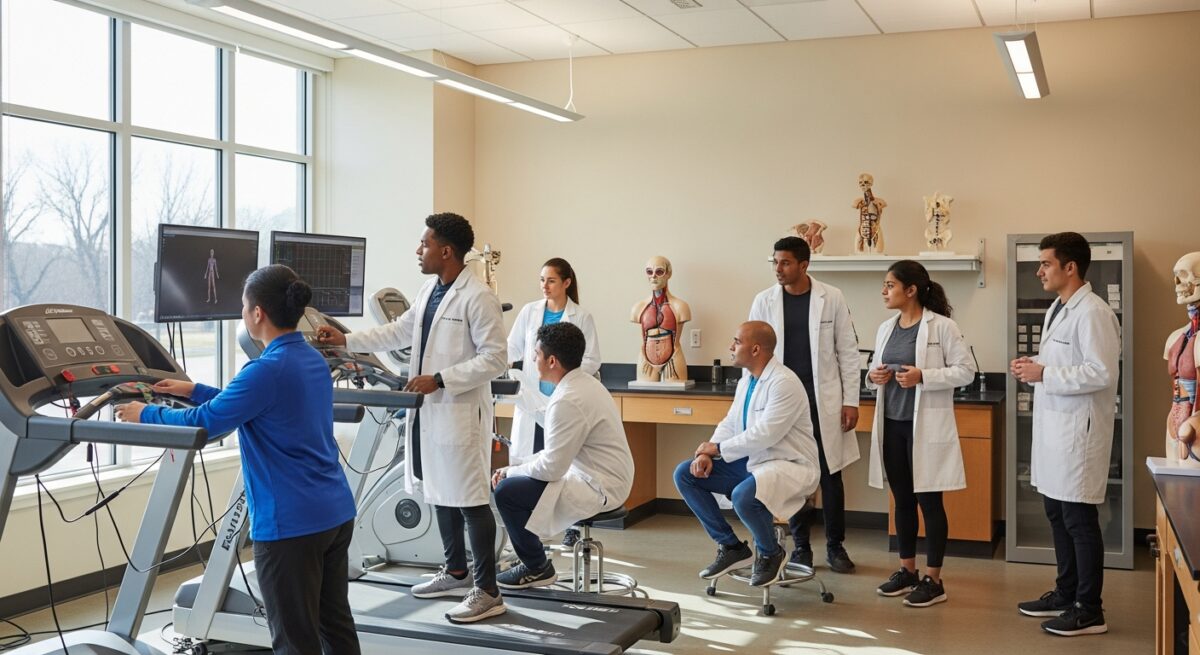
Campus education offers immediate, face-to-face interaction with professors and classmates. You can ask questions in real time, participate in spontaneous study groups, and access office hours without scheduling a video call. For subjects that require hands-on practice, such as nursing, engineering, or the sciences, campus labs and clinical placements are irreplaceable. However, for theoretical subjects like business, computer science, or humanities, online delivery can be equally effective.
One advantage of online learning is the ability to review recorded lectures and materials at your own pace. If you struggle with a concept, you can rewatch a module without holding back the class. Campus learning, by contrast, moves at a fixed speed. Some students prefer the immediate feedback of a live classroom, while others value the autonomy of self-paced study. Your personal learning style should guide this decision.
Social Experience and Networking
College is not just about academics; it is also about building relationships. Campus education provides a rich social environment where you can join clubs, attend events, live in dorms, and form lasting friendships. These connections often lead to professional networks, mentorship opportunities, and referrals. For students who are early in their careers or seeking a traditional college experience, campus life is a powerful draw.
Online education offers a different kind of networking. Through discussion boards, group projects, and virtual meetups, you can connect with classmates from diverse geographic and professional backgrounds. Many online programs attract experienced professionals who bring real-world insights to the classroom. These connections can be just as valuable for your career, especially if you are already established in your field. However, the social aspect requires more intentional effort. You will not bump into peers in the hallway or cafeteria; you must actively participate in online communities.

For students who value deep, local friendships and extracurricular activities, campus education is likely the better fit. For those who prioritize professional networking and flexibility, online education can deliver strong results without the social pressure of a traditional campus.
Career Outcomes and Employer Perception
Employer acceptance of online degrees has risen sharply in recent years. According to surveys, most hiring managers now view accredited online degrees as equally credible as campus degrees, especially when the institution is well-known. The COVID-19 pandemic normalized remote work and digital collaboration, making employers more comfortable with candidates who have proven they can succeed in a virtual environment.
That said, some industries still prefer campus degrees. Fields like medicine, law, and academia often place a premium on the traditional educational experience and the networking that comes with it. If you plan to pursue a highly competitive graduate program or a career in a conservative industry, research the specific preferences of your target employers. Many campus programs also offer internship placements, career fairs, and alumni networks that directly facilitate job placement.
Online students can compensate by building a strong portfolio, earning industry certifications, and leveraging professional social media platforms. Some online programs include virtual career services, resume workshops, and employer partnerships. The bottom line is that your degree’s value depends more on the institution’s reputation and your own initiative than on the delivery format.
Technology and Learning Tools
Online education depends entirely on technology. You need a reliable computer, high-speed internet, and basic digital literacy. Most online programs use a learning management system (LMS) such as Canvas, Blackboard, or Moodle to deliver content, track assignments, and facilitate communication. You will also use video conferencing tools, online libraries, and digital submission platforms. If you are comfortable with technology, this environment can be seamless.
Campus education also uses technology, but it is supplementary rather than central. You may access an LMS for grades and readings, but the primary instruction happens in person. For students who are less tech-savvy or prefer analog methods, campus learning reduces the risk of technical difficulties disrupting your education. However, campus students still need basic computer skills for research and assignments.
A potential downside of online learning is the lack of immediate technical support. If your internet goes down during an exam, you may have to wait for help. Campus IT departments are usually available on-site. Before committing to an online program, ensure you have a backup internet plan and a quiet study space.
Frequently Asked Questions
Is an online degree less respected than a campus degree?
Not anymore. Accredited online degrees from established universities are widely accepted by employers and graduate schools. The key is accreditation and the reputation of the institution, not the delivery format.
Can I switch from campus to online halfway through my degree?
Yes, but you should check transfer credit policies. Some universities allow seamless transfers between their own online and campus programs. However, transferring credits between different institutions can be more complex.
Which option is better for working adults?
Online education is generally better for working adults because of its flexibility. You can study evenings, weekends, or during lunch breaks. Many online programs also offer accelerated formats to help you graduate faster.
Do online students get the same diploma as campus students?
In most cases, yes. Reputable universities issue the same diploma without indicating whether the degree was earned online or on campus. Always verify this policy with the admissions office before enrolling.
How do I know if an online program is legitimate?
Check for regional accreditation through agencies recognized by the U.S. Department of Education. Avoid schools with a history of complaints or those that promise degrees with little work. You can also research student reviews and graduation rates.
Making the right choice between online and campus education requires honest self-assessment. Consider your learning style, financial situation, career goals, and personal responsibilities. For many students, a hybrid approach combining online courses with occasional campus experiences offers the best of both worlds. Whatever path you choose, prioritize accredited programs that align with your long-term vision. The investment in your education will pay dividends if you select a format that sets you up for success. Visit Scholarship.Education to explore scholarship and financial aid resources that can make either option more affordable.