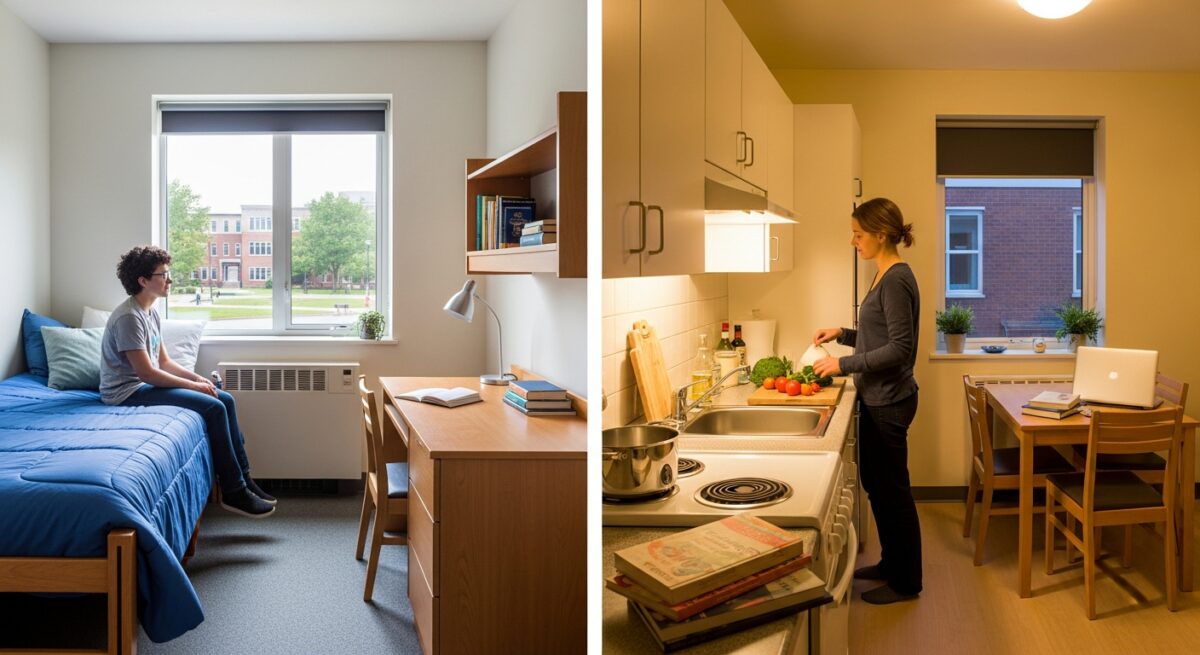
Choosing where to live is one of the most significant decisions a college student makes, impacting finances, social life, academic performance, and overall well-being. The debate between on campus vs off campus housing is not a simple one, with each option offering a distinct set of advantages and trade-offs. This decision can define your college experience, shaping your daily routine, your friendships, and even your GPA. Understanding the nuanced differences, from cost structures and convenience to lifestyle and independence, is crucial for making an informed choice that aligns with your personal goals, academic needs, and budget. This guide provides a comprehensive analysis to help you navigate this critical choice.
Financial Considerations: Breaking Down the True Cost
At first glance, comparing the price of a dorm room to an apartment lease seems straightforward. However, the true financial picture of on campus vs off campus housing is more complex, involving both upfront and hidden costs. University housing typically presents a single, all-inclusive bill covering room, utilities (electricity, water, heat, internet), and often a mandatory meal plan. This predictability is a major advantage, as it shields students from variable monthly expenses and surprise bills. The cost is usually billed per semester directly to the student account, which can be covered by financial aid packages, a significant benefit for many.
Off campus housing, conversely, requires managing multiple bills. While the base rent for a shared apartment might appear lower than a dorm fee, you must add utilities (which can fluctuate), internet, renters insurance, and groceries. There are also initial costs like security deposits, first and last month’s rent, and potential furniture purchases. Transportation costs become a real factor if you move farther from campus. To make a valid comparison, students must create a detailed budget that accounts for all these variables over a full academic year, not just monthly rent. For those navigating complex financial aid implications, seeking school-level degree guidance can provide clarity on how housing choices affect your overall funding.
Consider these key financial factors in a list for clarity:
- All-Inclusive vs. A La Carte: Dorms offer a bundled price. Apartments require separate payments for rent, utilities, internet, and food.
- Meal Plan Necessity: On-campus living often mandates an expensive meal plan. Off-campus allows you to control your food budget through cooking.
- Transportation: Living on campus usually means walking. Off-campus may require a car, bike, or public transit pass, adding cost and time.
- Financial Aid Application: University housing costs are easily applied to your aid package. You may need to manage aid refunds to pay off-campus landlords.
- Lease Length: Dorm contracts align with the academic year. Apartment leases are often 12 months, requiring payment for summer months you may not be there.
Lifestyle and Community: Finding Your Social Fit
The social environment of on campus and off campus housing differs dramatically. Residence halls are designed for immersion. You are surrounded by peers, with resident advisors (RAs) organizing events, floor meetings, and community-building activities. This structure provides a built-in social network, which is invaluable for freshmen and transfer students looking to make friends and combat loneliness. The proximity to classmates facilitates spontaneous study groups and makes participating in late-night campus events effortless. The trade-off is a lack of privacy and quiet; dorm life can be noisy, with shared bathrooms and limited personal space.
Off campus living offers a taste of independent adult life. You have more control over your living space, noise level, and who you live with (choosing your own roommates). This can foster a more mature, relaxed home environment conducive to focused studying or a quieter lifestyle. However, it requires proactive effort to stay connected to campus life. You might miss impromptu gatherings or feel disconnected from the pulse of university activities. Building community falls entirely on you and your roommates. This option often suits upperclassmen, graduate students, or those with partners or families.
Convenience, Proximity, and Time Management
Time is a student’s most precious resource, and housing location directly impacts how it is spent. On campus housing provides unparalleled convenience. You can roll out of bed and be in class in minutes, easily return to your room between classes, and utilize campus facilities like libraries, gyms, and dining halls at any hour without a commute. This proximity can translate to more sleep, easier access to professor office hours, and greater participation in extracurricular clubs and events. For students with packed academic schedules, this logistical ease is a powerful argument for on campus living.
Off campus housing introduces a commute. Whether it’s a 10-minute bike ride or a 30-minute bus trip, this travel time must be factored into your daily schedule. It can make popping back home for a forgotten book or a quick nap less feasible. However, living off campus can also create a healthy psychological separation between “school” and “home,” allowing for better work-life balance. The commute can become dedicated time for listening to lectures, planning your day, or simply decompressing. The key is to realistically assess your time management skills and class schedule when choosing between on campus vs off campus housing.
Rules, Independence, and Personal Responsibility
The level of oversight and regulation is a fundamental differentiator. University housing operates under a strict set of rules, often detailed in a lengthy residence hall contract. These govern quiet hours, guest policies (including overnight guests), alcohol consumption (even for students of legal age), prohibited items like candles or hot plates, and decor restrictions. RAs enforce these rules and are also resources for support. This structured environment provides a safety net and helps maintain a standard of conduct but can feel restrictive to students craving autonomy.
Off campus, you are subject to your landlord’s lease and local laws, not university conduct codes. You have the freedom to set your own house rules, have guests as you please, and manage your own space. With this freedom comes significant responsibility: you must deal directly with landlords for repairs, ensure bills are paid on time, manage conflicts with roommates without an RA mediator, and handle emergencies. This experience is a direct primer for post-graduate life, building crucial life skills in negotiation, budgeting, and household management.
Making Your Decision: A Step-by-Step Framework
With these factors in mind, how do you decide? A systematic approach can clarify the best path for your individual circumstances. Start by honestly assessing your personality and priorities. Are you an introvert who needs quiet to study, or an extrovert who thrives on constant social interaction? How important is culinary independence versus the convenience of a dining hall? Next, conduct a rigorous financial analysis. Create two detailed budgets: one for the all-inclusive dorm cost (including any required meal plan) and one for an off-campus scenario (rent, average utilities, estimated groceries, transportation, and initial setup costs).
Then, consider your academic year logistics. Are you staying in town for summer internships or jobs, making a 12-month lease advantageous? Or are you going home each summer, making a dorm’s academic-year contract a better fit? Research the local rental market early, as quality apartments near campus can be scarce. Finally, consult your university’s housing office deadlines and policies, as many require freshmen to live on campus. For upperclassmen, weigh the value of the on-campus community against the desire for increased independence.
- Self-Assessment: Prioritize your needs for social life, quiet, independence, and convenience.
- Financial Deep Dive: Build complete 9-month or 12-month budgets for both options, including all hidden costs.
- Logistics Check: Review your academic schedule, summer plans, and transportation options.
- Market Research: Explore actual off-campus rental prices and availability. Talk to current students about their experiences.
- Policy Review: Confirm university housing requirements, application deadlines, and contract release policies.
Frequently Asked Questions
Is it cheaper to live on or off campus?
There is no universal answer. For some, the all-inclusive nature of dorms saves money. For others, sharing an apartment and cooking meals is far cheaper. It requires a personalized budget based on local rental costs, your eating habits, and your university’s specific housing and meal plan prices.
Do most freshmen have to live on campus?
Many, but not all, universities have a first-year live-on requirement. This policy is designed to aid student transition and retention. Always check your specific school’s regulations.
How do I find reliable roommates for off-campus housing?
Start with your existing network of classmates. Use university-sponsored roommate matching boards or social media groups. Be clear about your expectations for cleanliness, quiet hours, guests, and budgeting before signing a lease together.
Can financial aid cover off-campus housing?
Yes, but indirectly. Your total financial aid package is calculated based on cost of attendance, which includes housing. If your off-campus costs are lower, your aid may be reduced. Any aid money left after paying tuition and fees is refunded to you to use for living expenses.
What should I look for in an off-campus lease?
Scrutinize the lease length (align it with the academic year if possible), understand penalties for breaking the lease, clarify maintenance responsibilities, check policies on subletting, and ensure all roommates are legally on the lease.
The choice between on campus vs off campus housing is deeply personal, with no single “right” answer for every student. It balances the structured, convenient, community-rich environment of university residence halls against the independent, responsibility-laden, and potentially more affordable world of private rentals. By carefully weighing the financial realities, social preferences, and logistical demands against your own personality and academic goals, you can select the housing option that will best support your success and enrich your college journey. The most important step is to begin this evaluation process early, armed with accurate information and clear self-awareness.