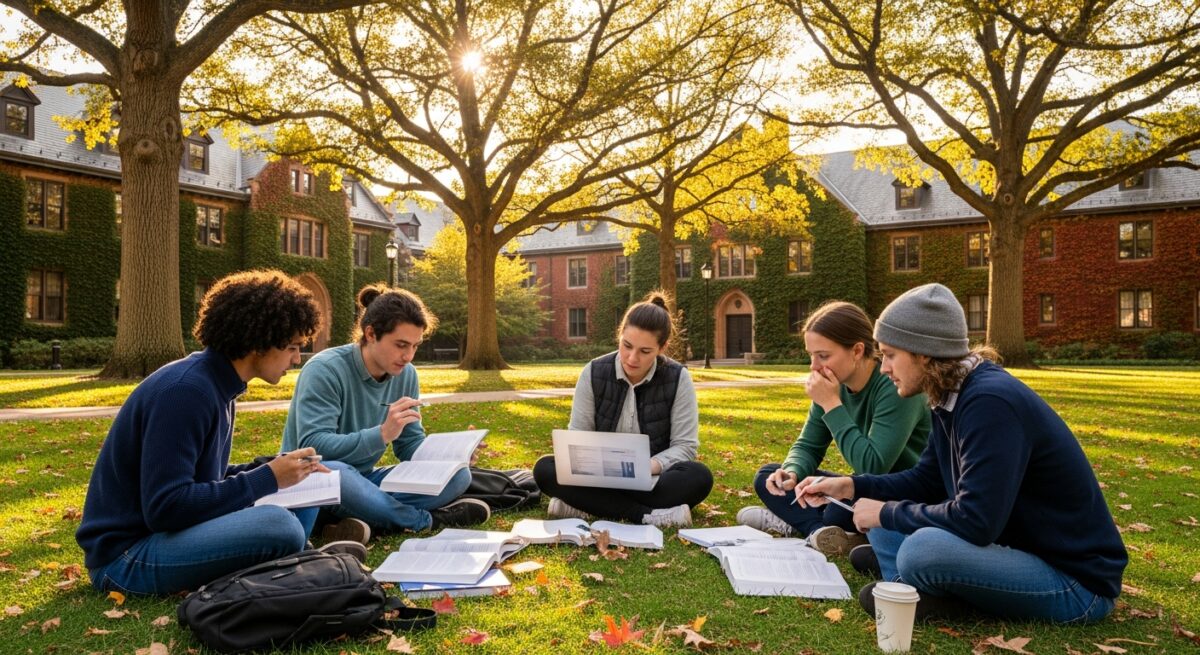
In an era dominated by digital classrooms and remote learning, the enduring appeal of an on-campus degree program might seem like a nostalgic relic. Yet, thousands of students each year still make the deliberate choice to walk the brick-and-mortar pathways of a university, seeking an education that extends far beyond the transmission of information. This traditional model offers a holistic, immersive experience that forges professional networks, builds soft skills in real-time, and provides a structured environment for profound personal growth. While online and hybrid models provide essential flexibility, the residential college experience delivers unique, intangible benefits that continue to define the quintessential journey to a degree for many.
The Unmatched Value of Immersive Learning Environments
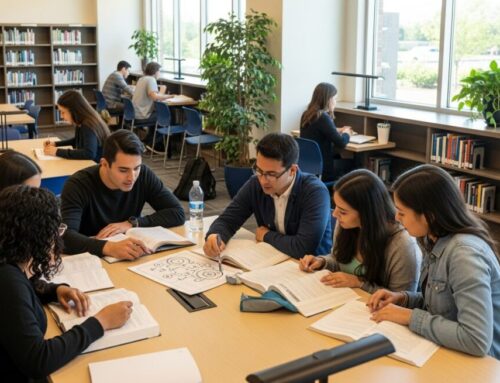
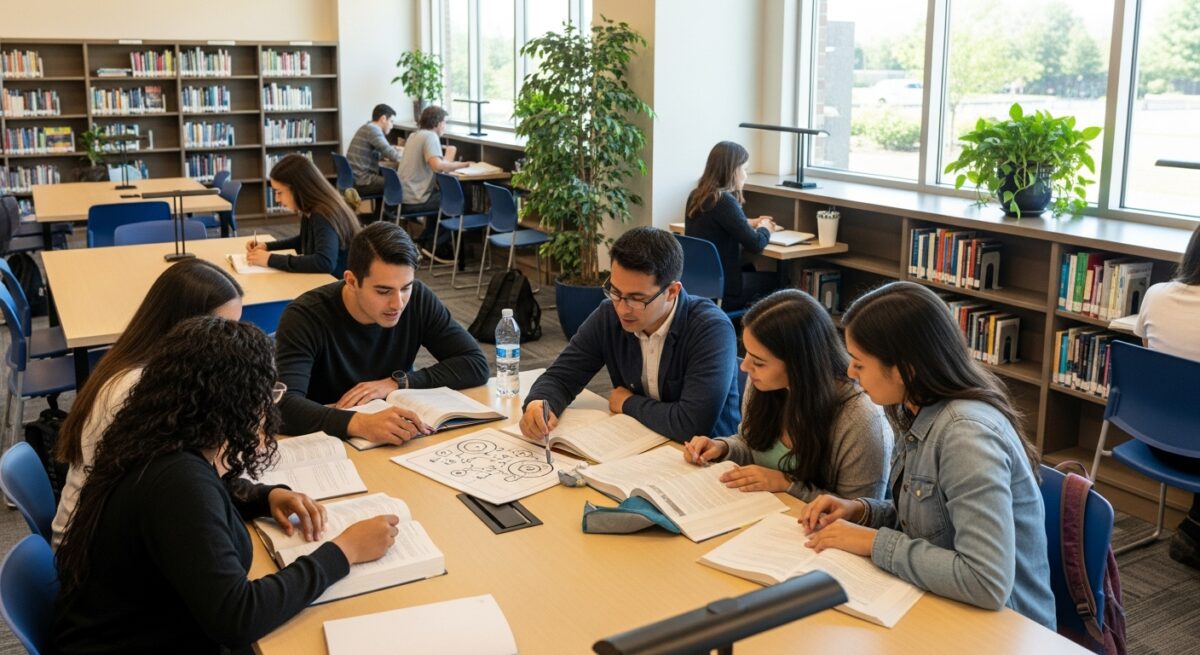
At its core, an on-campus degree program is defined by physical presence and community immersion. This environment facilitates a type of learning that is inherently collaborative and spontaneous. The value lies not just in scheduled lectures, but in the conversations that happen after class, the impromptu study groups in the library, and the ability to pop into a professor’s office hours for immediate clarification. This constant accessibility to peers and mentors creates a rich tapestry of support and intellectual exchange that is difficult to replicate virtually. The campus itself acts as a dedicated ecosystem for growth, removing the distractions of home life and work environments, allowing students to fully inhabit the role of a learner.
Furthermore, this immersion accelerates the development of critical soft skills. Navigating group projects, participating in seminars, and engaging in campus debates require real-time communication, negotiation, and empathy. Students learn to read body language, manage conflicts face-to-face, and build rapport organically. These are competencies highly prized by employers and are often honed most effectively through the daily, unstructured interactions that campus life provides. The environment itself teaches adaptability, time management, and personal responsibility in a way that isolated digital learning often must simulate.
Structured Resources and Serendipitous Opportunities
On-campus students have direct, tactile access to a concentration of resources that are either unavailable or logistically challenging to access remotely. This includes state-of-the-art laboratories, specialized equipment, performance studios, archival libraries, and athletic facilities. For students in STEM, fine arts, kinesiology, and research-heavy disciplines, this hands-on access is not a luxury; it is a fundamental requirement of their education. The ability to conduct experiments, practice techniques, and work with physical materials under supervision is integral to their mastery.
Beyond formal resources, campus life is engineered to foster serendipity. Career fairs, guest lectures, club meetings, and cultural events are woven into the daily fabric. A student might attend a lecture out of curiosity and discover a passion for a new field, or meet a future business partner at a student organization event. The density of opportunities within a small geographic area is profound. This structured yet organic network is a powerful engine for career launching. Internships with local businesses, on-campus research assistant positions, and mentorship from alumni visiting the campus are all more readily accessible. For those considering advanced study, building strong, in-person relationships with faculty who can later provide detailed letters of recommendation is a significant advantage explored in depth in our resource on navigating master degree programs at colleges.
Personal Development and Building Independence
For many young adults, the on-campus experience represents their first sustained period of independent living. This journey is about more than academic instruction; it’s a foundational life transition. Managing a budget, balancing responsibilities, maintaining a living space, and nurturing new friendships all contribute to a rapid maturation process. The residential aspect creates a unique micro-society where students learn to coexist, lead, and contribute to a community. They develop a sense of identity and values separate from their family of origin, often forming lifelong bonds in the process.
This holistic development is supported by a vast network of support services physically present on campus. Health and wellness centers, academic tutoring labs, psychological counseling, and disability services are not just websites or phone numbers; they are places where students can walk in and receive personalized, immediate support. The visibility and integration of these services in campus life can encourage students to seek help more readily than they might in a remote setting. The sense of belonging to a cohort, all progressing through the same challenges, also provides a powerful psychological buffer against stress and isolation.
Key Considerations for Choosing an On-Campus Path
Choosing to pursue an on-campus degree is a significant commitment of time, geography, and finances, making it crucial to evaluate the decision carefully. The ideal candidate is often someone who can fully dedicate themselves to the student role, values in-person collaboration, and thrives in a structured, community-oriented environment. It requires a readiness to engage actively with campus life beyond the classroom to extract its full value.
Before committing, prospective students should weigh several critical factors. The following list highlights primary considerations that can determine whether the on-campus model aligns with your goals and circumstances.
- Total Cost Analysis: Beyond tuition, factor in substantial expenses for housing, meal plans, transportation, and campus fees. Compare financial aid packages and scholarship opportunities specifically for residential students.
- Geographic and Life Flexibility: Attending on-campus requires relocation or commuting, which may not be feasible for those with entrenched careers, family caregiving duties, or other immovable commitments.
- Campus Culture and Fit: The social and academic environment varies greatly. Visiting the campus, sitting in on classes, and talking to current students is invaluable to assess the community’s vibe, class sizes, and professor accessibility.
- Program-Specific Requirements: Certain degrees, especially in sciences, engineering, performing arts, and healthcare, have extensive lab, studio, or clinical hours that necessitate physical presence.
- Long-Term Career Goals: Research if your target industry values the networking and specific experiential learning (like lab research or theater productions) that a particular campus program offers.
Making an informed choice often involves consulting multiple sources of college degree guidance to compare different educational pathways. The decision ultimately hinges on aligning the educational delivery method with your learning style, personal responsibilities, and professional aspirations. For some, the immersive, traditional path is an irreplaceable catalyst for growth; for others, the flexibility of online or hybrid models better suits their life stage.
The Enduring Relevance of the Campus Model
Despite the rapid growth and acceptance of online education, on-campus degree programs are not becoming obsolete; they are evolving. Universities are enhancing their physical spaces with better technology, more collaborative learning environments, and stronger ties to industry and local communities. The campus is becoming more integrated, not less. The model’s resilience speaks to the intrinsic human need for community, mentorship, and shared experience in the learning process. It provides a curated, intensive period of focus that can accelerate both intellectual and personal development in a uniquely supportive setting.
In conclusion, the choice between on-campus and online education is not a binary judgment of quality but a strategic decision about context and outcome. An on-campus degree program offers a time-tested, immersive journey that builds knowledge, character, and networks through lived experience. It demands a significant investment but pays dividends in the form of deep relationships, hands-on skill development, and a transformative rite of passage. For students who can embrace it, the traditional campus remains a powerful engine for turning academic ambition into tangible reality.