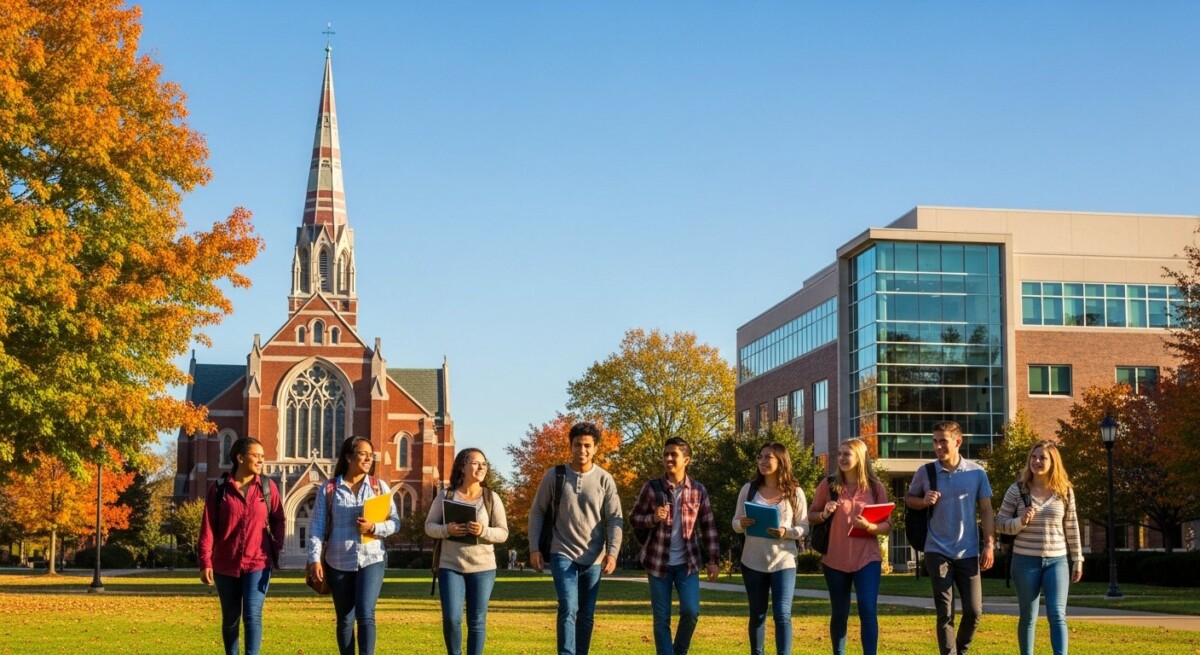
Nebraska might be known for its wide-open plains and strong agricultural heritage, but it also holds a well-kept secret: a collection of outstanding private colleges that deliver rigorous academics, tight-knit communities, and impressive career outcomes. For students seeking an education that balances personal attention with professional preparation, the Cornhusker State offers options that rival any in the Midwest. From faith-based universities rooted in centuries-old traditions to innovative liberal arts colleges that emphasize experiential learning, these institutions provide pathways that are both affordable and transformative. This guide explores the leading private colleges located in Nebraska, highlighting what makes each unique and how they can help you achieve your academic and career goals.
Why Choose a Private College in Nebraska?
Private colleges in Nebraska offer distinct advantages that public universities often cannot match. Smaller class sizes mean professors know your name and your aspirations. According to data from the National Center for Education Statistics, private nonprofit four-year institutions in Nebraska average a student-to-faculty ratio of 12:1, compared to 17:1 at public universities in the state. This ratio translates into more mentoring, deeper discussions, and stronger letters of recommendation for graduate school or employment. Additionally, private colleges frequently provide more generous institutional scholarship packages, sometimes reducing the net cost below that of a public university. For students who value a focused academic environment with a strong sense of belonging, these schools are compelling choices. When you explore the leading private colleges located in Nebraska, you will find institutions that prioritize undergraduate teaching, offer specialized programs in fields like health sciences and business, and maintain robust alumni networks that open doors across the country.
Academic Excellence and Personalized Support
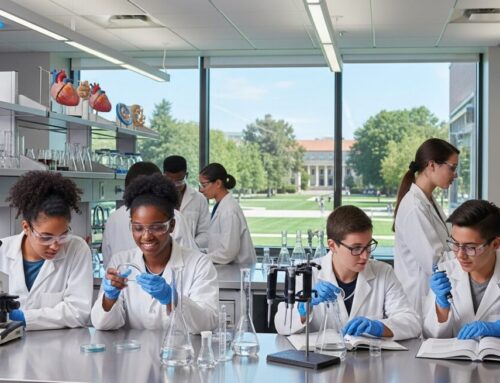
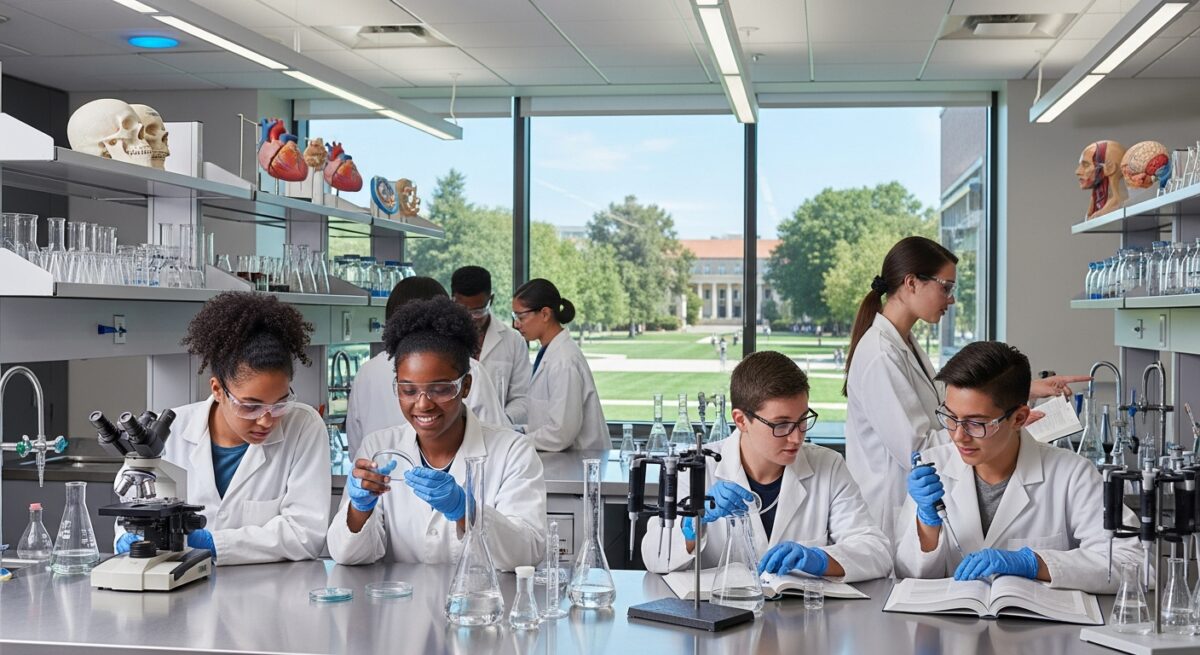
At private colleges in Nebraska, academic rigor and personalized support go hand in hand. Faculty members are typically hired for their teaching ability as much as their research credentials. At schools like Creighton University and Nebraska Wesleyan University, professors often hold office hours in campus coffee shops and invite students to collaborate on research projects. This culture of accessibility helps students master challenging material and develop critical thinking skills. For example, a biology major at Doane University might work directly with a professor on a grant-funded study of prairie ecosystems, gaining hands-on experience that strengthens a medical school application. The combination of small classes and dedicated faculty creates an environment where students can thrive academically.
Affordability and Financial Aid
Cost is a major concern for most families, but private colleges in Nebraska are increasingly competitive on price. Tuition discounting is common, with many institutions offering merit-based scholarships that significantly lower the sticker price. For instance, Concordia University Nebraska provides scholarships for academic achievement, leadership, and even specific talents like music or athletics. The average net price at leading private colleges located in Nebraska often falls below $25,000 per year after grants and scholarships, according to College Scorecard data. To make an informed decision, students should use net price calculators on each school’s website and file the Free Application for Federal Student Aid (FAFSA) early. Many of these colleges also participate in state grant programs like the Nebraska Opportunity Grant, which can further reduce costs for eligible residents.
Profiles of Leading Private Colleges in Nebraska
The following schools represent the diversity and strength of private higher education in Nebraska. Each has a distinct mission, academic focus, and campus culture. Whether you are drawn to a large urban university or a small rural college, these institutions offer quality programs that prepare graduates for meaningful careers and lives of service.
Creighton University
Located in Omaha, Creighton University is a Jesuit Catholic institution founded in 1878. It is the largest private university in Nebraska, enrolling about 8,700 students across nine schools and colleges. Creighton is nationally recognized for its health sciences programs, including a top-ranked pharmacy school and a medical school that consistently produces primary care physicians. The university also excels in business, law, and the liberal arts. Students benefit from a vibrant urban campus that connects them to internships at Fortune 500 companies like Berkshire Hathaway and Mutual of Omaha. Creighton’s commitment to service and social justice is woven into the curriculum, with opportunities for community engagement through the Schlegel Center for Service and Justice. For students seeking research opportunities, the university offers undergraduate summer research fellowships that can lead to published papers and conference presentations.
Nebraska Wesleyan University
In Lincoln, Nebraska Wesleyan University (NWU) offers a liberal arts education grounded in practical experience. With about 1,800 students, NWU is known for its strong programs in the natural sciences, pre-health tracks, and the performing arts. The university’s archway curriculum requires every student to complete a senior capstone project, often involving original research or a creative work. NWU also operates the Nebraska Wesleyan University Theatre, which stages professional-level productions and has launched alumni onto Broadway stages. The school’s location in Nebraska’s capital city gives students access to state government internships, nonprofit work, and a growing tech scene. NWU’s study abroad participation rate is among the highest in the state, with programs in more than 30 countries.
Concordia University Nebraska
Concordia University Nebraska, located in Seward, is a Lutheran liberal arts university that enrolls about 2,700 students. It is part of the Concordia University System and emphasizes faith-integrated learning. The university is particularly strong in education, nursing, and business. Concordia’s College of Education produces a significant number of teachers for Nebraska’s K-12 schools, thanks to its extensive student teaching partnerships. The campus features a new science center with state-of-the-art labs for biology and chemistry majors. Concordia also has a thriving athletic program, competing in the NAIA with 22 sports. The close-knit community, where faculty often host students for dinner, helps international and out-of-state students feel at home quickly.
Doane University
Doane University, with its main campus in Crete and a campus in Lincoln, is Nebraska’s oldest private liberal arts university, founded in 1872. Doane is known for its innovative core curriculum called the Doane Plan, which integrates career exploration, internships, and leadership development from the first year. The university offers strong programs in engineering (through a 3-2 partnership with Washington University in St. Louis), environmental science, and business. Doane’s 300-acre campus includes a prairie restoration area and a wind turbine that powers part of the campus, reflecting its commitment to sustainability. The school’s adult and online education programs serve working professionals, making it a flexible option for career changers. For those seeking clear information about college degrees and academic pathways, Doane provides detailed program guides through its advising center. You can explore more about college degree information to compare options across institutions.
Hastings College
Hastings College, located in Hastings, Nebraska, is a Presbyterian-affiliated liberal arts college with about 1,000 students. It is known for its strong pre-professional programs in law, medicine, and veterinary science, as well as its communication studies department. The college’s Gray Center for Career Development provides personalized career coaching from the first semester, helping students build resumes, secure internships, and land jobs after graduation. Hastings also offers a unique program called the BroncoFIT, which provides every student with a free laptop and a textbook rental program that keeps costs predictable. The campus features a historic chapel and modern facilities like the Morrison-Reeves Science Center.
Comparing Academic Programs and Career Outcomes
When evaluating leading private colleges located in Nebraska, prospective students should look beyond rankings and consider outcomes that matter for their specific goals. The table below summarizes key metrics for the schools profiled.
- Creighton University: 92% six-year graduation rate; median starting salary of $62,000; strong placement into medical and dental schools.
- Nebraska Wesleyan University: 68% six-year graduation rate; median starting salary of $48,000; high acceptance rates into graduate programs in the sciences.
- Concordia University Nebraska: 61% six-year graduation rate; median starting salary of $44,000; top producer of teachers in the state.
- Doane University: 66% six-year graduation rate; median starting salary of $50,000; strong internship placement with regional employers.
- Hastings College: 58% six-year graduation rate; median starting salary of $45,000; excellent law school acceptance record.
These figures show that while graduation rates vary, each school provides strong career preparation. For example, Creighton’s high graduation rate reflects its robust support systems, while Hastings College’s lower rate is typical of smaller liberal arts colleges that serve a higher proportion of first-generation students. The key is to match your academic interests and career ambitions with a school’s strengths. If you plan to pursue a medical career, Creighton’s health sciences network is unmatched. If you want a broad liberal arts foundation with hands-on research, Nebraska Wesleyan or Doane might be better fits.
Campus Life and Community Engagement
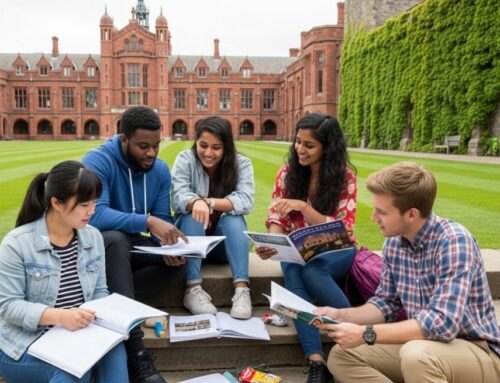
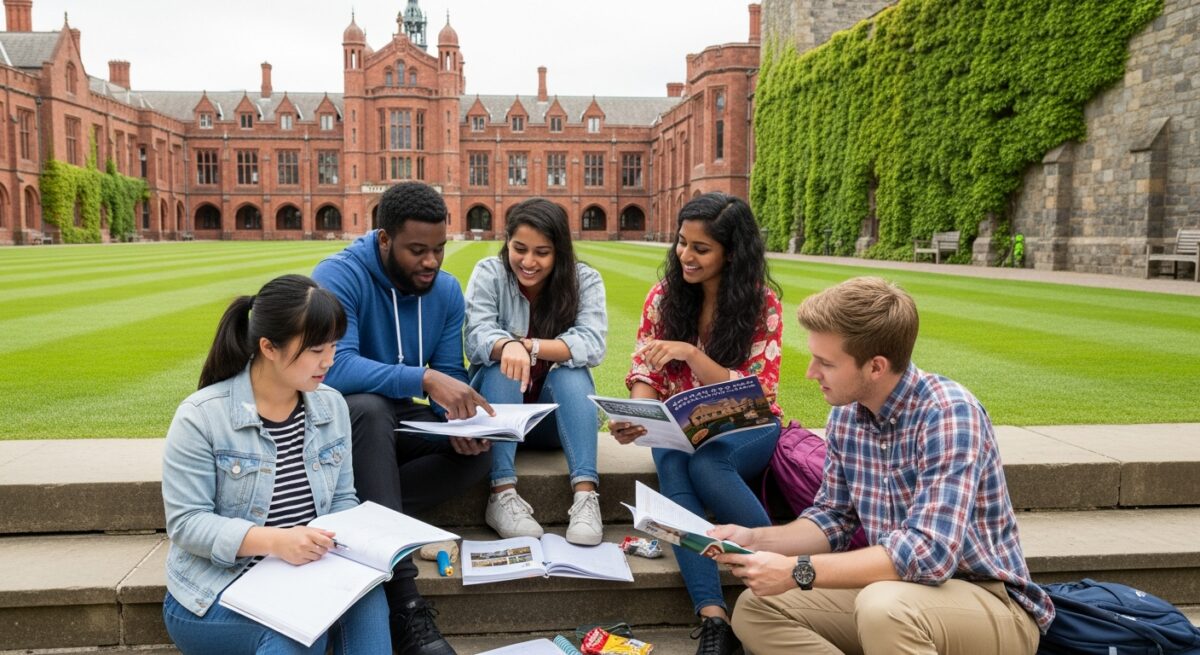
Life at a private college in Nebraska extends well beyond the classroom. Students enjoy vibrant campus cultures shaped by traditions, service opportunities, and extracurricular activities. At Creighton, the annual Heritage Week celebrates Jesuit history with lectures, cultural events, and a community service day. Nebraska Wesleyan’s Homecoming parade and chili cook-off draw alumni from across the country. Concordia’s Christmas concert, featuring the university choir and orchestra, fills the Seward Civic Center each December. These traditions create lasting bonds among students and foster a sense of pride that continues after graduation. For students who value faith-based communities, Concordia and Creighton offer chapel services, retreats, and mission trips. Doane and Hastings College provide strong Greek life and student government organizations that develop leadership skills. The smaller size of these campuses means that students can quickly get involved in activities that matter to them, whether that is the robotics club, the student newspaper, or an intramural sport.
Financial Aid Strategies for Private College Students
Paying for a private college in Nebraska requires planning, but the return on investment can be substantial. Here are steps to maximize financial aid:
- Complete the FAFSA as soon as possible after October 1 of your senior year. Use priority deadlines set by each school (often February 1 or March 1).
- Apply for institutional merit scholarships separately if required. Some schools, like Creighton, automatically consider all applicants for academic scholarships, while others, like Hastings, require a separate application.
- Research outside scholarships from Nebraska-based foundations, such as the Susan Thompson Buffett Foundation Scholarship and the Nebraska Farm Bureau Scholarship.
- Compare financial aid award letters carefully. Look at the net price (total cost minus grants and scholarships) rather than the total cost.
- Contact the financial aid office to appeal if your family’s financial circumstances have changed, such as a job loss or medical expenses.
Many private colleges in Nebraska also offer work-study programs that allow students to earn money while gaining experience in campus offices or labs. For example, Doane University places student workers in its marketing department, the admissions office, and the campus farm. These positions often lead to full-time job offers after graduation. Additionally, some schools, like Concordia, have tuition freeze programs that lock in rates for four years, providing predictability for families.
Frequently Asked Questions
Are private colleges in Nebraska more expensive than public universities?
Sticker prices at private colleges are higher, but net prices after financial aid are often comparable. The average net price at leading private colleges in Nebraska is around $24,000 per year, while the University of Nebraska-Lincoln’s net price is about $19,000 for in-state students. However, private colleges often provide more generous merit aid, which can make them affordable for high-achieving students.
What is the smallest private college in Nebraska?
Hastings College is among the smallest, with about 1,000 students. Summit Christian College in Gering and York College are even smaller, each enrolling fewer than 500 students. These tiny schools offer extremely personalized attention but may have limited program offerings.
Can I attend a private college in Nebraska as an out-of-state student?
Yes, and many private colleges actively recruit out-of-state students. Approximately 40% of Creighton’s student body comes from outside Nebraska. Out-of-state students pay the same tuition as in-state students at private colleges, unlike public universities where non-resident tuition is higher.
Do these colleges offer online degree programs?
Yes. Doane University has a robust online program for adult learners. Concordia University Nebraska offers online degrees in education and business. Creighton provides online graduate programs in nursing and health administration. Always verify that the program is accredited and meets your career requirements.
Making Your Decision
Choosing among the leading private colleges located in Nebraska requires thoughtful research and campus visits. Each school has a distinct personality, academic focus, and cost structure. Creighton University offers prestige and strong health sciences pathways. Nebraska Wesleyan provides a classic liberal arts experience with modern career preparation. Concordia University Nebraska delivers a faith-centered education with excellent teacher training. Doane University combines sustainability, innovation, and flexible learning options. Hastings College emphasizes personalized career coaching and affordability. Visit each campus if possible, sit in on a class, and talk to current students. Ask about internship placement rates, alumni networks, and the types of companies that recruit on campus. In our guide on Top Premier Private Colleges for Students in Missouri, we explain how to evaluate similar options in a neighboring state. The right school for you is one where you can see yourself growing intellectually, socially, and professionally. With careful planning and the resources available through CollegeDegree.School, you can find a private college in Nebraska that fits your goals and budget, setting you on a path to success.