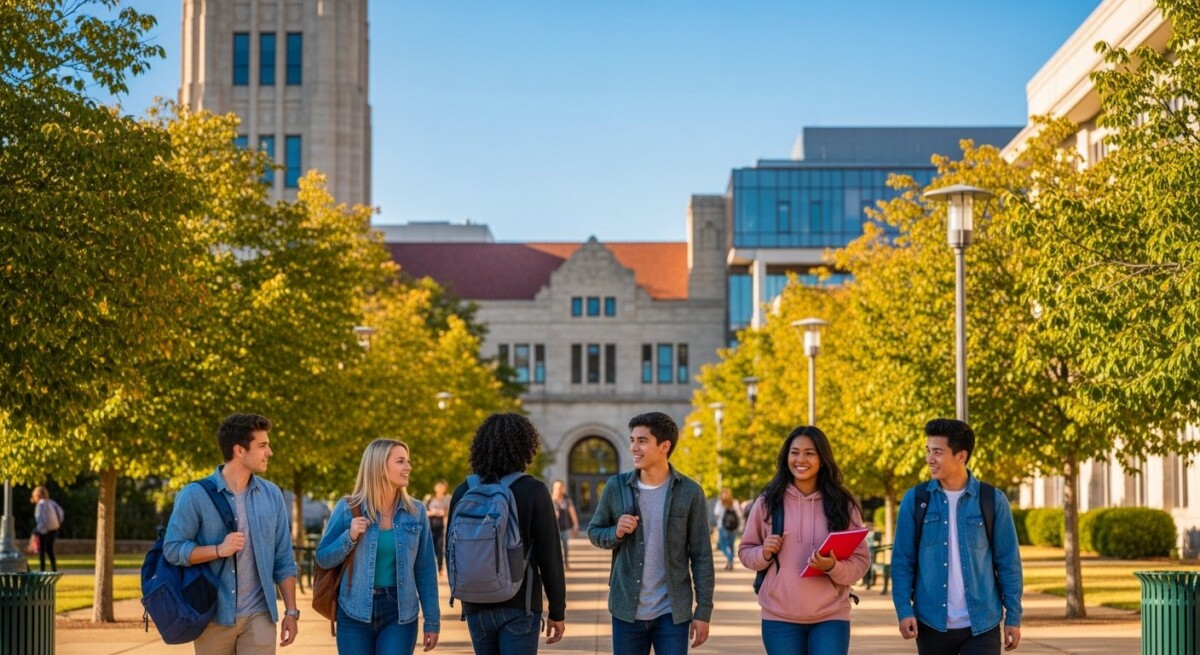
Choosing a college is one of the most significant decisions a young person can make, yet the process often focuses on superficial metrics: rankings, average test scores, and glossy brochure imagery. While academic rigor is crucial, it’s only one part of the equation for a successful and fulfilling four years. The intangible feeling of belonging, the daily rhythm of campus life, and the shared values of the student body, collectively known as college culture and fit, are what truly determine whether a student will thrive or merely survive. Ignoring this critical dimension can lead to transfer stress, social isolation, and academic disengagement, turning what should be an enriching journey into a costly mistake. This guide moves beyond the checklist to help you identify the environments where you will not just learn, but grow.
Defining College Culture and Why It Matters
College culture is the personality of a campus. It’s the unwritten rules, the common attitudes, the dominant social scenes, and the collective priorities of its students and faculty. It encompasses everything from how students dress on a Tuesday morning to how they spend their Saturday nights, from the formality of student-professor relationships to the intensity of school spirit at athletic events. Fit, then, is the alignment between your own personality, values, learning style, and social needs with that institutional personality. A strong fit means you feel at home, supported, and motivated within that ecosystem.
The importance of this alignment cannot be overstated. A student who thrives on collaborative, discussion-based learning may feel stifled and anonymous in a giant lecture hall culture, no matter how prestigious the department. An introvert who needs quiet spaces for deep work may struggle on a campus where the social pressure to be constantly “on” and involved is overwhelming. Conversely, when the fit is right, students are more likely to join clubs, seek out mentors, form lasting friendships, and persist through academic challenges. They are engaged, not just enrolled. This holistic engagement is a powerful predictor of retention, graduation rates, and overall well-being.
Key Dimensions of Campus Culture to Investigate
To move from a vague feeling to a concrete assessment, you need to break down the broad concept of culture into tangible, researchable components. These dimensions interact to create the unique atmosphere of each school.
Academic Atmosphere and Teaching Philosophy
This is the core of the undergraduate experience. Is the intellectual culture cutthroat and competitive, or collaborative and supportive? Are professors primarily focused on groundbreaking research, or are they celebrated for their dedication to undergraduate teaching? Class size is a telling indicator, but so is the curriculum structure. Does the school have a rigid core curriculum with specific required courses, or an open, flexible system driven entirely by student choice? Some colleges emphasize interdisciplinary learning and hands-on research from day one, while others follow a more traditional, lecture-based model for the first two years. Your ideal learning environment is a personal equation. Reflect on whether you need the structure of set requirements or the freedom to explore, and whether you learn best by debating peers in a seminar or absorbing information in a large hall.
Social and Extracurricular Landscape
Life outside the classroom is where you’ll build community. The social scene varies dramatically. Is Greek life the dominant social force, or are there robust, independent student organizations that drive activities? What is the balance between on-campus and off-campus socializing? A rural college often has a more insular, campus-centric social life, while an urban university’s social scene blends into the city. Investigate the range and vitality of clubs, intramural sports, arts groups, and volunteer opportunities. These are the avenues for finding your people. Furthermore, consider the overall vibe: Is it a “work hard, play hard” culture, a politically active and protest-oriented campus, a spiritually grounded community, or something else entirely? The answers paint a picture of where you’ll spend your downtime and how you’ll connect with others.
Community Values and Campus Environment
This dimension speaks to the ethos of the institution and its physical setting. Values can be explicitly stated in a mission statement (e.g., a focus on service, social justice, entrepreneurship, or faith) and implicitly demonstrated in student behavior and institutional policies. The political leanings of the student body, the activism on campus, and the administration’s stance on diversity and inclusion are all critical cultural markers. The physical environment is equally formative. A sprawling, park-like campus fosters a different rhythm than a dense, integrated urban campus. The location, climate, and proximity to a major city influence everything from weekend options to internship availability. A student who craves hiking trails and a tight-knit residential feel will assess culture very differently from one who wants subway access and metropolitan internships. For students considering non-traditional paths, exploring resources for degree planning for students can reveal institutions with cultures supportive of online, hybrid, or accelerated programs.
A Strategic Self-Assessment Before You Look Outward
You cannot find a fit if you don’t know what you’re fitting into. Before diving into college websites and tours, turn the lens on yourself. This introspection is the most important step in finding the right college culture.
Start by honestly evaluating your academic self. Are you a self-starter who needs minimal structure, or do you perform best with clear deadlines and guidance? Do you love diving deep into a single subject, or do you get energized by making connections between disparate fields? Next, reflect on your social and personal needs. How much alone time do you require to recharge? Are you looking for a close group of friends or a wide, diverse network? What role do you want your family and hometown to play during these four years? Consider your lifestyle preferences: your tolerance for weather, your need for access to nature or culture, and your comfort with a homogeneous versus heterogeneous student body.
To organize this self-reflection, ask yourself these key questions:
- In high school, when was I most engaged and successful? Was it in a large class or a small group?
- What are my non-negotiable needs for daily happiness (e.g., access to a gym, a quiet place to study, a faith community)?
- How do I handle stress and competition? Do they motivate me or cause anxiety?
- What kind of people bring out the best in me? What environments make me feel drained?
Write down your answers. This personal profile will serve as your constant reference point, a tool to objectively evaluate whether a school’s advertised culture matches your authentic self, not just your aspirational self. For a broader framework that incorporates culture alongside other selection criteria, our strategic college selection guide offers a comprehensive approach.
Research Methods That Go Beyond the Brochure
Once you have a self-profile, it’s time to research colleges with a detective’s eye for cultural clues. Official marketing materials have a purpose, to present the institution in the best light. Your job is to seek out unfiltered, multi-perspective data.
The campus visit, when done intentionally, is the gold standard. Don’t just take the official tour. Sit in on a class in a subject that interests you. Observe the student-professor dynamic. Are students asking questions? Do they seem engaged or checked out? Eat lunch in a main dining hall and listen to the conversations at nearby tables. Read the student newspaper, both the headlines and the opinion pages. What issues are students passionate about? Walk around campus on a Thursday evening and again on a Sunday afternoon. What is the energy like? Most importantly, approach random students (not just tour guides) and ask them direct questions: “What do you do for fun?” “What’s something you wish you knew before coming here?” “If you could change one thing about the campus culture, what would it be?” Their candid responses are invaluable.
If an in-person visit isn’t possible, leverage digital tools. Many colleges now offer extensive virtual tours. Look for student-run YouTube channels and TikTok accounts that offer day-in-the-life content. These are often more authentic than official videos. Scour the school’s subreddit and other online forums, reading threads about housing, social life, and academic pressure. Pay attention to recurring complaints and praises. When evaluating data, look at retention rates (the percentage of first-year students who return for sophomore year). A high retention rate often indicates student satisfaction and a strong sense of belonging, which are direct outcomes of good college culture and fit.
Synthesizing Information and Making Your Decision
After researching multiple schools, you’ll be awash in information. The final step is synthesis. Create a simple chart for your top choices. List the key cultural dimensions (academic vibe, social scene, values, environment) in one column. For each school, write a brief summary of what you learned in each category, citing specific evidence from your visits, interviews, or research. Then, in a final column, rate the alignment with your personal self-assessment profile as high, medium, or low.
This exercise forces you to compare schools objectively on the factors that matter most for your happiness. Be wary of choosing a school based solely on prestige or a single, appealing trait while ignoring significant cultural mismatches. A top-ranked engineering program means little if you feel socially isolated and miserable for four years. Trust the patterns in your research. If multiple sources, from current students to independent reviews, hint at a hyper-competitive atmosphere and that is your personal nightmare, believe the data, even if the campus was beautiful. The goal is to find a place where you can be your best self, academically, socially, and personally. The right fit feels challenging yet supportive, unfamiliar yet welcoming, a place where you can see yourself not just attending, but truly living.
Frequently Asked Questions
How can I assess college culture if I can’t visit in person?
Utilize virtual tours, but prioritize student-generated content. Watch YouTube vlogs from current students, explore the school’s official social media comments, and spend time on forums like Reddit. Contact the admissions office and ask to be connected with a current student from your intended major or a similar background for a video chat. Many schools have student ambassador programs designed for this purpose.
What if my academic interests and preferred social culture seem to point to different types of schools?
This is a common dilemma. First, ensure you haven’t stereotyped schools. A large research university can have intimate learning communities, and a small liberal arts college can have a vibrant party scene. Dig deeper. Look for specific programs, honors colleges, or residential systems within larger universities that create a smaller cultural microcosm. You may need to prioritize one dimension slightly, but a thorough search can often find a school that offers a compelling blend.
Is it a red flag if current students mention downsides during a tour or online?
Not necessarily. In fact, a balanced perspective is more trustworthy than uniformly glowing reviews. Pay attention to the nature of the complaints. Are they universal grievances about weather or cafeteria food (common everywhere), or do they point to deeper systemic issues like poor mental health support, administrative indifference, or a toxic social hierarchy? Look for patterns, not isolated gripes.
How much should my parents’ or peers’ opinions influence my decision about fit?
Listen to their insights, especially regarding practical considerations, but remember they are not the ones who will live the daily experience. A college that feels right to a parent based on their own experience 30 years ago may not be right for you. You are the expert on your own personality and needs. Use advice as data, not as a directive.
Can college culture change over the four years I’m there?
Cultures evolve, but institutional personality is relatively stable. Your personal experience will certainly change as you move from a first-year in dorms to a senior with off-campus housing and a defined friend group. However, the fundamental academic approach, social infrastructure, and community values tend to persist. Focus on the enduring traits, not just the first-year experience.
Finding the right college culture and fit is an exercise in self-awareness paired with diligent research. It requires looking past rankings to understand the human experience of a place. By defining what you need to thrive, investigating schools with a critical and curious eye, and trusting the evidence you gather, you can select a college that will be more than a stepping stone, it will be a home for your transformation. The investment of time and thought into this process is the first, and perhaps most important, step toward a rewarding college journey.