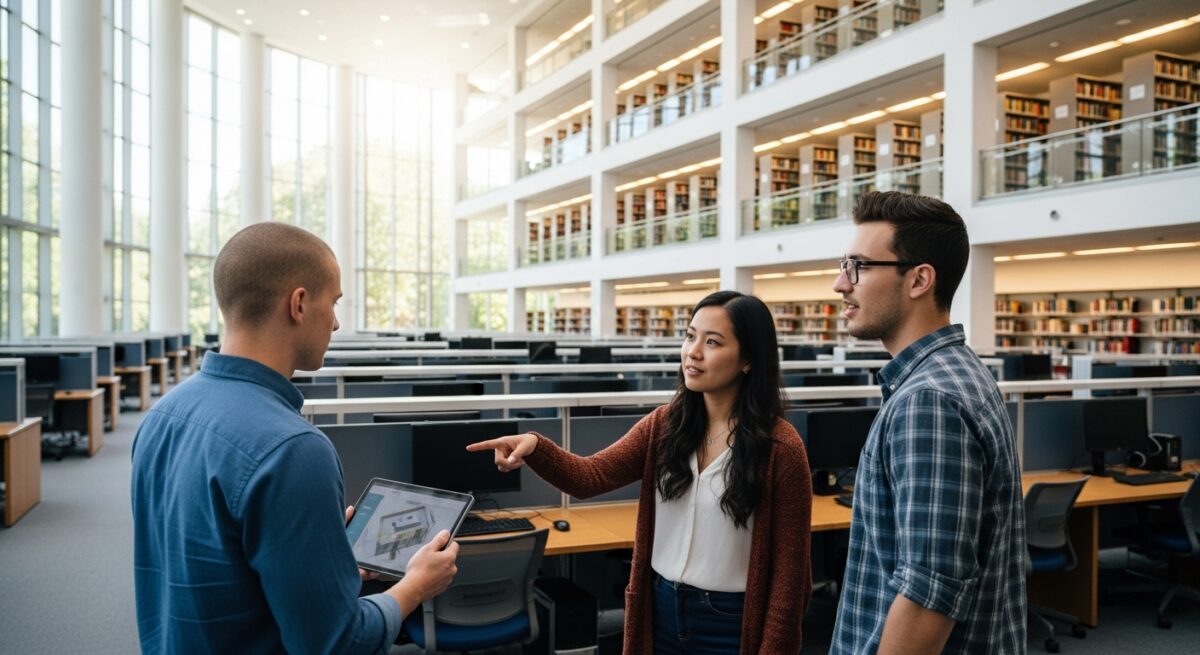
Choosing a college is about more than just academic rankings and tuition costs. The quality of campus facilities directly shapes your daily life, learning effectiveness, and overall well-being for the next several years. Yet, many students and families overlook this critical aspect during the selection process, focusing instead on brochures and prestige. A modern, well-maintained, and student-centered campus environment is not a luxury, it’s a fundamental component of a successful and enriching higher education experience. This guide provides a comprehensive framework for evaluating campus facilities quality, moving beyond superficial tours to assess the spaces that will become your home, library, gym, and laboratory.
Why Campus Facilities Matter More Than You Think
The physical environment of a college campus is a silent partner in your education. High-quality facilities support academic achievement by providing the tools and spaces necessary for deep learning and innovation. They influence student health and wellness through recreational areas, dining options, and residential comfort. Furthermore, they foster community and connection, which are vital for retention and personal growth. When facilities are outdated, inaccessible, or poorly maintained, they create daily friction that can hinder academic performance and diminish student satisfaction. Evaluating these spaces is therefore not a secondary concern but a primary due diligence step for any prospective student. It’s an investment in your daily quality of life and your long-term academic outcomes.
A Framework for Your Campus Evaluation
To conduct a thorough assessment, you need a structured approach. Rather than being overwhelmed by the sheer size of a campus, break down your evaluation into key facility domains. This method allows you to compare institutions objectively and identify potential red flags or standout features. The following framework covers the essential areas that impact the student experience most directly. Remember, the goal is to see these facilities not as a tourist, but as a future resident and user. Ask yourself: Could I study, live, and thrive here every day for four years?
Academic and Learning Infrastructure
This domain is the heart of your educational mission. Begin with the libraries. Look beyond the number of books. Evaluate the variety and availability of study spaces: are there silent floors, collaborative group study rooms, comfortable casual seating, and accessible power outlets everywhere? Check the hours of operation, especially during finals periods. Next, inspect the buildings housing your intended major. For a science student, modern laboratories with up-to-date equipment are non-negotiable. For an arts student, studio space, practice rooms, and performance venues are critical. Examine classroom technology: are projectors, sound systems, and digital whiteboards standard and functional? The condition of academic buildings speaks volumes about an institution’s commitment to investing in its core educational mission. For students navigating degree options, understanding how facilities support specific programs is crucial, and resources offering school‑level degree guidance can help align your academic goals with the right campus infrastructure.
Residential and Dining Facilities
Your dorm room and dining hall are your home base. When touring residence halls, assess both the new and older buildings. Key factors include room size, storage options, furniture condition, and climate control. Are communal kitchens, laundry facilities, and social lounges clean and well-kept? Crucially, investigate bathroom arrangements (communal vs. suite-style) and their cleanliness. Safety features like secure entry systems and resident advisors on each floor are mandatory. For dining, variety, quality, and accessibility are paramount. Look for multiple dining halls with diverse menus, accommodations for dietary restrictions (allergies, vegan, halal, etc.), and flexible meal plan options. Check if dining hours align with student schedules, including late-night options. The quality of residential and dining facilities has a profound impact on student health, social integration, and overall happiness.
Student Wellness and Recreation Centers
A college that prioritizes student well-being invests in its recreation and health facilities. A modern campus recreation center should offer more than just a few treadmills. Evaluate the range of cardio and strength equipment, the size and condition of group fitness studios, and the availability of amenities like an indoor track, climbing wall, or swimming pool. Equally important is the student health center. Inquire about the services offered (primary care, mental health counseling, pharmacy), the qualifications of staff, appointment availability, and how services are covered by student fees or insurance. The integration of mental health resources within wellness facilities is a strong positive indicator of a supportive campus culture.
Key Indicators of Quality and Investment
Beyond inspecting individual buildings, look for broader signs of institutional commitment to facilities. One of the most telling indicators is maintenance and cleanliness. Peeling paint, broken fixtures, littered grounds, and malfunctioning equipment suggest deferred maintenance and poor operational management. Conversely, well-kept landscapes, clean common areas, and promptly repaired items show pride and care. Another critical factor is accessibility and inclusivity. Facilities should be universally designed, going beyond minimum legal requirements. Look for automatic doors, ramps, elevators in all multi-story buildings, accessible bathroom stalls, and clear wayfinding signage for visually impaired individuals. Technology integration is also a major differentiator. A quality campus provides robust, campus-wide Wi-Fi, digital learning management systems, online room reservation tools for study spaces, and smart classroom technology. Finally, observe sustainability initiatives, such as LEED-certified buildings, visible recycling and composting programs, and water conservation fixtures. These demonstrate forward-thinking planning and operational efficiency.
When compiling your observations, consider the following checklist of non-negotiable items to investigate during any campus visit or virtual tour:
- Wi-Fi Reliability: Test connectivity in libraries, dorms, and common areas.
- Study Space Availability: Count the number of open seats during a typical weekday afternoon.
- Equipment Modernity: In labs and gyms, check the age and condition of key equipment.
- Cleanliness Standards: Inspect restrooms, dining hall kitchens (if visible), and dormitory common areas.
- Accessibility Features: Ensure all essential services are reachable without barriers.
Asking the Right Questions During Your Visit
A guided tour will highlight strengths, but your own questions will reveal the truth. Direct your queries to both tour guides and, more importantly, to current students you meet casually. Ask them about their lived experience. Sample questions include: “How often do you struggle to find a quiet place to study?” “What is the most common complaint about the dorms?” “How responsive is maintenance when something breaks?” “Do you feel the recreation center meets student demand, especially at peak hours?” For administrative staff, ask about the campus master plan: “What major facilities projects are planned or underway in the next five years?” This reveals if the institution is continuously improving or resting on its laurels. Also, inquire about student involvement in facilities planning, which shows whether the administration values user feedback.
Frequently Asked Questions
How much weight should I give to campus facilities quality versus academic reputation?
They are deeply interconnected. A strong academic reputation is built, in part, on the resources that enable research and learning. While academic rigor is paramount, poor facilities can actively undermine your ability to engage with that rigor. Balance is key: a top-tier program in a facility-poor environment may still be worth it, but you must go in aware of the trade-offs in daily life.
Can I evaluate campus facilities quality during a virtual tour?
Yes, though with some limitations. Participate in live virtual tours and ask guides to show specific areas like study nooks, lab equipment, or dorm room details. Utilize campus YouTube channels, which often have student-led facility walkthroughs. Scour the college’s official social media accounts and student-run subreddits for unfiltered photos and comments about facility conditions, especially regarding maintenance issues.
What is a major red flag in campus facilities?
Systemic neglect is the biggest warning sign. This includes multiple buildings with visible decay (water stains, cracked windows, outdated HVAC systems), consistently broken equipment in labs or gyms, and public spaces that are dirty or poorly lit. Another red flag is a significant disparity between showcase buildings (for donors) and the facilities used by most undergraduates daily.
Do newer facilities always mean better quality?
Not necessarily. A shiny new building is attractive, but quality is also defined by functionality, maintenance, and how well it serves student needs. A beautifully maintained historic building with excellent interior updates can offer a superior environment to a poorly designed new one. Focus on the condition, technology, and usability of the space, not just its age.
How do facilities impact the value of my degree?
Indirectly but significantly. Facilities that support cutting-edge research, collaborative projects, and skill development (like advanced labs or studios) enhance your learning and make you more competitive post-graduation. Furthermore, a positive campus experience contributes to higher retention and graduation rates, which can positively influence the perceived value of your alma mater’s degrees over time.
Ultimately, evaluating campus facilities quality is an exercise in envisioning your future daily life. It requires looking past the marketing to see the operational reality of the institution. By applying a structured framework, asking probing questions, and trusting your observations, you can identify a campus that doesn’t just house your education, but actively enhances it. The right facilities will support your academic ambitions, nurture your well-being, and provide a foundation for a memorable and successful college journey.