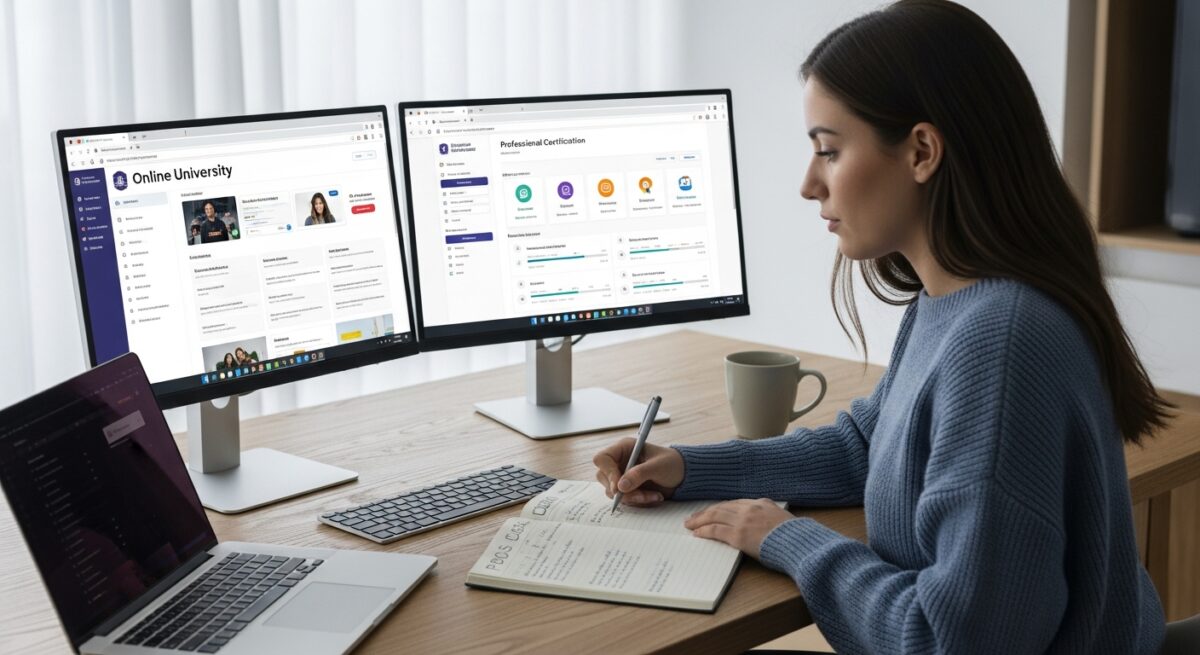
Choosing the right web-based program, whether for an online degree, a professional certification, or a skill-building course, is a significant decision that can shape your career and personal development. The digital landscape is saturated with options, each promising flexibility, quality, and career advancement. However, not all online programs are created equal. A superficial glance at a website or a quick price check is insufficient. A truly effective comparison requires a structured, deliberate approach that peels back the marketing layers to examine the core elements that will impact your learning experience, your wallet, and your future. This comprehensive guide provides the framework you need to move beyond simple browsing and perform a deep, meaningful analysis of web-based educational offerings.
Establishing Your Personal Comparison Criteria
Before you even begin to look at specific schools or platforms, you must define your own non-negotiable criteria. This foundational step transforms your search from a reactive process into a targeted mission. What are you truly seeking? Is the primary goal career advancement within your current field, a complete career pivot, or personal enrichment? Your objective will immediately filter out a vast number of irrelevant programs.
Next, conduct an honest self-assessment of your logistics and learning style. How many hours per week can you realistically dedicate, accounting for work, family, and other commitments? Do you thrive in a structured environment with weekly live sessions, or do you need the absolute flexibility of asynchronous, on-demand content? Understanding these personal parameters is crucial. For instance, a working parent might prioritize asynchronous learning, while someone seeking a cohort-based experience might look for programs with scheduled virtual collaborations. Finally, establish a clear budget range. Look beyond just tuition; consider technology requirements, textbook fees, and potential residency costs. Knowing your limits upfront prevents the heartache of finding a perfect program that is financially out of reach.
The Pillars of a Rigorous Program Evaluation
Once you have a shortlist of programs that align with your personal criteria, the real investigative work begins. This phase involves scrutinizing several critical pillars that define program quality and legitimacy.
Accreditation and Institutional Reputation
This is the non-negotiable cornerstone of your evaluation, especially for degree programs. Accreditation is a process of external quality review conducted by recognized agencies to ensure an institution meets accepted standards. Regional accreditation is the gold standard for colleges and universities in the United States. It is essential for ensuring your degree will be respected by employers and other institutions, and it is a prerequisite for receiving federal financial aid. Always verify accreditation status directly on the institution’s website or through the Council for Higher Education Accreditation (CHEA) database. Never take a third-party site’s word for it. Reputation extends beyond accreditation to include faculty credentials, history, and alumni success stories. A program housed within a well-established university often carries a different weight than one from a standalone online entity.
Curriculum, Faculty, and Learning Technology
Dig deep into the course catalog and syllabi. Does the curriculum cover the specific, modern skills you need? Look for programs that balance theoretical knowledge with practical, applied projects. Examine the faculty list. Are courses taught by experienced practitioners in the field, or primarily by adjuncts? Faculty expertise directly influences the relevance of your education. The technology platform is your virtual campus. Investigate the Learning Management System (LMS)—like Canvas, Blackboard, or a proprietary system. Is it intuitive and mobile-friendly? What tools are integrated for interaction? For example, a strong program might leverage tools like virtual reality for immersive simulations in a science education master’s program, or collaborative whiteboards for business strategy sessions. The quality of this digital environment is paramount to your daily experience.
Analyzing Cost, Value, and Student Support
The total cost of a web-based program is frequently more than the advertised tuition per credit. A meticulous financial analysis is required to avoid surprises and assess true value. Start by calculating the all-in cost: tuition, mandatory fees, technology or platform fees, books and software, and any required on-campus intensives. Then, explore financial aid options exhaustively—federal loans, institutional scholarships, payment plans, and employer tuition reimbursement programs.
Value is cost relative to outcomes. To gauge this, you must investigate the student support ecosystem. A robust program offers far more than just video lectures. Key support services to look for include:
- Dedicated Technical Support: 24/7 helpdesk for LMS and access issues.
- Academic Advising: Proactive guidance on course selection and degree progression.
- Career Services: Resume reviews, virtual career fairs, internship placement, and alumni networking portals specifically for online students.
- Online Library & Tutoring: Full remote access to academic journals, e-books, and live online tutoring sessions.
- Student Community: Organized virtual study groups, discussion forums, and social events to combat isolation.
Programs that invest in these areas demonstrate a commitment to student success beyond mere content delivery. The return on investment is higher when the institution actively supports your journey from enrollment to graduation and career advancement.
Making the Final Decision and Enrolling Confidently
After collecting data on your top contenders, organize it into a comparison matrix. Create a simple spreadsheet with rows for each program and columns for your key criteria: cost, accreditation, format, support services, etc. This visual side-by-side analysis will make strengths and weaknesses starkly apparent. Numbers and facts are vital, but qualitative insights are equally important. Reach out to admissions counselors with specific, prepared questions. More importantly, insist on speaking with a current student or a recent alumnus. Their unfiltered perspective on workload, faculty responsiveness, and the value of the credential is invaluable.
Trust your research but also listen to your intuition. Which program’s culture and communication style felt most responsive and supportive? The admissions process itself is a telling indicator of the student experience to come. Finally, before you commit, review all enrollment documents meticulously. Understand the withdrawal and refund policy, the process for transferring credits, and the terms of any financial agreement. A careful approach to evaluating a digital degree program before you enroll is your best insurance against disappointment. Your goal is not just to find a program, but to find the right partnership for your educational journey.
Selecting a web-based program is an investment in your future self. By moving beyond a simple price and feature checklist to a deep evaluation of accreditation, curriculum, support, and cultural fit, you empower yourself to make a choice with confidence. The right program will not only provide knowledge but will also offer a supportive, engaging, and professionally relevant pathway to achieving your goals. Your diligence today lays the foundation for your success tomorrow.