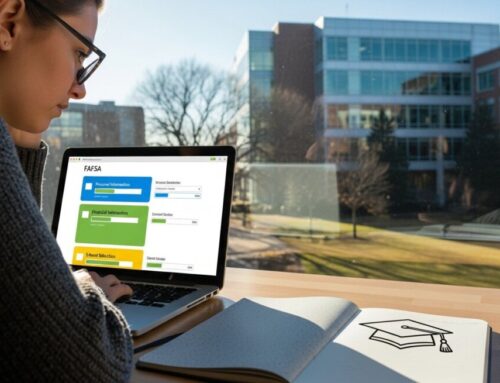
Choosing the right online graduate degree is a pivotal decision that can accelerate your career, expand your expertise, and open doors to new opportunities. However, the digital landscape of higher education is vast and varied, with hundreds of universities offering programs in seemingly similar fields. The challenge isn’t finding options, it’s finding the right option for your unique professional goals, learning style, and life circumstances. A strategic, informed comparison is the only way to cut through the noise and invest in a degree that delivers genuine, lasting value. This process moves far beyond a simple tuition price check. It requires a deep dive into accreditation, curriculum relevance, faculty expertise, technological delivery, and the nuanced return on investment. By systematically evaluating these factors, you transform from a passive browser into an empowered decision-maker, ready to select a program that aligns perfectly with your ambitions.
Establishing Your Personal Evaluation Framework
Before you even look at the first program website, you must establish your personal criteria. What are you truly seeking from this advanced degree? Is your primary goal a promotion within your current field, a complete career pivot, or the acquisition of specialized skills like data science or AI? Your objective will dictate which program elements you prioritize. For a career pivot, a program’s industry connections and career support services might be paramount. For skill acquisition, the specific courses, software access, and project-based learning opportunities take center stage.
Equally critical is an honest assessment of your logistics. How much time can you realistically dedicate each week? Do you need maximum flexibility with asynchronous classes, or would you benefit from the structure of scheduled live sessions? What is your total budget, including not just tuition but also fees, books, and technology? Defining these parameters upfront creates a filter that will immediately narrow your search to manageable, relevant possibilities. It prevents you from being swayed by prestigious names or attractive marketing for programs that are ultimately a poor fit for your life.
The Core Pillars of Program Comparison
With your personal framework in place, you can begin the substantive work of comparing programs across several non-negotiable pillars. These are the areas where superficial similarities between online graduate degrees break down, revealing critical differences in quality and outcome.
Accreditation and Academic Reputation
This is the non-negotiable foundation. Regional accreditation is the gold standard for U.S. institutions, assuring that the university meets rigorous educational standards. For professional degrees like an MBA, MS in Nursing, or Master’s in Engineering, specialized programmatic accreditation adds another layer of credibility, signaling that the curriculum meets industry-specific standards. A degree from a properly accredited institution is essential for the transfer of credits, employer recognition, and eligibility for federal financial aid. Beyond the official seal, consider the program’s reputation within your target industry. Research faculty credentials, the success of alumni, and any rankings or recognitions specific to the department.
Curriculum Design and Specializations
Two programs with the same name can have radically different curricula. Scrutinize the required courses and elective options. Does the curriculum cover the cutting-edge tools and theories you need? For example, an online MBA with a strong digital marketing focus will look very different from one geared toward healthcare administration. Look for programs that offer relevant specializations or concentrations that allow you to tailor the degree. Furthermore, assess the balance between theoretical knowledge and practical application. Programs that incorporate real-world case studies, simulations, virtual labs, or capstone projects provide invaluable hands-on experience that employers value. A strategic approach to this review is vital, as outlined in our resource on how to evaluate online degree curricula strategically.
Delivery Format and Student Support
The “online” experience is not monolithic. Delivery formats fall on a spectrum:
- Asynchronous: Complete coursework on your own schedule within weekly deadlines. Offers maximum flexibility.
- Synchronous: Attend live, scheduled virtual classes. Provides more structure and real-time interaction.
- Hybrid: Combine online learning with occasional on-campus intensives or residencies.
Your choice should align with your learning style and schedule. Equally important is the suite of student support services. A robust online program provides dedicated technical support, access to online libraries and writing centers, career counseling, and proactive academic advising. These services are crucial for online student success and are a key differentiator between a bare-bones program and a supportive educational community.
Evaluating Cost, Value, and Long-Term Return
Tuition is a major factor, but it must be analyzed in context. When you compare online graduate degrees, you must calculate the total cost of attendance. This includes:
- Cost per credit hour and total program credits
- Technology fees, graduation fees, and other mandatory charges
- Cost of textbooks, software, or required materials
- Potential residency or on-campus costs (for hybrid programs)
With this total figure, investigate all financial aid options: federal loans, scholarships, grants, and employer tuition reimbursement programs. Some universities offer lower tuition rates for online students or for in-state residents regardless of location. The ultimate question is one of value, not just price. A slightly more expensive program from a well-regarded institution with strong career outcomes may offer a far higher return on investment than the cheapest option. Research average salary increases for graduates, promotion rates, and the strength of the alumni network.
The Final Step: Gathering Intangible Insights
Once you have narrowed your list to two or three top contenders, seek out qualitative insights that go beyond the brochure. This due diligence can be the most revealing part of your comparison.
First, if possible, request to speak with a current student and a graduate of the program. Prepare questions about their experience with faculty responsiveness, the workload rigor, the usefulness of the career center, and how the degree impacted their career. Second, attend a virtual open house or information session. This allows you to interact with admissions staff and sometimes faculty, get a feel for the program’s culture, and ask specific questions. Finally, scrutinize the program’s technological platform. Can you access a demo course? Is the learning management system (like Canvas or Blackboard) intuitive and mobile-friendly? The user experience of the platform directly affects your daily learning.
By following this comprehensive framework, you move from a overwhelmed prospect to a confident applicant. You are not just choosing a school, you are strategically investing in the next chapter of your professional life. The effort you put into a thorough comparison ensures that your investment of time, money, and energy yields the maximum possible return in knowledge, credentials, and opportunity. For a deeper dive into actionable steps for this analysis, our guide on effective online degree program comparison provides further detailed strategies.
Selecting an online graduate degree is a significant commitment, but it is one you can make with confidence. By defining your goals, meticulously comparing the critical pillars of accreditation, curriculum, delivery, and cost, and then seeking out the authentic student experience, you empower yourself to make an informed choice. The right program is out there, waiting to equip you with the advanced skills and credentials to achieve your professional vision. Your journey begins not with an application, but with a thoughtful, thorough comparison.