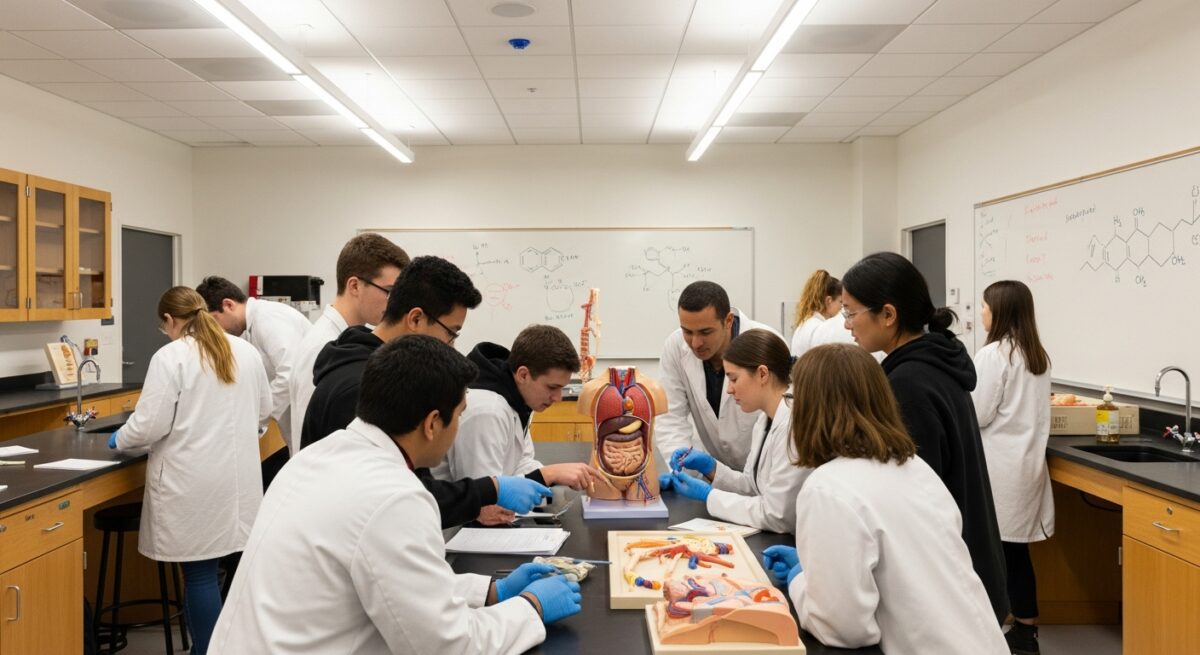
Choosing the right undergraduate institution is one of the most consequential decisions a future doctor can make. The path to medical school demands rigorous academic preparation, meaningful clinical experience, and strong mentorship. While many students focus solely on GPA and MCAT scores, the quality of your pre-medical education can significantly influence your competitiveness as an applicant. The best pre-med schools and programs provide a structured curriculum, dedicated advising, research opportunities, and a track record of successful medical school placements. This article examines what makes a pre-med program exceptional and highlights key factors to consider during your search.
What Defines a Strong Pre-Med Program?
Not all universities with a biology department offer genuine pre-med support. A strong pre-med program goes beyond standard science courses. It includes specialized advising for medical school applications, pre-health committees that write composite letters of evaluation, and connections to clinical shadowing and volunteer opportunities. Good pre med schools also offer a supportive peer network through pre-med clubs and honor societies. The institutional commitment to pre-health students is often visible through dedicated pre-med advisors who understand the nuances of AMCAS, TMDSAS, and AACOMAS applications.
Additionally, the best pre med programs maintain high standards in foundational sciences like biology, chemistry, physics, and mathematics. Medical schools expect applicants to demonstrate mastery in these areas. Programs that offer small class sizes, active learning environments, and undergraduate research integration tend to produce stronger applicants. When evaluating schools, look for those where pre-med students have access to faculty mentors who can write detailed, personal letters of recommendation.
Key Features of Top Pre-Med Institutions
When researching undergraduate options, consider these critical features that distinguish exceptional pre-medical education:
- Dedicated pre-health advising office with experienced advisors who meet with students individually
- Formal pre-medical committee that composes and submits composite evaluation letters
- Undergraduate research opportunities in life sciences, often with faculty mentorship and publication potential
- Clinical exposure programs including partnerships with local hospitals, clinics, and free health centers
- Strong medical school acceptance rates compared to national averages (typically above 60 percent)
These elements create a comprehensive environment where students can develop academically, clinically, and personally. Schools that invest in these resources demonstrate a genuine commitment to pre-medical education. For example, institutions with dedicated pre-med tracks often have structured timelines for completing prerequisites, taking the MCAT, and submitting applications. This structure reduces the overwhelm that many pre-med students experience when navigating the process independently.
In our guide on Top Pre Med Schools for Future Doctors in 2025, we explore specific institutions with outstanding pre-medical outcomes and the unique advantages they offer.
Liberal Arts Colleges vs. Large Research Universities
One of the most common debates among pre-med students is whether to attend a small liberal arts college or a large research university. Both pathways can lead to medical school, but they offer different advantages. Liberal arts colleges typically provide smaller class sizes, closer faculty relationships, and a focus on critical thinking and communication skills. These attributes often result in stronger letters of recommendation and more personalized advising. Many liberal arts graduates achieve medical school acceptance rates that exceed national averages.
Large research universities, on the other hand, offer extensive research facilities, diverse course offerings, and access to major medical centers. Students at these institutions may find it easier to secure research assistant positions and gain exposure to cutting-edge biomedical science. However, large universities can also present challenges such as large introductory science courses, competitive grading curves, and less individualized attention. The best choice depends on your learning style, career goals, and preference for academic environment.
Hybrid Approaches
Some students choose universities that combine the strengths of both models. For instance, universities with undergraduate colleges within larger research institutions offer small learning communities while providing access to extensive resources. Honors programs and pre-medical scholars tracks often deliver this blended experience. When evaluating options, consider how each school’s structure aligns with your need for mentorship, research opportunities, and clinical exposure.
Evaluating Medical School Acceptance Rates
A program’s medical school acceptance rate is one of the most concrete indicators of its effectiveness. The national average for medical school acceptance hovers around 40 to 45 percent. Good pre med schools typically report acceptance rates between 50 and 80 percent. Some elite undergraduate institutions achieve rates above 80 percent, though these numbers often reflect self-selection by highly motivated and well-prepared students.
It is important to interpret these statistics critically. A high acceptance rate may result from rigorous screening of incoming students rather than superior preparation. Conversely, a moderate acceptance rate at a school with open admissions may indicate strong value-added support. When researching, ask admissions offices for their five-year average acceptance rate and the average MCAT and GPA of accepted students from their institution. This data provides a more complete picture of program effectiveness.
Curriculum and Prerequisite Alignment
Medical schools require specific prerequisite courses, typically including one year each of biology, general chemistry, organic chemistry, physics, and English or writing-intensive courses. Many schools also recommend or require biochemistry, psychology, sociology, and statistics. The best pre-med schools and programs align their curricula with these requirements, offering courses that satisfy medical school prerequisites while also preparing students for the MCAT.

Some institutions offer pre-medical majors or concentrations that automatically fulfill all standard prerequisites. Others require students to complete a major in a traditional science field while adding pre-med requirements. Both approaches can work, but it is essential to verify that your chosen school offers all necessary courses on a regular schedule. Programs that guarantee access to high-demand prerequisite courses prevent delays in application timelines.
Research and Clinical Opportunities
Medical schools value applicants who have demonstrated curiosity and commitment through research and clinical experiences. Undergraduate research can take many forms, from summer research programs to semester-long independent projects. Institutions with strong research infrastructures often have dedicated undergraduate research offices that help students find positions in labs. Some schools even require a capstone research project for pre-med students.
Clinical experience is equally important. Look for programs with established partnerships with teaching hospitals, community clinics, and global health initiatives. Volunteer opportunities at free clinics, hospice centers, and emergency rooms provide direct patient contact that strengthens applications. The best pre med programs actively facilitate these experiences rather than leaving students to find them independently.
For additional guidance on navigating the pre-medical pathway, visit CollegeDegree.School for resources on degree planning, admissions strategies, and career exploration in healthcare.
Cost Considerations and Financial Aid
Medical school tuition is substantial, and undergraduate costs add to the financial burden. When evaluating pre-med programs, consider total cost of attendance and available financial aid. Some private liberal arts colleges offer generous merit scholarships that can make them more affordable than public universities. Conversely, in-state public universities often provide excellent pre-medical education at lower tuition rates.
Remember that medical school admissions committees consider undergraduate GPA and MCAT scores more heavily than institutional prestige. Attending a less expensive school that allows you to graduate with minimal debt may be a smarter financial decision, especially if the program offers strong academic support and advising. Avoid taking on excessive undergraduate debt that will compound with medical school loans.
Frequently Asked Questions
What undergraduate major is best for pre-med?
There is no single best major for pre-med students. While many choose biology, chemistry, or biochemistry, medical schools accept applicants from all majors. The key is completing prerequisite courses while pursuing a major that interests you. Humanities and social science majors often bring unique perspectives to medicine and can perform well on the MCAT if they complete science prerequisites.
Do medical schools prefer certain undergraduate institutions?
Medical schools evaluate applicants holistically and do not maintain formal lists of preferred undergraduate institutions. However, they are familiar with programs that consistently produce well-prepared applicants. Attending a school with a strong pre-medical track record can provide advantages through advising, research opportunities, and letter writing services. Ultimately, your individual performance matters more than institutional prestige.
How important is undergraduate research for medical school?
Research experience is increasingly valued by medical schools, particularly for MD-PhD programs and competitive MD programs. It demonstrates intellectual curiosity, scientific thinking, and perseverance. However, clinical experience and community service are equally important. A balanced application with meaningful experiences in multiple areas is ideal.
Can I complete pre-med requirements at a community college?
Many medical schools accept prerequisite courses completed at community colleges, though some prefer courses taken at four-year institutions. If you plan to take community college courses, verify with target medical schools whether they accept transfer credit for prerequisites. Taking science prerequisites at a four-year institution may strengthen your application by demonstrating ability in a rigorous academic environment.
Final Thoughts on Selecting a Pre-Med Program
Finding the best pre-med schools and programs requires careful research and honest self-assessment. Prioritize institutions that offer strong academic foundations, dedicated pre-medical advising, research and clinical opportunities, and a supportive community. Consider cost, location, and culture as practical factors that will affect your daily experience. Remember that your undergraduate years are not just a stepping stone to medical school. They are an opportunity to grow as a thinker, a scientist, and a future physician. Choose a program that challenges and supports you, and you will be well prepared for the journey ahead.