Choosing the right nursing school is one of the most consequential decisions you can make for your healthcare career. With thousands of programs across the United States, each offering different degrees, clinical placements, and outcomes, the process can feel overwhelming. However, understanding what separates the best nursing schools and programs from average ones can help you find a path that aligns with your goals, budget, and lifestyle. The demand for registered nurses continues to grow, and a quality education is the foundation for a stable, rewarding profession. This article provides a clear framework for evaluating your options and making an informed choice.
What Defines the Best Nursing Schools and Programs
Top nursing schools share several key characteristics that directly impact student success and career readiness. Accreditation is the most critical factor. Programs accredited by the Commission on Collegiate Nursing Education (CCNE) or the Accreditation Commission for Education in Nursing (ACEN) meet rigorous academic standards. Graduation rates, NCLEX-RN pass rates, and job placement statistics also separate excellent programs from mediocre ones. For example, the best nursing schools often report NCLEX pass rates above 90 percent, which indicates strong curriculum and faculty support.
Another defining feature is clinical placement support. Many good nursing schools have established partnerships with hospitals, clinics, and community health centers. These relationships ensure students gain hands-on experience in diverse settings. Additionally, faculty qualifications matter. Programs with experienced instructors who hold advanced degrees and maintain clinical practice bring real-world insights into the classroom. Finally, the best nursing schools and programs offer flexible scheduling options, including accelerated tracks, part-time study, and online coursework, to accommodate working adults and career changers.
Types of Nursing Degrees and Programs
Understanding the different degree pathways helps you match your education to your career aspirations. Each level of nursing education leads to distinct roles, responsibilities, and earning potential. The table below summarizes the most common nursing degrees and their key characteristics.
| Degree Type | Typical Duration | Primary Career Path |
|---|---|---|
| Certified Nursing Assistant (CNA) | 4-12 weeks | Entry-level patient care |
| Licensed Practical Nurse (LPN/LVN) | 12-18 months | Basic nursing care under RN supervision |
| Associate Degree in Nursing (ADN) | 2 years | Registered Nurse (RN) in hospitals |
| Bachelor of Science in Nursing (BSN) | 4 years | RN with leadership and research opportunities |
| Accelerated BSN (ABSN) | 12-18 months | Second-degree students becoming RNs |
| Master of Science in Nursing (MSN) | 2-3 years | Nurse practitioner, educator, administrator |
| Doctor of Nursing Practice (DNP) | 3-4 years | Advanced practice and executive leadership |
Many top nursing schools now emphasize the BSN as the standard for entry-level practice. Hospitals seeking Magnet status often prefer BSN-prepared nurses. If you already hold a bachelor’s degree in another field, an accelerated BSN program offers a fast track to nursing. Graduate programs, including MSN and DNP pathways, prepare nurses for specialized roles such as nurse practitioner, nurse anesthetist, or clinical nurse leader. When evaluating programs, consider your long-term career goals and choose a degree that provides room for advancement.
How to Evaluate Top Nursing Schools
When researching potential schools, focus on measurable outcomes rather than reputation alone. Begin by checking each program’s NCLEX-RN pass rate. State boards of nursing publish this data, and rates above the national average (currently around 85 percent) indicate strong preparation. Next, review graduation rates and job placement statistics. The best nursing schools and programs typically place 90 percent or more of graduates within six months of licensure.
Consider the following factors during your evaluation:
- Accreditation status: Verify CCNE or ACEN accreditation through the respective organization’s website.
- Clinical rotation variety: Look for partnerships with multiple healthcare facilities to gain broad experience.
- Faculty credentials: Instructors with advanced degrees and active clinical practice enhance learning.
- Student support services: Tutoring, academic advising, and mental health resources improve retention.
- Cost and financial aid: Compare tuition, fees, and scholarship opportunities across programs.
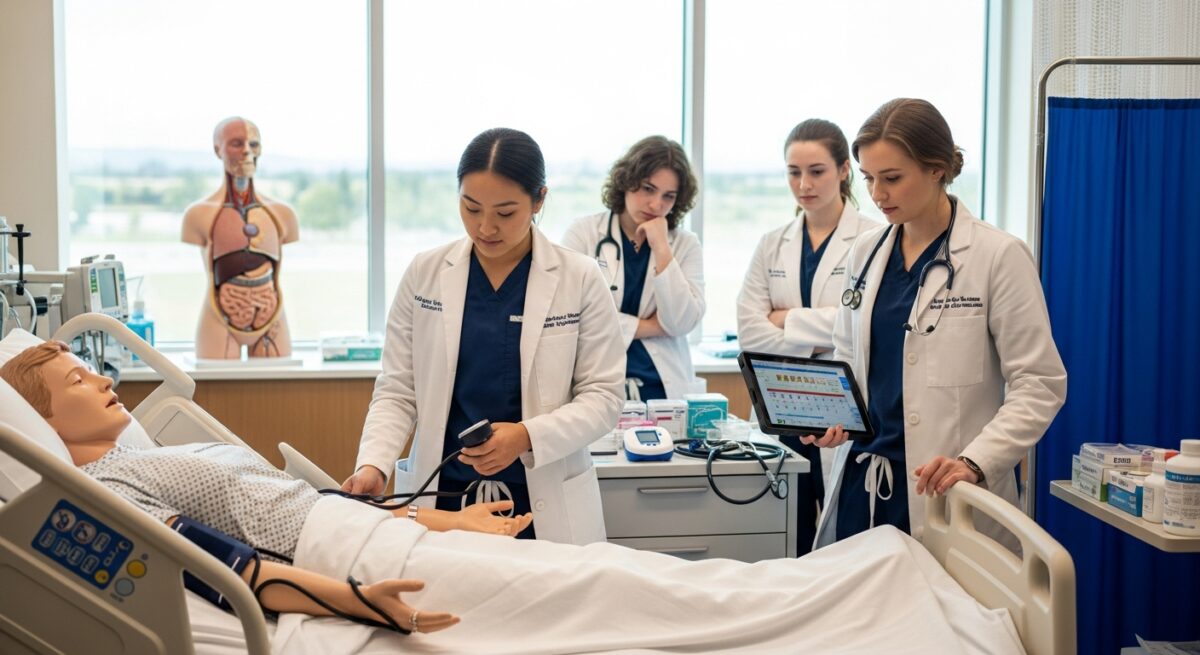
After gathering this information, visit campuses or attend virtual open houses. Speaking with current students and alumni provides honest perspectives on program strengths and challenges. Many good nursing schools also offer simulation labs with high-fidelity mannequins, which allow students to practice skills in a safe environment before working with real patients. These facilities indicate institutional investment in student success.
Online and Hybrid Nursing Programs
The rise of online education has expanded access to nursing degrees, especially for students who need flexibility. Many top nursing schools now offer fully online or hybrid programs for BSN completion, MSN, and doctoral degrees. Online coursework covers theory, research, and healthcare policy, while clinical hours are completed locally under approved preceptors. This model works well for working nurses seeking career advancement.
However, not all online programs maintain the same quality. When evaluating online options, confirm that the program holds regional accreditation and nursing-specific accreditation. Also, ask about clinical placement assistance. Some programs require students to find their own preceptors, which can be challenging. The best nursing schools and programs provide dedicated clinical coordinators who help arrange placements. For more detailed guidance on degree pathways across various fields, including nursing, refer to our guide to college degree programs by field and career path.
Technology also plays a role. Programs that use virtual simulations, interactive case studies, and online discussion boards create engaging learning experiences. If you are considering an online program, ensure you have reliable internet access and strong time-management skills. Many students find that a hybrid model, combining online theory with in-person labs, offers the best balance of flexibility and hands-on practice.
Specialized Nursing Programs and Certifications
Beyond general nursing degrees, many top nursing schools offer specialized tracks that prepare graduates for high-demand roles. Specializations allow you to focus on a particular patient population or clinical setting. Common specializations include pediatric nursing, critical care, oncology, psychiatric-mental health, and nurse midwifery. Graduate-level programs often require students to choose a specialty, while some BSN programs offer elective concentrations.

Certification in a specialty can enhance your resume and earning potential. For example, the American Nurses Credentialing Center (ANCC) offers certifications in areas like medical-surgical nursing, emergency nursing, and informatics. Before enrolling, research whether the program’s curriculum aligns with certification requirements. Some good nursing schools incorporate certification exam preparation into their coursework, saving you time and money after graduation. Additionally, dual-degree programs, such as MSN/MBA or MSN/MPH, prepare nurses for leadership roles in administration or public health.
Financial Considerations and Return on Investment
Nursing school costs vary widely based on institution type, degree level, and location. Public universities often offer lower tuition for in-state residents, while private schools may have higher sticker prices but also more scholarship funds. Community colleges provide affordable ADN programs, which can be a cost-effective first step. After earning an ADN, many nurses pursue RN-to-BSN programs online while working, spreading out the cost.
When calculating return on investment, consider starting salaries and job placement rates. According to the Bureau of Labor Statistics, registered nurses earn a median annual wage of over $80,000, with BSN-prepared nurses often earning more than ADN-prepared peers. Advanced practice nurses, such as nurse practitioners, earn six-figure salaries. The best nursing schools and programs provide transparent data on graduate earnings and debt levels. Use this information to estimate how long it will take to recoup your educational investment. Also, explore employer tuition reimbursement programs. Many hospitals offer financial assistance to nurses pursuing BSN or MSN degrees, reducing out-of-pocket costs.
Frequently Asked Questions
What is the fastest way to become a registered nurse?
An accelerated BSN program is the fastest route for individuals who already hold a bachelor’s degree in another field. These programs typically take 12 to 18 months of full-time study. For those without a prior degree, an ADN program takes about two years and leads to RN licensure.
How important is NCLEX pass rate when choosing a school?
Very important. The NCLEX pass rate reflects how well the program prepares students for the licensing exam. A pass rate above 90 percent indicates strong instruction and curriculum. Rates below 80 percent may signal problems with faculty or resources.
Can I work while attending nursing school?
Many students work part-time, especially in flexible programs like online RN-to-BSN or part-time evening cohorts. However, nursing school is demanding, with clinical rotations that may require daytime availability. Plan your schedule carefully and consider reducing work hours during intensive semesters.
What should I look for in an online nursing program?
Look for regional accreditation, nursing-specific accreditation (CCNE or ACEN), clinical placement support, and interactive learning tools. Read reviews from current students and alumni. Ensure the program meets licensure requirements in the state where you plan to practice.
Do all nursing schools require prerequisite courses?
Most BSN and MSN programs require prerequisites such as anatomy, physiology, microbiology, and statistics. Some schools allow you to complete prerequisites after admission, but completing them beforehand strengthens your application. Check each program’s specific requirements early in your search.
Making Your Final Decision
Selecting from the best nursing schools and programs requires balancing multiple factors: accreditation, outcomes, cost, location, and format. Start by identifying your career goals and preferred learning style. Then, research programs that match those criteria. Use the evaluation framework outlined above to compare schools objectively. Speak with admissions counselors, attend information sessions, and connect with alumni. Remember that the right program for someone else may not be the right one for you.
Ultimately, the best nursing school is the one that prepares you to pass the NCLEX, find a job quickly, and build a fulfilling career. Take your time, ask questions, and trust the process. The effort you invest now will pay dividends throughout your nursing career. For additional resources on degree options and educational planning, explore tools and guides on college financing to support your journey. With careful planning and determination, you can find a program that sets you up for success in this vital profession.