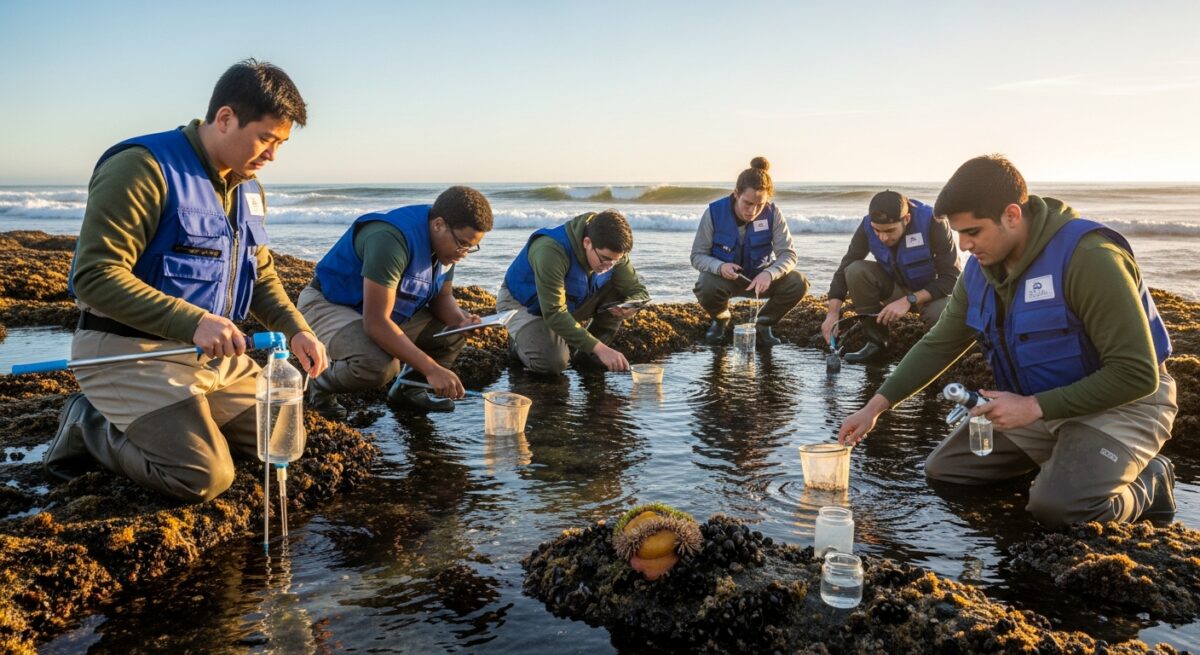
Choosing the right college is one of the most important decisions you can make when pursuing a career in marine biology. The ocean covers more than 70 percent of our planet, and the demand for skilled marine scientists continues to grow as we face challenges like climate change, ocean acidification, and the loss of biodiversity. Whether you dream of studying coral reefs in tropical waters, tracking whale migrations, or developing sustainable fisheries, the quality of your education will shape your entire career. This article explores the best marine biology colleges and programs available in the United States, offering practical guidance to help you find the right fit for your academic goals and professional aspirations.
Marine biology is a highly interdisciplinary field that combines biology, chemistry, physics, ecology, and oceanography. The strongest programs provide hands-on experience in the field and laboratory, access to cutting-edge research vessels and marine stations, and faculty who are active researchers. When evaluating schools, you should consider location, curriculum, research opportunities, internship placements, and career outcomes. The best marine biology colleges and programs also offer strong support for graduate school placement and job placement in government agencies, nonprofits, and private industry.
What Makes a Marine Biology Program Stand Out
Not all marine biology programs are created equal. Some universities are located directly on the coast with immediate access to marine environments, while others rely on partnerships with marine labs and field stations. The most respected programs share several key characteristics that set them apart from the rest.
First, faculty expertise matters immensely. Look for departments where professors are actively publishing research in peer-reviewed journals and securing external grants. These faculty members can offer mentorship, co-author papers with undergraduates, and write strong letters of recommendation. Second, the availability of field stations or marine laboratories is critical. Programs that own or operate a marine lab give students direct access to boats, sampling equipment, and living marine organisms for study. Third, curriculum breadth is important. The best programs require coursework in oceanography, statistics, and scientific communication alongside core biology classes.
To help you evaluate your options, here are five essential factors to consider when comparing marine biology programs:
- Location and access to marine habitats: Coastal schools with nearby bays, estuaries, coral reefs, or open ocean provide more field opportunities than inland programs.
- Undergraduate research opportunities: Programs that require or strongly encourage a senior thesis or independent research project give you a competitive edge for graduate school.
- Internship and career placement rates: Strong programs have dedicated career services and partnerships with NOAA, EPA, aquariums, and environmental consulting firms.
- Facilities and equipment: Look for well-equipped labs, research vessels, remotely operated vehicles (ROVs), and genetic sequencing technology.
- Graduate school preparation: The best programs have a track record of placing graduates into top marine science master’s and Ph.D. programs.
Beyond these factors, you should also consider class size and student-to-faculty ratio. Small classes allow for personalized mentorship and deeper engagement with research projects. Many of the best marine biology colleges and programs offer dedicated academic advisors who specialize in marine science, helping you choose courses and research experiences that align with your career goals.
Top Marine Biology Programs in the United States
University of California, Santa Barbara
UC Santa Barbara is widely regarded as one of the premier institutions for marine science in the world. The campus sits directly on the Pacific Ocean, and the university operates the Marine Science Institute, which houses state-of-the-art laboratories and research vessels. Undergraduate students can pursue a Bachelor of Science in Aquatic Biology or a Bachelor of Arts in Marine Science. The program emphasizes interdisciplinary research, and students regularly participate in studies on kelp forest ecology, ocean acidification, and marine conservation. Graduates from UCSB are highly sought after by graduate programs and employers in both the public and private sectors.
University of Washington
The University of Washington’s School of Aquatic and Fishery Sciences is one of the oldest and most respected marine biology programs in the country. Located in Seattle, UW offers students access to Puget Sound and the open Pacific Ocean. The program includes a strong focus on fisheries science, marine conservation, and ecosystem-based management. Undergraduate students can choose from several majors, including Marine Biology and Aquatic and Fishery Sciences. UW also operates the Friday Harbor Laboratories, a world-class marine station on San Juan Island where students can take intensive field courses and conduct independent research during the summer.
University of Miami
The University of Miami’s Rosenstiel School of Marine and Atmospheric Science is a top-ranked graduate school that also offers an outstanding undergraduate program. Located on Virginia Key in Biscayne Bay, the school provides direct access to coral reefs, mangrove forests, and deep ocean environments. The Bachelor of Science in Marine Biology and Ecology includes rigorous coursework in oceanography, marine ecology, and conservation biology. Students have the opportunity to participate in research cruises in the Bahamas and the Gulf of Mexico, and many graduates go on to work for NOAA, the National Park Service, and marine research institutes around the world.
University of California, San Diego (Scripps Institution of Oceanography)
Scripps Institution of Oceanography at UC San Diego is one of the oldest and largest centers for ocean research globally. Undergraduate students can major in Marine Biology through the Scripps Department of Biological Oceanography. The program offers unparalleled access to research vessels, a coastal marine laboratory, and the Birch Aquarium. Students can take classes in everything from marine mammal biology to deep-sea ecology. The rigorous curriculum prepares students for competitive graduate programs and careers in academic research, government agencies, and environmental consulting. For more guidance on selecting the right academic path, you can read our detailed overview on choosing the best medical colleges and programs for your future, which shares similar decision-making frameworks.
University of Hawaii at Manoa
The University of Hawaii at Manoa is uniquely positioned in the middle of the Pacific Ocean, giving students access to some of the most diverse marine ecosystems on Earth. The School of Ocean and Earth Science and Technology offers a Bachelor of Science in Marine Biology that emphasizes tropical marine ecology, coral reef biology, and Hawaiian marine conservation. The program benefits from the Hawaii Institute of Marine Biology, a research facility located on Coconut Island in Kaneohe Bay. Students can study everything from shark behavior to the effects of climate change on coral reefs, and the program has strong connections to the National Marine Fisheries Service and the Papahanaumokuakea Marine National Monument.

Northeastern University
Northeastern University’s Marine Biology program is unique because it combines academic rigor with a mandatory co-op program that places students in paid professional positions. Located in Boston, the university operates the Marine Science Center in Nahant, Massachusetts, which includes a public aquarium and research laboratories. Students can specialize in areas like marine conservation, aquaculture, or oceanography. The co-op program allows students to work for organizations such as the New England Aquarium, Woods Hole Oceanographic Institution, and federal agencies. This real-world experience gives Northeastern graduates a significant advantage when entering the job market or applying to graduate school.
University of Oregon
The University of Oregon offers a strong Marine Biology program through its Institute of Marine Biology, located in Charleston on the southern Oregon coast. The program emphasizes hands-on learning, with students spending significant time in the field studying rocky intertidal zones, estuarine habitats, and offshore waters. The curriculum includes courses in marine ecology, invertebrate zoology, and oceanography. The small program size allows for close mentorship and individualized research projects. Graduates of the program have gone on to successful careers in marine research, education, and policy.
How to Select the Right Program for Your Career Goals
Choosing among the best marine biology colleges and programs requires careful self-assessment of your career aspirations. If you want to work in academic research, you should prioritize programs with strong research track records and faculty who are actively publishing. If you are more interested in applied conservation or policy, look for programs that offer internships with government agencies and nonprofits. If you want to work in aquaculture or the private sector, seek programs that offer coursework in fisheries management, business, and entrepreneurship.
Another important consideration is whether you prefer a large research university or a smaller liberal arts college. Large universities like UC Santa Barbara and the University of Washington offer extensive resources, diverse faculty, and a wide range of course offerings. Smaller programs, such as those at the University of Oregon or Eckerd College, offer more personalized attention and closer mentorship. Both paths can lead to successful careers, so the best choice depends on your learning style and personal preferences.
Financial considerations also play a major role. Out-of-state tuition at public universities can be expensive, but many schools offer merit-based scholarships and research assistantships. Private universities like the University of Miami and Northeastern often have substantial financial aid packages. You should also consider the cost of living in different regions, as coastal cities tend to be more expensive. Our platform at CollegeDegree.Education provides additional resources to help you compare costs and find affordable programs that fit your budget.
Frequently Asked Questions
What is the difference between a BA and a BS in Marine Biology?
A Bachelor of Science (BS) typically requires more coursework in mathematics, chemistry, physics, and advanced biology, making it the better choice for students planning to attend graduate school or pursue research careers. A Bachelor of Arts (BA) often includes more flexibility for double majors or electives in the humanities and social sciences, which can be useful for careers in policy, education, or communication.
Do I need a graduate degree to work in marine biology?
Many entry-level positions in marine biology require at least a bachelor’s degree, but a master’s degree is often necessary for advancement into research or supervisory roles. Ph.D. degrees are typically required for university faculty positions and leadership roles in large research institutions. However, there are many rewarding careers in education, aquarium management, and conservation that are accessible with a bachelor’s degree and relevant experience.
Can I study marine biology at an inland college?
Yes, several inland colleges offer strong marine biology programs through partnerships with coastal field stations. For example, Ohio State University operates the Stone Laboratory on Lake Erie, and the University of Michigan has the Biological Station on Douglas Lake. These programs often require students to spend a semester or summer at a coastal facility to gain field experience.
What high school courses should I take to prepare for a marine biology degree?
Focus on taking four years of science, including biology, chemistry, and physics, along with four years of math through precalculus or calculus. Advanced Placement courses in these subjects are highly beneficial. Courses in statistics, environmental science, and computer science also provide a strong foundation for college-level marine biology.
Choosing the right marine biology program is the first step toward a fulfilling career exploring and protecting our oceans. The best marine biology colleges and programs provide rigorous academics, hands-on field experience, and strong professional networks. By carefully evaluating your options based on location, research opportunities, faculty expertise, and career outcomes, you can find the program that best aligns with your goals. Take the time to visit campuses, talk to current students and faculty, and explore the unique opportunities each school offers. With the right education and dedication, you can make a meaningful contribution to marine science and conservation.