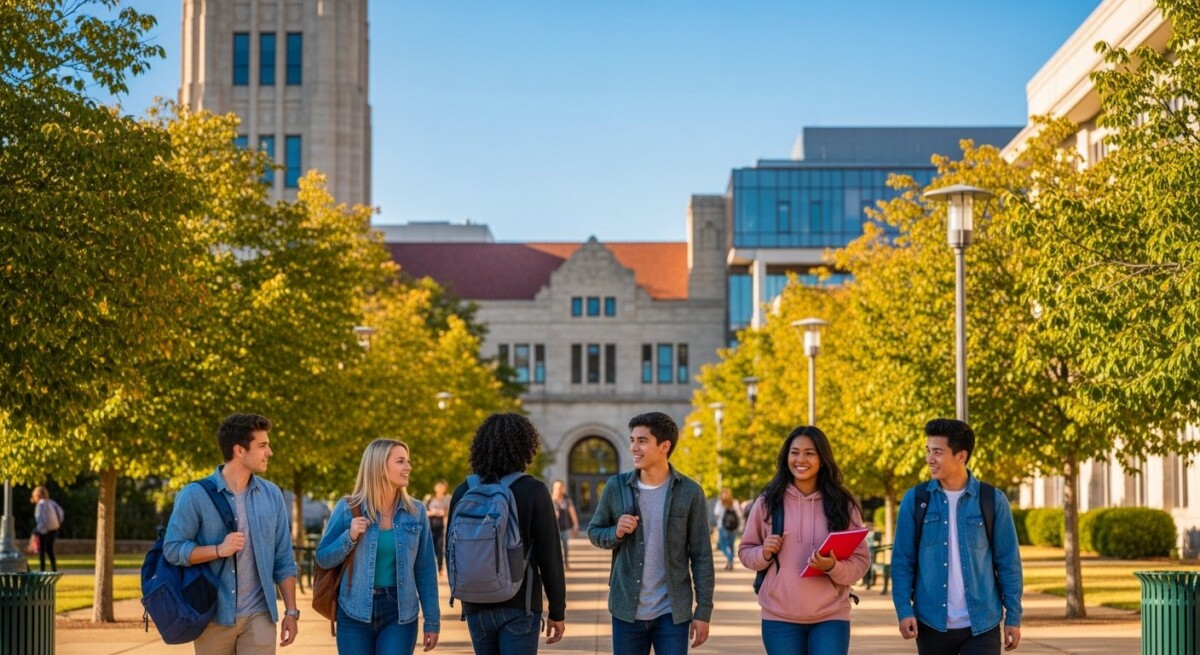
Selecting a college is one of the most significant decisions a person can make, shaping not just the next four years but the trajectory of an entire career and life. It is a choice layered with emotion, practicality, and profound consequence. Too often, students and families focus on a narrow set of criteria, like prestige or a single campus visit, without conducting a holistic evaluation that aligns an institution with the student’s unique academic goals, financial reality, and personal well-being. This process requires moving beyond rankings and brochures to examine the tangible and intangible elements that will define the daily experience and long-term return on investment. A thoughtful, multi-faceted approach to the factors to consider when choosing a college is the best strategy for finding an environment where you can truly thrive.
Aligning Academic Programs with Career Goals
The core purpose of attending college is to gain an education that prepares you for your future. Therefore, the first and most critical factor is the strength and suitability of the academic programs. This goes far beyond simply checking if a school offers your intended major. You must investigate the depth of the department, the qualifications and accessibility of the faculty, and the specific curricular tracks available. For instance, a computer science program with a strong focus on artificial intelligence and industry partnerships will offer a different preparation than one geared toward theoretical research.
Look for key indicators of academic quality and support. What are the average class sizes, particularly for introductory and core major courses? A low student-to-faculty ratio often translates to more personalized attention and mentorship opportunities. Examine the research opportunities for undergraduates, the availability of honors programs, and the requirements for capstone projects or theses. Furthermore, investigate the academic advising structure. Is advising done by dedicated, full-time advisors or by professors? Robust academic support services, like writing centers and tutoring labs, are also essential for success. Your choice should provide a challenging yet supportive environment that pushes you intellectually while providing the resources to succeed. For students still exploring options, a strategic approach to choosing college degrees by industry can provide valuable context on how specific majors align with long-term career pathways.
Evaluating Cost and Financial Aid Realistically
The financial commitment of a college education is staggering, and making a decision without a clear, long-term financial plan is a recipe for stress and potential hardship. The published “sticker price” of tuition, fees, room, and board is almost never the final amount a family pays. The crucial figure is the net price, which is the cost after grants and scholarships are applied. Every college is required to have a net price calculator on its website; using this tool is a non-negotiable step in your research.
When comparing financial aid offers, you must understand the composition of the award. Grants and scholarships are free money that does not need to be repaid, while loans must be repaid with interest. A package heavy on loans may make a seemingly affordable school much more expensive in the long run. Consider the following key financial factors:
- Net Price: Calculate the true annual cost after all gift aid (scholarships/grants).
- Loan Types & Amounts: Distinguish between federal subsidized loans (no interest while enrolled) and unsubsidized or private loans.
- Work-Study: Determine if the offer includes federal work-study, providing an opportunity to earn money through a campus job.
- Renewability: Confirm whether scholarships are guaranteed for four years or contingent on maintaining a specific GPA.
- Future Earnings Potential: Research the average starting salaries and employment rates for graduates of your intended program.
This analysis should be a family conversation about realistic contribution levels and acceptable debt thresholds. The goal is to emerge with a degree that opens doors without closing them under the weight of unmanageable debt.
Campus Culture and Student Life Experience
College is where you will live, learn, and grow as an individual. The campus culture, often an intangible feeling, has a massive impact on your happiness and sense of belonging. This encompasses the social atmosphere, student body diversity, residential life, and extracurricular offerings. A large, spirited state university with major NCAA sports teams offers a profoundly different daily experience than a small, quiet liberal arts college focused on seminar-style learning.
To assess culture, you must go beyond the curated tour. If possible, visit campus when classes are in session. Sit in the student union, observe interactions, and try to speak with current students away from tour guides. Ask pointed questions: What do students do on weekends? How integrated is Greek life? Is the campus mostly residential, or do students commute? How would you describe the relationship between students and professors? Also, evaluate the resources that support the whole student: the quality of mental health and counseling services, campus safety programs, fitness and recreational facilities, and student clubs and organizations. Finding a community where you can see yourself building connections is vital for your personal development and resilience during challenging academic periods.
Location and Its Long-Term Implications
The geographic setting of a college is more than just a backdrop, it is a key component of your daily life and future network. A rural campus may offer a tight-knit community and lower cost of living but limited off-campus internship opportunities. An urban campus provides immediate access to museums, industries, and cultural events but may come with a higher cost and a more fast-paced, anonymous environment. A suburban campus often tries to blend the two. Climate is another practical consideration, can you see yourself thriving in a region with long, harsh winters or very hot summers?
Location also has strategic career implications. Many students secure internships and their first jobs in the region surrounding their college. Attending school in a major tech hub, a financial center, or near a specific industry corridor can provide unparalleled networking and professional opportunities. Conversely, some nationally renowned programs have strong recruitment networks that extend across the country. Consider your comfort with distance from home as well. Being a short drive away offers different support options than being a multi-hour flight away, which can affect travel costs and frequency of visits. Thorough degree planning for students should always incorporate geographic preferences and their alignment with career ambitions.
Outcomes and Post-Graduation Support
The ultimate test of a college’s value is the success of its graduates. Investigating career outcomes is a critical, data-driven factor to consider when choosing a college. Look for the college’s official career outcomes report, which should detail the percentage of graduates employed or in graduate school within six months to a year of graduation, along with average starting salaries. Pay special attention to data specific to your intended major.
The strength of the career services office is paramount. What services do they offer? Do they host major career fairs with a wide range of employers? Is there robust support for resume writing, interview preparation, and internship placement? Look for evidence of strong alumni networks. An engaged alumni association can be a powerful tool for mentorship, internships, and job referrals. Some questions to research include: How active is the alumni network in your field of interest? Does the college facilitate alumni-student connections? The institution’s investment in launching your career is a direct indicator of its commitment to your long-term success, making this one of the most pragmatic factors in your decision matrix.
Frequently Asked Questions
How much weight should I give to college rankings?
Rankings can be a starting point for identifying schools, but they should not be a primary decision-maker. They often rely on metrics that may not reflect your personal educational priorities, such as faculty research output or endowment size. Use them to generate a list, then dig deeper into the specific factors that matter to you, like academic program details, campus culture, and financial aid.
Is it better to choose a college for a specific major or for overall fit?
For students with a definitive career path requiring a specialized major (e.g., engineering, nursing), the strength of that specific program is paramount. For undecided students or those in flexible fields (e.g., business, communications), prioritizing overall academic quality, support for exploration, and campus fit is often wiser. Ensure the college has several majors you would be happy studying.
How important is the campus visit?
Extremely important if financially and logistically feasible. A visit allows you to experience the campus vibe, sit in on a class, talk to students, and gauge your gut feeling about the place. If an in-person visit isn’t possible, take full advantage of virtual tours, online information sessions, and reaching out to admissions officers or department heads with your questions.
Should cost be the deciding factor?
Cost is a critical constraint and must be seriously considered to avoid excessive debt. However, it should be evaluated in the context of value and outcomes. A slightly more expensive school with a much higher graduation rate, better career support, and a program that perfectly fits your goals may offer a greater long-term return on investment than the cheapest option. Always compare net price, not sticker price.
What if I change my mind after I enroll?
Many students do. This is why evaluating the overall breadth and quality of a college’s academic offerings is crucial. Choose a school where you would be happy with several of its majors, not just one. Investigate the flexibility to change majors within the institution and the support provided for students who are exploring different fields.
The college selection process is a profound exercise in self-reflection and research. By systematically evaluating these interconnected factors, from academic rigor and financial reality to campus culture and career outcomes, you move from a position of anxiety to one of informed confidence. The right college is not simply the most prestigious or the most scenic, it is the institution where your personal, academic, and professional goals can converge, providing the foundation for a fulfilling and successful future. Take your time, ask difficult questions, and trust the process of matching your aspirations with an environment designed to help you achieve them.