Navigating the academic demands of college can be a daunting challenge, even for the most prepared students. The transition to higher-level coursework, complex concepts, and rigorous expectations often creates a need for additional academic support. This is where academic tutoring centers in colleges become an indispensable campus resource. Far from being a remedial service, these centers are dynamic hubs of collaborative learning designed to empower students at all levels of proficiency. They serve as a critical bridge between classroom instruction and independent mastery, fostering not just better grades, but deeper comprehension, increased confidence, and stronger academic habits. For many students, engaging with a college tutoring center is the strategic difference between struggling in silence and thriving with confidence.
The Core Mission and Evolving Role of Tutoring Centers
The primary mission of academic tutoring centers in colleges is to provide supplemental, course-specific instruction to enhance student learning and promote academic success. However, their role has evolved significantly. Modern centers are proactive, integral components of a college’s student success ecosystem. They are no longer just a place for last-minute exam cramming. Instead, they focus on developing transferable skills, such as critical thinking, problem-solving strategies, time management, and effective study techniques. This shift recognizes that tutoring is not about providing answers, but about guiding students to discover them independently.
This evolution is driven by data showing that consistent use of tutoring services correlates strongly with higher GPAs, improved course completion rates, and increased student retention. Colleges view their tutoring centers as strategic investments in student persistence and graduation. By supporting students before they reach a crisis point, these centers help mitigate factors that lead to academic probation or withdrawal. The environment is typically collaborative and non-judgmental, staffed by trained tutors who understand the challenges of the curriculum because they have recently mastered it themselves. This peer-to-peer model is particularly effective, as it reduces the intimidation factor and fosters a more open dialogue about academic struggles.
Services and Support Structures Offered
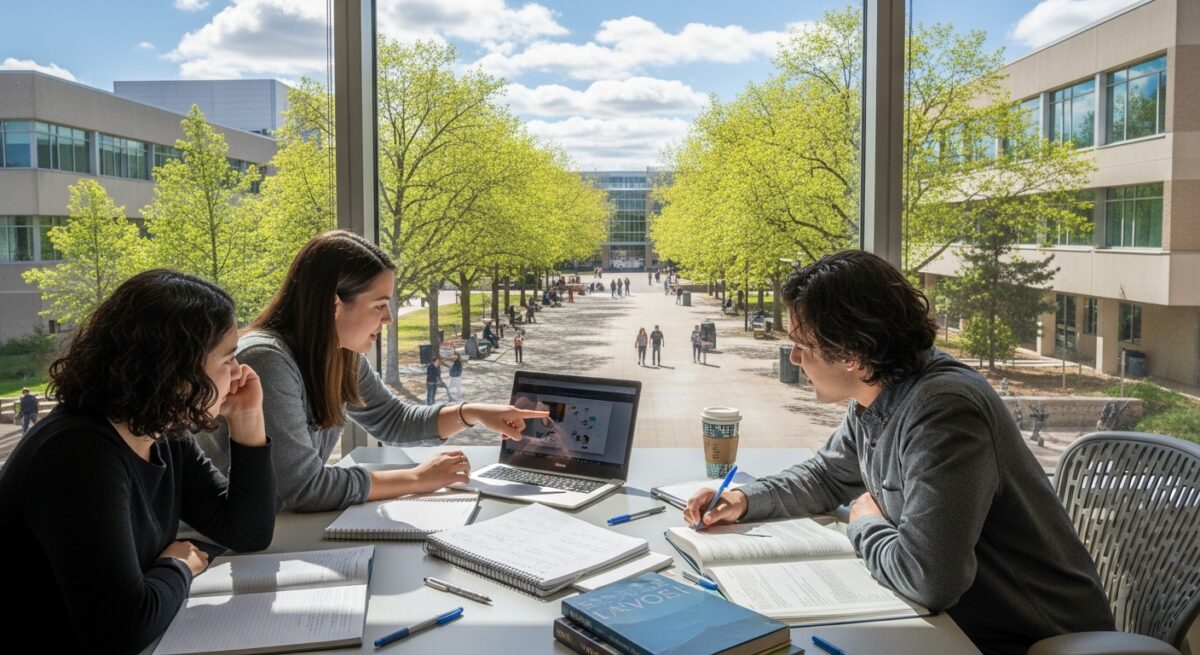
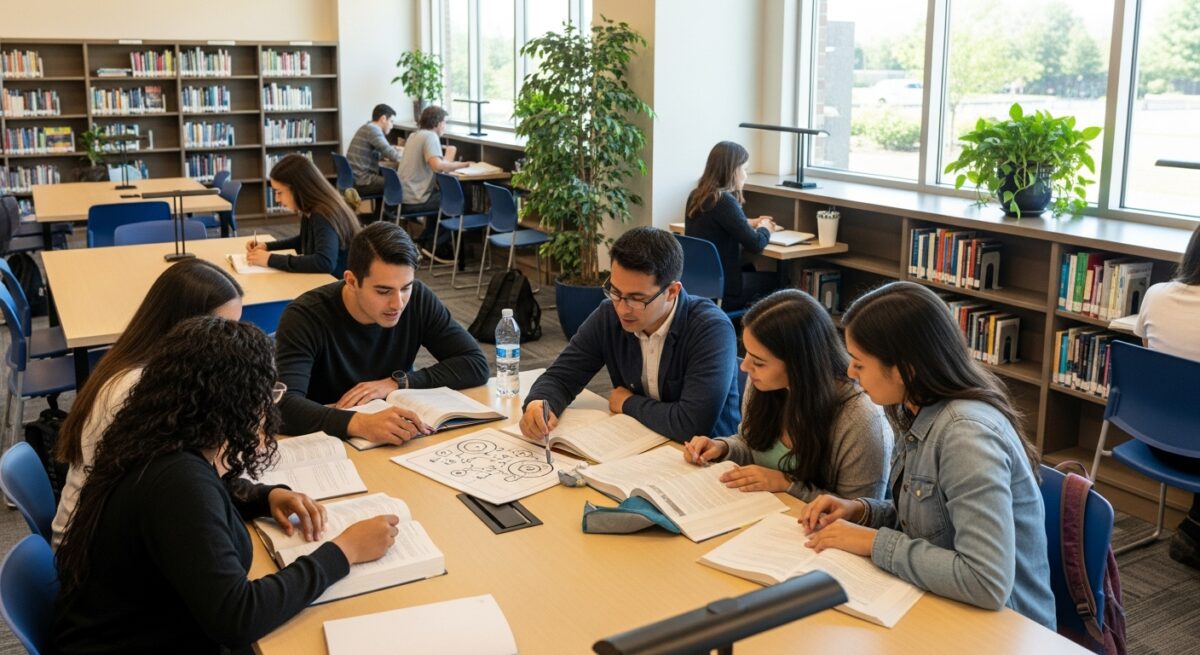
Academic tutoring centers in colleges offer a diverse array of services tailored to meet varied student needs. The most common offering is one-on-one tutoring sessions, where a student works individually with a tutor on specific subjects, from calculus and chemistry to essay writing and foreign languages. These sessions allow for personalized attention and targeted intervention. Many centers also facilitate small group tutoring or study groups, which encourage collaborative learning and allow students to benefit from multiple perspectives.
Beyond subject-specific help, comprehensive centers provide workshops on academic skills. These workshops cover essential topics like note-taking strategies, exam preparation, scientific writing, and research methodology. Some centers have dedicated writing labs where students can receive feedback on drafts at any stage of the writing process, from thesis development to final proofreading. Similarly, math labs offer drop-in support for quantitative courses. For students in STEM fields, specialized tutoring for physics, organic chemistry, or engineering statics is often available. The goal is to create a support network that addresses both content knowledge and the process of learning itself.
To make these services accessible, centers utilize various formats. While in-person tutoring remains a staple, the proliferation of online and hybrid tutoring has dramatically expanded access. This is especially beneficial for commuter students, adult learners, or those with scheduling conflicts. Many colleges now offer synchronous online tutoring via video platforms, asynchronous support where students can submit questions and receive recorded feedback, and robust online repositories of handouts, video tutorials, and practice problems. This digital expansion ensures that support is available whenever and wherever learning happens, a flexibility that is crucial in modern higher education. Students exploring fully remote options can find valuable college degree information that highlights how digital support services are integrated into quality online programs.
Who Benefits from Tutoring Center Services?
A common misconception is that only students who are failing a class should seek tutoring. In reality, academic tutoring centers in colleges serve a broad and diverse student population. High-achieving students often use tutors to delve deeper into complex material, prepare for graduate school entrance exams, or maintain excellence in honors courses. Students facing a particularly challenging course outside their major, such as a biology student taking required economics, frequently turn to tutors for foundational support.
Certain student groups find tutoring centers especially transformative. First-generation college students, who may lack the familial academic guidance network, benefit immensely from the structured support and mentorship tutors provide. International students utilize tutoring to navigate language barriers and unfamiliar academic conventions. Students with documented disabilities often use tutoring as a key component of their academic accommodation plan, receiving reinforcement in a specialized format. Athletes with demanding travel schedules rely on flexible tutoring to keep up with coursework. Essentially, any student who wants to move from passive understanding to active mastery can gain an advantage by engaging with their campus tutoring center.
How to Maximize Your Tutoring Session Experience
To get the most value from a tutoring session, students must approach it as an active participant, not a passive recipient. Effective use of this resource requires preparation and clear communication. A successful session begins long before the student sits down with the tutor.
First, students should identify their specific sticking points. Instead of saying, “I don’t get Chapter 5,” they should review the material, attempt the homework problems, and note exactly which concepts or steps are confusing. Bringing specific questions, the course syllabus, class notes, and the textbook to the session provides essential context for the tutor. It is also crucial to attend tutoring regularly, not just the night before a major exam. Consistent, weekly sessions allow for concept building and stress reduction.
During the session, students should guide the interaction based on their needs. They should work through problems aloud, explaining their thought process to the tutor, who can then identify and correct misconceptions. The goal is not to watch the tutor solve problems, but to solve them with the tutor’s guidance. Asking for similar practice problems to try independently after the session reinforces learning. Finally, students should reflect on what was clarified and what still needs work, planning the focus for the next session. This proactive approach transforms tutoring from a crisis intervention into a powerful tool for sustained academic growth.
The Integral Role in Campus Academic Culture
Academic tutoring centers in colleges do more than serve individual students, they actively shape the broader academic culture of the institution. By normalizing the act of seeking help, they reduce stigma and promote a growth mindset across campus. They send a powerful message that asking for support is a sign of strength and strategic intelligence, not weakness. This cultural shift encourages collaboration over isolation, making learning a more communal and less stressful endeavor.
Furthermore, these centers often collaborate closely with faculty and academic departments. Tutors may receive training from professors to ensure alignment with course objectives, and center staff may provide faculty with data on common student difficulties, which can inform teaching adjustments. Many centers hire undergraduate students as peer tutors, which itself is a high-impact educational practice. These tutors deepen their own knowledge, develop professional skills in communication and teaching, and gain valuable leadership experience. Thus, the center contributes to student success on multiple levels: for those receiving tutoring and for those employed as tutors. This integrated model strengthens the entire academic community, creating a continuous loop of learning and support that benefits all stakeholders, from first-year students to department chairs.
Frequently Asked Questions
Is tutoring at my college free?
In the vast majority of cases, tutoring services provided by a college’s own academic support center are free of charge to enrolled students. These services are typically funded by student fees or institutional budgets. However, some centers may charge for specialized test prep (like GRE or MCAT) or for excessive no-shows to appointments. Always check your specific center’s policy.
How are tutors selected and trained?
Tutors are usually high-achieving students who have excelled in the courses they tutor, often requiring a professor’s recommendation and a minimum GPA. They undergo formal training that covers tutoring pedagogy, active listening skills, ethical guidelines (avoiding doing the work for the student), and strategies for working with diverse learners. This professional training ensures quality and consistency.
What’s the difference between a tutor and a teaching assistant (TA)?
A teaching assistant is typically a graduate student assigned to a specific course who may lead discussion sections, grade assignments, and hold office hours under a professor’s direct supervision. A tutor, especially in a campus center, is often an undergraduate peer who provides supplemental support across multiple sections of a course and focuses on general learning strategies, not course administration.
Can I get tutoring for online or hybrid courses?
Yes. Most academic tutoring centers in colleges now offer robust online tutoring options. You can often schedule a virtual one-on-one session, join a online study group, or access a digital drop-in lab. These services are designed to support all course modalities, ensuring distance is not a barrier to academic support.
When is the best time to start using the tutoring center?
The best time is at the first sign of difficulty or even proactively at the start of a known challenging course. Don’t wait until you are dangerously behind. Early and consistent engagement is the most effective strategy for building a strong foundation and preventing small gaps in understanding from becoming major obstacles.
Ultimately, academic tutoring centers in colleges represent a fundamental commitment to student success. They are a tangible expression of an institution’s belief that every student can learn and achieve with the right support. By demystifying difficult material, building academic confidence, and fostering a community of learners, these centers do more than improve grades. They equip students with the skills, resilience, and mindset needed to navigate academic challenges and build a foundation for lifelong learning. Making the decision to utilize this resource is one of the most strategic moves a college student can make, transforming potential obstacles into opportunities for profound growth and achievement.