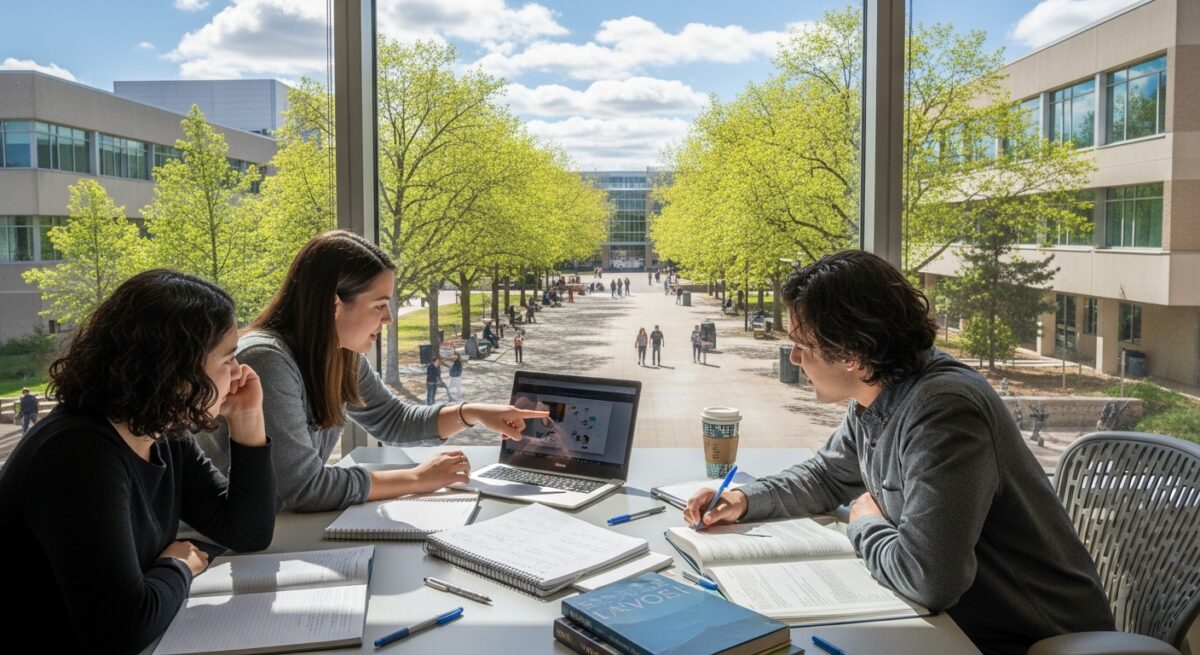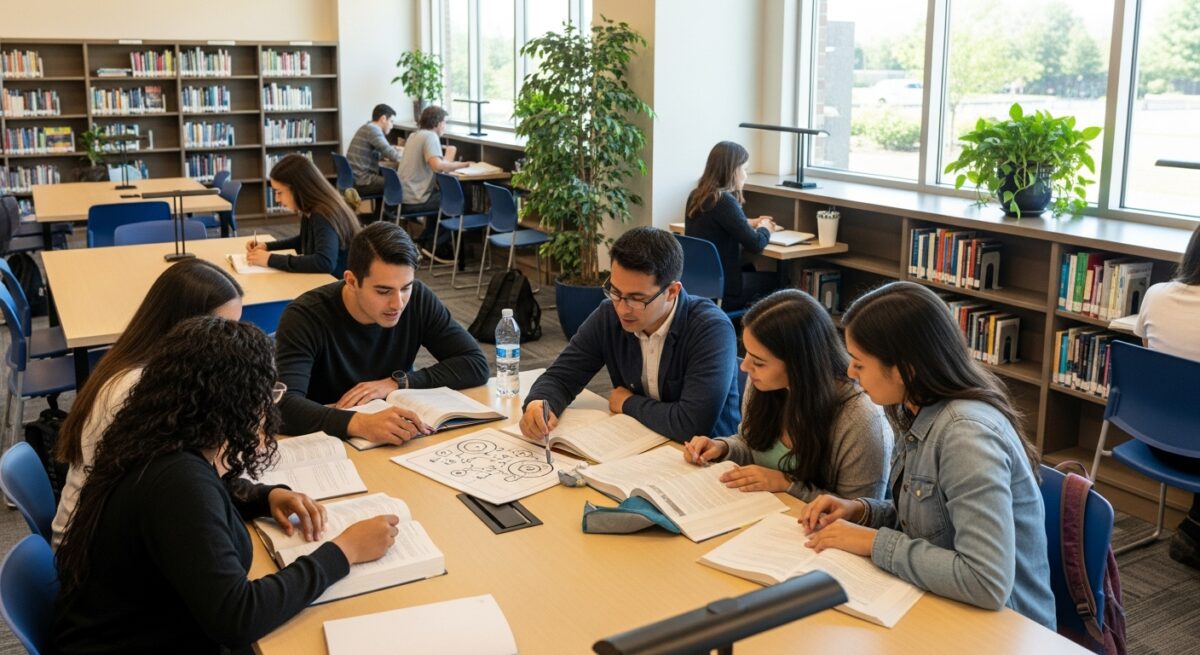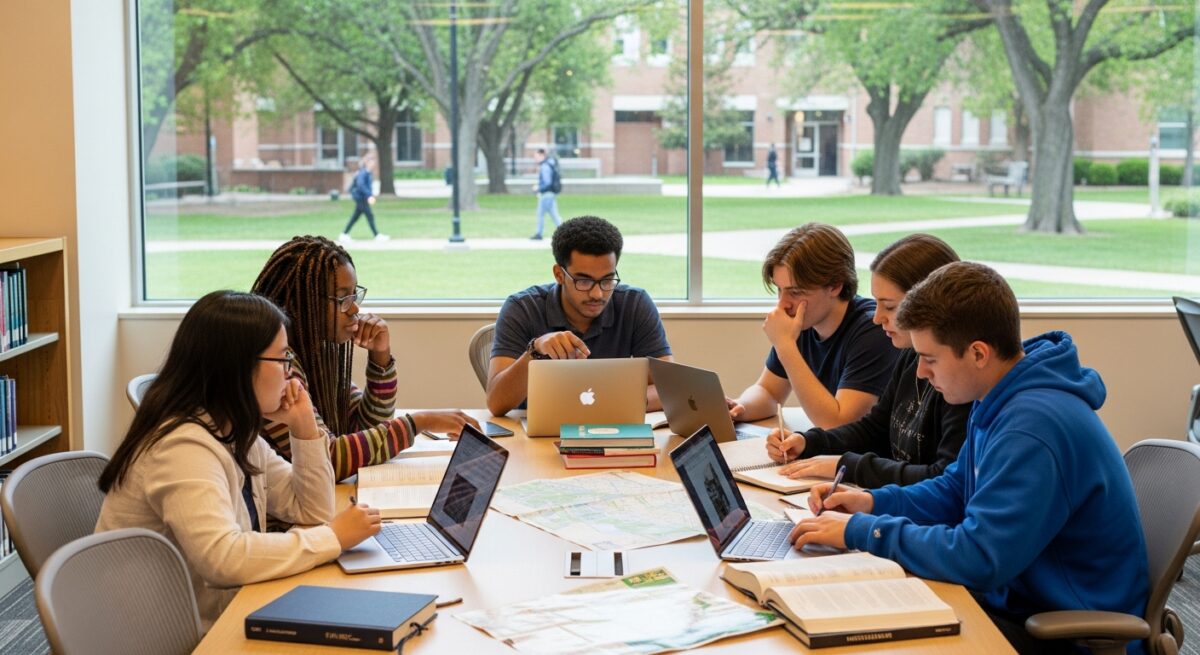
Being the first in your family to attend college is a monumental achievement, but it often comes with a unique set of invisible challenges. Without the generational knowledge of how to navigate higher education, first generation students can face a steeper climb. They must decode complex academic systems, secure funding, build professional networks, and manage cultural shifts, often while balancing significant family and work responsibilities. This journey, while challenging, is also filled with immense potential. The right support for first generation college students is not just a nice to have, it is a critical component of their success, transforming barriers into bridges and ensuring that their hard earned spot on campus leads to a meaningful degree and a brighter future.
Understanding the Unique Challenges First Gen Students Face
The label “first generation” encompasses a diverse group, but common threads of experience create shared hurdles. The most significant challenge is often the knowledge gap. While peers may have parents who can explain office hours, the purpose of a syllabus, or the importance of internships, first gen students are charting new territory. This can lead to navigating bureaucratic processes, from financial aid forms to major declaration deadlines, without a built in guide. Furthermore, many first generation college students grapple with the “hidden curriculum,” the unspoken rules and cultural norms of academia that are seldom taught in a classroom.
Financial pressure is another profound factor. First gen students are more likely to come from low income backgrounds and often work longer hours to support themselves and sometimes contribute to their families. This can limit time for studying, joining clubs, or building the social and academic connections that enrich the college experience. Additionally, they may face psychological burdens like imposter syndrome, feeling they don’t belong, or carrying the weight of high family expectations. Balancing the demands of their home community with the new culture of a college campus can create a sense of navigating two different worlds, a challenge that requires specific and empathetic support structures to overcome.
Key Areas of Support That Make a Real Difference
Effective first generation college student support must be holistic, addressing academic, financial, social, and emotional needs. It is not enough to simply admit these students, institutions must actively foster an environment where they can thrive. This means moving beyond generic resources to create targeted programs that acknowledge their specific starting point. The most successful initiatives are proactive, intrusive, and sustained, meeting students where they are and providing continuous guidance throughout their academic journey.
Academic and Advising Support
Strong academic guidance is the cornerstone of success. First gen students benefit immensely from dedicated advisors who understand their unique context. This goes beyond standard course scheduling to include mentorship on study skills, time management, and how to effectively communicate with professors. Many colleges now offer first year seminars or learning communities specifically for first generation students, creating a cohort for shared learning and mutual support. Writing centers, tutoring programs, and supplemental instruction are also vital, but their value is magnified when marketed and integrated specifically within first gen support networks. A key strategy is demystifying academic processes, clearly explaining how to declare a major, apply for research opportunities, or seek help before a crisis point.
Financial Aid and Literacy
Navigating the cost of college is a primary concern. Comprehensive support includes not only helping students secure grants, scholarships, and work study, but also building their financial literacy. Many first gen students and their families are unfamiliar with the nuances of financial aid packages, student loans, and long term debt management. Workshops on budgeting, understanding loan terms, and minimizing debt are crucial. Furthermore, support can include emergency grant funds for unexpected expenses, like a broken laptop or a medical bill, which might otherwise force a student to withdraw. For a deeper dive into navigating these complex systems, our guide on navigating financial help for college students provides a detailed roadmap. It is also wise to research college degree information from reliable sources to compare long term costs and return on investment across different institutions and programs.
Community Building and Mentorship
Combating isolation is critical. First generation students need to see themselves reflected in the campus community. Creating spaces for connection, such as first gen student unions, peer mentorship programs, and faculty/staff affinity groups, validates their experience and builds a vital support network. Peer mentors who have successfully navigated similar paths can offer relatable advice and encouragement. Connecting students with alumni who were also first generation provides powerful role models and can open doors to internships and career opportunities. These relationships help students build social capital, a resource their continuing generation peers often inherit.
A Framework for Building a Support System
For first generation students themselves, proactively building a personal support system is a powerful strategy. Success is rarely a solo endeavor, it is built on a network of resources and relationships. Students should approach their college experience with a plan to identify and engage key supports from day one. This involves being willing to ask questions, seek help early, and persistently connect with people and programs designed to assist them.
The following framework outlines actionable steps a first gen student can take to construct this essential network:
- Identify Official Resources Early: Before classes start, locate your campus’s first gen program office, TRIO Student Support Services (if available), tutoring center, writing center, and career services. Bookmark their websites and note their locations.
- Forge a Relationship with Your Advisor: Go beyond mandatory meetings. Prepare questions in advance, discuss your long term goals, and ask them to help you connect with other resources or faculty in your field of interest.
- Seek Multiple Mentors: Look for a peer mentor (a sophomore or junior), a faculty mentor in your department, and if possible, a professional mentor in your desired career field. Each will provide different, valuable perspectives.
- Engage with a Community: Join at least one student organization, whether it is a first gen club, a cultural group, or an academic society. This is where you will find your peer support network.
- Normalize Asking for Help: Reframe seeking assistance as a sign of strength and strategic planning, not weakness. Utilize office hours, tutoring sessions, and counseling services proactively.
Implementing this framework requires initiative, but the payoff is a customized web of support that can guide a student through academic uncertainty, personal challenges, and career planning. It transforms the institution from a large, impersonal system into a collection of accessible people and tools.
The Role of Families and Home Communities
Support for first generation college students must extend beyond campus to engage with their families and home communities. Families are often a student’s primary emotional anchor, yet they may feel disconnected from or intimidated by the college experience. Institutions can bridge this gap by hosting family orientations in multiple languages, sending communications that explain academic milestones in clear terms, and creating opportunities for family involvement that respect different cultural norms. When families understand the journey, they can provide more effective encouragement. For the student, maintaining connection to home is a source of strength, but it also requires setting healthy boundaries and managing expectations about their time and availability. Effective support programs help students navigate this balance, honoring their roots while growing into their new academic identity.
Frequently Asked Questions
What qualifies someone as a first generation college student?
Definitions can vary by institution, but the most common standard is a student whose parents or guardians did not complete a bachelor’s degree. Some programs also consider students whose siblings are the first to attend, or where parents attended college outside the United States.
Are there specific scholarships for first generation students?
Yes, many universities, private organizations, and non profits offer scholarships specifically targeted at first generation college students. These can be need based, merit based, or focused on a particular field of study. The financial aid office and the dedicated first gen student support office are the best places to start searching for these opportunities.
How can I find out what support my college offers?
Start by searching the college website for terms like “first generation,” “first gen,” “TRIO,” or “student support services.” Reach out to the admissions office, the dean of students office, or the academic advising center. Do not hesitate to call or email to ask directly about programs, resources, and dedicated staff for first gen students.
Is it harder for first generation students to graduate?
Historically, first generation students have faced lower graduation rates due to the compounded challenges of finances, academic preparation, and social integration. However, this gap is not inevitable. With robust, targeted support systems in place, first gen students can and do succeed at equal or higher rates. The key is accessing and utilizing available resources.
What is the most important thing a first gen student can do to succeed?
The single most important action is to ask for help early and often. Do not wait until you are struggling in a course or facing a crisis. Build relationships with professors, advisors, and support staff from the beginning. Your initiative in seeking out resources is your greatest asset.
The journey of a first generation college student reshapes not only an individual life but often the trajectory of an entire family. The provision of comprehensive, empathetic, and sustained support for first generation college students is therefore one of the most impactful investments an institution of higher learning can make. It is the mechanism that translates access into achievement, ensuring that the door to opportunity, once opened, leads to a clear and navigable path forward. By addressing the full spectrum of needs, from financial aid to community belonging, we honor their resilience and unlock their extraordinary potential.