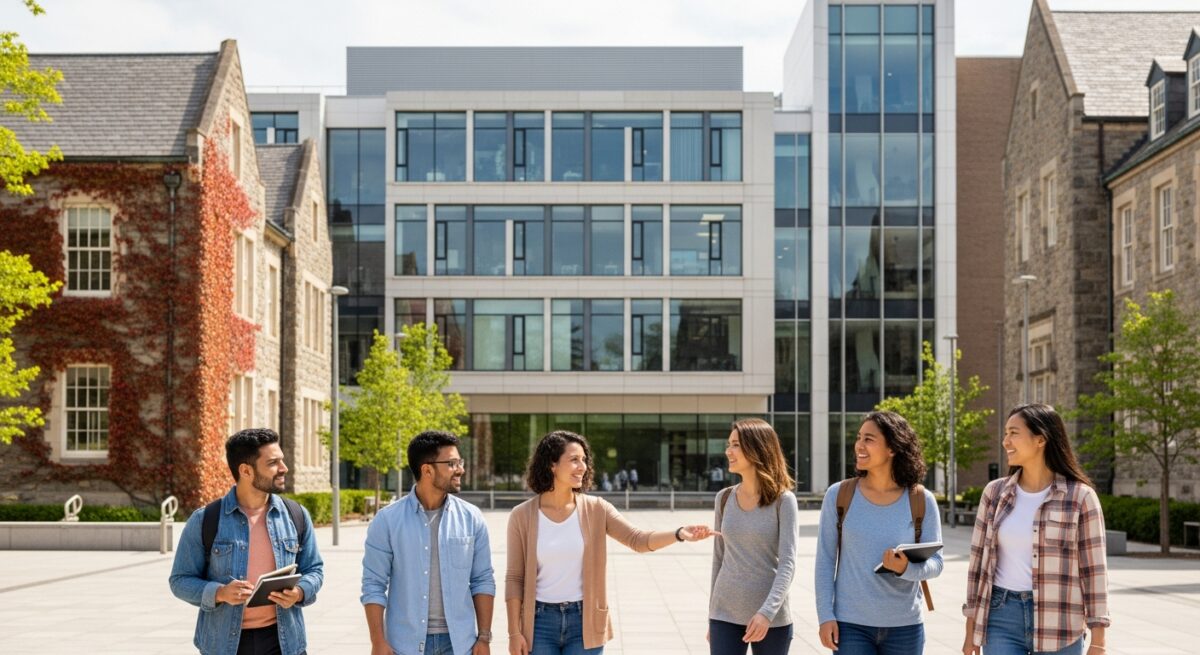
Walking onto a college campus for the first time is a moment charged with possibility. The brochures and websites fade into the background, replaced by the tangible reality of the quad, the dorms, and the faces of potential future classmates. Yet, amidst the excitement, it’s easy to become a passive observer, swept along by a scripted tour. The true power of a campus visit lies not in what you’re shown, but in what you discover through intentional inquiry. The right questions to ask on a college tour transform you from a spectator into an investigator, uncovering the nuanced truths that will determine if this place can become your home and catalyst for growth. This is your opportunity to move beyond rankings and into the lived experience, gathering the critical data no pamphlet can provide.
Moving Beyond the Brochure: Academic and Program Depth
The core of your college education is, undoubtedly, the academic experience. While tour guides will proudly mention student-faculty ratios and famous professors, your questions must drill deeper into the mechanics of learning and mentorship. Start by inquiring about the accessibility of professors outside of lecture halls. Are they available for informal conversations, and do they mentor undergraduates on research projects? Ask a current student in your intended major about the department’s signature opportunities, such as capstone projects, required internships, or thesis programs. For those with interdisciplinary interests, probe how flexible the curriculum truly is. Can you easily combine majors or minors across schools, and what is the process for designing an independent study?
Understanding the support structures is equally vital. Ask about the advising system: is it centralized or department-based, and how often are students expected to meet with their advisor? Inquire about tutoring centers, writing labs, and academic workshops. A revealing question is to ask what the most popular majors are and where the largest introductory lecture classes are held. This can indicate resource allocation and class size realities. Finally, don’t forget career integration. Ask how the career center partners with specific academic departments, the rate of internship placement for your field, and if alumni actively recruit from the program. These questions to ask on a college tour peel back the glossy surface to reveal the academic engine underneath.
The Financial Reality: Costs, Aid, and Value
College is a significant investment, and the financial conversation must be direct and detailed. While the admissions office provides estimated cost of attendance figures, your questions should seek clarity on predictability and hidden expenses. First, ask about the institution’s policy on tuition increases. Do they guarantee a fixed tuition rate for all four years, or is an annual increase standard? This is crucial for long-term budgeting. Next, delve into financial aid specifics. If you receive a merit scholarship, ask about the renewal criteria (e.g., minimum GPA). For need-based aid, inquire if the package is typically renewable with similar amounts, assuming family financial circumstances remain stable.
Beyond tuition, uncover the ancillary costs that can surprise families. Ask for a realistic estimate of textbook and course material costs per semester. Inquire about lab fees, technology fees, or specific program charges for your major. For students planning to study abroad, ask how financial aid and scholarships apply to affiliated programs. A critical area is work-study: if offered, ask how many jobs are typically available, how competitive they are, and the average weekly hours a student can expect. For comprehensive support on navigating these complex financial landscapes, exploring dedicated resources for degree planning for students can provide valuable frameworks for budgeting and seeking external scholarships. Remember, the goal of these financial questions is to move from a sticker price to a transparent, four-year projection.
Campus Culture and Student Life Experience
The feeling of “fit” is often rooted in the intangible culture of a campus. Your questions here should aim to capture the daily rhythm and social fabric of student life. Instead of asking if students are happy, ask what they do on a typical Tuesday night. Ask where students spend their time when they are not in class, and which campus traditions are most beloved. To understand inclusivity and community, ask about the support systems for students from your background (whether that’s first-generation status, a specific cultural identity, or a particular interest). Inquire about the role of Greek life, if it exists: what percentage of students participate, and does it dominate the social scene?
Housing and dining are central to daily life. Ask about the housing guarantee for all four years. If not guaranteed, ask how difficult it is for upperclassmen to secure on-campus housing and what the average cost of nearby off-campus apartments is. For dining, ask about meal plan flexibility, dietary accommodation options (like vegan or gluten-free), and the quality and hours of late-night options. A key set of questions to ask on a college tour revolves around wellness and safety. Ask about the process for accessing mental health counseling, including wait times. Discuss campus safety measures, transportation options for getting around campus at night, and the relationship between campus security and the local community.
Post-Graduate Pathways and Career Support
The ultimate test of a college’s value is often the success and direction of its graduates. Your questions must assess how the institution actively bridges the gap between academia and the professional world. Begin by asking for specific, recent outcomes for graduates in your field of interest. What percentage are employed within six months, in graduate school, or in fellowships? Request examples of companies or graduate programs that regularly recruit from the campus. Go beyond the career center’s brochure by asking about the quality of its services. Do they offer resume and cover letter reviews, mock interviews, and networking workshops? How personalized is the support?
Networking is a powerful tool. Ask about the strength and engagement of the alumni network. Are alumni accessible for informational interviews, and does the college facilitate connections through platforms or regional events? For pre-professional tracks like pre-med or pre-law, ask about the specific advising committee, their success rate in placing students into professional schools, and if they provide committee letters. For students considering entrepreneurship, inquire about incubator programs, pitch competitions, and mentorship from alumni founders. These questions to ask on a college tour shift the focus from the entrance to the exit, ensuring the institution is invested in your launch as much as your arrival.
Strategies for Effective Questioning During the Tour
Knowing what to ask is only half the battle, knowing how and when to ask is equally important. Your approach can determine the depth and authenticity of the answers you receive. First, diversify your sources. While the tour guide is a great starting point, make a point to ask questions of other students you encounter casually, professors if you sit in on a class, and staff in the dining hall or student center. Their unprompted perspectives can be incredibly revealing. Frame your questions to be open-ended. Instead of “Is the faculty good?” ask “Can you describe a time a faculty member went above and beyond to help you?”
Be strategic with timing. Save complex, personal questions about financial aid or academic probation policies for a one-on-one meeting with an admissions counselor after the tour. Use the group tour to ask questions that benefit the whole group and to get a sense of the guide’s personal enthusiasm. Take notes not just on the answers, but on the reactions and body language of those responding. Finally, trust your instincts about the atmosphere. The most telling answers sometimes come from what is not said, or from the energy on campus when no one knows you’re touring.
Frequently Asked Questions
What is the single most important question to ask on a college tour?
While there is no single magic question, one of the most revealing is to ask a current student, “What is one thing you wish you had known about this college before you arrived?” This often elicits honest, nuanced insights about challenges or surprises that official materials won’t mention.
Should I ask about dorm life and roommates?
Absolutely. Ask about the process for selecting roommates and dorms, the policy for room changes if there’s a conflict, and what amenities are standard (like air conditioning, which can be a major factor in some regions). Also ask about the cleanliness and maintenance of the bathroom facilities.
How do I ask about campus safety without seeming overly concerned?
It’s a completely valid and expected concern. Frame it proactively: “What programs or resources does the campus have to ensure student safety, like late-night transportation or well-lit pathways?” You can also ask about how safety alerts are communicated to the student body.
Is it appropriate to ask about graduation and retention rates?
Yes, this is a key indicator of student satisfaction and institutional support. Ask what the four-year and six-year graduation rates are, and what the college attributes them to. Also ask about resources for students who may be struggling academically to avoid dropping out.
What questions should parents ask that are different from students?
Parents might focus more on the specifics of billing, health insurance options, campus security protocols, and parent communication policies, especially in the case of an emergency. They can also ask about the college’s approach to fostering student independence and responsibility.
The college tour is your reconnaissance mission. The buildings and landscapes are important, but the information you gather through thoughtful dialogue is what will ultimately inform your decision. By preparing a robust set of questions that cover academics, finances, culture, and outcomes, you take control of the narrative. You move from being sold a dream to evaluating a real-world partnership. The answers you collect, and the feelings they evoke, will become the most valuable data points in your college selection process, far outweighing any line on a ranking list. Listen closely, observe keenly, and let your curiosity guide you to the right fit.